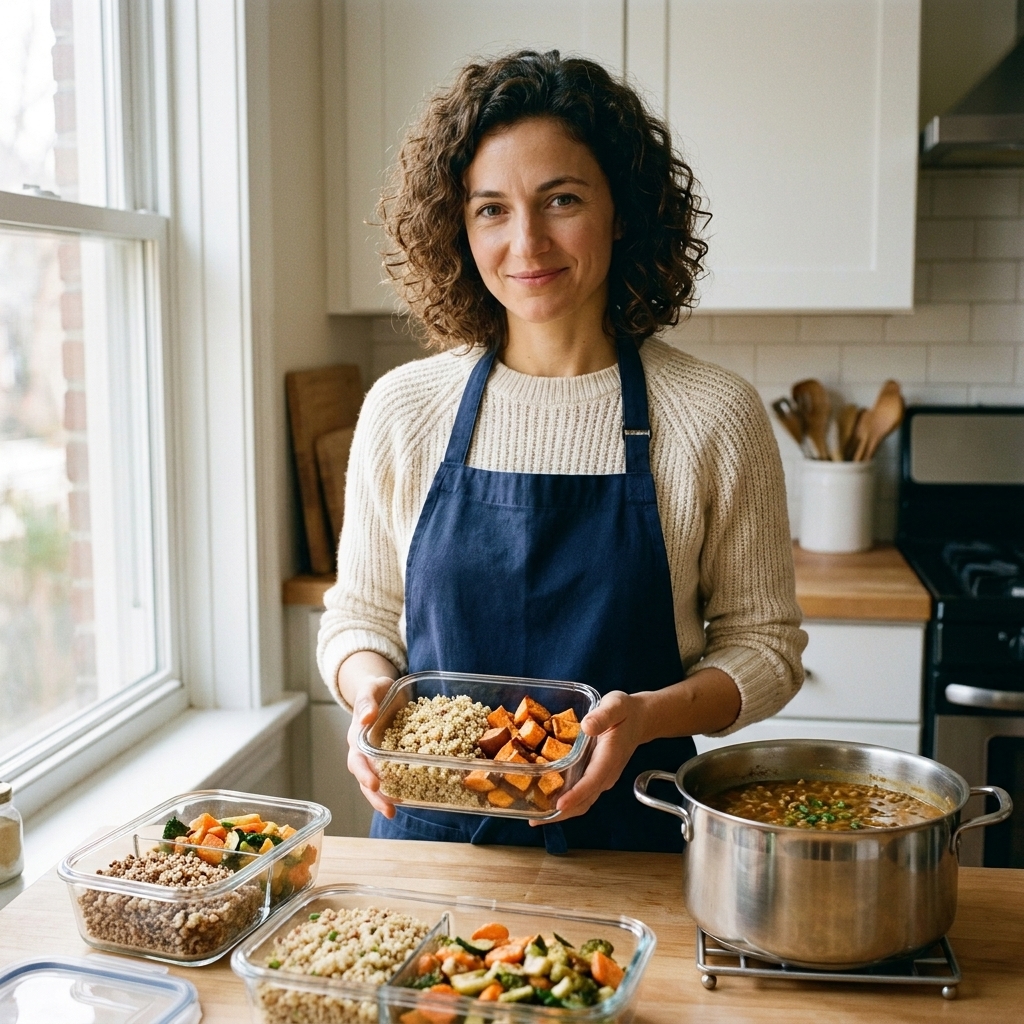
A no-math, no-stress guide to building balanced meals with half veggies, a quarter protein, and a quarter complex carbs, plus smart fats and flavor.
Platepathy
Balanced Gluten-Free Meal Planning Without Processed Swaps
Build a naturally gluten-free meal plan using whole grains, lean proteins, and produce, without living on GF breads and crackers. Includes shopping lists, formulas, and a 3-day sample plan.

Elena Rossi
Elena Rossi is a Registered Dietitian and meal prep expert who believes that healthy eating shouldn't feel like a second job. Through Platepathy, she translates complex nutrition science into approachable, delicious meal plans designed for real, busy lives.
Published October 18, 2026
Last updated October 18, 2026
If you are eating gluten-free, it is very easy to end up in a weird food limbo where every meal is a “substitute.” Gluten-free bread, gluten-free cookies, gluten-free pasta, gluten-free snacks. Some of those foods can absolutely fit, but if they become the foundation, your meal plan can start to feel expensive, low-fiber, and strangely unsatisfying.
The Platepathy approach builds your plan around foods that are already gluten-free and naturally nourishing. Think: rice, potatoes, beans, eggs, fish, chicken, tofu, yogurt, veggies, fruit, nuts, and a handful of gluten-free grains that actually bring something to the table.
First, a quick reality check on gluten-free substitutes
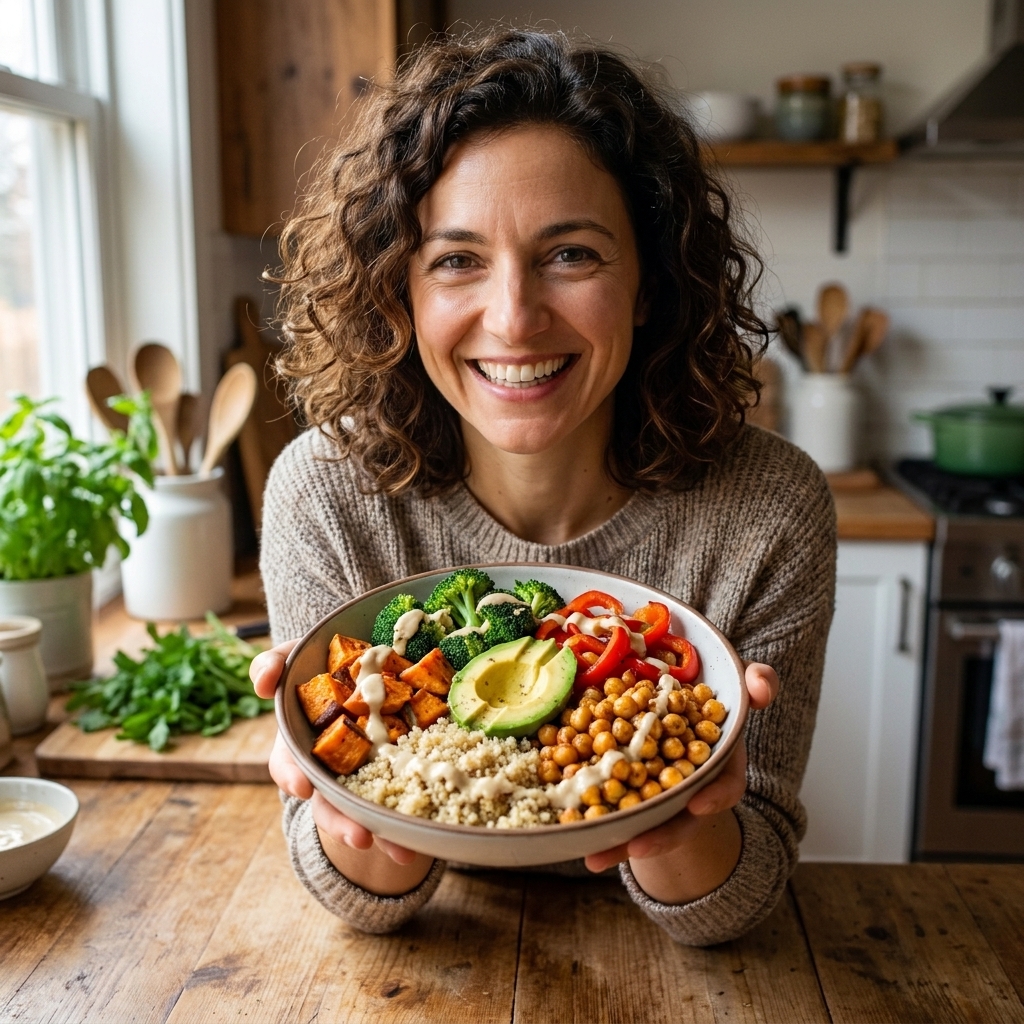
Gluten-free packaged substitutes are not automatically “bad.” They can be convenient, and some brands are getting better with fiber and fortification. But many gluten-free breads, crackers, and baked goods are made with refined starches (like rice starch, tapioca starch, potato starch) and added fats to mimic gluten’s structure.
What that can look like in real life:
- Lower fiber, which can lead to constipation and less steady fullness for some people.
- Less protein than wheat-based versions, which makes meals less satisfying.
- Higher cost, especially when you rely on specialty products daily.
- Micronutrient gaps if the plan crowds out legumes, whole grains, and produce.
The goal is not perfection. The goal is a meal plan where your default choices are naturally gluten-free, and the substitutes are optional tools, not the entire toolbox.
The Platepathy balanced gluten-free plate
When I was a project manager living on “grab whatever,” I needed meals that basically built themselves. This is still how I plan as a working mom: simple structure, flexible ingredients.
A simple formula
- 1/2 plate: non-starchy vegetables (raw, roasted, sautéed, frozen all count)
- 1/4 plate: protein (many adults do well aiming around 20 to 35 grams at a meal, adjusted for body size, activity, appetite, and medical needs)
- 1/4 plate: smart carbs (a naturally gluten-free starch or whole grain)
- + 1 thumb of fat: olive oil, avocado, nuts, seeds, cheese, tahini
- + flavor builder: citrus, salsa, herbs, garlic, ginger, vinegar, spices
This keeps your meals satisfying and steady, without needing gluten-free bread to do the heavy lifting.
Choose smart carbs that are naturally gluten-free
Carbs are not the enemy. For gluten-free eating, the trick is choosing carbs that deliver fiber, minerals, and staying power.
Whole grains and grain-like options
- Quinoa: protein-rich, cooks fast, great hot or cold.
- Brown rice or wild rice: batch-cook and freeze in portions.
- Buckwheat: despite the name, it is gluten-free. Try buckwheat groats (kasha) as a hearty base.
- Millet or sorghum: mild flavor, great in bowls and side dishes.
- Certified gluten-free oats: fantastic for breakfasts and baking. Choose certified if you have celiac disease or high sensitivity because cross-contact is common.
- Corn tortillas and polenta: easy dinner helpers that feel like real food, not a “swap.”
Starches that make meal planning easier
- Potatoes and sweet potatoes: roast a tray and you have instant sides all week.
- Winter squash: filling, nutrient-dense, naturally sweet.
- Beans and lentils: yes, they are carbs, and also fiber and protein superheroes.
Portion note: Most adults feel good starting with about 1/2 to 1 cup cooked grains or starchy veggies per meal, then adjusting based on hunger, activity, and goals.
Pick protein anchors you actually want to eat
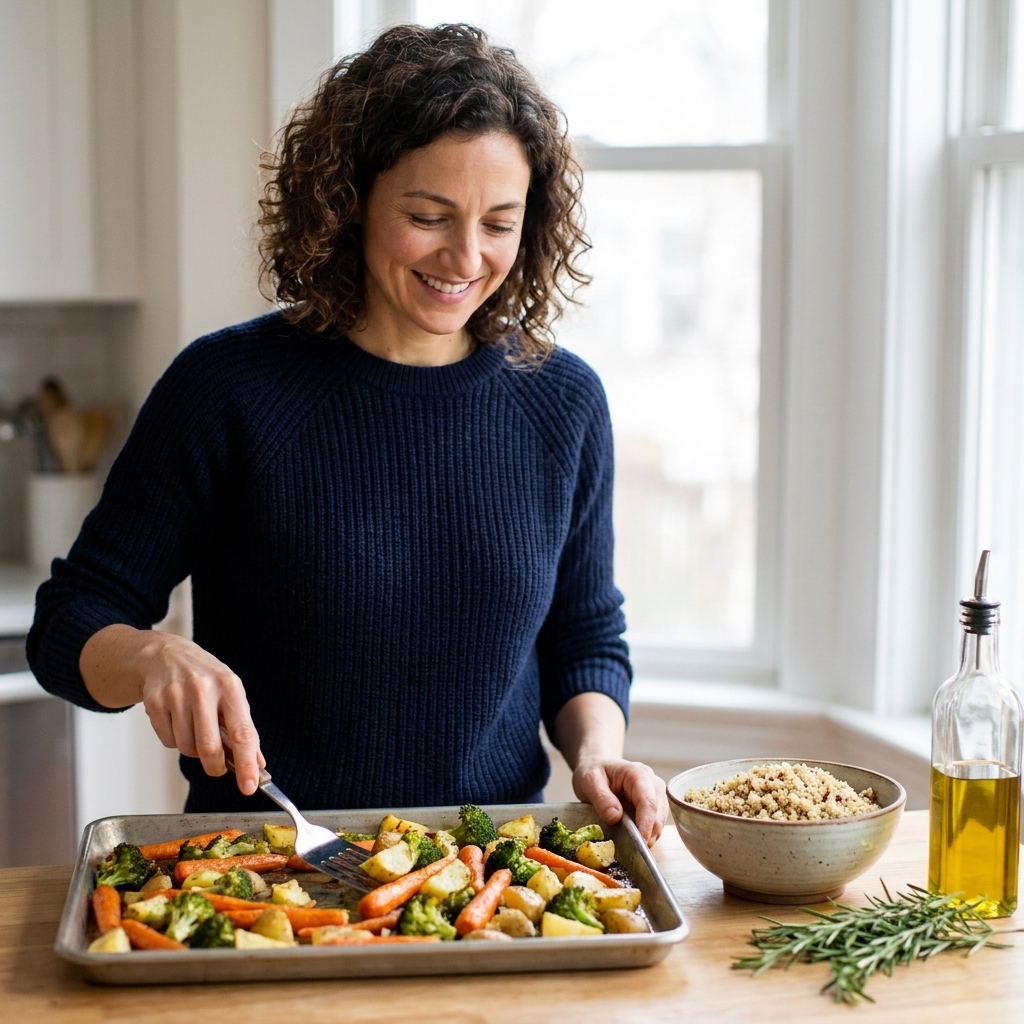
Protein is the “make it stick” nutrient because it helps keep you full longer, supports muscle, and makes gluten-free meals feel substantial without leaning on specialty products.
Lean and easy options
- Chicken thighs or breasts: bake or grill in bulk, then slice.
- Turkey: meatballs, burgers, or quick skillet crumbles.
- Eggs: frittata, hard-boiled, or breakfast-for-dinner.
- Fish: salmon, canned tuna, sardines, shrimp.
- Greek yogurt or cottage cheese: high-protein breakfasts and snacks.
- Tofu, tempeh, edamame: great for stir-fries and bowls.
- Beans and lentils: budget-friendly and meal-prep friendly.
Tip from my Sunday batch-cooker brain: choose two proteins per week. One animal-based (if you eat it), one plant-based. Rotate flavors, not just foods.
Build fiber with produce, then make it taste amazing
If gluten-free eating has felt restrictive, produce is where freedom comes back. The more plants you can include, the easier it is to hit fiber, potassium, folate, vitamin C, and all the tiny “helper” nutrients that make you feel human.
My no-thinking required produce plan
- 2 quick raw options: baby spinach, romaine, cucumbers, cherry tomatoes, bagged slaw
- 2 roastable options: broccoli, cauliflower, carrots, bell peppers, zucchini, Brussels sprouts
- 2 freezer staples: frozen green beans, frozen mixed veg, frozen berries
- 1 fruit you love: bananas, apples, oranges, grapes, whatever you will actually eat
Flavor builders that keep gluten-free meals from tasting bland
- Acid: lemon, lime, red wine vinegar, rice vinegar
- Heat: chili flakes, hot sauce, jalapeño
- Umami: gluten-free tamari (check label), miso labeled gluten-free, parmesan, olives
- Creamy: tahini, yogurt sauce, avocado, hummus
Label reminder: some condiments can contain gluten (soy sauce, some marinades, certain spice blends). When in doubt, look for a gluten-free label, especially if you have celiac disease.
Stop planning meals and start planning components
Meal plans fail when they ask you to be a different person by Wednesday. Component prep is my best trick for busy weeks because it creates mix-and-match dinners that come together in 10 minutes.
Pick 1 to 2 items from each list
- Cooked carb (batch): quinoa, brown rice, roasted potatoes, corn tortillas
- Protein (batch): sheet-pan chicken, turkey meatballs, baked tofu, lentil soup
- Veg (batch): roasted broccoli, sautéed peppers and onions, massaged kale salad, slaw mix
- Sauce (5 minutes): pesto, tahini-lemon, yogurt-dill, salsa plus lime
Two assembly meals that save weeknights
- Grain bowls: grain + protein + roasted veg + sauce
- Taco night with corn tortillas: protein + slaw + avocado + salsa
A 3-day naturally gluten-free sample plan
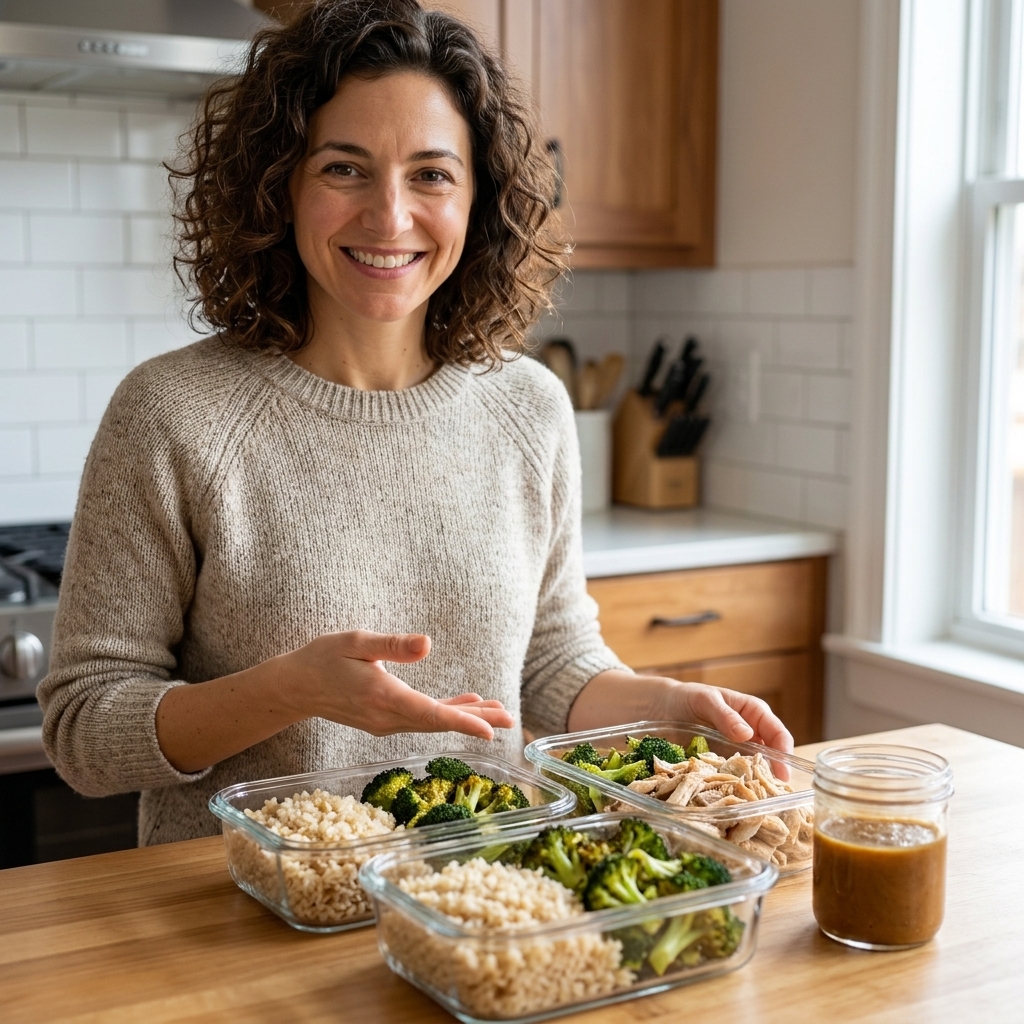
Here is a realistic, repeatable mini-plan. It is built on whole foods and basic pantry items. Swap proteins or veggies based on what you like and what is on sale.
Day 1
- Breakfast: Certified gluten-free oats cooked with milk, topped with berries and peanut butter
- Lunch: Quinoa salad with chickpeas, cucumber, tomatoes, feta, olive oil, lemon
- Dinner: Sheet-pan salmon with roasted broccoli and sweet potato wedges
- Snack (if needed): Greek yogurt with cinnamon and a sliced banana
Day 2
- Breakfast: Veggie omelet plus fruit
- Lunch: Leftover salmon over mixed greens with olive oil and vinegar
- Dinner: Turkey taco bowls: seasoned turkey, brown rice, black beans, salsa, avocado, shredded lettuce
- Snack (if needed): Apple plus a handful of almonds
Day 3
- Breakfast: Cottage cheese with pineapple or peaches and chopped walnuts
- Lunch: Lentil soup plus a side salad (or leftover taco bowl)
- Dinner: Tofu and veggie stir-fry with gluten-free tamari over rice, finish with sesame seeds and lime
- Snack (if needed): Carrots and hummus
Notice what is missing: a different gluten-free “replacement” product at every meal. This is the quiet power move.
Gluten-free shopping list for balance
If you want one simple grocery list to keep on your phone, this is it.
Carbs and grains
- Quinoa
- Brown rice or wild rice
- Certified gluten-free oats
- Potatoes and sweet potatoes
- Corn tortillas
- Beans and lentils (canned or dry)
Proteins
- Chicken, turkey, fish, eggs (choose what fits your preferences)
- Greek yogurt or cottage cheese
- Tofu or tempeh
- Canned tuna or salmon
Produce
- Leafy greens (spinach, romaine, spring mix)
- Roasting veggies (broccoli, carrots, peppers, zucchini)
- Alliums (onions, garlic)
- Fresh herbs (cilantro, parsley) if you want extra flavor
- Fruit for snacks
Fats and flavor
- Olive oil
- Tahini or nut butter
- Nuts and seeds
- Salsa
- Gluten-free tamari (check label)
- Vinegar and citrus
- Spices (cumin, paprika, chili powder, garlic powder)
Common pitfalls and gentle fixes
I am gluten-free and always hungry
Often this is a fiber and protein issue. Add one of these at meals: beans or lentils, quinoa, chia or flax, a bigger portion of vegetables, or an additional protein serving.
I do not have time to cook separate meals
You should not have to. Build naturally gluten-free family meals: taco night with corn tortillas, rice bowls, baked potato bar, chili, stir-fries, sheet-pan dinners.
My gluten-free plan is mostly snack foods
Start with one anchored meal per day (often dinner). Once dinner is stable, lunch becomes leftovers, then breakfasts get easier. You do not need to overhaul everything at once.
I miss sandwiches
Totally valid. Instead of forcing gluten-free bread daily, rotate formats: lettuce wraps, corn tortillas, baked potatoes topped like a meal, rice-paper rolls, or bowl meals. Then use gluten-free bread when it truly hits the spot.
Cross-contact notes for celiac
If you are gluten-free for celiac disease, non-celiac gluten sensitivity, or medical reasons, cross-contact matters. A few practical steps:
- Use a dedicated toaster or toaster bags.
- Keep separate butter, jam, and spreads to avoid crumb contamination.
- Check labels for soy sauce, broths, spice blends, marinades, and oats.
- When eating out, ask about shared fryers and prep surfaces.
- Skip bulk bins if you need strict gluten-free, since shared scoops and dusting are common.
- Double-check medications and supplements with your pharmacist and care team if you need strict gluten-free.
Depending on your sensitivity and how strict you need to be, you may prefer certified gluten-free versions of certain grains and packaged foods beyond oats. When in doubt, choose certified or contact the manufacturer.
If you are gluten-free by preference and cross-contact does not impact your health, you can be more flexible. Either way, your meals can still be balanced and satisfying.
FAQ
Are oats gluten-free?
Oats are naturally gluten-free, but they are frequently contaminated with wheat during growing and processing. Choose certified gluten-free oats if you need strict avoidance. Also, a small subset of people with celiac disease still do not tolerate oats even when they are certified gluten-free, so check in with your clinician if oats cause symptoms.
Do I need gluten-free pasta for pasta night?
You can, and some are great. If you want fewer substitutes, try rotating in naturally gluten-free comfort foods: polenta bowls, rice noodles (check labels), baked potatoes with a hearty topping, or a quinoa pilaf-style dish.
How do I make gluten-free meals higher fiber?
Make beans, lentils, vegetables, fruit, and whole grains your default. Add chia or ground flax to oatmeal or yogurt, and choose brown rice or quinoa more often than refined white rice if your digestion tolerates it.
What is a good gluten-free lunch that is not a sad salad?
Leftover dinner is the easiest answer. Otherwise: a rice bowl with chicken and veggies, a lentil soup, a quinoa chickpea bowl, or a baked potato topped with cottage cheese, salsa, and black beans.
Platepathy reminder: A balanced gluten-free meal plan is not built on “perfect” swaps. It is built on real food you enjoy, repeated in simple patterns that make your life easier. You are not failing if you use gluten-free crackers. You are winning if you have a plan that feeds you kindly, consistently, and with less stress.