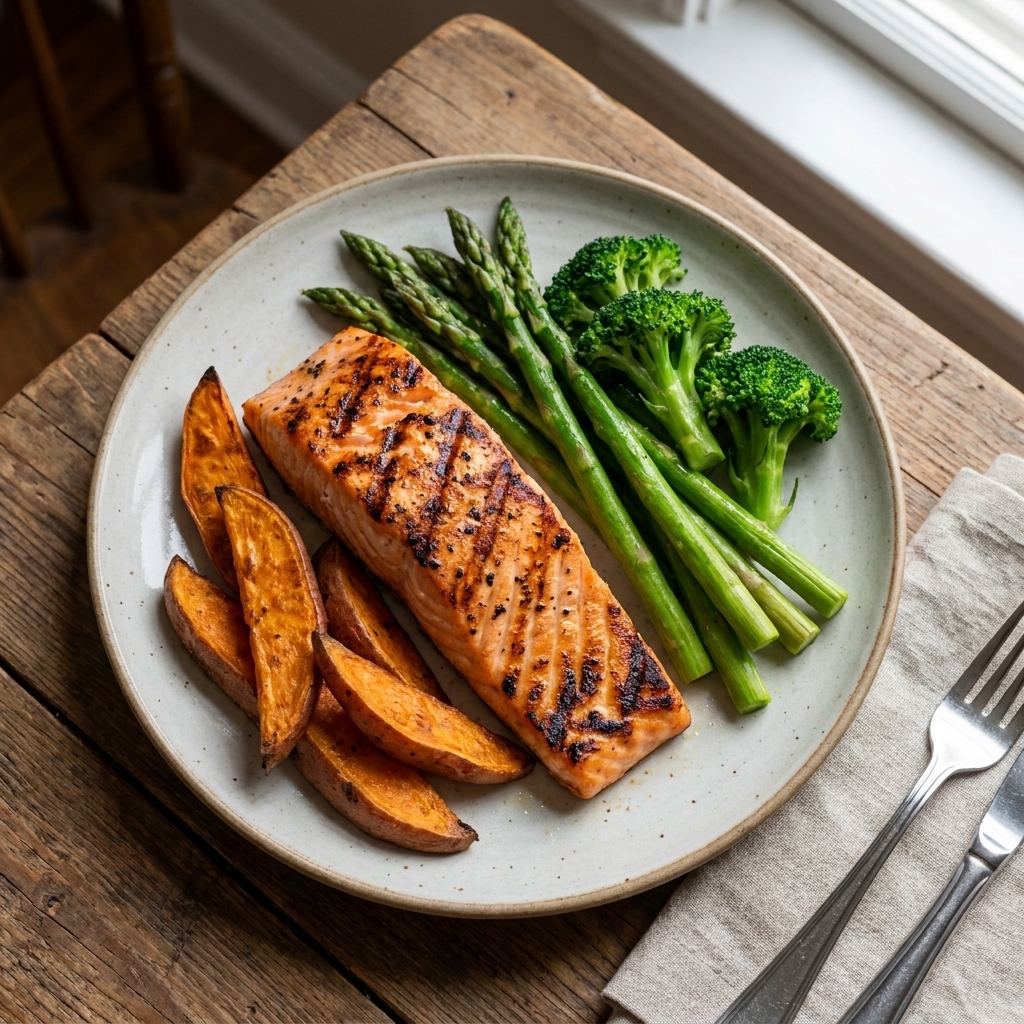
A no-math, no-stress guide to building balanced meals with half veggies, a quarter protein, and a quarter complex carbs, plus smart fats and flavor.
Platepathy
Complex vs. Simple Carbohydrates
Complex vs. simple carbs: learn the real difference, how each affects energy and fullness, and how to meal prep balanced carbs without feeling restricted.

Elena Rossi
Elena Rossi is a Registered Dietitian and meal prep expert who believes that healthy eating shouldn't feel like a second job. Through Platepathy, she translates complex nutrition science into approachable, delicious meal plans designed for real, busy lives.
Published October 18, 2026
Last updated October 18, 2026
Carbs have been unfairly typecast as the "problem child" of nutrition. I get it. In my project-manager-takeout era, I’d ride the roller coaster: a sugary coffee and pastry at 9 AM, a crash by 11, then frantic snacking that made me feel like my body was betraying me.
The truth is simpler and kinder: carbohydrates are a primary fuel source, especially for your brain and working muscles. You can absolutely run on other fuels too (like fat, and ketones during fasting or very low-carb stretches), but for most day-to-day life, carbs are a workhorse. The goal is not to avoid carbs, it’s to choose the kinds and combinations that keep your energy steady and your meals satisfying.

Simple vs. complex carbs
Most digestible carbohydrates are broken down into simple sugars your body can use for energy, including glucose (and also fructose and galactose, which are handled a bit differently at first). Fiber is the exception: you do not fully digest it into sugar. Some fiber passes through, and some is fermented by your gut bacteria into short-chain fatty acids, which is one reason it’s so supportive for fullness and gut health.
The difference between simple and complex carbs is mostly about structure. In general, structure affects how quickly a food digests and how it tends to impact blood sugar, hunger, and energy. Real life matters too: processing, cooking method, and whether you’re eating carbs in liquid or solid form can change the effect.
Simple carbs
Simple carbs are made of one or two sugar units. They often digest quickly and can raise blood sugar faster, especially when eaten on their own. (There are plenty of exceptions, like whole fruit, which tends to land more gently because of its fiber and water.)
- Naturally occurring simple carbs: fruit, milk, yogurt
- Added simple carbs: table sugar, honey, syrups, soda, candy, many desserts
Complex carbs
Complex carbs are longer chains of sugars (starches and some fibers). Many complex carb foods also come packaged with fiber, which slows digestion and helps with fullness, steadier energy for many people, and gut health.
- Starchy complex carbs: oats, brown rice, quinoa, farro, potatoes, corn, whole grain bread and pasta
- Legumes: lentils, chickpeas, black beans (a carb food with meaningful protein)
- Non-starchy vegetables: broccoli, leafy greens, peppers (lower-carb, fiber-rich, still count)
Platepathy note: “Simple” does not mean “bad,” and “complex” does not mean “perfect.” Context, portion, and what you pair it with matter a lot.
Carbs and energy crashes
If you’ve ever felt energized right after a sweet snack and then oddly sleepy or hungry soon after, you’re not imagining it. Quick-digesting carbs can lead to a faster rise in blood sugar, and your body responds by releasing insulin to help move that sugar into cells. For some people, that up-and-down pattern (plus things like sleep, stress, and how big the snack was) can feel like a “crash.”
Carbs that are higher in fiber and less processed tend to digest more slowly. That usually means a gentler blood sugar response and a longer stretch of steady energy.
Steady energy, less micromanaging
Instead of trying to label foods as off-limits, use a simple meal-prep rule:
- Pair carbs with protein and/or fat for staying power.
- Add fiber when you can (whole grains, beans, vegetables, berries, seeds).
- Watch the “naked carb” habit, like a plain bagel or juice by itself. It can be fine, but it often leaves you hungrier sooner.
Example swaps that feel realistic on a busy week:
- Toast + jam ⟶ Toast + peanut butter + banana
- Granola bar alone ⟶ Granola bar + Greek yogurt
- White rice bowl ⟶ Rice bowl + beans + veggies + chicken or tofu
What to include in meal prep
For most people, the sweet spot is: build your meal prep around complex carbs, and use simple carbs strategically for convenience, enjoyment, and quick fuel.
Prioritize complex carbs when you want
- Longer-lasting fullness
- More stable energy across a workday
- More fiber for digestive health
- Easy batch cooking that holds up in the fridge
Include simple carbs when you want
- Quick fuel before or after workouts (fruit, chocolate milk, pretzels; sports drinks are mainly useful for longer endurance sessions)
- Convenience that keeps you from skipping meals (applesauce pouch, fruit cups, instant oatmeal, shelf-stable juice paired with protein)
- Joy and flexibility (yes, dessert can fit)
If you’re managing diabetes, prediabetes, PCOS, reactive hypoglycemia, or you’re pregnant, carb type and distribution can matter more. It’s worth talking with a Registered Dietitian for individualized targets. You still do not need a fear-based approach.
Best complex carbs for prep
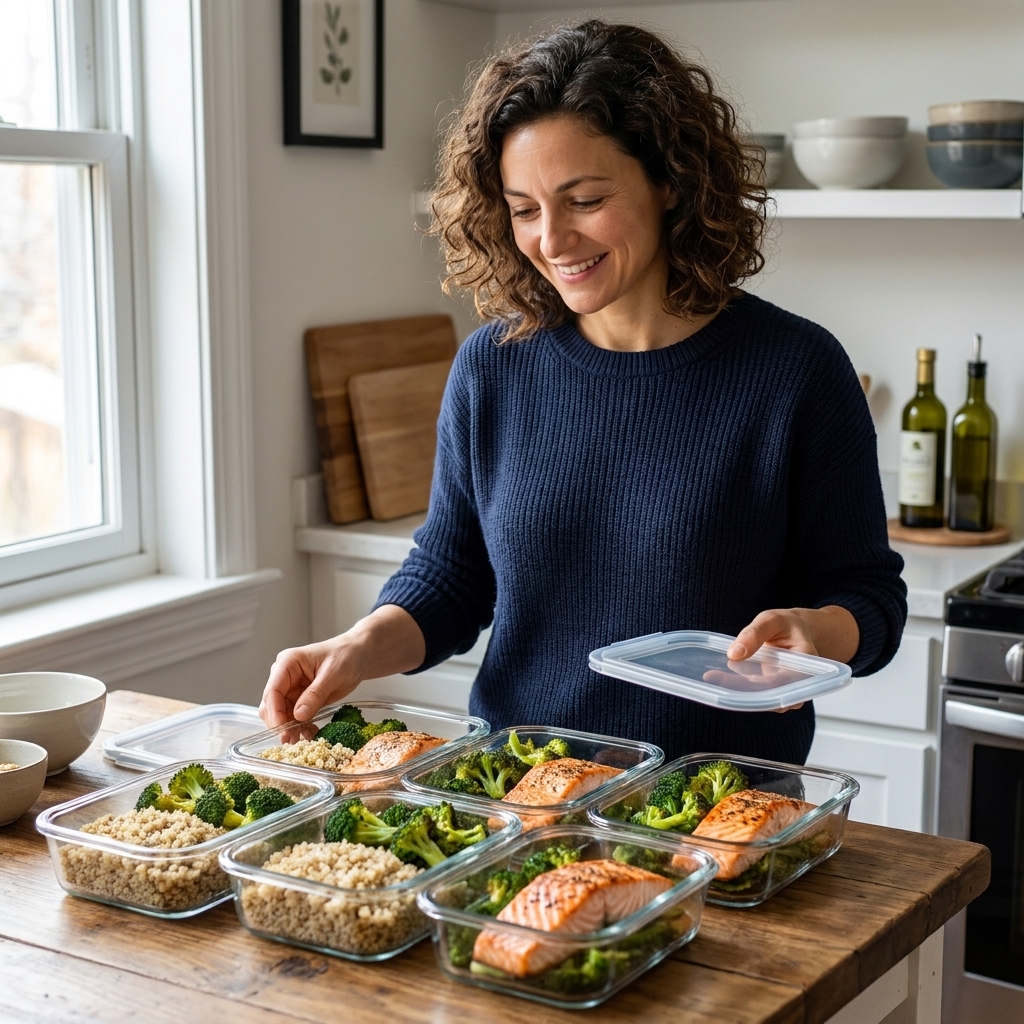
These are my “Sunday batch-cook staples” because they reheat well and play nicely with lots of flavors.
Whole grains
- Oats: baked oatmeal, overnight oats, oat bowls with nuts and fruit
- Brown rice or wild rice blends: grain bowls, stir-fries, burrito bowls
- Quinoa: fast-cooking, great cold or hot, easy protein boost
- Farro or barley: hearty salads, soups, meal-prep “grain base”
- Whole wheat pasta: holds texture well for 3 to 4 days
Starchy vegetables
- Potatoes and sweet potatoes: roast a sheet pan, use in breakfast hashes and dinner plates
- Winter squash: roast cubes for bowls, tacos, or salads
- Corn: adds sweetness and texture to salads and skillet meals
Legumes
- Lentils: soup, curry, salads, taco filling
- Chickpeas: sheet-pan roasted, curry, pasta salads
- Black beans or pinto beans: burrito bowls, chili, quesadillas
Simple carbs that still help
Simple carbs can absolutely be part of a nourishing plan. The trick is choosing options that bring something to the table, like vitamins, minerals, hydration, or convenience.
Nutrient-rich simple carbs
- Fruit: bananas, oranges, berries, grapes, mango, apples
- Dairy: milk, kefir, yogurt (lactose is a simple carb)
- 100% fruit juice: helpful when appetite is low or you need quick carbs, especially paired with a meal or snack that includes protein
Added-sugar foods
Cookies, ice cream, sweetened cereals, and candy can fit. If they’re showing up daily and leaving you tired and snacky, that’s information, not a moral failing. A common “plate empathy” move is to:
- have a smaller portion and
- pair it with something grounding (Greek yogurt, nuts, cheese, or a balanced meal)
This often reduces the crash and helps dessert feel like dessert, not a trigger for more frantic eating later.
A balanced meal prep formula
When you’re prepping, you do not need to calculate grams to build balanced carb meals. Use this repeatable formula:
- 1 complex carb base (brown rice, quinoa, oats, whole wheat pasta, potatoes)
- 1 protein (chicken, turkey, eggs, tofu, tempeh, beans, lentils, Greek yogurt)
- 1 to 2 vegetables (any you like, frozen counts)
- 1 fat or sauce (olive oil, avocado, tahini, pesto, peanut sauce)
- Optional simple carb booster (fruit, a small sweet, juice, or a fun crunchy snack)
Three real-life combos
- Breakfast: Overnight oats + chia + berries + walnuts
- Lunch: Quinoa bowl + chickpeas + roasted veggies + feta + lemon olive oil dressing
- Dinner: Sheet-pan chicken + sweet potatoes + green beans, plus fruit for dessert
Labels without diet culture
When you’re deciding between two packaged foods, you don’t need perfection. A few helpful cues:
- Fiber: Higher fiber often means a more filling choice and steadier energy for many people. Whole grains, beans, and some cereals will naturally be higher.
- Added sugars: Not inherently forbidden, just useful to notice. If added sugars are high and fiber is low, that item is more likely to digest quickly.
- Ingredients: Words like “whole” (whole wheat, whole oats, brown rice) often signal a slower-digesting option.
If label reading stresses you out, choose a simpler route: build most of your meals from minimally processed carb foods you already enjoy, and keep a few convenience items on hand for real life.
Meal prep storage basics
Because “healthy” does not matter if it’s not safe or it turns weird in the fridge.
- Cool cooked grains quickly: Get rice, quinoa, and pasta into the fridge within about 2 hours of cooking. Use shallow containers so they cool faster.
- Typical fridge window: Many cooked grains, beans, and roasted veggies keep well for 3 to 4 days when refrigerated promptly in sealed containers.
- Reheat well: Heat leftovers until steaming hot. If something smells off or looks questionable, trust that and toss it.
Common questions
Is pasta simple or complex?
Most pasta is a complex carb because it’s starch. Whole wheat pasta has more fiber than refined pasta, so it often keeps you fuller longer. Both can fit.
Are potatoes “bad carbs”?
No. Potatoes are a complex carb and provide potassium and vitamin C. They’re very meal-prep friendly. How they’re prepared matters for calorie density (fried vs. baked or roasted), but the potato itself is not the enemy.
Is fruit a simple carb?
Fruit contains natural sugars (simple carbs), but it also brings fiber, water, and micronutrients. Most people do great with fruit daily, especially paired with protein or fat when you want longer-lasting energy.
Do I need to cut carbs to lose weight?
Not necessarily. Many people lose weight while eating carbohydrates daily. The most sustainable approach tends to focus on overall patterns: balanced meals, adequate protein, fiber, sleep, and stress support. If cutting carbs makes you feel deprived or leads to rebound cravings, that’s a strong sign it’s not the right tool for you.
What if I feel sleepy after a carb-heavy lunch?
Try these tweaks:
- Shift your plate to more protein and veggies while keeping a satisfying portion of carbs.
- Choose a higher-fiber carb (brown rice, quinoa, beans, whole grains).
- Consider portion: a very large meal can make anyone sleepy.
- Hydrate and take a short walk if you can.
The Platepathy takeaway
If meal prep is your “make life easier” tool, here’s the simplest carb strategy I know:
- Base most prepped meals on complex carbs (whole grains, beans, starchy veggies).
- Keep simple carbs available (fruit, yogurt, a favorite treat) so you feel supported, not restricted.
- Pair carbs with protein, fiber, and fat for steadier energy and fewer snack emergencies.
Carbs are not a character flaw. They’re fuel. And you deserve fuel that works with your real life.