Master portions using visual cues, your hands, and simple plate strategies. No food scale, no calorie counting, just practical nutrition you can stick with.
Platepathy
The Healthy Plate Method
Learn the Healthy Plate Method, a simple visual way to build balanced meals: half veggies, a quarter protein, a quarter carbs, plus healthy fats. No counting required.

Elena Rossi
Elena Rossi is a Registered Dietitian and meal prep expert who believes that healthy eating shouldn't feel like a second job. Through Platepathy, she translates complex nutrition science into approachable, delicious meal plans designed for real, busy lives.
Published October 18, 2026
Last updated October 18, 2026
When I was a project manager living on takeout, I thought “healthy eating” meant either tracking every bite or resigning myself to sad desk salads. Neither lasted. What finally clicked for me, and what I still use on my busiest weeknights, is a visual approach: the Healthy Plate Method.
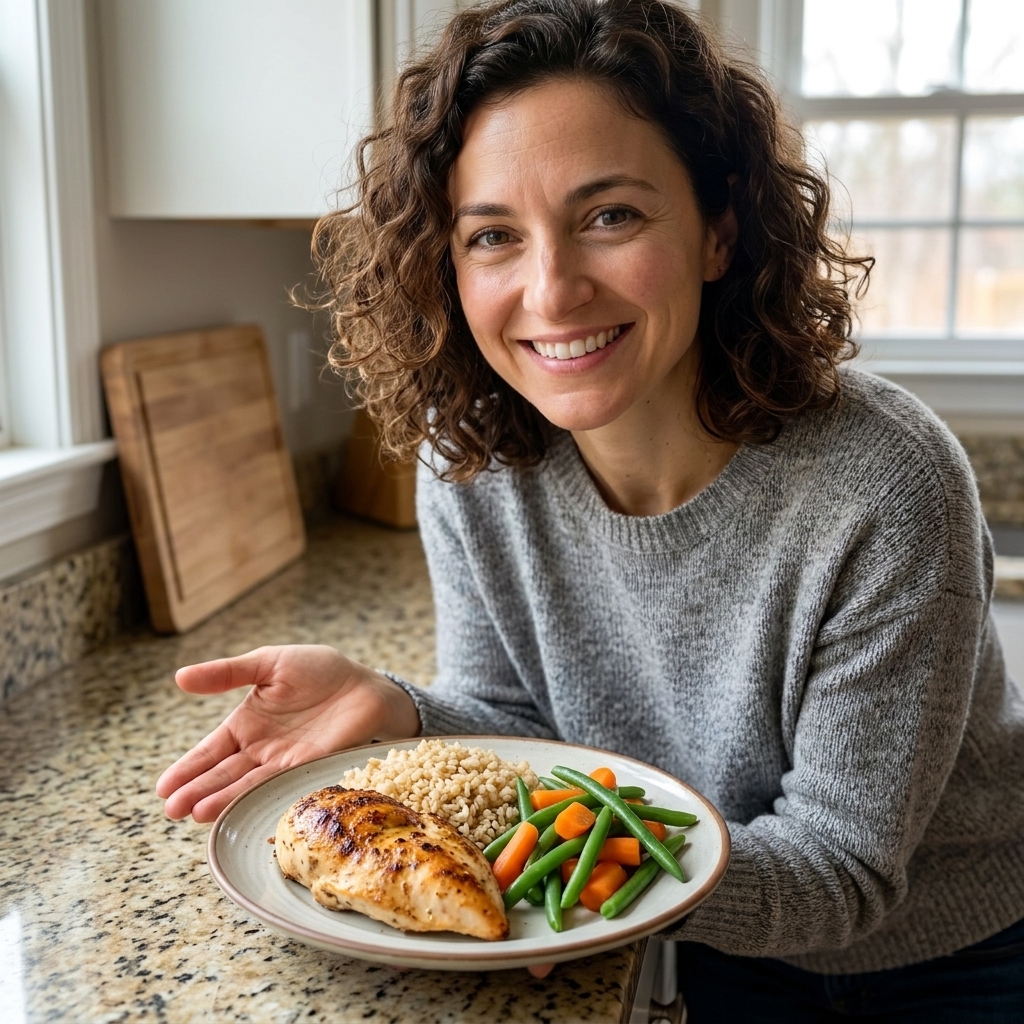
It’s exactly what it sounds like. You use your plate as a portion guide: half non-starchy veggies, a quarter protein, a quarter high-fiber carbs, then add a little healthy fat for satisfaction and staying power. No apps, no calculators, no food guilt.

What is the Healthy Plate Method?
The “Healthy Plate Method” is a common, public health style way to build balanced meals using a simple visual. You’ll see similar ideas in resources like Harvard’s Healthy Eating Plate and the USDA’s MyPlate.
The goal is not perfect macros. The goal is a meal that reliably supports your energy, digestion, and fullness.
Here is the basic visual:
- 1/2 plate: non-starchy vegetables (and fruit can join the party too)
- 1/4 plate: protein
- 1/4 plate: complex, high-fiber carbohydrates
- Plus: a small amount of healthy fat and a beverage (often water)
Think of it as plate empathy, meaning you’re building a meal that actually meets you where you are: hungry, busy, and needing something that feels good and works.
Why this works
It supports fullness
Half a plate of veggies adds volume, fiber, and water, which helps you feel satisfied. Protein and healthy fats also help you stay full longer, so you’re not prowling the kitchen an hour after dinner.
It helps with steadier energy
Pairing carbohydrates with protein, fiber, and fat often supports a more gradual rise and fall in blood sugar. That matters for focus, mood, and that 3 pm snack emergency.
It’s flexible for real life
You can do this with a stir-fry, a burrito bowl, pasta night, or leftovers. It scales up and down based on your hunger, activity, and goals without you needing to memorize rules.
Build your plate
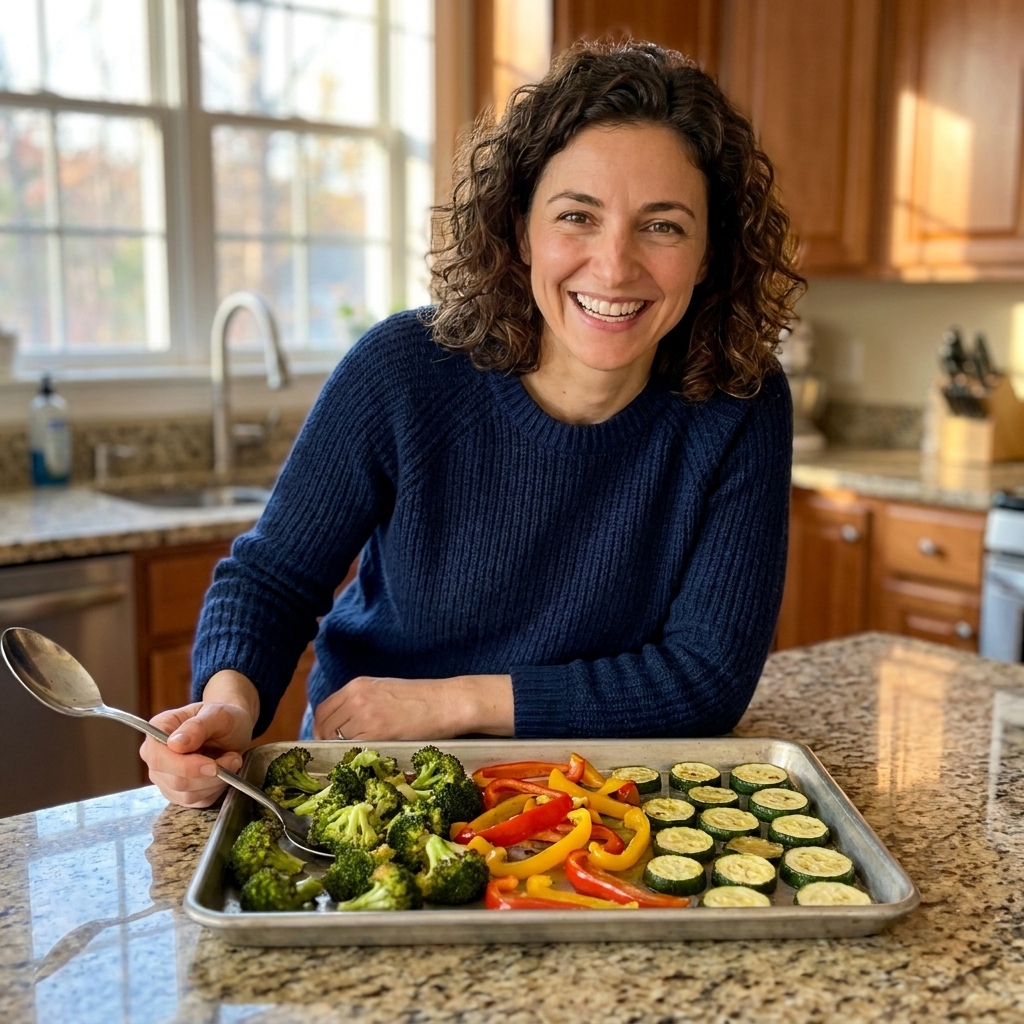
Step 1: Start with veggies
Choose non-starchy vegetables most of the time. They’re rich in vitamins, minerals, and fiber and generally lower in calories per bite.
Great options:
- Leafy greens (romaine, spinach, arugula)
- Crucifers (broccoli, cauliflower, Brussels sprouts, cabbage)
- Peppers, tomatoes, cucumbers, zucchini
- Mushrooms, green beans, asparagus
- Salad mixes, slaws, roasted veggie blends
Quick shortcut: Frozen vegetables totally count. Steam-in-bag broccoli and a drizzle of olive oil has saved more weeknights than I can count.
Step 2: Add protein
Protein supports muscle repair, immune function, and fullness. Aim for a portion that fits about the size of your palm for many adults, then adjust based on your needs and appetite.
Easy proteins:
- Chicken, turkey, lean beef, pork tenderloin
- Fish and seafood (salmon, tuna, shrimp)
- Eggs or egg whites
- Greek yogurt, cottage cheese
- Tofu, tempeh, edamame
- Beans and lentils
Budget-friendly picks: eggs, beans, lentils, canned tuna or salmon, and plain Greek yogurt are some of the best “cheap and cheerful” options.
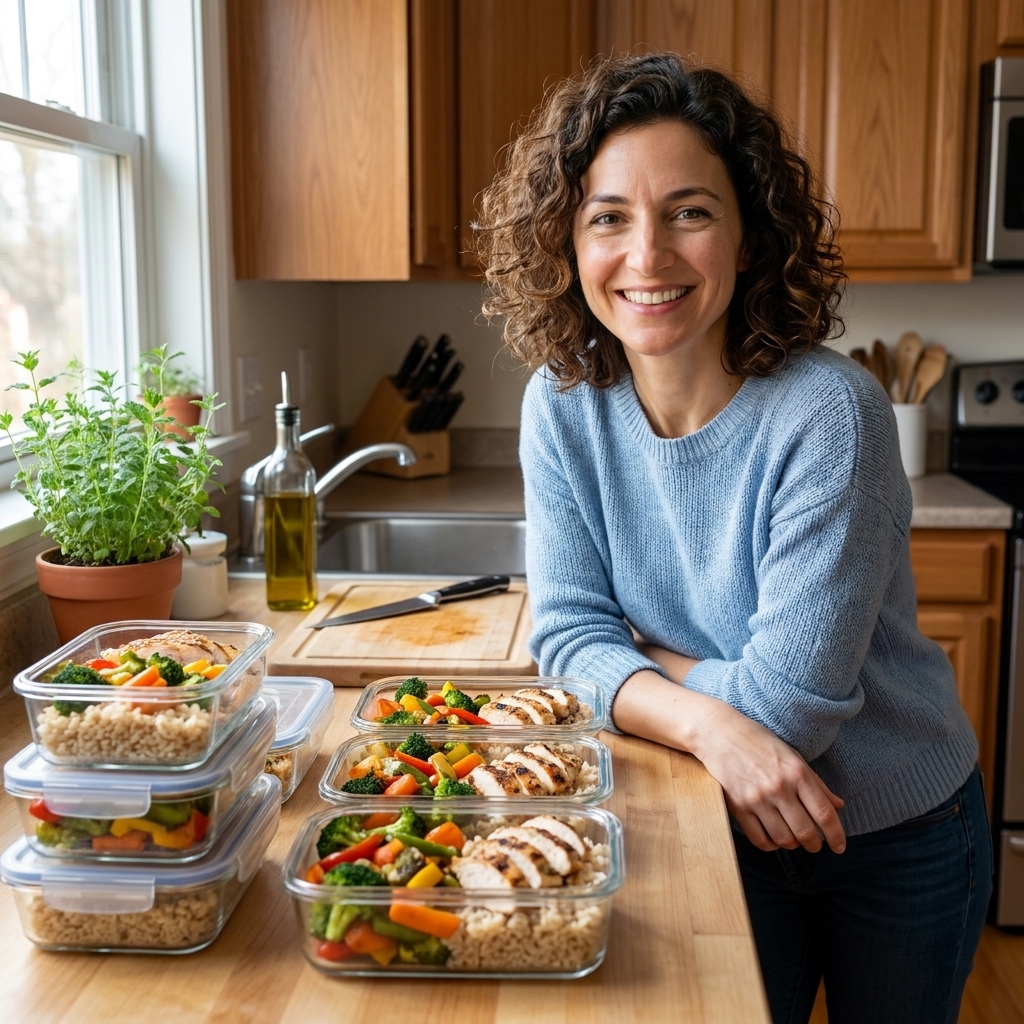
Meal prep tip: Batch-cook one or two proteins on Sunday (like shredded chicken and roasted tofu). Weeknight dinners become mix-and-match instead of start-from-scratch.
Step 3: Choose a high-fiber carb
Carbs aren’t the enemy. They’re a primary fuel source, especially on active days. The plate method simply nudges you toward carbs with more fiber and nutrients.
Smart carb choices:
- Brown rice, quinoa, farro, barley
- Whole wheat pasta, whole grain bread
- Oats
- Starchy vegetables (potatoes, sweet potatoes, corn, peas)
- Fruit (great as a side or dessert)
- Beans and lentils (they can cover part of the carb section too)
If you’re thinking, “But pasta?” Yes. Pasta can fit beautifully: anchor it with a big veggie base and a protein add-in.
Step 4: Add a little healthy fat
Fat helps you absorb fat-soluble vitamins (A, D, E, K) and it makes meals satisfying. The key is amount and type, not fear.
Healthy fat add-ons:
- Olive oil or avocado oil
- Avocado slices or guacamole
- Nuts and seeds (walnuts, almonds, pumpkin seeds, chia)
- Nut butter
- Olives
- Fatty fish (salmon counts here too)
In practical terms, think: a drizzle of oil, a small handful of nuts, a spoonful of tahini, or a few avocado slices.
Real-life note: sauces and cheeses can absolutely be part of a balanced plate. They can also add a lot of sodium and calories quickly, so a lighter hand goes a long way, especially with jarred sauces, dressings, and seasoning packets.
Real-life examples
Taco bowl night
- 1/2 plate: fajita peppers and onions, shredded lettuce, salsa
- 1/4 plate: seasoned turkey or black beans
- 1/4 plate: brown rice or corn tortillas
- Fat: avocado or a sprinkle of cheese
Quick tweak: If you’re using a packet seasoning or a salty salsa, you can keep sodium in check by using a little less and adding extra lime, cilantro, or hot sauce for punch.
Simple salmon dinner
- 1/2 plate: roasted asparagus and a side salad
- 1/4 plate: baked salmon
- 1/4 plate: quinoa or roasted potatoes
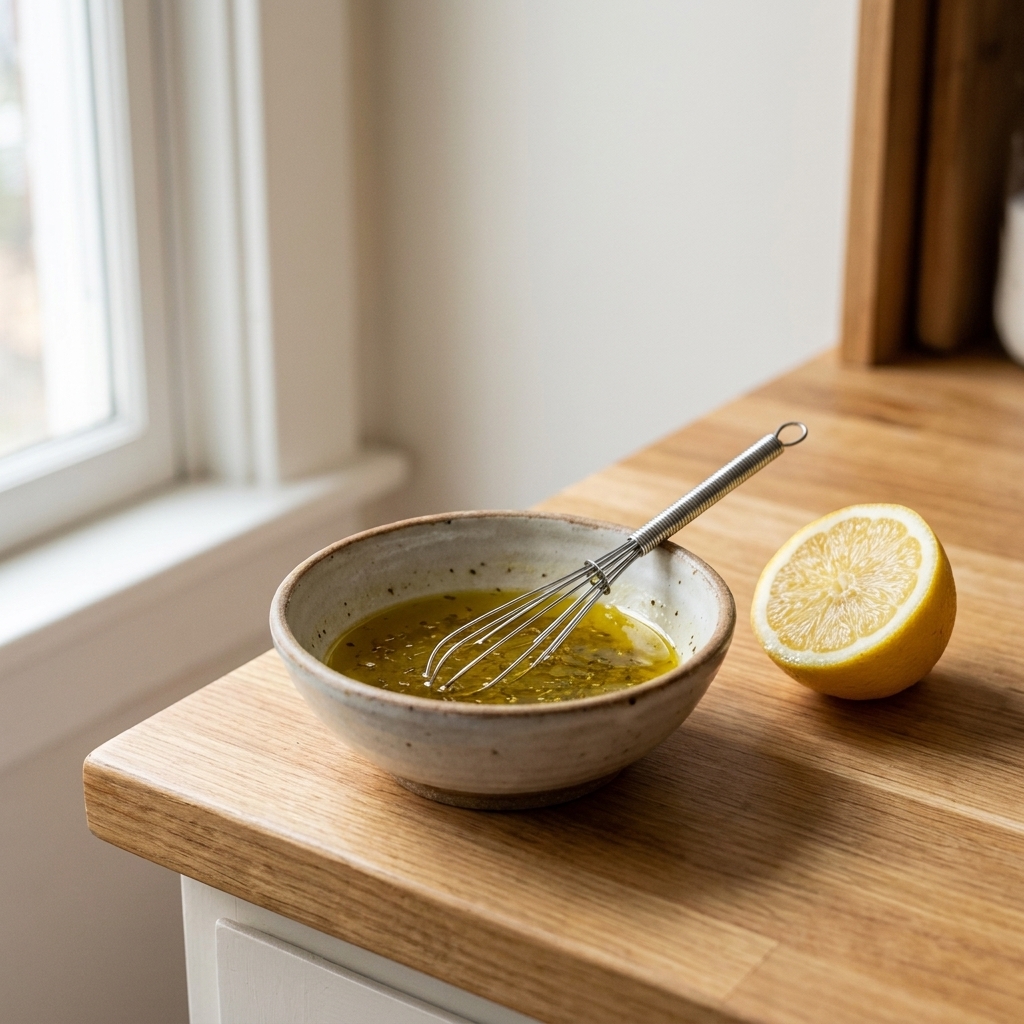
- Fat: olive oil vinaigrette or a lemon herb drizzle
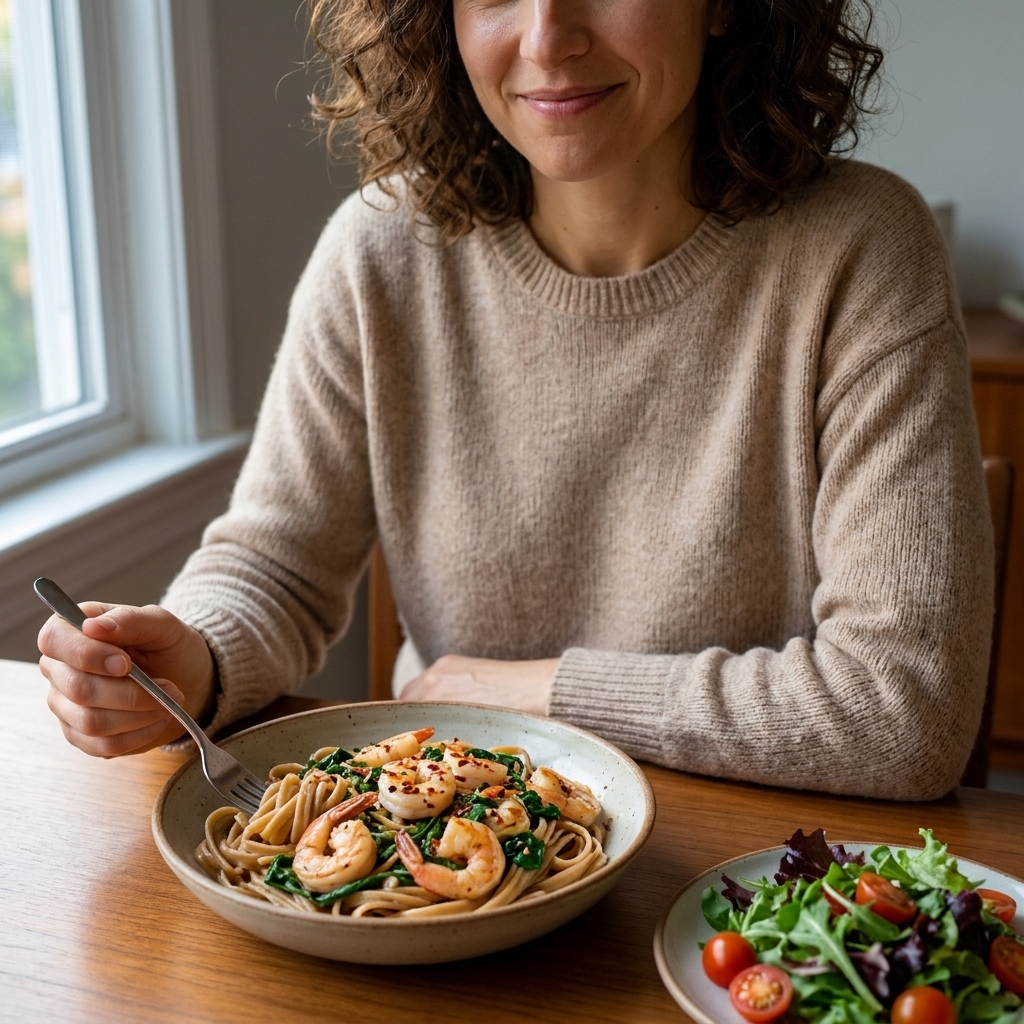
Pasta that still feels balanced
- 1/2 plate: sautéed zucchini, spinach, mushrooms (or a big salad)
- 1/4 plate: chicken, shrimp, lentils, or turkey meatballs
- 1/4 plate: whole wheat pasta
- Fat: pesto or olive oil, plus parmesan if you love it
Breakfast counts too
The plate method works at breakfast too, even if you’re not eating off a literal plate.
Try these:
- Greek yogurt bowl: yogurt (protein) + berries (produce) + oats or granola (carb) + nuts or chia (fat)
- Eggs and toast: eggs (protein) + sautéed spinach and tomatoes (produce) + whole grain toast (carb) + avocado (fat)
- Smoothie: protein (Greek yogurt, milk, soy milk, or protein powder) + fruit and spinach (produce) + oats (carb) + peanut butter (fat)
If dairy isn’t your thing, that’s fine. Calcium-fortified soy milk or yogurt-style alternatives can play a similar role, and you can also get calcium from foods like canned salmon with bones, calcium-set tofu, and leafy greens.
Adjust for your needs
If you’re very active
You may need a bit more carbohydrate and overall volume. Keep the same structure, then add an extra carb portion or a snack that includes carbs plus protein (like a banana with peanut butter, or yogurt with granola).
If you’re managing blood sugar
The plate method is a strong starting point. Prioritize non-starchy veggies, choose higher-fiber carbs, and include protein at meals and snacks. If you have diabetes or take glucose-lowering medication, individual guidance from your healthcare team is important.
If you’re vegetarian or vegan
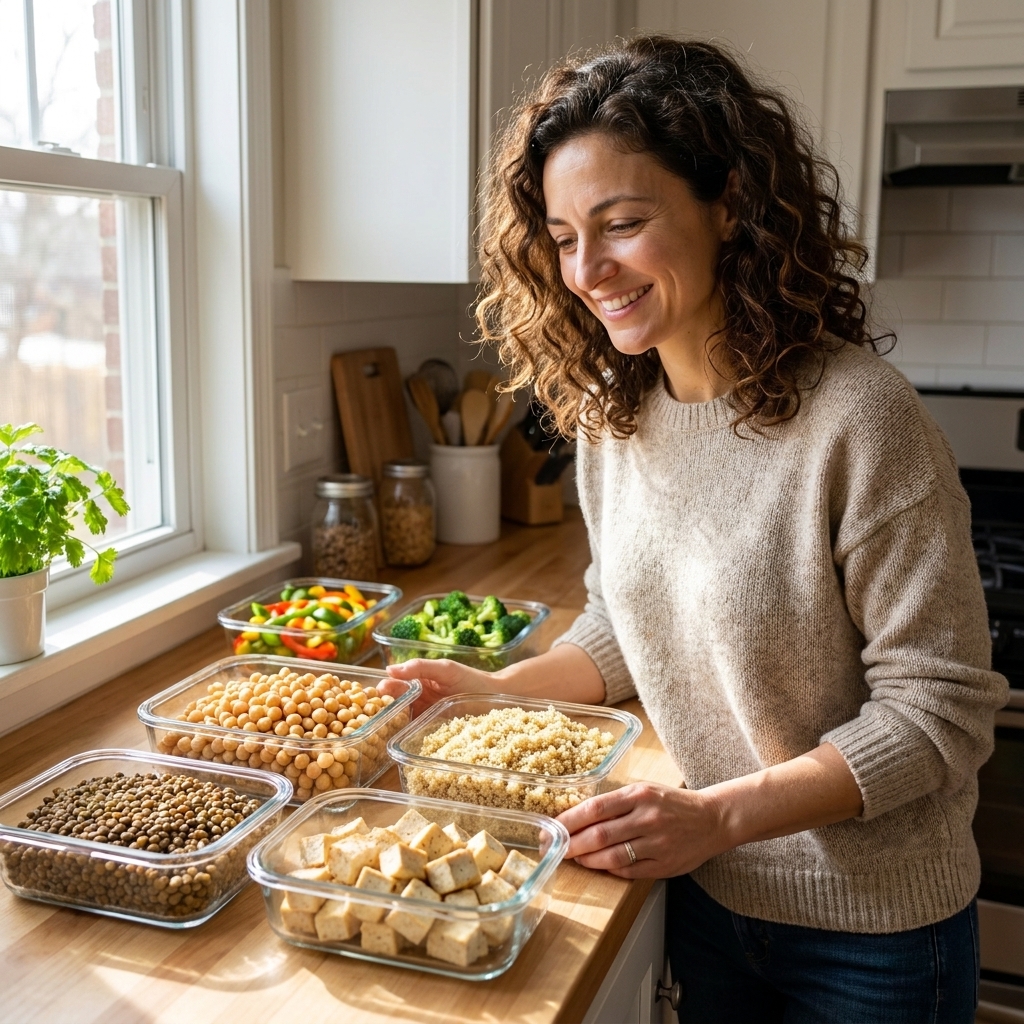
Totally doable. Make protein the star of your quarter plate with tofu, tempeh, edamame, beans, lentils, or a soy-based yogurt. Many plant proteins come with carbs, so you can flex portions based on hunger.
If you’re trying to lose weight
Instead of shrinking everything, start by making the veggie half of the plate truly generous and keep protein steady. Often, that simple change improves fullness while gently lowering calorie density.
Common roadblocks
“I don’t have time to cook vegetables.”
Use shortcuts: bagged salad kits (add your own protein), frozen veg, pre-cut stir-fry mixes, baby carrots, cherry tomatoes, microwave-steam veggies.
“My meal is a sandwich. Where do the sections go?”
Think “plate” as a concept. Pair the sandwich (carb + protein) with a big side of veggies (salad, raw veggies, veggie soup) and add a healthy fat if needed (avocado on the sandwich, olive oil dressing).
“I’m still hungry after dinner.”
First, check protein. Many people under-serve protein without realizing it. Next, add a bit more carb or fat, especially if you had an active day. Hunger is information, not a personal failing.
“My family won’t eat half a plate of vegetables.”
Start with what’s realistic. Aim for a vegetable presence at every dinner, then build from there. Roasting brings out sweetness, and adding a sauce (pesto, tahini, salsa, yogurt-based ranch) helps a lot.
A gentle note on portions
The plate method gives structure, but your body isn’t a robot. Some days you’ll want more carbs. Some days you’ll want more protein. Kids, teens, pregnant people, athletes, and folks recovering from illness often need different amounts.
If your plate is balanced most of the time and you’re eating in a way that feels satisfying and sustainable, you’re doing this right.
Quick FAQ
Does fruit count as the veggie half?
Fruit is a fantastic choice, but it’s not a one-for-one swap with non-starchy vegetables. If you can, aim for mostly vegetables in the half-plate and let fruit be a side, snack, or dessert. If fruit is what you have access to today, it’s still a nourishing choice.
Where do sauces and condiments fit?
They typically fall into the “fat and flavor” category. A little can make healthy meals more enjoyable, which matters for consistency. Watch portions for calorie-dense sauces, and keep an eye on sodium in things like jarred pasta sauce, dressing, soy sauce, and seasoning packets. When you can, balance them with lighter options (salsa, lemon, vinegar-based dressings, Greek yogurt sauces).
Do I need to use a specific plate size?
No, but a standard dinner plate (around 9 to 10 inches) makes the visual easiest. If your plates are very large, the portions can unintentionally creep up.
Is this the same as MyPlate?
It’s related, but not identical. MyPlate emphasizes fruits, vegetables, grains, protein, and dairy. This approach is often taught with a stronger focus on non-starchy vegetables, high-fiber carbs, and healthy fats, with water as a common default beverage.
60-second checklist
- Did I include color? (Some produce, ideally a veggie)
- Did I include protein? (So I stay full)
- Did I include a fiber-forward carb? (Energy that lasts)
- Did I add a little fat or flavor? (So it actually tastes good)
If you want, pick one dinner this week to try the plate method. Just one. Plate empathy says we start where we are, not where we think we “should” be.