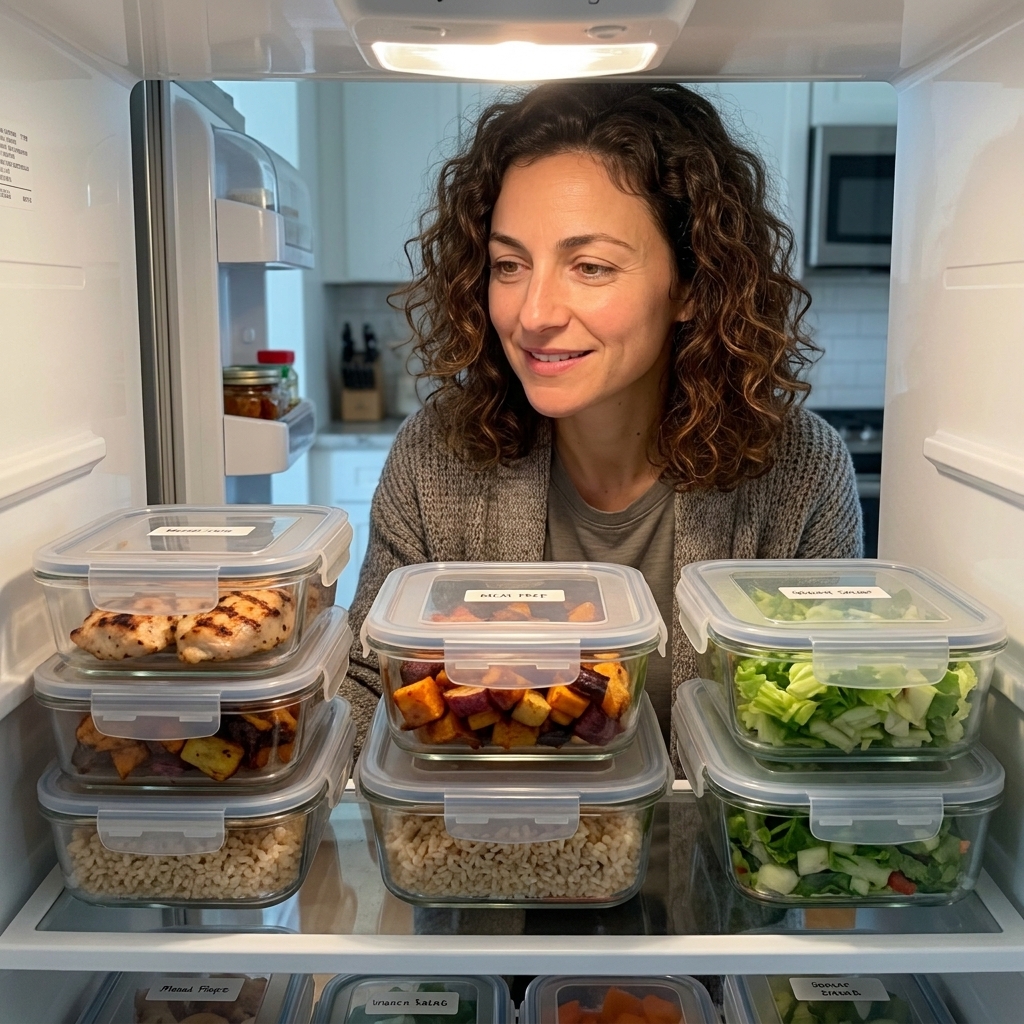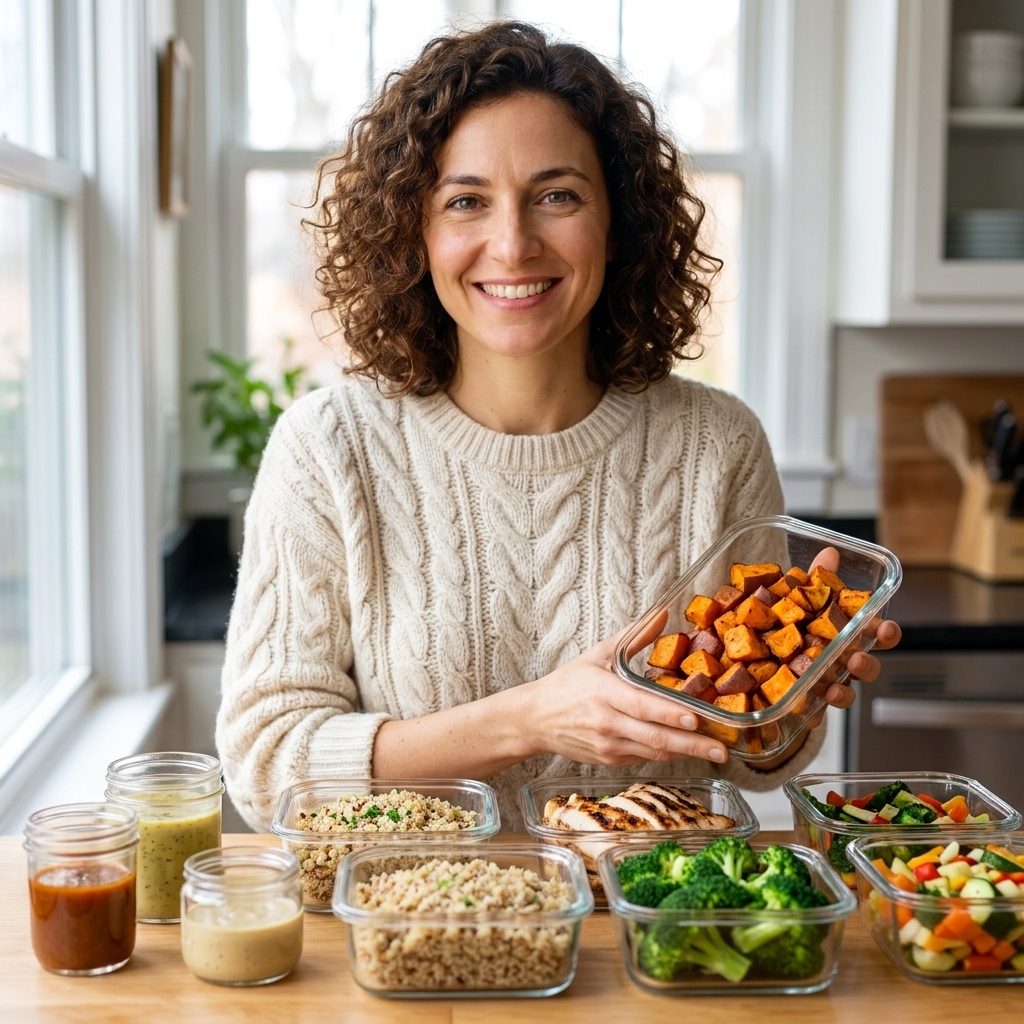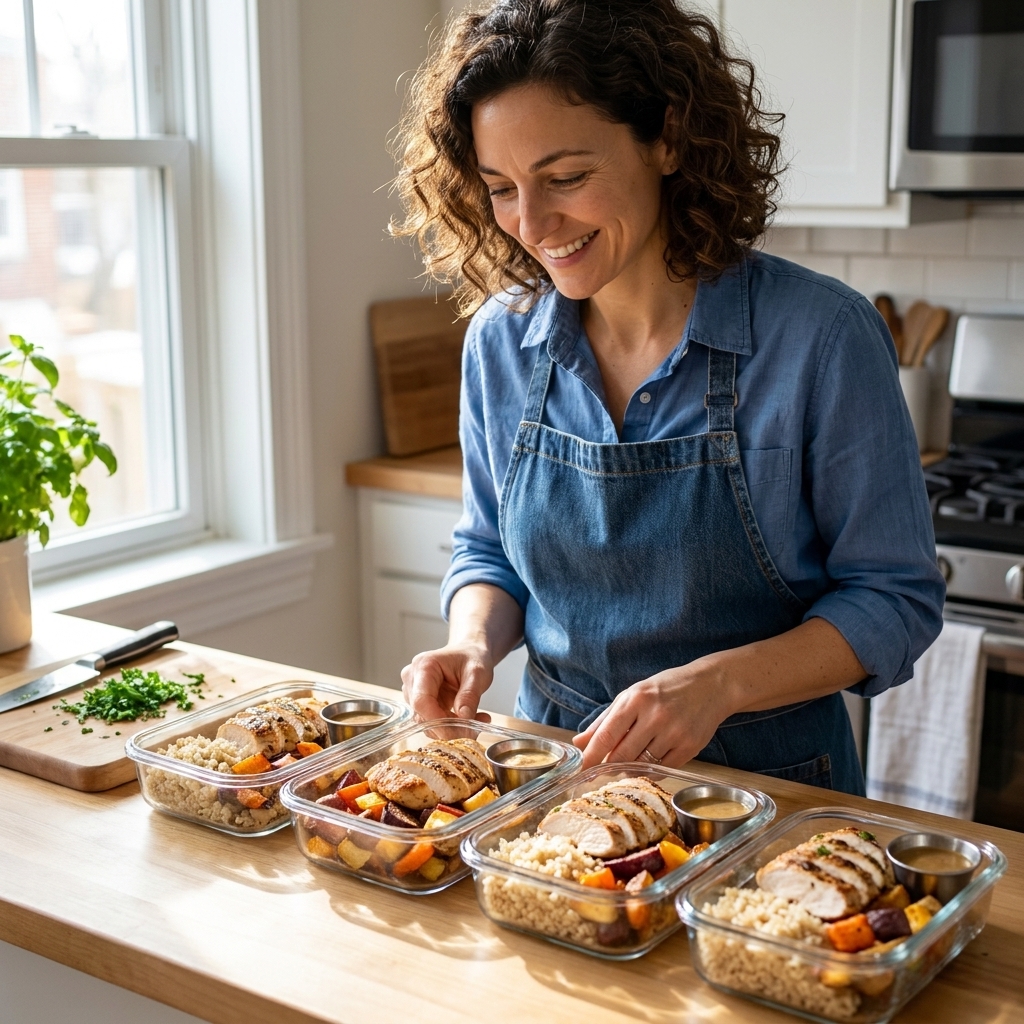
Make high-protein eating easy for a full week. This beginner meal prep guide includes simple recipes, mix-and-match meals, a streamlined shopping list, and f...
Platepathy
Top 10 Plant-Based Protein Sources for Easy, Affordable Meal Planning
Build satisfying plant-based meals on a budget with these 10 protein staples. Includes simple prep tips, storage guidance, and flexible meal ideas.

Elena Rossi
Elena Rossi is a Registered Dietitian and meal prep expert who believes that healthy eating shouldn't feel like a second job. Through Platepathy, she translates complex nutrition science into approachable, delicious meal plans designed for real, busy lives.
Published October 18, 2026
Last updated October 18, 2026
If you have ever stood in your kitchen at 5:47 PM thinking, “I need dinner, I need protein, and I need it yesterday,” this is for you. Plant-based protein can be both affordable and low-effort when you stock a few flexible staples and learn the quickest ways to prep and store them.
Below are my go-to plant proteins for real life meal planning: minimal ingredients, forgiving cook times, and leftovers that actually taste good the next day.
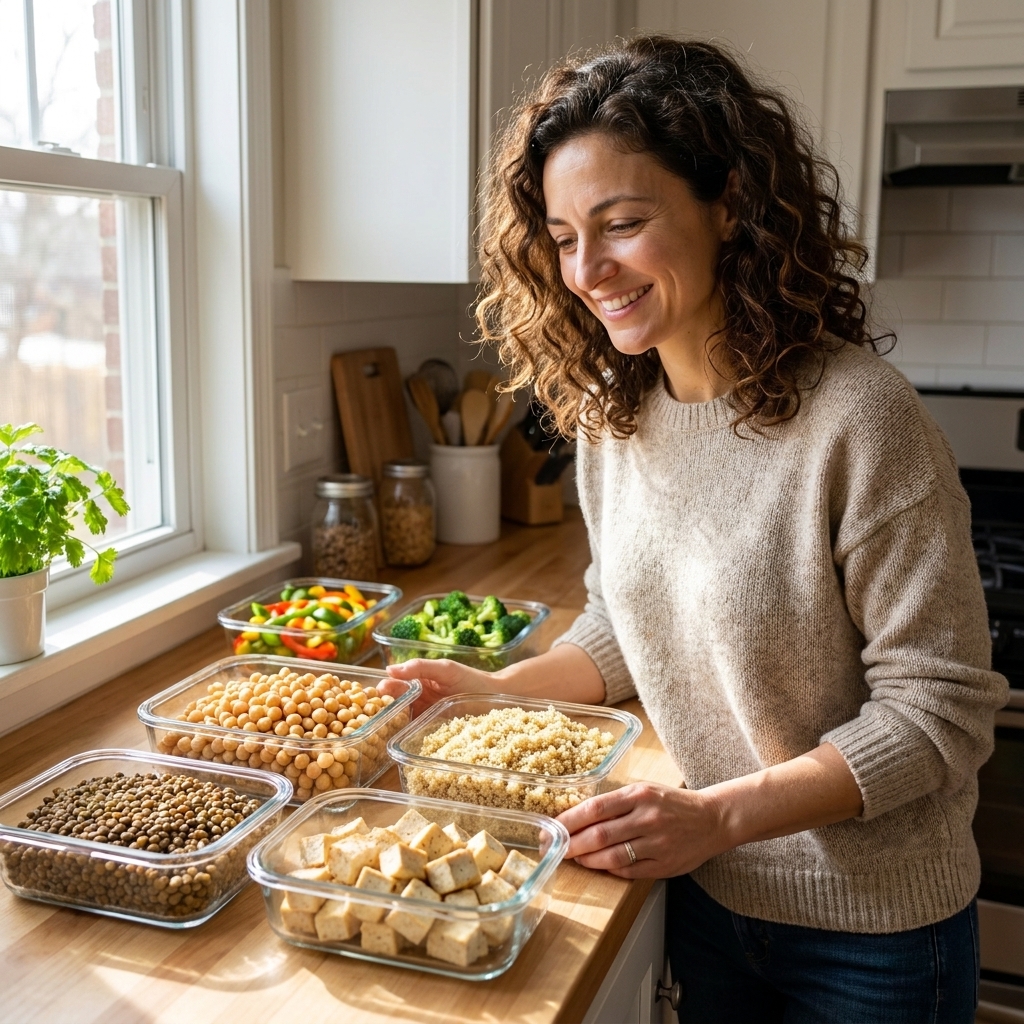
How to make plant protein easy
- Think building blocks, not recipes. Cook one or two proteins, one grain, and a tray of vegetables. Mix and match all week.
- Use the double-duty rule. If you cook it, plan for it to appear in at least two meals (example: lentils become tacos and a soup).
- Aim for a satisfying protein target. Many people feel good around 20 to 30 grams of protein per meal, but needs vary by body size, age, and activity. Most people get there by combining foods (beans + rice, tofu + edamame, soy yogurt + nuts).
- Lean on the freezer. Frozen edamame, shelled soybeans, peas, and veggie burgers are lifesavers for busy nights.
Quick heads-up on allergies: soy (tofu, tempeh, edamame, soy milk/yogurt) and gluten (seitan) show up a lot below. If you avoid either, lean more on beans, lentils, split peas, quinoa, and seeds like pumpkin or hemp.
Top 10 plant-based protein sources
1) Lentils (brown, green, red)
Why I love them: Lentils are one of the most budget-friendly proteins and they cook fast. They are rich in fiber (plus some iron), which helps meals feel filling and steady.
Easy prep: Simmer brown or green lentils 20 to 30 minutes until tender. Red lentils cook in about 10 to 15 minutes and break down, perfect for soups and sauces.
Meal ideas:
- Lentil taco filling with onions, cumin, and a splash of salsa
- Red lentil curry with frozen spinach
- Lentil bolognese over pasta or spaghetti squash
Storage: Cooked lentils typically keep 4 to 5 days refrigerated in an airtight container and freeze well up to 3 months. Tip: freeze flat in zip-top bags so it thaws quickly.
2) Chickpeas (canned or cooked from dry)
Why I love them: Chickpeas are neutral, sturdy, and show up in everything from salads to stews. Canned chickpeas are a true weeknight shortcut.
Easy prep: For canned, drain, rinse (especially if you are watching sodium), and dry well if roasting. For dry, soak overnight (or quick-soak) and simmer until tender.
Meal ideas:
- Sheet pan chickpeas with paprika and broccoli, served over rice
- Chickpea salad sandwiches (mash with mustard, diced celery, pickles)
- Quick hummus with olive oil, lemon, garlic, and tahini
Storage: Cooked chickpeas typically keep 4 to 5 days in the fridge. For meal prep, store roasted chickpeas separately and re-crisp in the oven or air fryer for best texture.

3) Black beans
Why I love them: Black beans are hearty and pair beautifully with rice, sweet potatoes, eggs (if you eat them), or vegetables. They are also an easy way to boost protein and fiber at the same time.
Easy prep: Canned is perfectly fine. Warm with a pinch of salt, cumin, and lime. If using dry, batch-cook a big pot and freeze in meal-sized portions.
Meal ideas:
- Black bean burrito bowls with frozen corn and avocado
- 5-minute black bean soup (with canned or pre-cooked beans; blend part of the pot for creaminess)
- Loaded baked sweet potatoes with black beans and salsa
Storage: Refrigerate 4 to 5 days. Freeze up to 3 months with a bit of cooking liquid to prevent drying out.
4) Tofu (extra-firm, firm, silken)
Why I love it: Tofu is a high-protein plant staple, and it takes on whatever flavors you throw at it. Extra-firm tofu is meal prep gold because it holds up for several days.
Easy prep: For extra-firm tofu, press (or just pat dry) and cube. Bake at 400°F (205°C) for 25 to 30 minutes, or pan-sear. Silken tofu blends into sauces, smoothies, and creamy soups.
Meal ideas:
- Tofu stir-fry with frozen stir-fry veggies and bottled sauce
- Crispy tofu tacos with slaw
- Silken tofu blended into a high-protein pasta sauce
Storage: Cooked tofu typically keeps about 3 to 4 days refrigerated. If you open a block and are not using it all, cover with water in a container and change the water daily.
5) Tempeh
Why I love it: Tempeh is a fermented soy food with a firm bite and a nutty flavor. It is protein-dense and stands up well in meal prep, meaning it stays pleasantly chewy, not soggy.
Easy prep: If you find tempeh tastes bitter, steam for 5 to 10 minutes first to mellow it, then slice and pan-sear with soy sauce, maple, and garlic.
Meal ideas:
- Tempeh “BLT” wraps with lettuce and tomato
- Crumbled tempeh for chili
- Tempeh bowls with peanut sauce and cucumbers
Storage: Cooked tempeh typically lasts about 4 days in the fridge. It also freezes well after cooking.
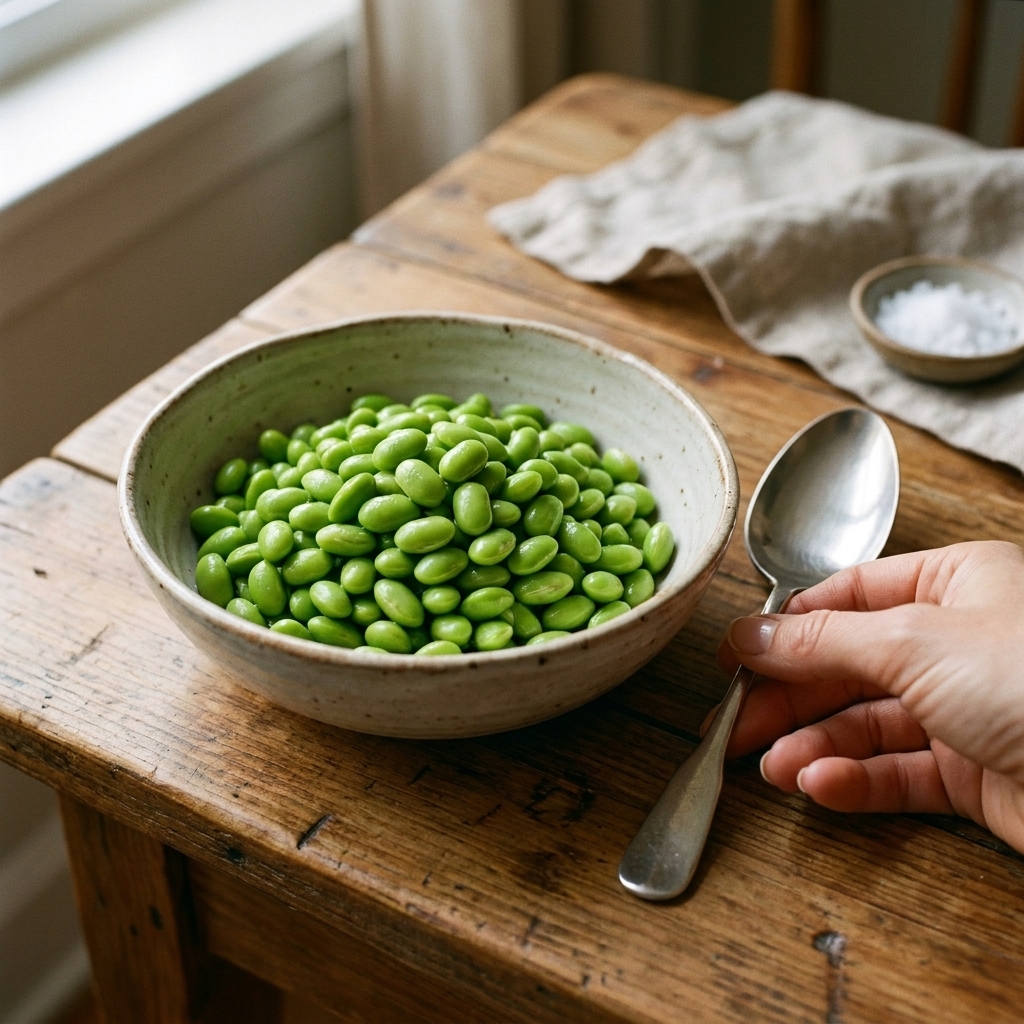
6) Edamame (frozen shelled or in pods)
Why I love it: Edamame is the definition of fast protein. It is also kid-friendly and adds color and texture to bowls and salads.
Easy prep: Microwave or boil for 3 to 5 minutes. Toss shelled edamame into rice, noodles, soups, or salads.
Meal ideas:
- Sesame edamame noodles with cucumbers
- Fried rice with edamame and scrambled egg or tofu
- Big salad topped with edamame, carrots, and ginger dressing
Storage: Keep frozen until needed. Cooked edamame typically lasts 3 to 4 days in the fridge.
7) Peanut butter and peanuts
Why I love them: Not every protein source has to be a main. Nut butters are affordable in many stores, shelf-stable, and helpful for boosting protein and calories for people who need more energy.
Easy prep: Stir into oats, blend into smoothies, whisk into sauces, or spread on toast with fruit.
Meal ideas:
- Peanut sauce (peanut butter + soy sauce + lime + water) over tofu bowls
- Overnight oats with peanut butter and chia
- Apple slices with peanut butter for an after-school snack
Storage: Shelf-stable. Natural peanut butter may separate, just stir and store with the lid tightly closed.
8) Hemp hearts and chia seeds
Why I love them: These are small but mighty add-ins that can bump protein without changing your whole meal plan. Think of them as a few extra grams that stack up over a week, not a substitute for beans or tofu.
Easy prep: Sprinkle on oatmeal, yogurt, salads, or blend into smoothies. Chia can be used for chia pudding or as a thickener in smoothies.
Meal ideas:
- Greek-style plant yogurt with berries, hemp hearts, and granola
- Chia pudding made with soy milk and cinnamon
- Salad topper: hemp hearts + pumpkin seeds + a pinch of salt
Storage: Keep in a cool pantry. For best freshness, refrigerate after opening, especially in warm climates.
9) Seitan (vital wheat gluten)
Why I love it: Seitan is one of the most protein-dense plant options. If you eat gluten, it can be an extremely convenient swap for chicken in wraps, stir-fries, and salads.
Easy prep: Store-bought seitan strips can be quickly sautéed. If you make it at home, cook once and use for multiple meals. If you are watching sodium, check labels since packaged seitan can vary a lot.
Meal ideas:
- Seitan fajitas with peppers and onions
- BBQ seitan sandwiches with slaw
- Stir-fry with teriyaki sauce and frozen vegetables
Storage: Refrigerate opened packages and use within 3 to 5 days, or freeze portions for up to 2 to 3 months.
10) Soy milk and soy yogurt
Why I love them: If you are dairy-free, soy milk and soy yogurt are some of the closest swaps in protein. They make breakfasts and snacks more filling without extra cooking.
Easy prep: Choose unsweetened or lightly sweetened most of the time, then add your own fruit or honey if desired. Protein varies by brand, so check labels if protein is the goal.
Meal ideas:
- Smoothie: soy milk + frozen berries + spinach + peanut butter
- Parfait: soy yogurt + fruit + hemp hearts
- Overnight oats made with soy milk for a higher-protein base
Storage: Keep unopened shelf-stable cartons in the pantry if applicable. Refrigerate after opening and use by the date on the package.
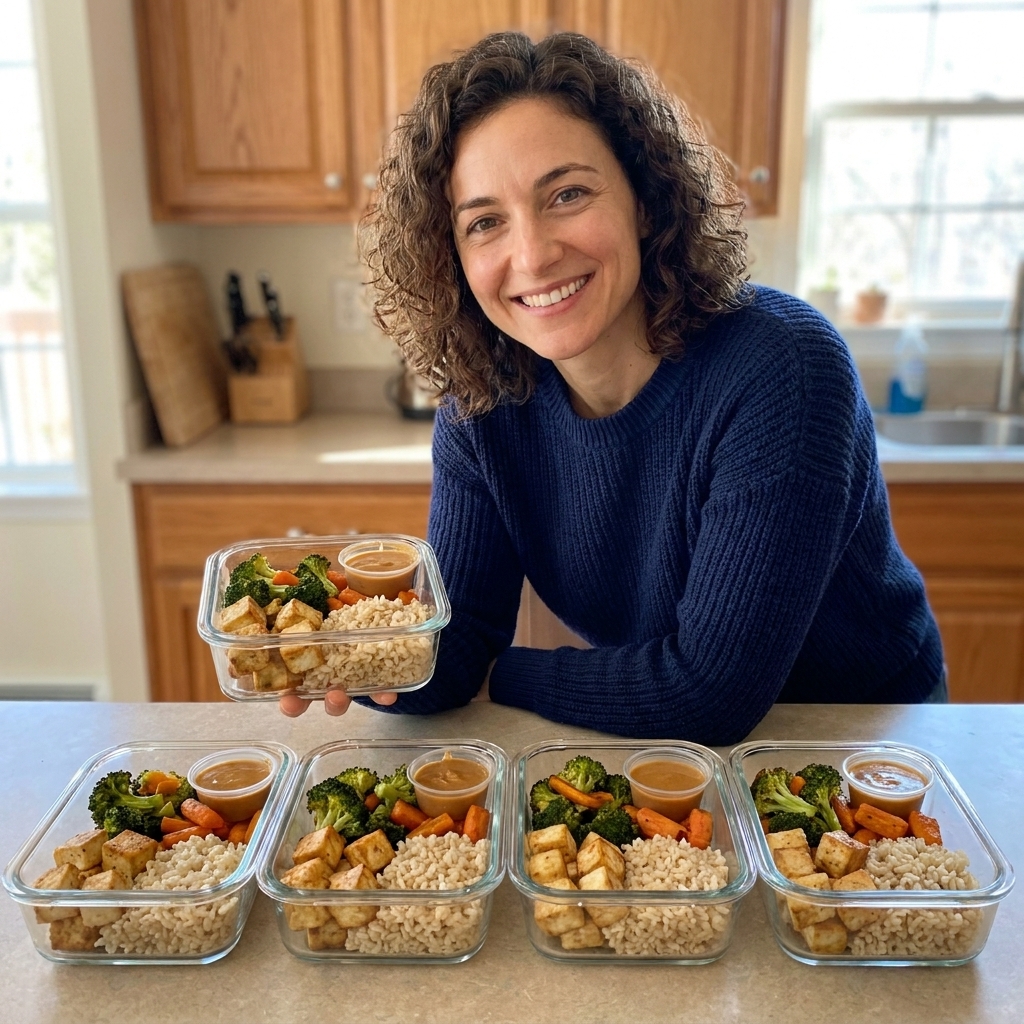
My no second job prep plan (60 minutes)
If you want a simple starting point, here is a weekly routine I use when life is chaotic:
- Protein: Bake a sheet pan of tofu and simmer a pot of lentils (or open two cans of beans if you are truly maxed out).
- Grain: Cook a pot of brown rice or quinoa.
- Vegetables: Roast two trays of vegetables (think broccoli + peppers, or carrots + zucchini).
- Sauce: Make one quick sauce: peanut-lime, lemon-tahini, or a simple vinaigrette.
Then mix and match into bowls, wraps, salads, and quick soups all week. The goal is not perfection. The goal is fewer decisions at 5:47 PM.
Storage and safety basics
- Most cooked beans and lentils: typically 4 to 5 days in the fridge, up to 3 months in the freezer.
- Cooked tofu and tempeh: typically about 3 to 4 days in the fridge.
- When in doubt: if it smells off, looks slimy, or tastes unusual, toss it.
- Smart labeling: a piece of masking tape with the cook date is not extra. It is future-you being kind.
Food safety guidance can vary by source and home fridge conditions, so if you prefer a strict standard, follow your local food-safety authority recommendations.
FAQ
Do I have to combine proteins at every meal to get complete protein?
No. Most people can meet their amino acid needs by eating a variety of plant foods across the day. If you love classics like beans and rice, they do complement each other, but you do not need to stress about perfect pairing at every bite.
What is the cheapest plant-based protein?
Dry beans and lentils are usually the best deal per serving. Canned beans cost a bit more but save time, and time matters too.
How can I boost protein without cooking more?
Add edamame to bowls, choose soy milk or soy yogurt (and check labels), sprinkle hemp hearts on breakfast, and keep canned beans ready to stir into soups, pasta, and salads.
A gentle reminder
Plant-based eating does not have to be all-or-nothing. You can build a satisfying, protein-rich pattern that fits your budget, your schedule, and your taste buds. Start with one staple this week, get comfortable, and then add another. That is plate empathy in action.