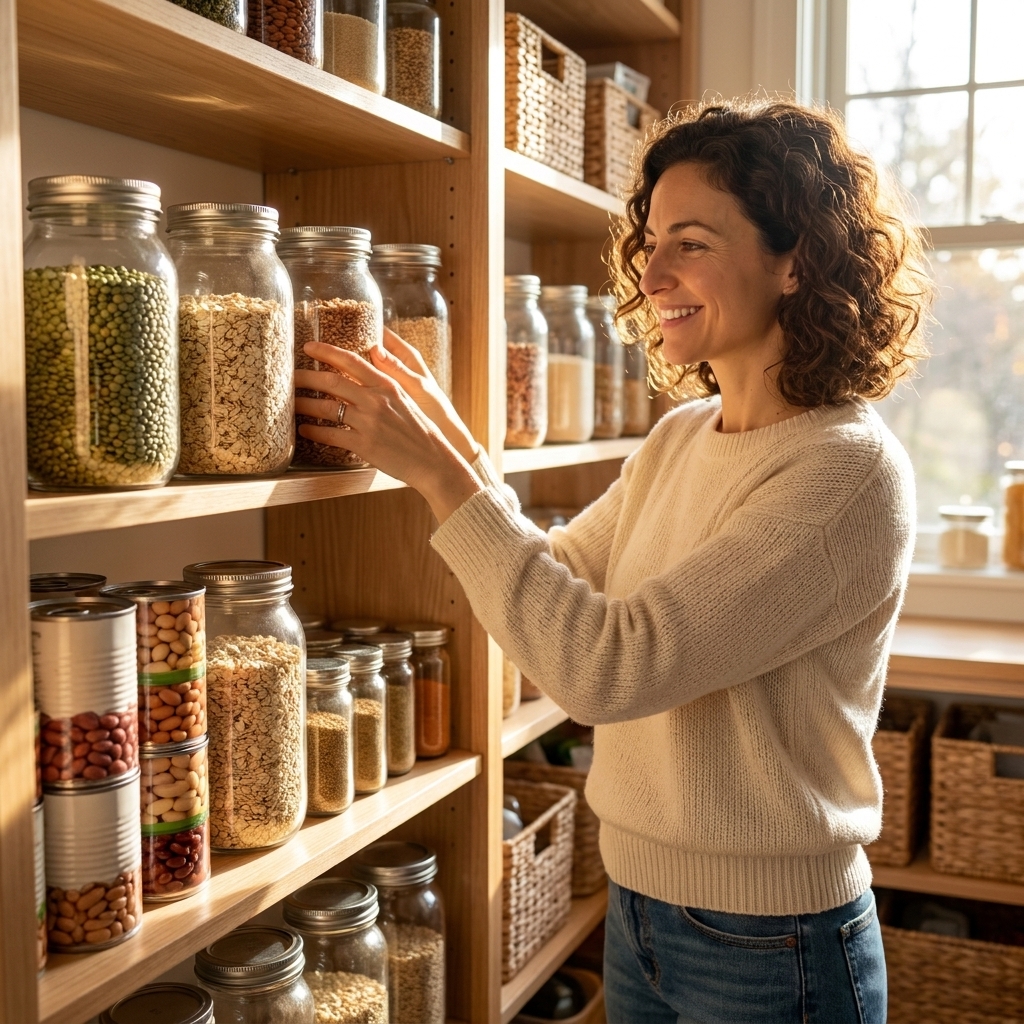
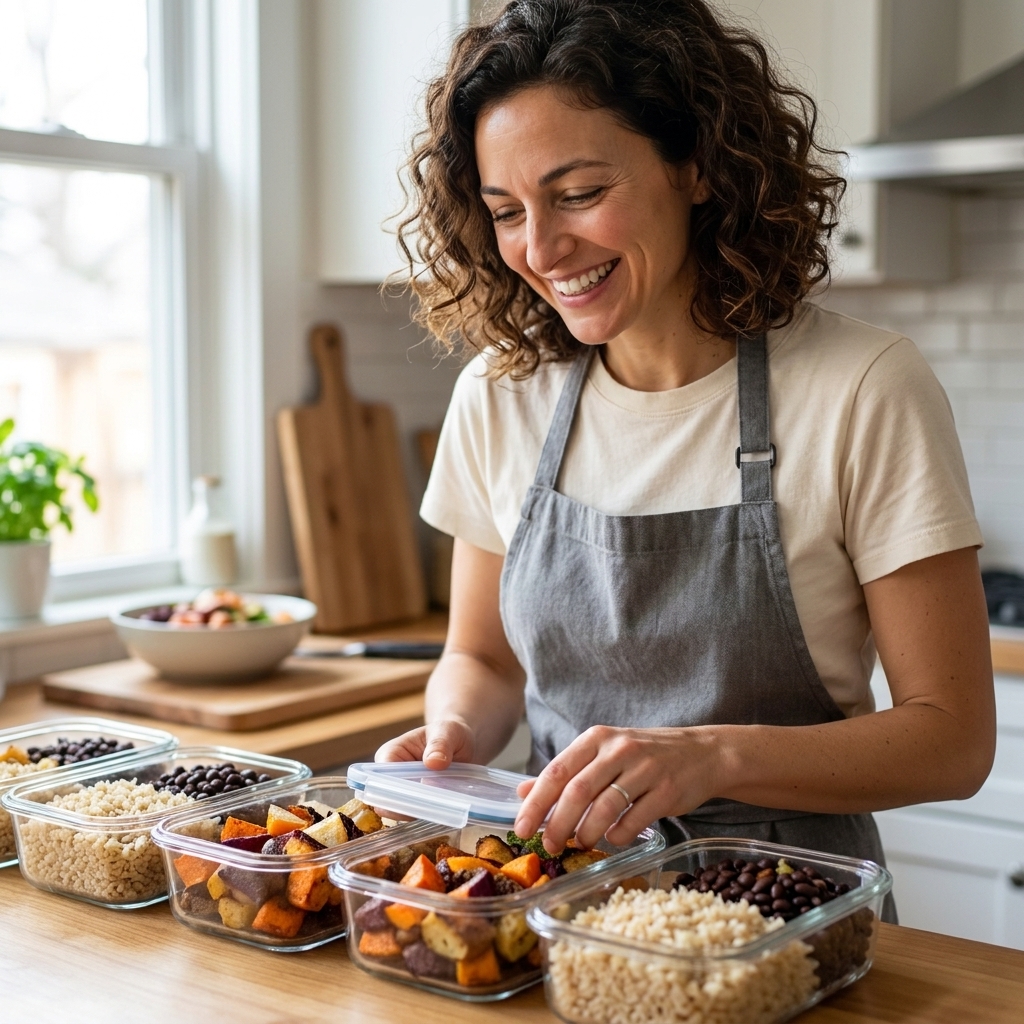
A no-math, no-stress guide to building balanced meals with half veggies, a quarter protein, and a quarter complex carbs, plus smart fats and flavor.
Platepathy
Weekly Meal Prep for Beginners
New to meal prep? Learn a simple, stress-free weekly system: pick easy recipes, shop once, prep in one session, store safely, and mix-and-match balanced meals all week.

Elena Rossi
Elena Rossi is a Registered Dietitian and meal prep expert who believes that healthy eating shouldn't feel like a second job. Through Platepathy, she translates complex nutrition science into approachable, delicious meal plans designed for real, busy lives.
Published October 18, 2026
Last updated October 18, 2026
Meal prep is not a personality trait. It is just a small set of habits that make weeknights easier. If you have ever stared into the fridge at 5:42 PM and wondered how dinner is supposed to materialize by 6, you are in the right place.
I used to be the exhausted project manager living on takeout and “start Monday” diets. Now I work in nutrition and I am a mom of two who still wants real food without turning Sunday into an all-day kitchen marathon. The goal here is plate empathy: set yourself up with balanced, satisfying options, then give yourself permission to keep it simple.

What meal prep means
Beginner meal prep works best when you define it in a way that fits your life. Here are the main “flavors” of meal prep. You can pick one and ignore the rest.
- Ingredient prep: Wash and chop produce, cook a grain, roast a sheet pan of veggies, and call it a win.
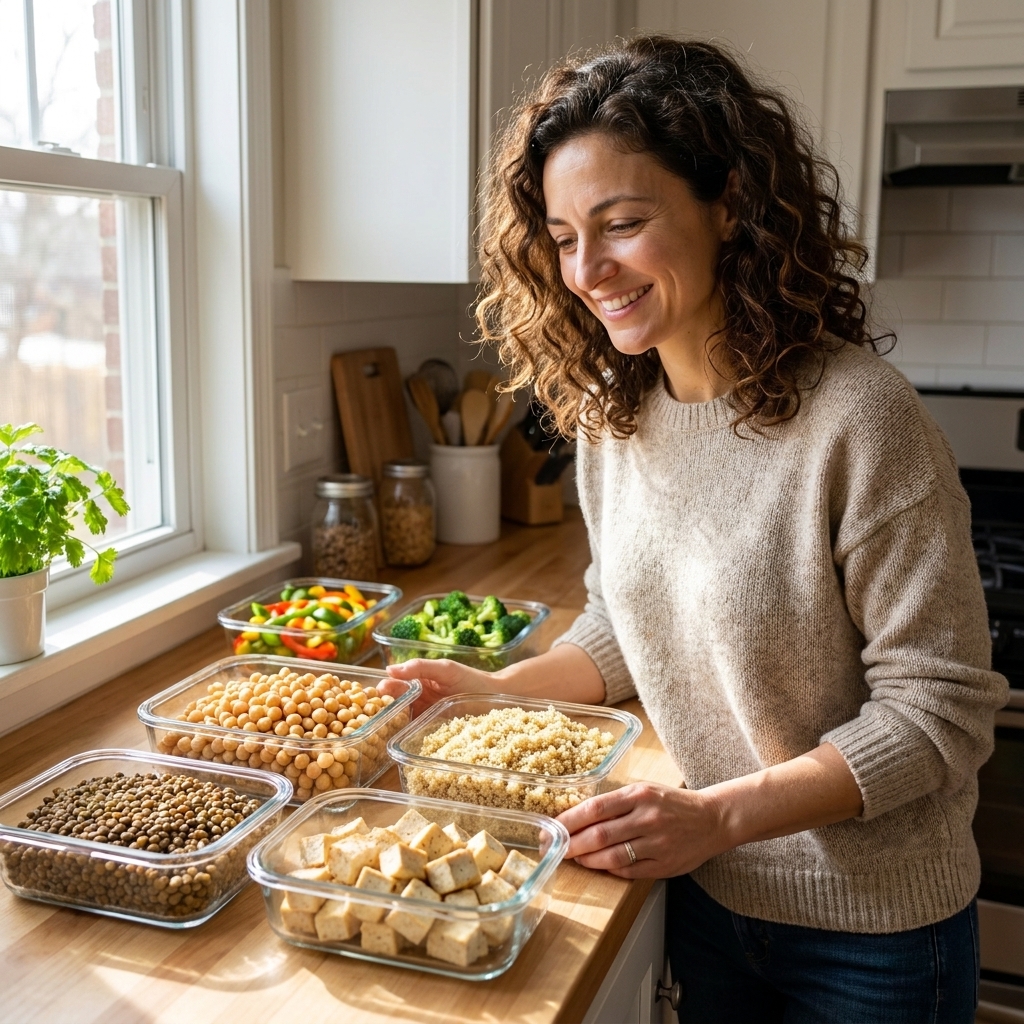
- Mix-and-match prep: Prep a few proteins, carbs, veggies, and sauces so you can assemble different meals fast.
- Full meals: Cook complete lunches or dinners in containers, ready to grab and heat.
- Prep the prep: Make a plan, shop, and portion snacks. Even that reduces weeknight stress.
What meal prep is not: rigid, all-or-nothing, or a requirement to eat the same thing five days in a row.
Start with your week
Before recipes, take 3 minutes to look at your calendar.
- Count your high-chaos nights: late meetings, kid sports, travel, anything that makes cooking harder.
- Choose your meal-prep target: dinners only, lunches only, or “just breakfasts plus snacks.”
- Pick a minimum win: for example, “two easy dinners covered” or “lunches for three workdays.”
As a rule: the smaller your first goal, the more likely you are to keep going.
The 3-3-1 formula
If decision fatigue is your biggest barrier, use this simple structure:
- 3 proteins (aim for at least one plant-based)
- 3 colorful plants (a mix of raw and cooked)
- 1 carb base (grain, potatoes, tortillas, pasta, or bread)
That is enough building blocks for bowls, wraps, salads, stir-fries, and quick plates all week.
Balanced plate shortcut: Aim for a protein + fiber-rich carb + color (produce) + a little fat for satisfaction. No macro math required.
Pick easy recipes
When you are new, choose recipes with:
- One cooking method (sheet pan, slow cooker, rice cooker, or one pot)
- Short ingredient lists you can re-use across meals
- Flexible seasoning (a base you can flavor differently)
- Leftover-friendly texture (stews, roasted veggies, shredded chicken, grains)
Beginner ideas
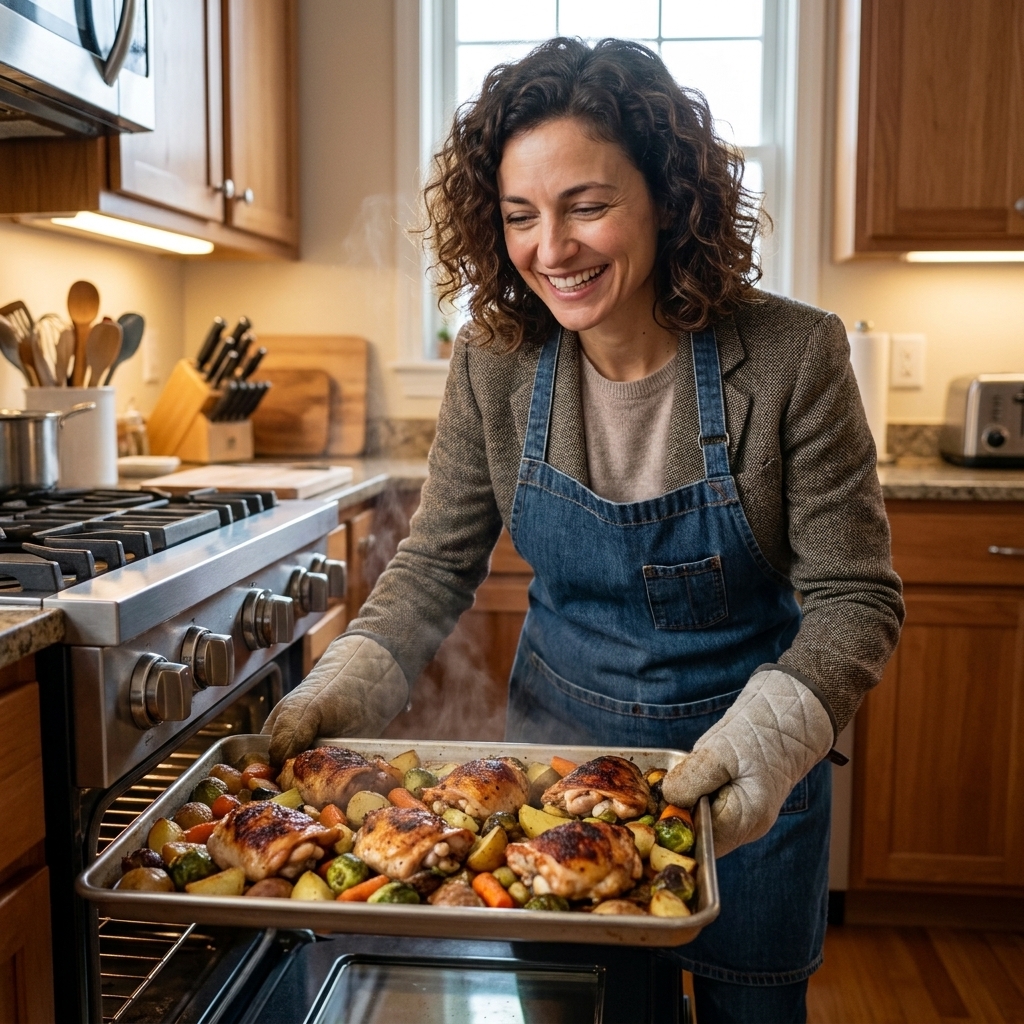
- Protein: sheet-pan chicken thighs, baked tofu, lentils, turkey meatballs, canned tuna or salmon mixed with Greek yogurt and mustard
- Plants: roasted broccoli, sautéed peppers and onions, shredded cabbage slaw, cucumber and tomato salad, baby spinach
- Carb base: brown rice, quinoa, potatoes, whole wheat pasta, tortillas, farro
- Flavor helpers: pesto, salsa, hummus, vinaigrette, tzatziki, peanut sauce
Build a smart grocery list
Meal prep gets expensive and chaotic when the list is too ambitious. Keep your first few weeks tight.
My no-stress list
- Proteins (2 to 3): chicken, eggs, Greek yogurt, tofu, beans, fish
- Plants (5 to 7 items): 2 sturdy veggies for roasting (broccoli, carrots), 2 salad or raw items (cucumbers, cherry tomatoes), 1 to 2 fruits, plus an “easy veg” (frozen green beans or spinach)
- Carbs (1 to 2): rice, quinoa, potatoes, tortillas, pasta, oats
- Fats and flavor: olive oil, nuts or seeds, cheese, avocado, sauces, herbs, citrus
- Convenience boosters: bagged salad, frozen veggies, rotisserie chicken, microwavable grains
Plate empathy permission slip: Convenience foods are not “cheating.” They are tools.
Schedule your prep
The biggest beginner mistake is waiting for “free time.” It rarely shows up. Pick one:
- One-session prep: 60 to 120 minutes once a week
- Split-session prep: 30 to 45 minutes twice a week (for example, Sunday and Wednesday)
A realistic 75-minute session
- 0 to 10 min: Start rice or quinoa. Preheat oven. Set out containers.
- 10 to 25 min: Chop veggies. Season protein.
- 25 to 50 min: Roast sheet pan meal. Simmer or sauté a second veggie if you want.
- 50 to 65 min: Make one quick sauce or dressing. Portion snacks.
- 65 to 75 min: Cool and pack food. Clean as you go.
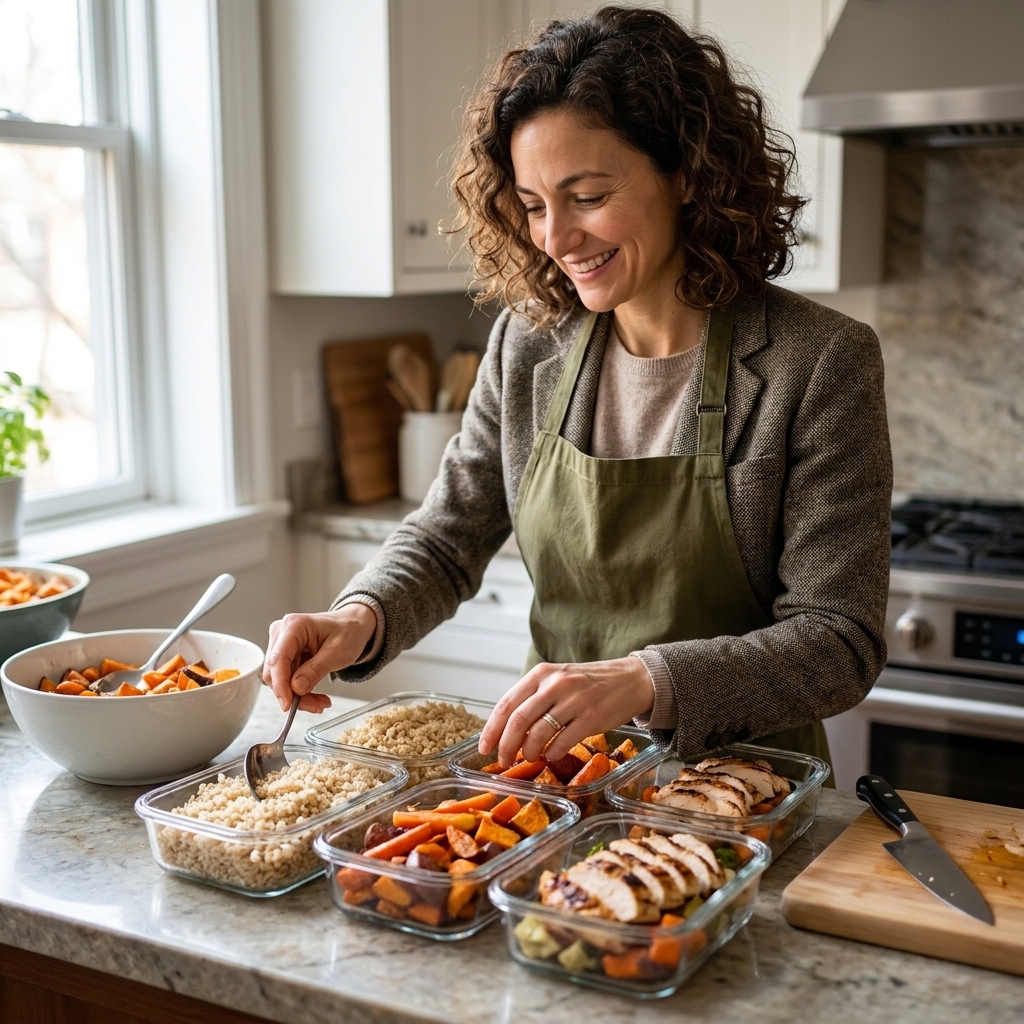
Your first prep
Step 1: Choose your 3-3-1
Example week:
- Protein 1: sheet-pan lemon garlic chicken
- Protein 2: baked tofu (same sheet pan, different corner)
- Protein 3: hard-boiled eggs
- Plants: roasted broccoli, roasted carrots, cucumber-tomato salad
- Carb: quinoa
Step 2: Cook in order
- Start the carb first (rice cooker, pot, or Instant Pot).
- Roast veggies and proteins next (sheet pan is your friend).
- Do no-cook items last (salads, fruit, snack boxes).
Step 3: Cool, then pack
Food safety matters and it also prevents soggy containers. Cool hot foods a bit so steam can escape, then refrigerate perishable foods within 2 hours (within 1 hour if it is very hot out).
Step 4: Mark “use first” foods
If you only do one organization trick, do this: put the most perishable items (seafood, cut berries, leafy greens) front and center with a mental note to eat them earlier in the week.
Storage basics
Good storage is what turns “I cooked” into “I actually ate it.”
Containers
- Glass containers: great for reheating and stain resistance.
- Leakproof small containers: ideal for dressings, sauces, nuts, and toppings.
- Sheet-pan batching: roast in batches, portion into containers.
Fridge and freezer
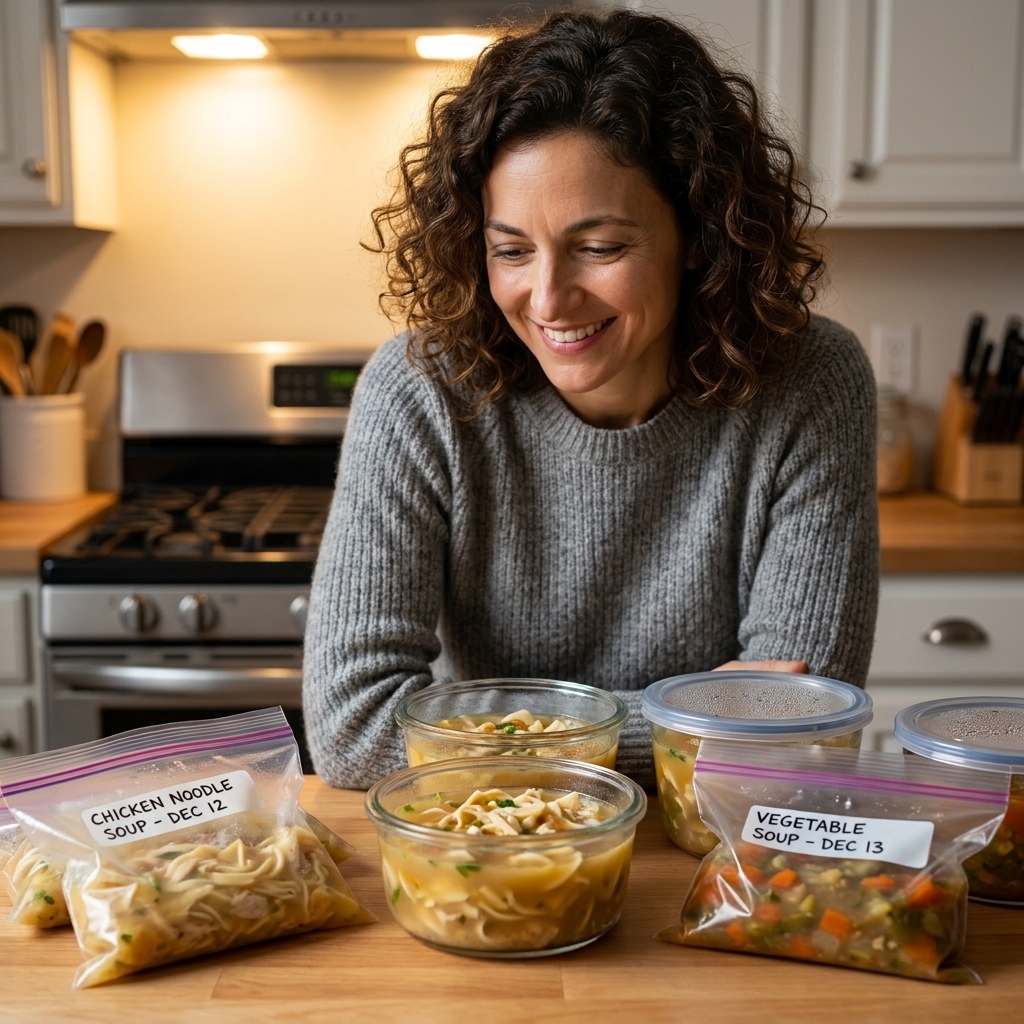
- Fridge: Most cooked leftovers keep safely about 3 to 4 days refrigerated (quality varies). Freeze what you will not eat in that window.
- Freezer: Soups, stews, cooked grains, and shredded meats freeze beautifully. Portion in single servings so defrosting is easy.
Keep texture
- Store dressings and sauces separately from salads and grain bowls.
- Keep crunchy toppings (nuts, croutons) separate.
- Underdress, then add more right before eating.
Mix and match meals
Here is how your 3-3-1 can turn into multiple meals without extra cooking.
- Grain bowl: quinoa + chicken or tofu + roasted broccoli + sauce (pesto, salsa, or tahini).
- Big salad: greens + cucumber-tomato salad + hard-boiled egg + leftover protein + vinaigrette.
- Wrap night: tortillas + protein + roasted carrots + slaw + hummus.
- Quick stir-fry: reheat quinoa in a pan, add veggies and protein, season with soy sauce and sesame oil.
- Snack plate dinner: hard-boiled eggs + fruit + cheese + crackers + veggie sticks.
If you are thinking, “That seems too simple,” good. Simple is sustainable.
Common mistakes
- Cooking seven brand-new recipes at once: it is exhausting and expensive. Repeat meals you like.
- Prepping only “perfect” health foods: if you do not enjoy the food, you will order takeout. Build in satisfaction.
- Not planning emergency meals: keep two fast backups that you can make on autopilot.
- Forgetting flavor: one sauce or dip can rescue a whole week. Add citrus, herbs, pickles, hot sauce, or feta.
- Skipping protein: many people end up hungry at 9 PM because lunch was basically vegetables. Include a protein you genuinely like.
Emergency dinners (steal these)
- Frozen dumplings + bagged slaw: cook a bag of dumplings, toss slaw with sesame dressing or a quick mix of soy sauce + lime + a little oil.
- Eggs + toast + salad: scrambled eggs or an omelet, toast, and a bagged salad with vinaigrette.
- Rotisserie chicken tacos: tortillas + shredded chicken + salsa + bagged cabbage + avocado or Greek yogurt.
Keep it healthy
Healthy eating is not about eating “clean.” It is about nourishment that works in your real life: steady energy, better mood, fewer stress meals, and food you look forward to.
My realistic priorities
- Protein at most meals (helps with fullness and more stable energy for many people).
- Fiber most days (beans, lentils, veggies, fruit, whole grains).
- Color and variety over perfection.
- Enough food so you are not white-knuckling hunger.
- Joy included (yes, even chocolate or chips can fit).
Plate empathy reminder: The best meal prep plan is the one that reduces stress, not the one that looks impressive on Sunday.
Swaps for dietary needs
You do not need a separate meal prep philosophy for every dietary preference. You just need a few dependable swaps.
- Gluten-free carb bases: rice, quinoa, potatoes, corn tortillas, certified gluten-free oats, gluten-free pasta.
- Dairy-free options: use hummus, avocado, tahini, or dairy-free yogurt for creamy sauces.
- Nut-free sauces: swap peanut sauce for sunflower seed butter sauce or a sesame-ginger soy sauce; skip cashews in creamy recipes.
- Vegetarian proteins: tofu, tempeh, edamame, lentils, chickpeas, beans, eggs (if you eat them), Greek yogurt (if you do dairy).
- Fish and shellfish: plan to eat these earlier in the week, or cook and freeze portions right away for later.
Your first week plan
If you want a ready-to-go starting point, here is a gentle first week that covers lunches and a few dinners.
Cook
- 1 pot quinoa or rice
- 1 sheet pan chicken (or chickpeas if you prefer plant-based)
- 1 sheet pan broccoli and carrots
- 8 hard-boiled eggs
- 1 quick sauce: lemon-tahini or Greek yogurt ranch
Buy
- Bagged salad greens
- Cucumbers and cherry tomatoes
- Fruit you will actually eat (bananas, berries, apples)
- Tortillas or pita
- One fun item (good cheese, a favorite dip, or dark chocolate)
Assemble during the week
- Bowls, salads, wraps, and snack plates
FAQ
How long does meal prep take?
Most beginners do best with 60 to 90 minutes once a week, or two shorter sessions. The more you repeat your go-to meals, the faster it gets.
Is meal prep safe all week?
Most cooked leftovers keep safely about 3 to 4 days in the fridge (quality varies). If you are prepping beyond that, freeze extra portions and thaw midweek.
Do I need to prep every meal?
No. Prepping one meal category like lunches or weeknight dinners is enough to make a big difference.
What if I get bored?
Prep components, not identical meals. Keep one or two sauces and switch the format: bowl one day, wrap the next, salad the next.
What is the easiest meal prep if I hate cooking?
Lean on “assembly prep”: rotisserie chicken, microwavable grains, bagged salad, frozen veggies, hummus, and fruit. Your goal is nourishment, not culinary suffering.
One last nudge
If meal prep has felt intimidating, start smaller than you think you need. Prep one protein and one veggie. Boil eggs. Wash fruit. Future-you will still feel the relief.
And if you ever miss a week, you are not “off track.” You are just human. We pick it back up at the next meal.