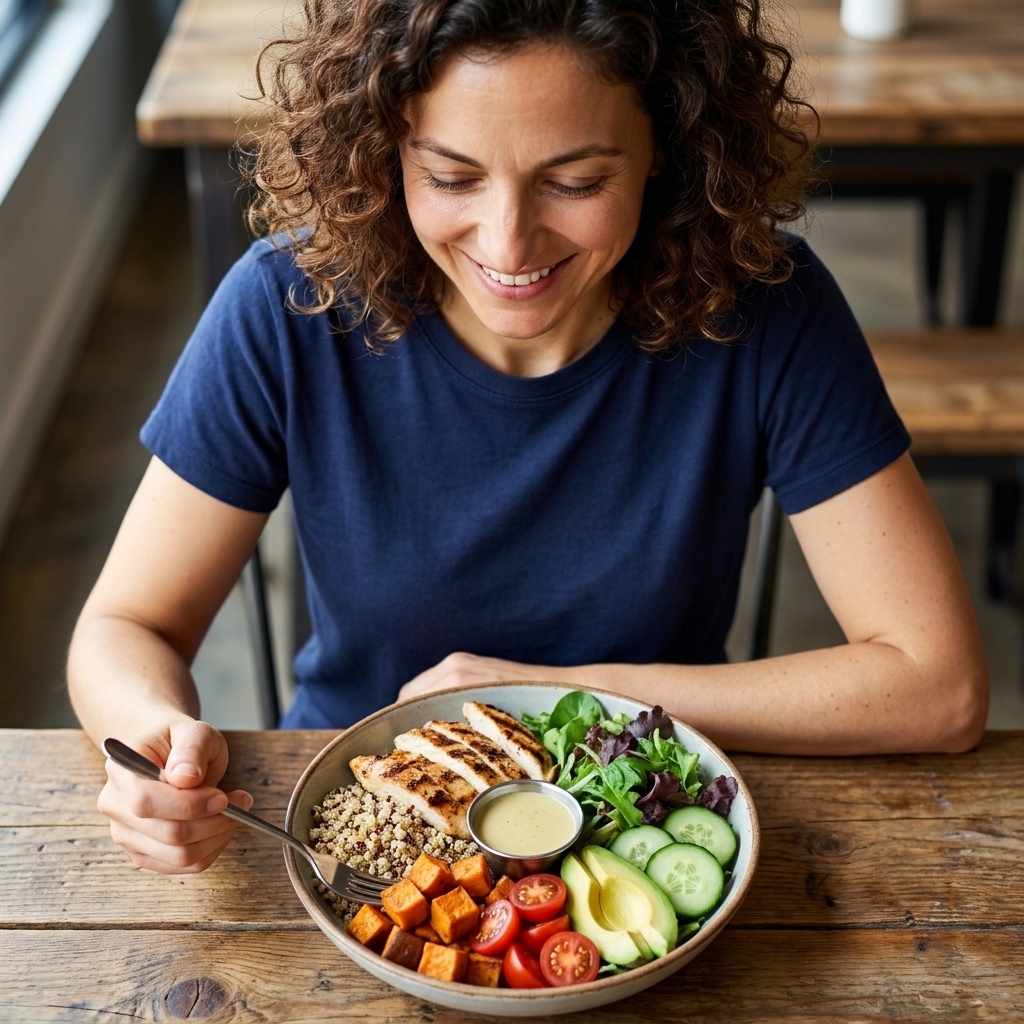
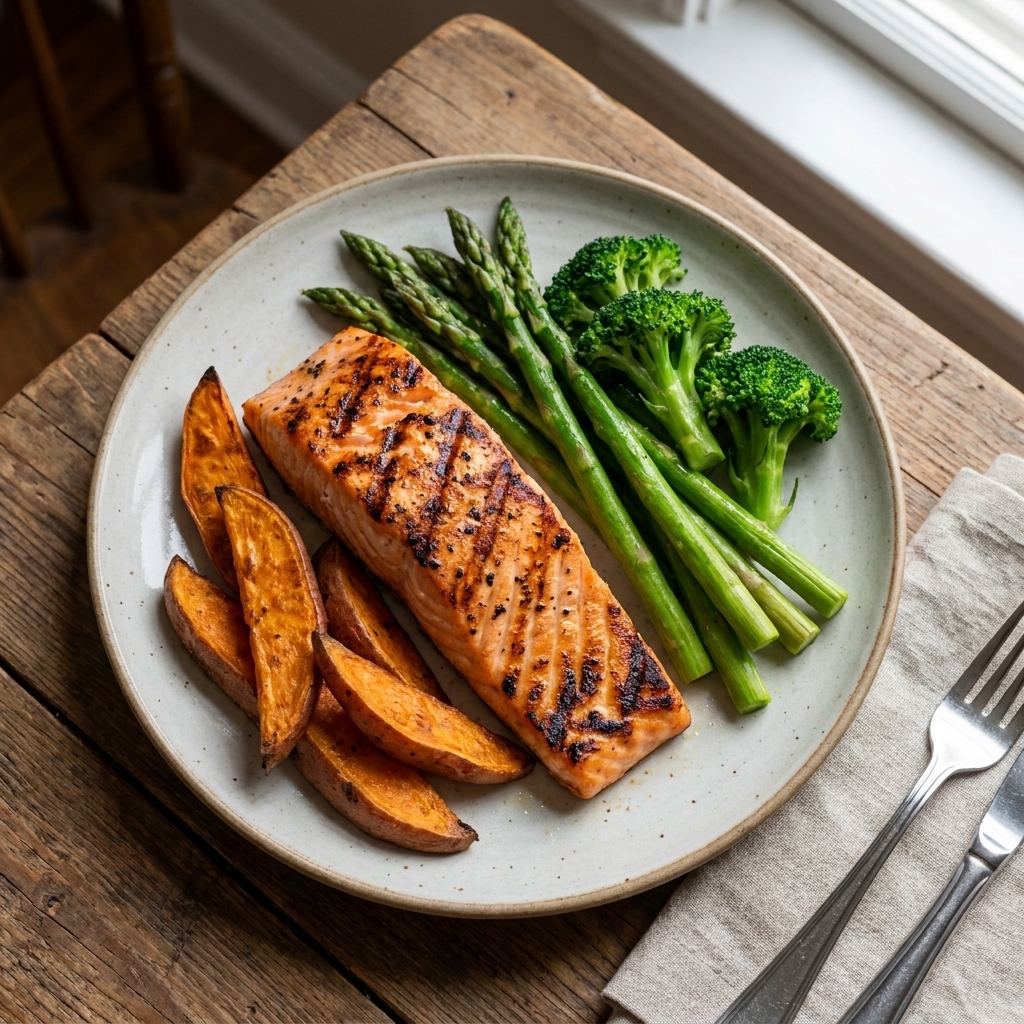
A no-math, no-stress guide to building balanced meals with half veggies, a quarter protein, and a quarter complex carbs, plus smart fats and flavor.
Platepathy
Portion Control Without Tracking
Learn portion control without weighing or logging. Use your hands, plates, and common objects to build satisfying, balanced meals that fit real life.

Elena Rossi
Elena Rossi is a Registered Dietitian and meal prep expert who believes that healthy eating shouldn't feel like a second job. Through Platepathy, she translates complex nutrition science into approachable, delicious meal plans designed for real, busy lives.
Published October 18, 2026
Last updated October 18, 2026
Portion control gets a bad reputation because we often pair it with food scales, calorie apps, and that constant low-level feeling of being graded. But portion control, at its best, is simply a way to eat enough to feel good without consistently overshooting what your body actually needs.
As a dietitian and a lifelong Sunday batch-cooker (and a mom who has served dinner in a hurry more times than I can count), I want you to have tools that work on a Tuesday at 5:47 PM, not just in a perfectly quiet kitchen. This article will show you practical, visual ways to estimate portions using your hands and everyday objects, so you can build balanced meals without tracking.
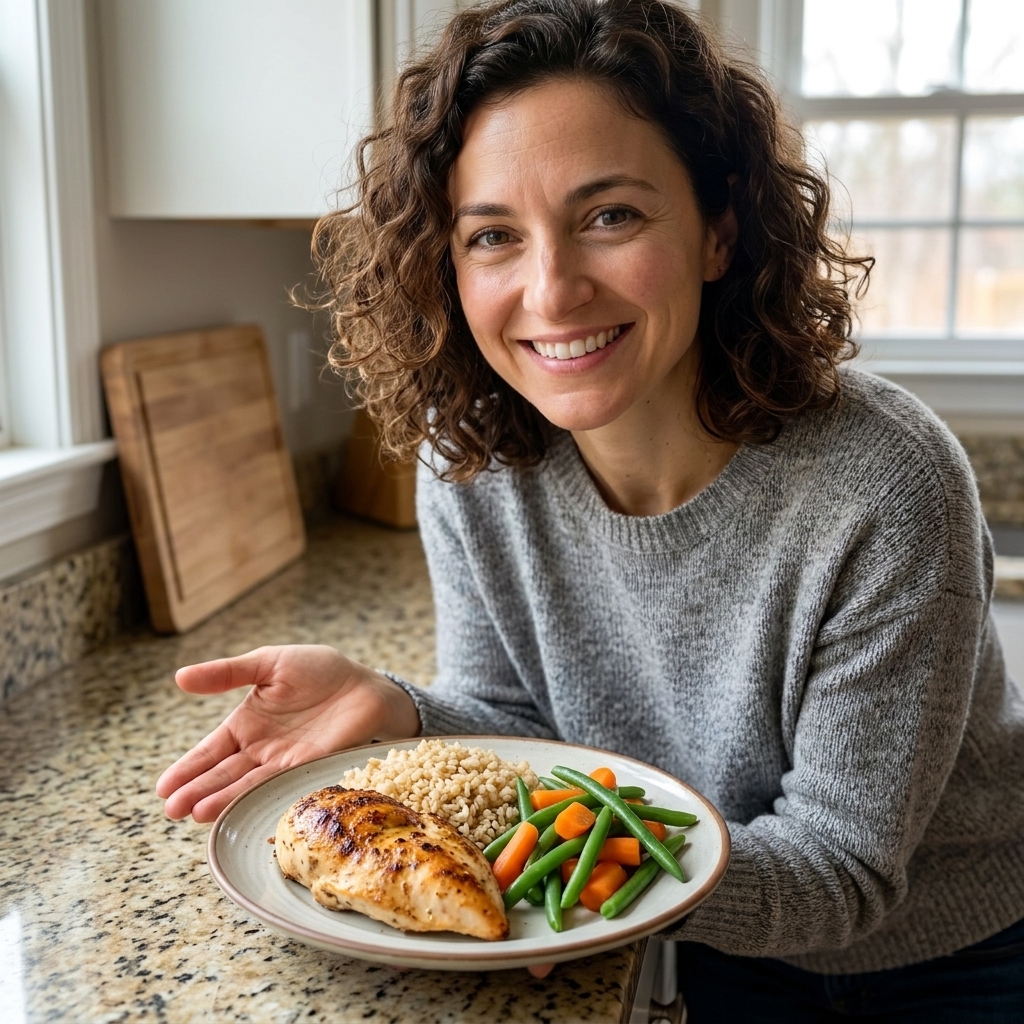
First, what portion control means
Portion control is not “eat as little as possible.” It is “eat a reasonable amount for you most of the time.” Your needs can shift with:
- Hunger and stress (yes, both matter)
- Activity level (a desk day versus a long walk day)
- Sleep (poor sleep can increase appetite for many people)
- Life stage (teen years, pregnancy, postpartum, perimenopause, aging)
So instead of chasing a perfect number, we aim for a repeatable structure that keeps energy steady, supports health goals, and still leaves room for joy.
Quick note: The guides below are estimates. Portions can vary based on body size, goals, training, medications, and medical needs. If you are managing diabetes, GI conditions, pregnancy-related needs, or you have a history of disordered eating, individualized guidance can be especially helpful.
The hand method
Your hands travel with you, and they generally scale with your body, which makes them a surprisingly helpful portion guide. Think of this as a starting point, not a strict rule.
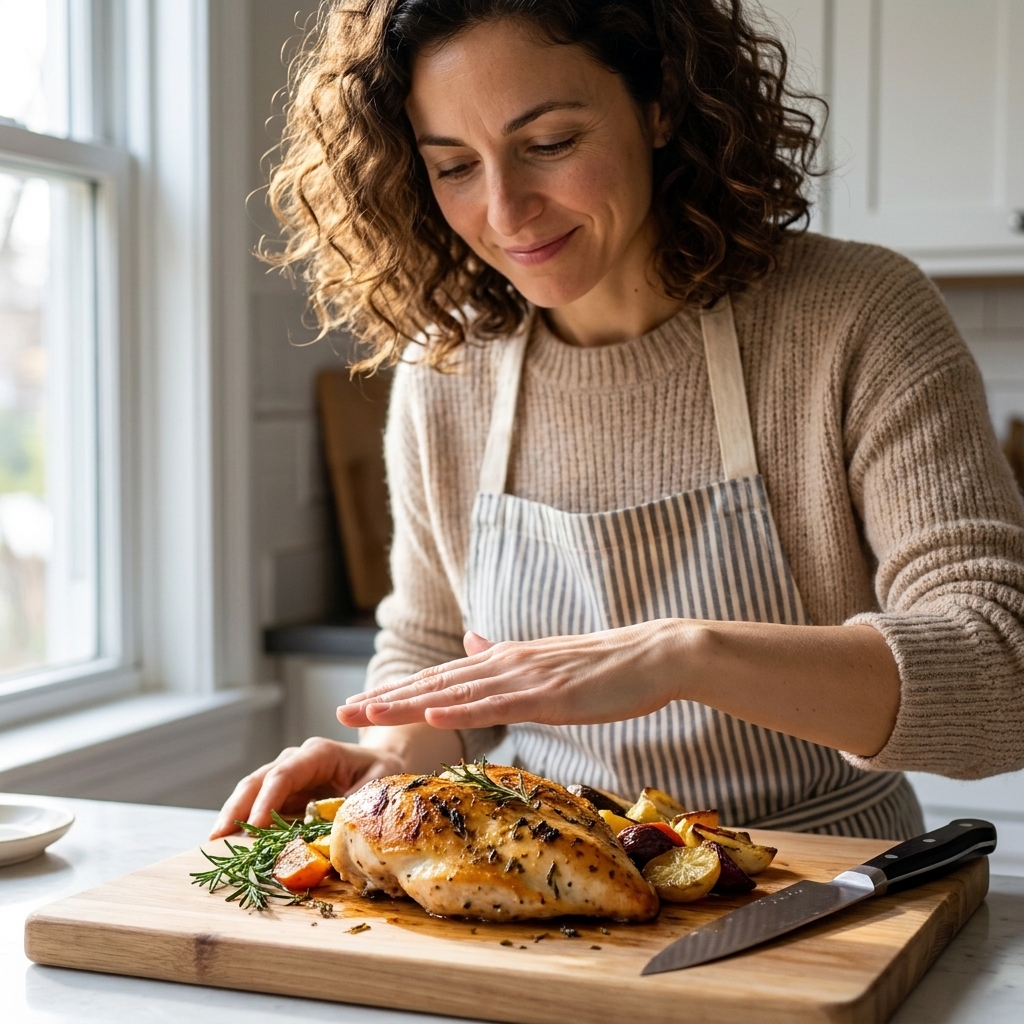
Protein: 1 palm
1 palm of cooked protein is a solid baseline for many adults at a meal.
- Chicken, turkey, fish, lean beef, tofu, tempeh
- For eggs: 2 eggs is often roughly in this neighborhood for many people
If you are very active, very hungry, or your meal is lower in carbs, you might feel best with 1.5 to 2 palms. If you are building a lighter, small-plate meal with multiple sides, you might be satisfied with half to 1 palm.
Carbs: 1 cupped hand
1 cupped hand is a practical portion for cooked grains and starchy foods.
- Cooked rice, pasta, quinoa, oats
- Beans and lentils (they provide both carbs and protein, which is one reason they are so filling)
- Potato, sweet potato, corn
Legume clarity: Beans and lentils contribute protein, but they are usually less protein-dense than meat, fish, or tofu. If beans are your main protein, you may need a larger portion (or to pair them with another protein) to meet your needs.
If your goal is more energy for workouts or you are consistently hungry soon after meals, try 2 cupped hands. If you are less active, adding more veggies and using half to 1 cupped hand may feel better.
Non-starchy vegetables: 1 to 2 fists
1 to 2 fists of veggies is a great target at meals. These are your volume, fiber, and micronutrient MVPs.
- Leafy greens, broccoli, peppers, zucchini, green beans, tomatoes, mushrooms
Cooked veggies shrink a lot, so do not be surprised if you need a bigger scoop than you think.
Fats: 1 thumb
1 thumb is a useful guide for added fats, which boost satisfaction and help you absorb fat-soluble vitamins.
- Olive oil, butter, mayo, salad dressing
- Nut butter
- Avocado (roughly 1 to 2 thumbs worth depending on thickness)
Nuts and seeds are a little different because they are both fat and a bit of protein. A small handful is often a reasonable snack portion.
Everyday objects that help
If the hand method feels too abstract at first, anchor it to objects you already know. These are not perfect, but they are wonderfully practical.
- Baseball or tennis ball: a rough visual for a piece of fruit or a scoop of cooked grains
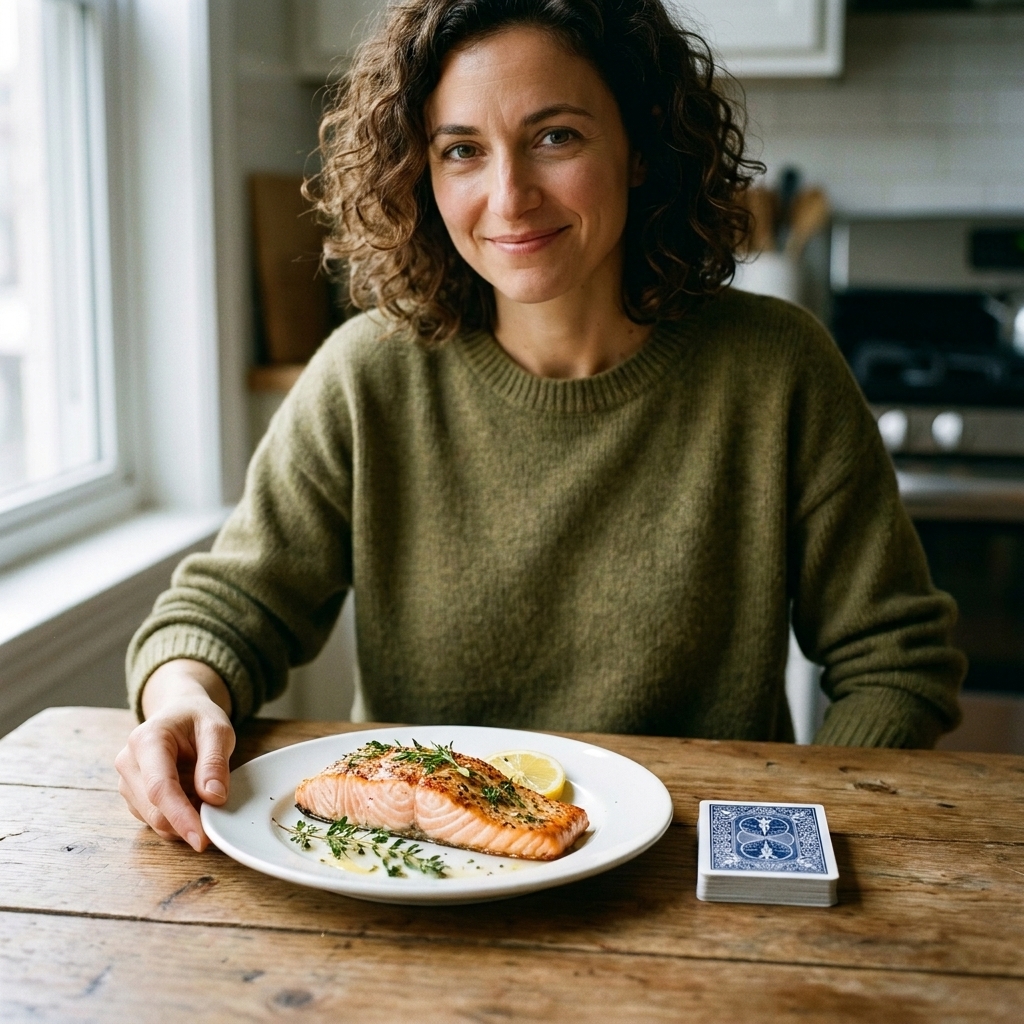
- Deck of cards: a common visual for a portion of cooked meat or fish
- Thumb tip: a quick cue for a small amount of butter or nut butter
- Golf ball: a rough cue for a small treat portion or a higher-fat item like cheese
The goal is not to memorize these forever. It is to build your “portion eyesight” so serving sizes feel intuitive over time.
The Platepathy plate
When you are making meals for yourself or a family, the easiest portion tool is often the plate itself. This is what I call the Platepathy plate: a simple, no-math layout you can repeat.
Use a medium plate when you can
Not because bigger plates are “bad,” but because larger plates can make it easier to accidentally serve more than you meant to. A 9 to 10 inch plate helps your eyes feel satisfied with a balanced amount of food.
A simple layout
- Half the plate: non-starchy veggies
- One quarter: protein
- One quarter: carbs (grains, beans, potatoes, fruit)
- Plus: a little fat for flavor and satisfaction (oil, dressing, avocado, nuts)
This is flexible. If you do not love veggies at breakfast, do fruit instead. If you are having a grain bowl, the “quarters” might look more mixed together. The point is that your meal contains the pieces that tend to keep you full: protein + fiber-rich plants + enough carbs + some fat.
Portions for common foods
Pasta night
A realistic approach: use 1 cupped hand of cooked pasta as a starting point, add 1 palm protein (or a larger portion of beans), and go generous on veggies and sauce. If pasta is the star and you want more, increase the pasta a bit and make sure protein and veggies come along for the ride.
Rice bowls and burrito bowls
Build it like this:
- Start with 1 cupped hand rice
- Add 1 palm chicken, tofu, or a larger scoop of beans
- Load 1 to 2 fists of fajita veggies, salsa, lettuce, tomatoes
- Finish with 1 thumb of cheese, sour cream, guac, or a drizzle of oil
If you are still hungry afterward, it can help to pause and reassess. For many people, that is around 10 to 20 minutes, but it does not need to be a rigid rule. The best add-on is often more protein or more veggies, not just more rice.
Nut butter
Nut butter is nutrient-dense and satisfying, but it is easy to pour with enthusiasm. Try 1 thumb for toast, oatmeal, or fruit. If you want a larger portion, pair it with a higher-fiber base (like whole grain toast and berries) so it feels as good as it tastes.
Cheese
Cheese is not the villain. It is just concentrated. A good visual is roughly two thumbs or a small handful depending on the shape. If you love cheese, keep it, but consider pairing it with volume foods (salad, roasted veggies, fruit) rather than stacking it only onto refined carbs.
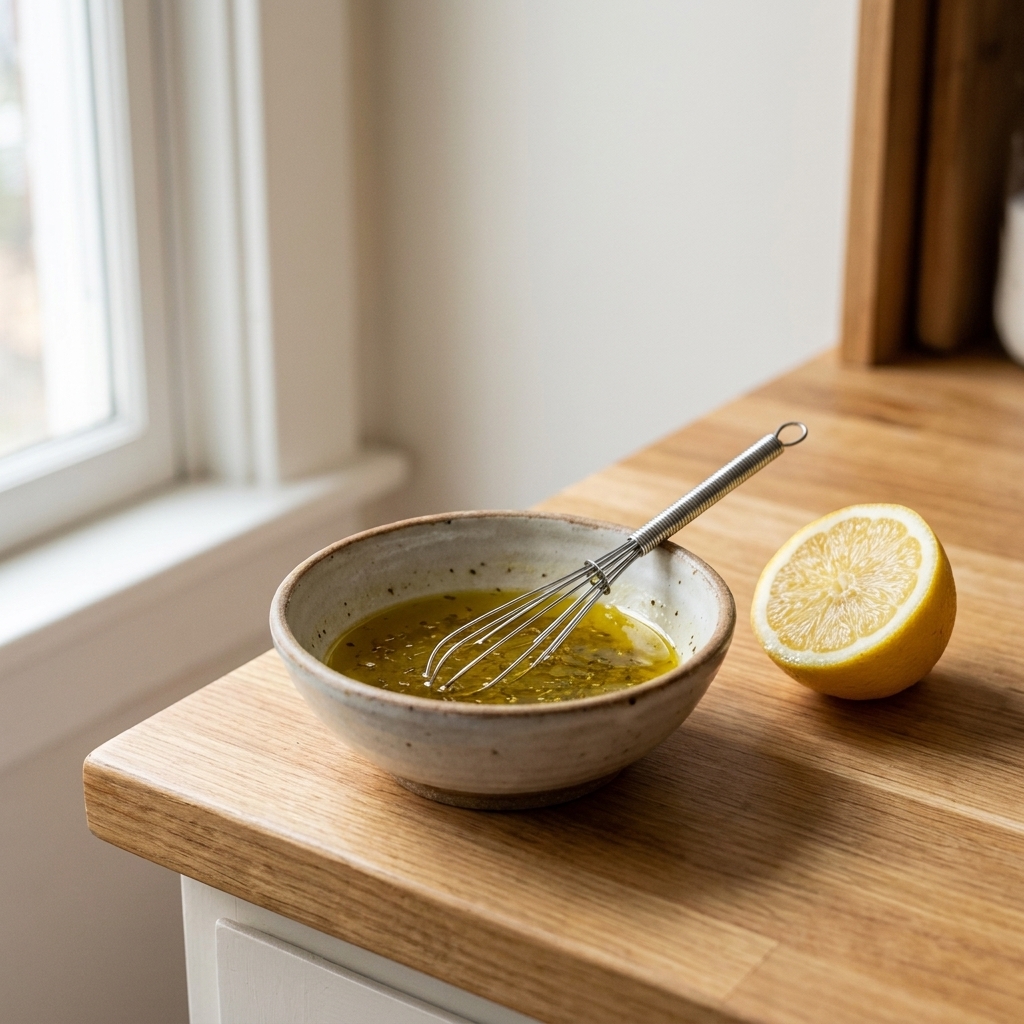
Cooking oils and dressings
Oil is healthy and helpful. It is also easy to accidentally use several thumbs worth without noticing. Two simple tricks:
- Use a spoon to portion oil into a pan, rather than free-pouring (for reference, 1 tablespoon is a common “thumb-ish” amount for many people, depending on thumb size)
- Dress salads in the bowl so you can see the coating and stop when it looks glossy, not soaked
Portioning snacks
Snacks are where portions can get fuzzy, especially when you are eating standing up, driving, or grabbing handfuls from a bag. A simple formula is protein + fiber, using the same hand cues.
- Greek yogurt + berries: 1 palm yogurt, plus 1 fist berries
- Apple + peanut butter: 1 fist apple (or 1 medium apple), plus 1 thumb nut butter
- Hummus + crackers and veggies: 1 thumb hummus, plus 1 cupped hand crackers, plus 1 fist veggies
If a snack keeps turning into a meal, that is not a failure. It is useful information that you may need a bigger lunch or a more planned afternoon snack.
Portion control at restaurants
Restaurant portions are often larger than people need for comfort. You do not need willpower. You need a plan.
Try a pause routine
- Take 3 breaths before you start eating
- Decide a stopping point (half now, half later, or “leave a fist-size amount”)
- Start with protein and produce when available (salad, veggies, protein)
Easy wins
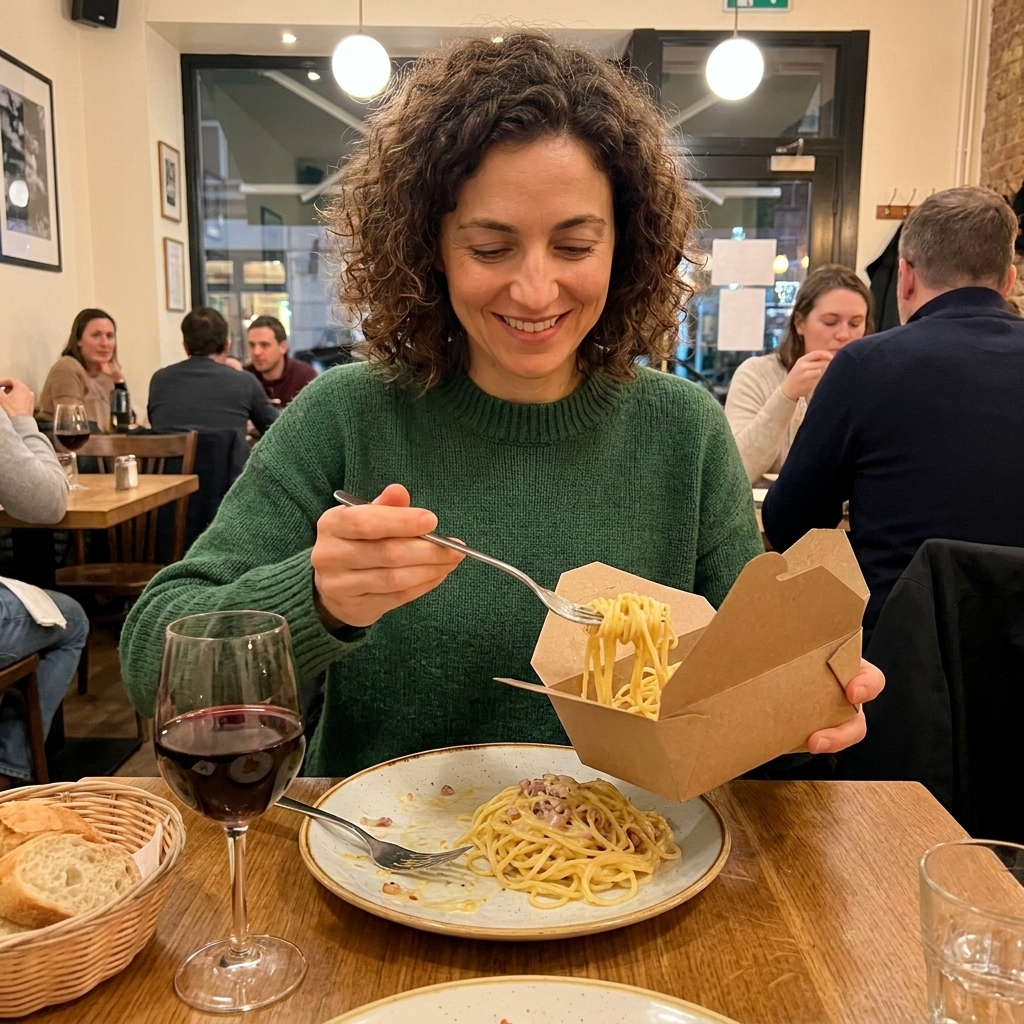
- Ask for a to-go box early and pack away a portion
- Swap fries for a side salad or veggies when you actually want that (not as punishment)
- Order a sauce or dressing on the side so you control how much ends up on the plate
And if you eat the whole thing sometimes, you are still doing fine. One meal does not define your health.
Hunger and fullness scale
Visual portions are great, but your body’s cues matter too. I like a simple 1 to 10 scale:
- 1 to 2: starving, shaky, irritable
- 3 to 4: hungry, ready to eat
- 5 to 6: comfortable, satisfied
- 7: pleasantly full
- 8 to 10: uncomfortably full
A helpful target for many people is to start eating around a 3 to 4 and finish around a 6 to 7. Not because it is morally better, but because it tends to feel best in the body.
Platepathy reminder: If you regularly hit a 1 or 2 by the time you eat, portion control will feel impossible. That is not a character flaw. It is a schedule problem. A planned snack can be the most “disciplined” thing you do all day.
Batch-cook once, then coast
If portioning in the moment feels hard, do it when you have a little more bandwidth. This is one of my favorite Sunday tricks.
Pre-portion proteins
Cook a tray of chicken thighs, tofu, turkey meatballs, or salmon, then store in containers in roughly palm-sized portions. You can still eat more if you need it, but you start from a sane baseline.
Make carbs scoopable
Cook rice or quinoa, then store it in a container where you can easily scoop one cupped hand at a time. Bonus: mix in cauliflower rice, chopped spinach, or lentils for more volume and fiber with the same comfort-food vibe.
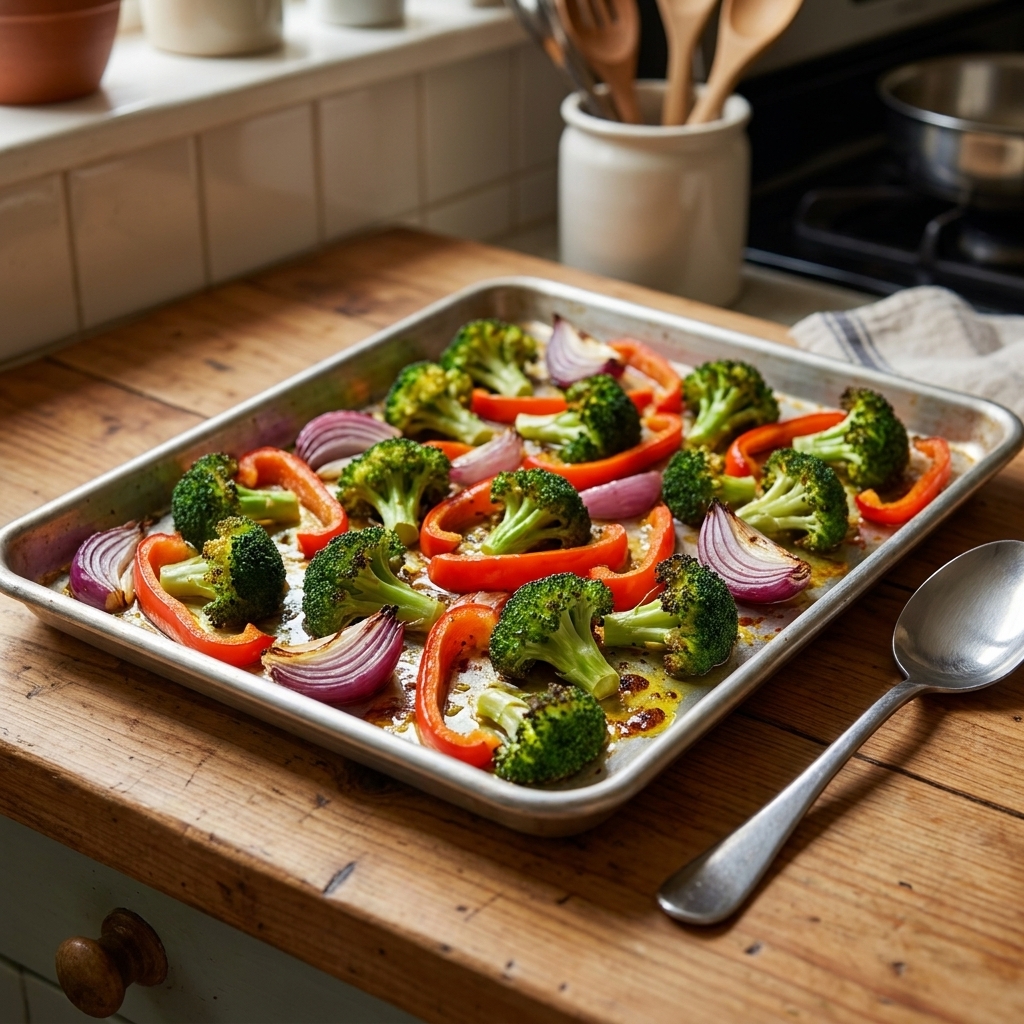
Roast a big pan of veggies
Roasted vegetables are the easiest way to hit that 1 to 2 fists target without thinking. They reheat well and make any meal feel more complete.
Common roadblocks
“If I start, I cannot stop”
This is often a sign you are under-eating earlier in the day, eating too little protein, or trying to white-knuckle through cravings. Try:
- Include protein at breakfast and lunch
- Add an afternoon snack with protein and fiber (Greek yogurt and berries, apple and peanut butter, hummus and crackers)
- Let “fun foods” exist on purpose, not only after you are ravenous
“Portion control makes me feel restricted”
Then we make it about adding instead of subtracting. Add more vegetables, add a protein, add a fruit. Satisfaction tends to rise, and “accidental overeating” tends to drop without you feeling policed.
“I do not know what a normal portion is anymore”
Totally normal if you have dieted, tracked, or eaten from oversized restaurant portions for years. Use the hand method for two weeks as a reset, then reassess based on hunger, energy, and how you feel between meals.
Kids and family portions
If you are feeding kids, remember that adult hand portions are not a kids portion guide. Kids’ appetites can vary wildly day to day, and growth spurts are real. A simple family win is to serve meals “build-your-own” style (taco night, grain bowls, pasta bar), offer a couple of familiar foods alongside new ones, and let kids decide how much from what is on the table. Your job is the structure. Their job is the appetite.
Quick cheat sheet
- Protein: 1 palm
- Carbs (grains, pasta, potatoes): 1 cupped hand
- Beans/lentils: 1 cupped hand (provides carbs + some protein, may need more if it is your main protein)
- Non-starchy veggies: 1 to 2 fists
- Added fats (oil, butter, dressing): 1 thumb
- Nuts/seeds: small handful
If you only remember one thing, remember this: build a plate you can repeat. Consistency beats perfection, and kindness beats chaos.
FAQ
Is portion control the same as calorie counting?
No. Calorie counting is a numerical method. Portion control is a behavior and awareness skill. You can practice portion control without knowing a single number.
Will portion control help with weight loss?
For many people, yes, because portions influence overall energy intake. But the most effective approach is usually not “smaller portions of everything.” It is balanced meals that keep you full, especially enough protein and fiber, plus routines you can stick with.
What if I am still hungry after the hand portions?
Eat more. Start by adding more protein or more vegetables, and check in again. Also consider whether you slept poorly, had a hard workout, or went too long without eating. Those all legitimately raise appetite.
Do I need different portions if I am strength training?
Often, yes. Many active people feel better with more protein (closer to 1.5 to 2 palms) and more carbs (1.5 to 2 cupped hands), especially around training. Your energy, recovery, and mood are useful feedback.