A no-math, no-stress guide to building balanced meals with half veggies, a quarter protein, and a quarter complex carbs, plus smart fats and flavor.
Platepathy
Meal and Snack Timing for Steadier Blood Sugar
Learn how to time meals and snacks, pair carbs with protein and fat, and build an easy daily rhythm that supports steadier energy and fewer mid-afternoon cravings.

Elena Rossi
Elena Rossi is a Registered Dietitian and meal prep expert who believes that healthy eating shouldn't feel like a second job. Through Platepathy, she translates complex nutrition science into approachable, delicious meal plans designed for real, busy lives.
Published October 18, 2026
Last updated October 18, 2026
If your day looks like coffee, a rushed breakfast, a “quick” lunch that somehow does not stick, and then a 3 PM snack spiral, you are not broken. You are human, and your blood sugar is doing exactly what blood sugar does when meals are spaced too far apart or built on carbs that do not have much staying power.
The good news: balancing blood sugar does not require a perfect diet, cutting out entire food groups, or eating like a robot. It is mostly about timing and pairing. When you give your body a predictable rhythm and build meals with some protein, fiber, and fat alongside carbs, you are far more likely to get steadier energy, fewer cravings, and that “I can think clearly” feeling.
What blood sugar balance means
After you eat carbohydrates, your body breaks them down into glucose (sugar), which enters your bloodstream. Insulin helps move that glucose into your cells for energy. Big spikes followed by sharp drops can leave you feeling shaky, hungry, irritable, or foggy.
The goal is not perfectly flat blood sugar. It is gentler rises and smoother falls so your energy and appetite feel more predictable.
Signs your timing may need a tune-up
- You feel ravenous between meals, especially mid-afternoon.
- You get sleepy or brain-foggy after eating.
- You crave something sweet shortly after a carb-heavy meal.
- You go long stretches without eating, then overeat at night.
- You rely on caffeine to get through the morning.
A simple timing starting point
For many busy adults, a helpful baseline is: eat every 3 to 5 hours. That often looks like meals about every 4 hours, with an optional snack if you will go longer than 4 to 5 hours between meals, are very active, are pregnant or breastfeeding, or simply notice your energy dips. Some people do great with fewer meals and no snacks. Use this as a starting point, not a moral rule.
Think of it like keeping a small, steady fire going instead of letting it burn out and trying to restart it with kindling and a blowtorch.
A realistic daily rhythm
- Breakfast: within 1 to 2 hours of waking (earlier if you wake up starving)
- Lunch: roughly 4 hours later
- Snack (optional): if dinner is still far away, usually 2 to 3 hours after lunch
- Dinner: about 4 to 5 hours after lunch
If your schedule is chaotic, aim for one upgrade at a time. A common high-impact shift is simply: reduce those 6 to 8 hour gaps and you may notice cravings stop showing up quite so loud and late.
Pairing that supports steady energy
Carbs are not the enemy. They are a primary fuel source for the body. The issue is often when carbs show up alone, especially in refined forms. Pairing carbs with protein, fiber, and fat usually slows digestion and helps you stay satisfied longer, which can make energy feel steadier.
Use this easy formula
Carb + protein + fiber (produce or whole grains) + fat
You do not need all four at every snack, but for meals, it is a great target.
Quick examples that work in real life
- Instead of: cereal alone Try: higher-protein milk or Greek yogurt on the side, plus berries and chopped nuts
- Instead of: toast with jam Try: toast with peanut butter and sliced strawberries
- Instead of: pasta with marinara only Try: add lentils or chicken, plus a salad with olive oil
- Instead of: an afternoon muffin Try: half a muffin with a latte made with milk and a handful of almonds
Snack timing: purpose, not panic
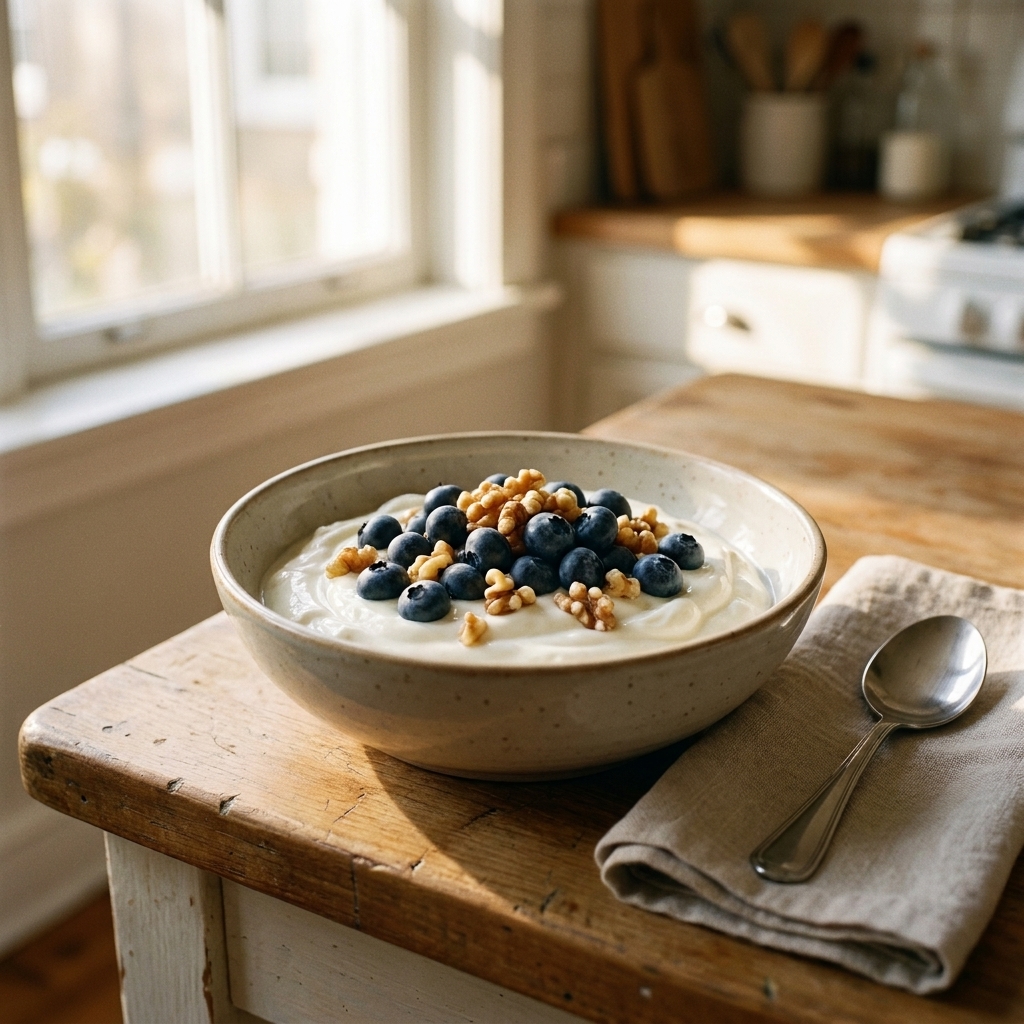
Snacks get a bad reputation because many of us only snack once we are already running on fumes. A planned snack can be a powerful tool if it helps you arrive at dinner comfortably hungry instead of hangry.
When a snack usually helps
- You have more than 4 to 5 hours between lunch and dinner.
- You exercise after work and need fuel to avoid the post-workout drive-thru.
- You have a history of evening grazing.
- You are dealing with intense afternoon meetings and cannot step away for dinner prep.
When a snack might be optional
- You ate a balanced lunch and you are only mildly hungry.
- Dinner is within the next 1 to 2 hours.
- You are reaching for a snack because you are bored, stressed, or procrastinating (also valid, just a different need).
A reliable snack standard
Aim for protein + fiber (and optionally a little fat). This is one of the most reliable combos for staying power and satiety.
- Apple + cheddar cheese
- Baby carrots + hummus
- Greek yogurt + cinnamon + berries
- Roasted edamame or chickpeas
- Tuna packet + whole grain crackers
- Trail mix with nuts + dried fruit (portion into a small bowl, not the bag)

Build around anchor meals
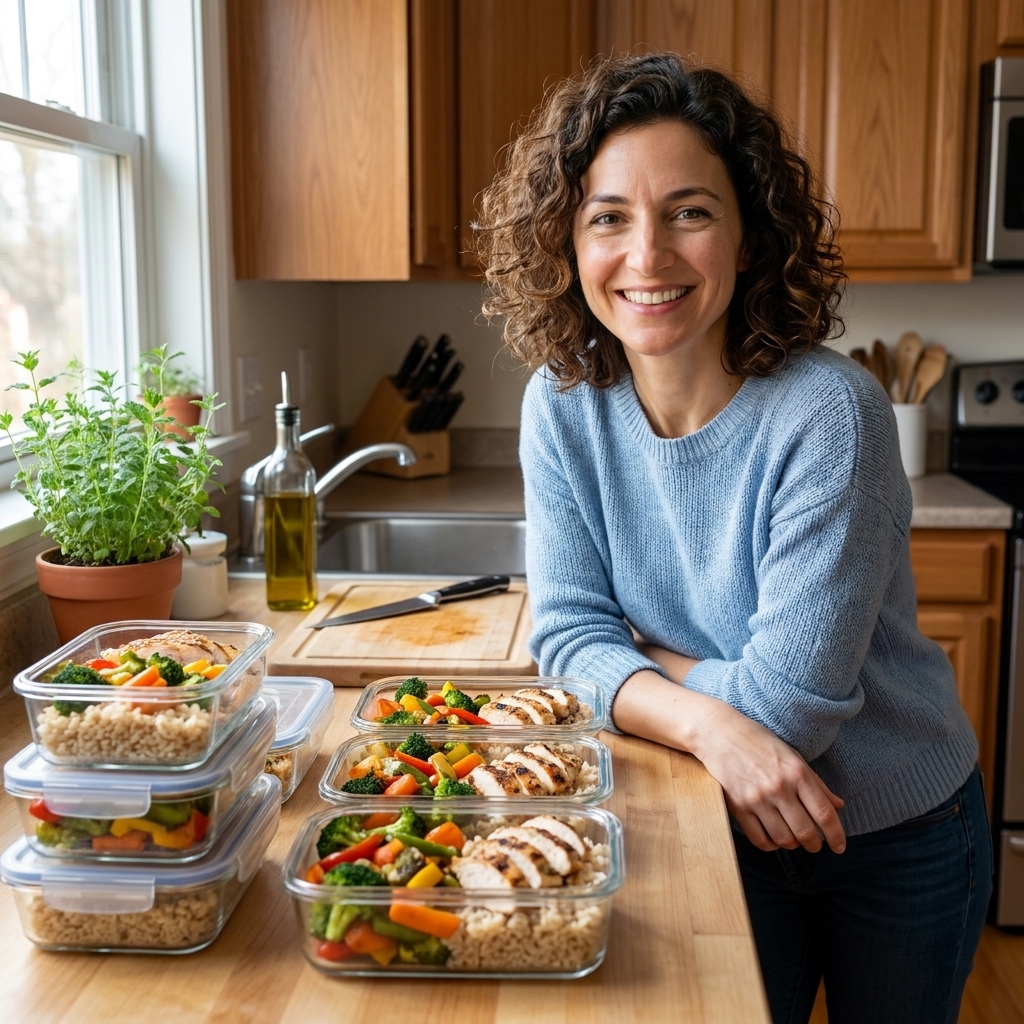
If you only change one thing, let it be this: create at least two anchor meals you can count on most days. An anchor meal is balanced, predictable, and easy enough that you actually make it when life is loud.
Anchor breakfast ideas
- Eggs (or egg bites) + whole grain toast + fruit
- Overnight oats made with Greek yogurt + chia + berries
- Cottage cheese bowl + pineapple + sliced almonds
- Smoothie with milk or soy milk + frozen fruit + spinach + peanut butter (add protein powder if it helps)
Anchor lunch ideas
- Turkey or tofu wrap + crunchy veggies + side of grapes
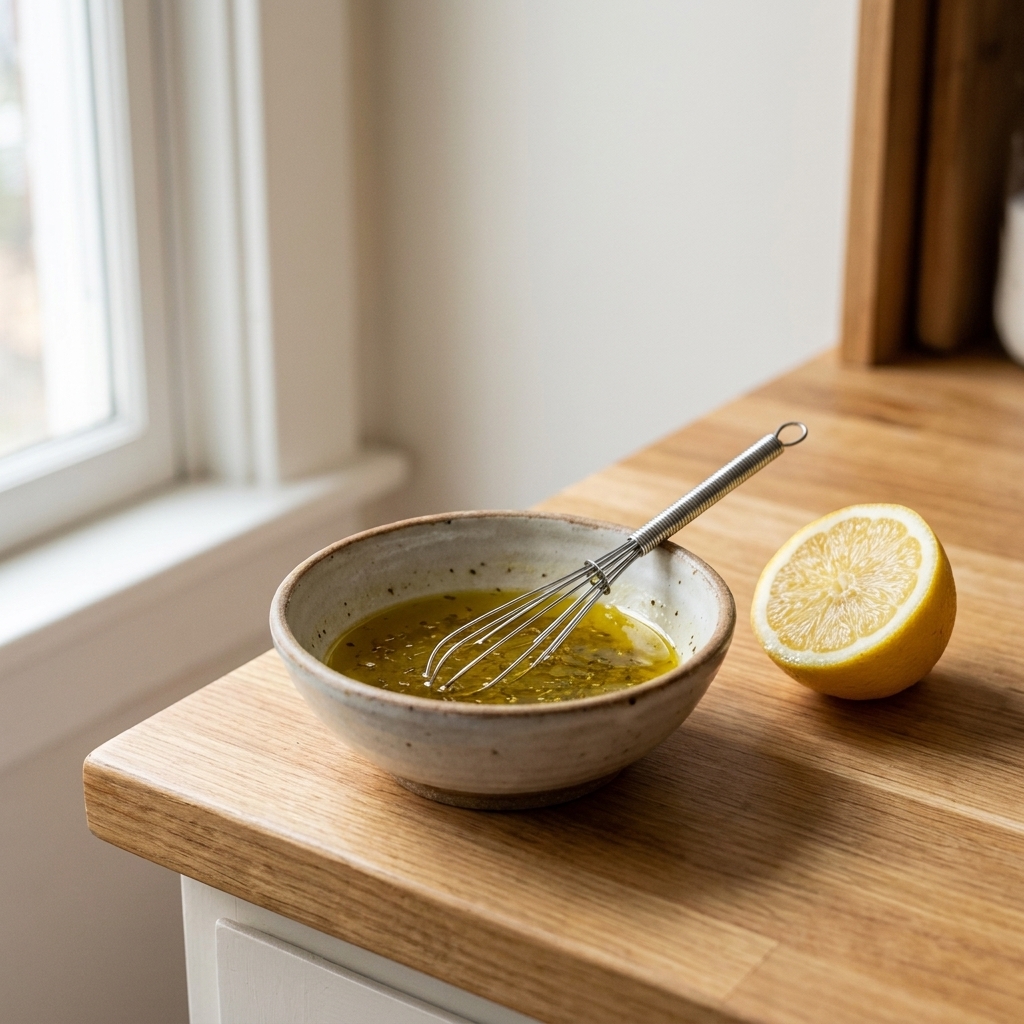
- Big salad with beans or chicken + olive oil vinaigrette + bread
- Leftover stir-fry with rice + extra frozen veggies
- “Snack plate” lunch: hummus, pita, hard-boiled eggs, cucumbers, fruit
What counts as protein?
You do not need to track grams to get results. Just make protein visible at meals. A few real-life examples:
- Eggs (2) or egg bites
- Greek yogurt (a single-serve cup or a generous scoop)
- Cottage cheese (a bowl-sized portion)
- Chicken, fish, or tofu (about a palm-sized portion)
- Beans or lentils (a hearty scoop added to bowls, soups, salads, or tacos)
If your meal does not have an obvious protein, that is often where the crash-prone days start.
Fix the mid-afternoon slump
That 2 to 4 PM crash is often a mix of meal spacing, a lunch that was light on protein or fiber, and a natural dip in alertness. You do not need to “power through” it. You need a plan.
Tactical fixes
- Move lunch earlier if you are routinely eating after 2 PM.
- Add protein at lunch (aim for a clear protein source: chicken, beans, lentils, fish, tofu, Greek yogurt).
- Plan a 3 PM snack before you are desperate. Put it on your calendar if needed.
- Pair caffeine with food if coffee makes you jittery (try a latte with milk, or coffee after a balanced breakfast).
- Hydrate. Dehydration can feel like fatigue and hunger.
Late-night eating
Nighttime cravings are not a character flaw. They are often your body catching up on missed energy from earlier in the day, especially if breakfast was tiny, lunch was rushed, or you went too long without a snack. Sleep debt, stress, and habit can also turn the volume up on cravings, even when you ate “fine.”
Start by checking the basics:
- Did you eat enough at dinner, including carbs?
- Did dinner include protein and fiber?
- Did you go longer than 5 hours between lunch and dinner?
If you are truly hungry after dinner
A small, balanced snack is absolutely allowed. Think “sleep-supportive,” not sugar roulette:
- Greek yogurt or cottage cheese + berries
- Whole grain toast + peanut butter
- Warm milk or soy milk + a handful of nuts
- Kiwi + a few almonds
Special situations
Morning workouts
If you exercise fasted and feel fine, that can work for some people. If you get shaky or ravenous later, try a small pre-workout bite like a banana or half a granola bar, then eat a balanced breakfast within 1 to 2 hours after.
After-work workouts
Many people benefit from a late afternoon snack that includes carbs and protein, like yogurt and fruit or a turkey roll-up and crackers. It can help prevent post-workout overeating and make dinner calmer.
Back-to-back meetings
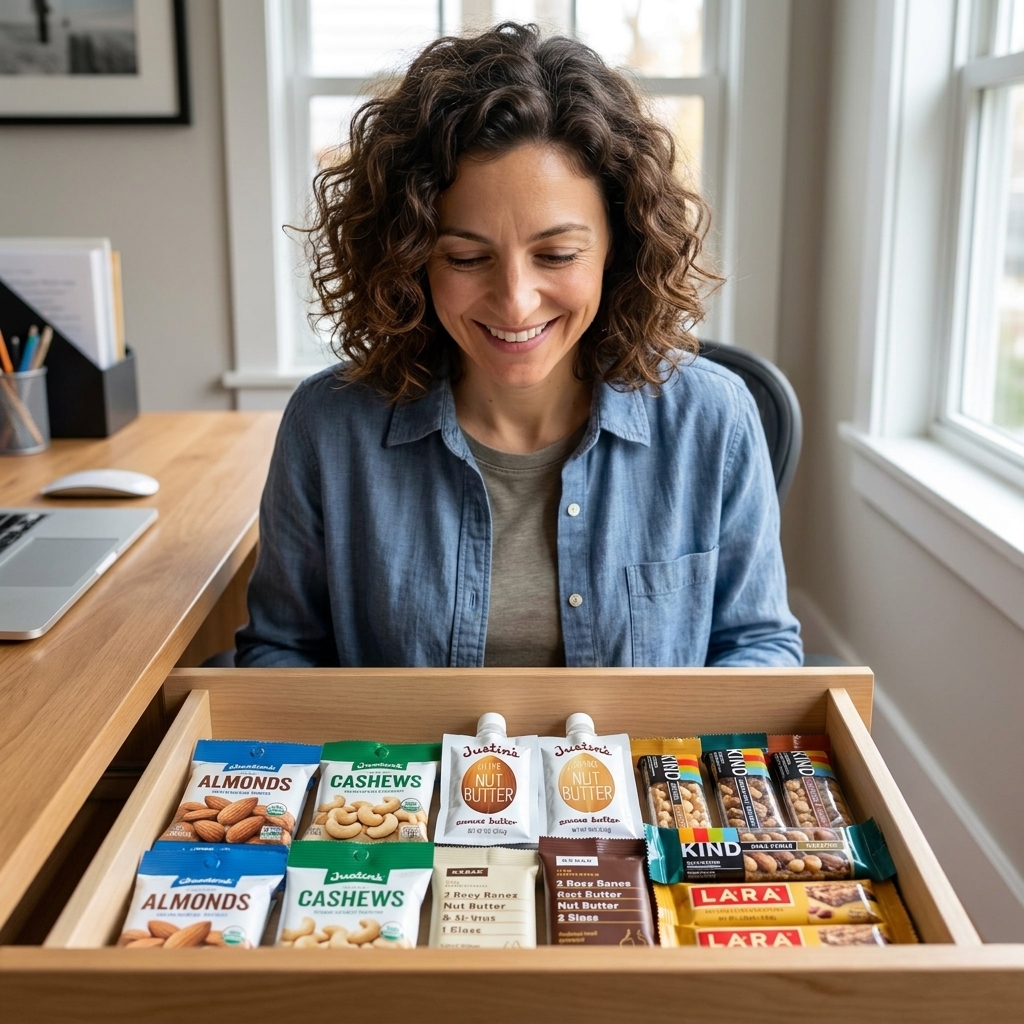
Keep “no-prep” options visible:
- Single-serve nuts
- Cheese sticks
- Roasted chickpeas
- Jerky (look for lower sodium if you can)
- Protein drink you actually like
- Fruit plus nut butter packets
A sample day for steady energy
Use this as a rhythm, not a rulebook.
Option A
- 8:00 AM: Eggs + toast + orange
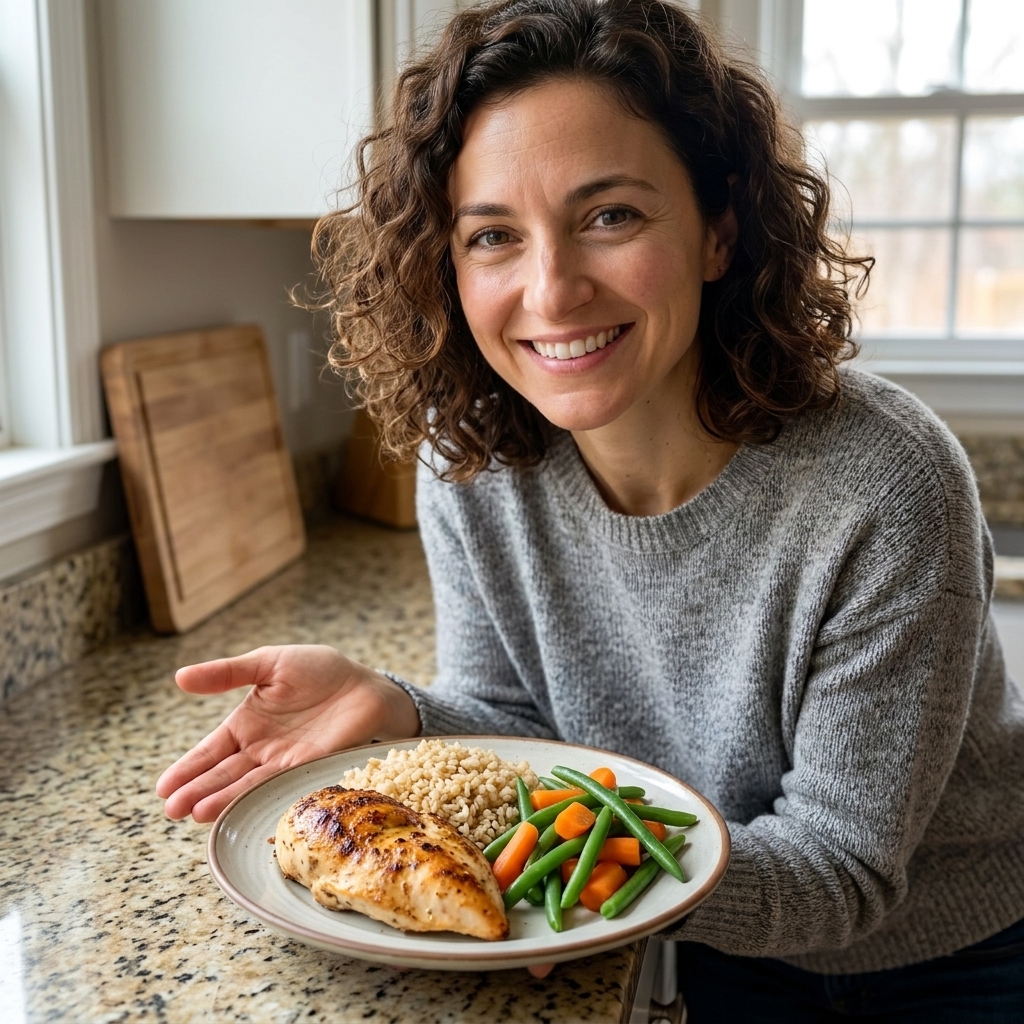
- 12:00 PM: Chicken quinoa bowl with roasted veggies + avocado
- 3:30 PM: Apple + cheese
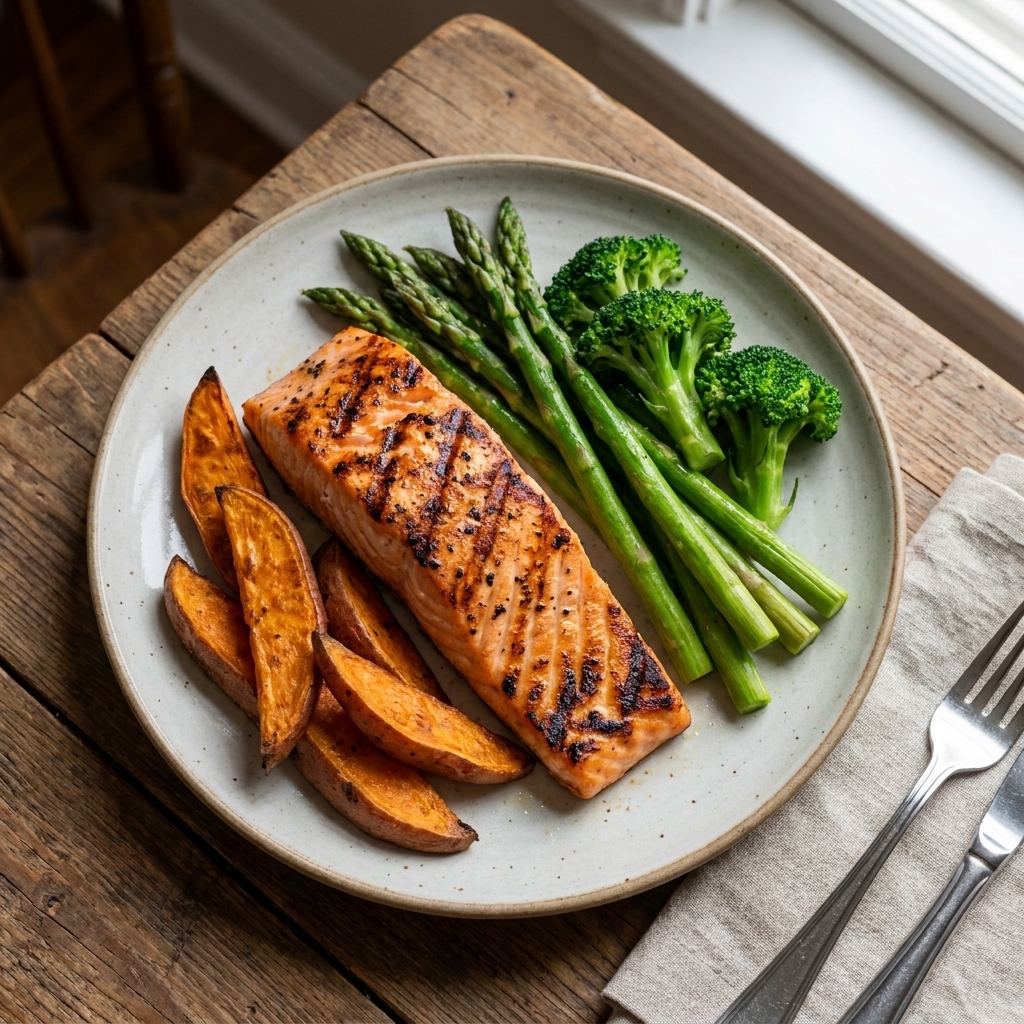
- 6:30 PM: Salmon or tofu + rice + broccoli
Option B
- 7:30 AM: Greek yogurt + berries
- 12:00 PM: Lentil soup + side salad + bread
- 4:00 PM: Hummus + pita + cucumbers
- 7:00 PM: Taco bowls: beef or beans + lettuce + salsa + rice
Common mistakes (and swaps)
- Skipping breakfast, then “being good” until dinner. Try a simple anchor breakfast 3 to 4 days a week to start.
- Eating a carb-only lunch. Add a visible protein (beans, chicken, tuna, tofu) and a fat (olive oil, avocado, nuts).
- Snacking on something sweet when you are already starving. Make your first bite protein-forward (yogurt, cheese, nuts), then enjoy the sweet if you still want it.
- Going low-carb unintentionally. If you cut carbs without replacing them with enough overall energy, cravings often get louder. Include carbs, just pair them.
Important note on diabetes and meds
Meal and snack timing can meaningfully affect blood sugar. If you have diabetes, are pregnant with gestational diabetes, or take insulin or other glucose-lowering medications, individualized guidance matters. Consider working with your healthcare team or a Registered Dietitian for a plan tailored to your medication schedule, activity level, and glucose patterns.
Platepathy takeaway
Blood sugar balance is not about perfection. It is about creating a day where your body is not constantly surprised. These tips are designed for generally healthy adults and are not a substitute for medical care.
- Eat every 3 to 5 hours most days, or use that range to reduce long gaps.
- Pair carbs with protein and fiber at meals, and at snacks when you can.
- Plan the afternoon so you do not end up in emergency-snack mode.
If you want the tiniest starting step that still makes a big difference, choose one: add protein to breakfast or schedule a balanced 3 PM snack. Your future self at 6 PM will thank you.