A dietitian’s comparison of the Mediterranean and DASH diets, including key foods, health benefits, sodium targets, and which one fits busy weeks.
Platepathy
Healthy Fats Explained
Confused about fats? Learn which fats support heart health, which to limit, and exactly how to cook with oils, nuts, seeds, avocado, and fish for easy meal prep.

Elena Rossi
Elena Rossi is a Registered Dietitian and meal prep expert who believes that healthy eating shouldn't feel like a second job. Through Platepathy, she translates complex nutrition science into approachable, delicious meal plans designed for real, busy lives.
Published October 18, 2026
Last updated October 18, 2026
For years, “fat” was treated like the villain of the nutrition world. Then we swung hard the other way and suddenly everything was keto, butter coffee, and “more fat equals better.” If you feel whiplash, you are not alone.
Here’s the Platepathy version: fat is essential. It helps you absorb vitamins (A, D, E, K), supports hormones, cushions organs, and makes meals actually satisfying. The goal is not to fear fat or chase it. It’s to choose the types that best support your heart and your real-life cooking habits.
The 3 main types of fat
1) Unsaturated fats (the “use often” fats)
These are the fats most consistently linked with better heart health when they replace some saturated fat in the diet. You’ll see them split into:
- Monounsaturated fats: olive oil, avocado, many nuts
- Polyunsaturated fats: walnuts, sunflower seeds, fatty fish, and omega-3 rich foods like chia and flax
In meal prep terms: these are your go-to fats for dressings, sautéing, sheet-pan veggies, and snack pairings that keep you full.
2) Saturated fats (the “supporting role” fats)
Saturated fats show up mostly in animal foods (butter, cheese, fatty cuts of meat) and a few plant foods (coconut oil, palm oil). You do not need to ban them. But for most people, keeping saturated fat in a supporting role can help support heart health, especially if LDL cholesterol runs high in your family.
3) Trans fats (the “avoid when possible” fats)
Industrial trans fats (from partially hydrogenated oils) are strongly linked to increased heart disease risk and have been restricted or largely removed from the food supply in the U.S. and many other countries. Still, small amounts can show up, so it’s worth scanning ingredient lists for “partially hydrogenated” just in case.
One nuance: tiny amounts of naturally occurring trans fats can also be found in dairy and beef. That’s different from industrial trans fats, and most people are not getting large amounts from whole foods.
Healthy fats to eat more often
If you want one simple target: build most of your fat intake from unsaturated fats, especially from whole foods.
And yes, fats are calorie-dense. You do not need to count obsessively, but a few portion cues help in real life:
- Oil: start with 1 tablespoon for a salad or pan, add more if needed
- Nuts: a small handful (or about 1 ounce) is a solid default
- Nut butter: 1 to 2 tablespoons is usually plenty
- Seeds: 1 tablespoon (chia or ground flax) goes a long way
Extra-virgin olive oil (EVOO)
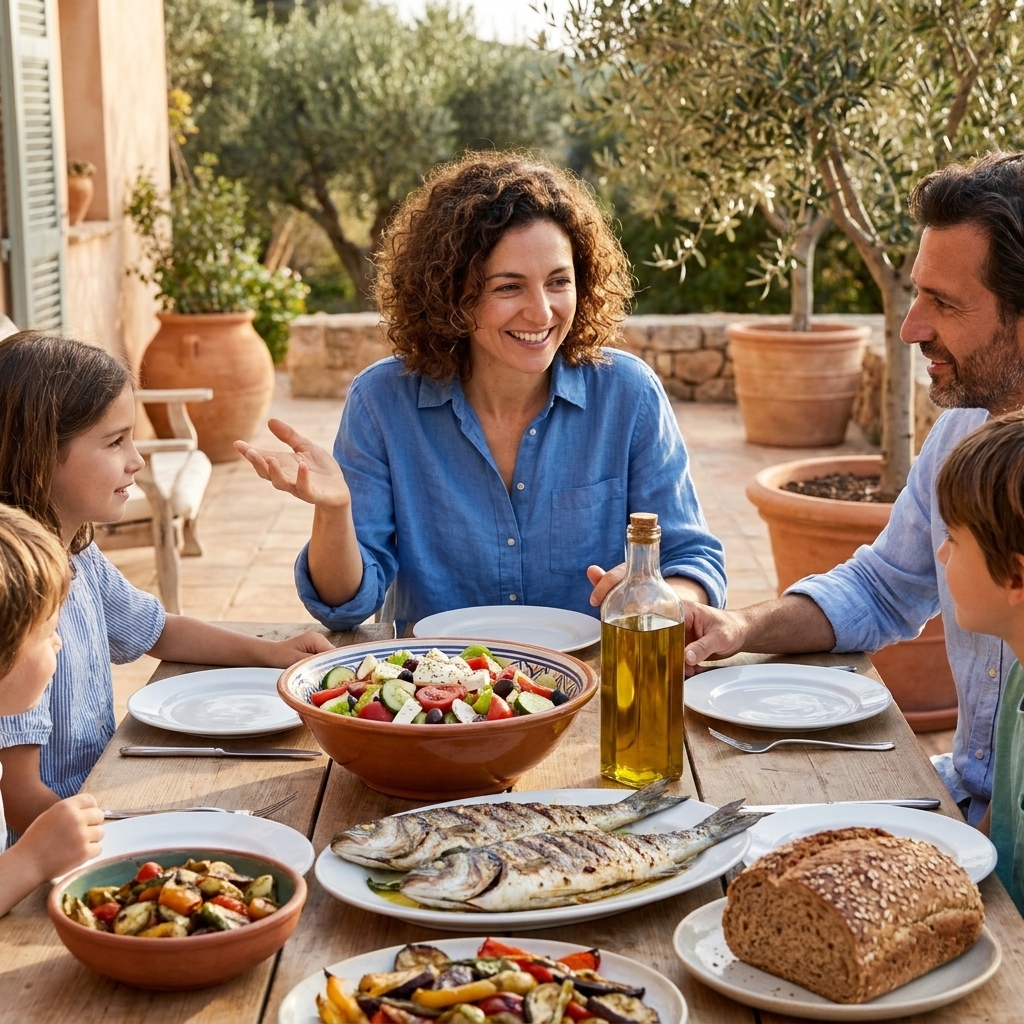
This is my default oil at home because it’s versatile, flavorful, and backed by a strong body of research for heart-healthy eating patterns like Mediterranean-style eating.
- Best for: dressings, drizzling, sautéing, roasting
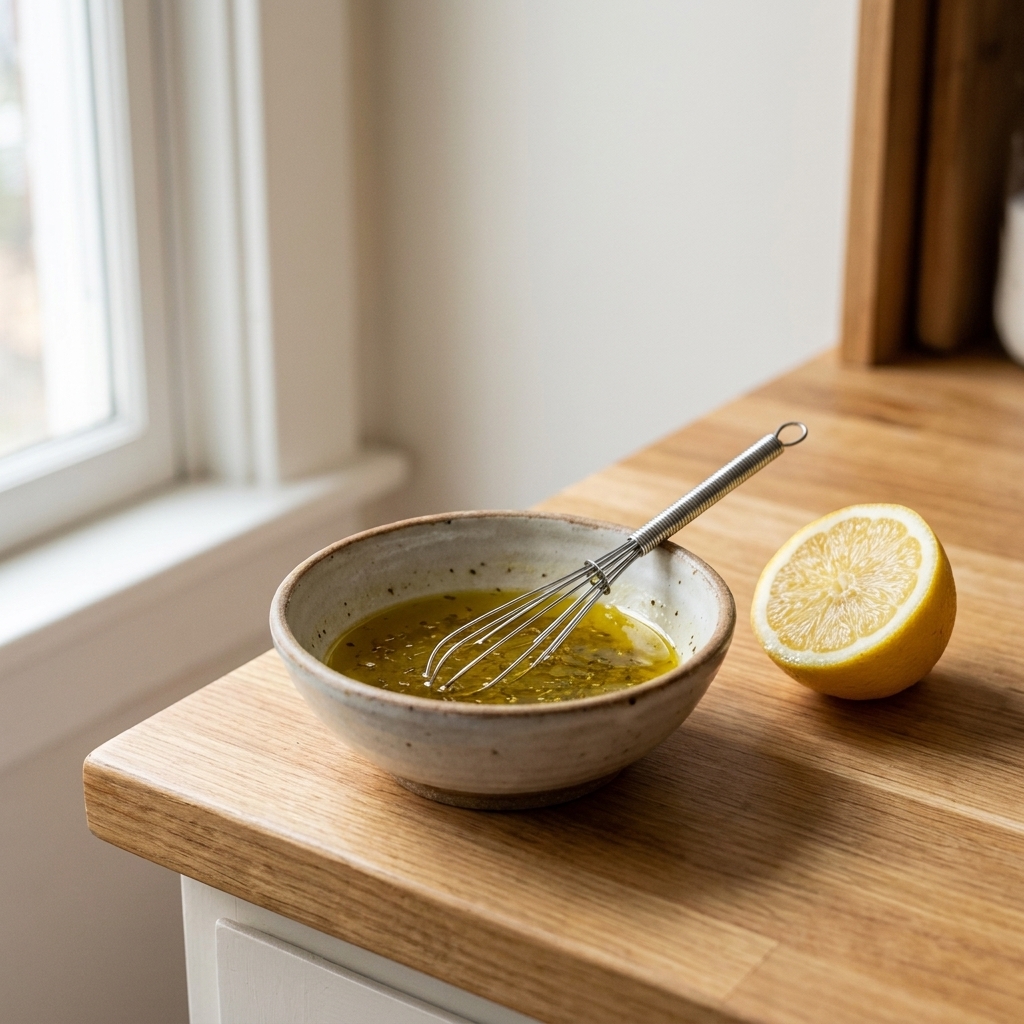
- Prep tip: whisk a quick vinaigrette and your “boring” lunch bowls instantly become craveable
Avocado and avocado oil
Avocado brings fiber plus monounsaturated fats. Avocado oil is neutral and great when you do not want an olive flavor.
- Best for: tacos, grain bowls, toast, creamy sauces
- Make-ahead win: blend avocado into a cilantro-lime sauce for chicken, shrimp, or roasted veggies
Nuts and nut butters
Nuts combine healthy fats with protein, minerals, and (often) fiber. They are one of the easiest “add-ons” to upgrade a meal.
- Best for: snacks, oatmeal, yogurt, salads, stir-fries
- Prep tip: portion nuts into small containers so they are grab-and-go, not eat-the-whole-bag
Seeds (chia, flax, hemp, pumpkin, sunflower)
Seeds are tiny but mighty. Chia and ground flax are especially helpful for adding omega-3 fats and fiber.
- Best for: smoothies, oatmeal, overnight oats, baked goods
- Make-ahead win: keep ground flax in the fridge and sprinkle it into yogurt or oatmeal in 10 seconds
Fatty fish (salmon, sardines, trout, herring)
Fish provides omega-3 fats (EPA and DHA) that support heart and brain health. If fish feels intimidating, start with salmon you actually enjoy, or try sardines in a lemony salad.
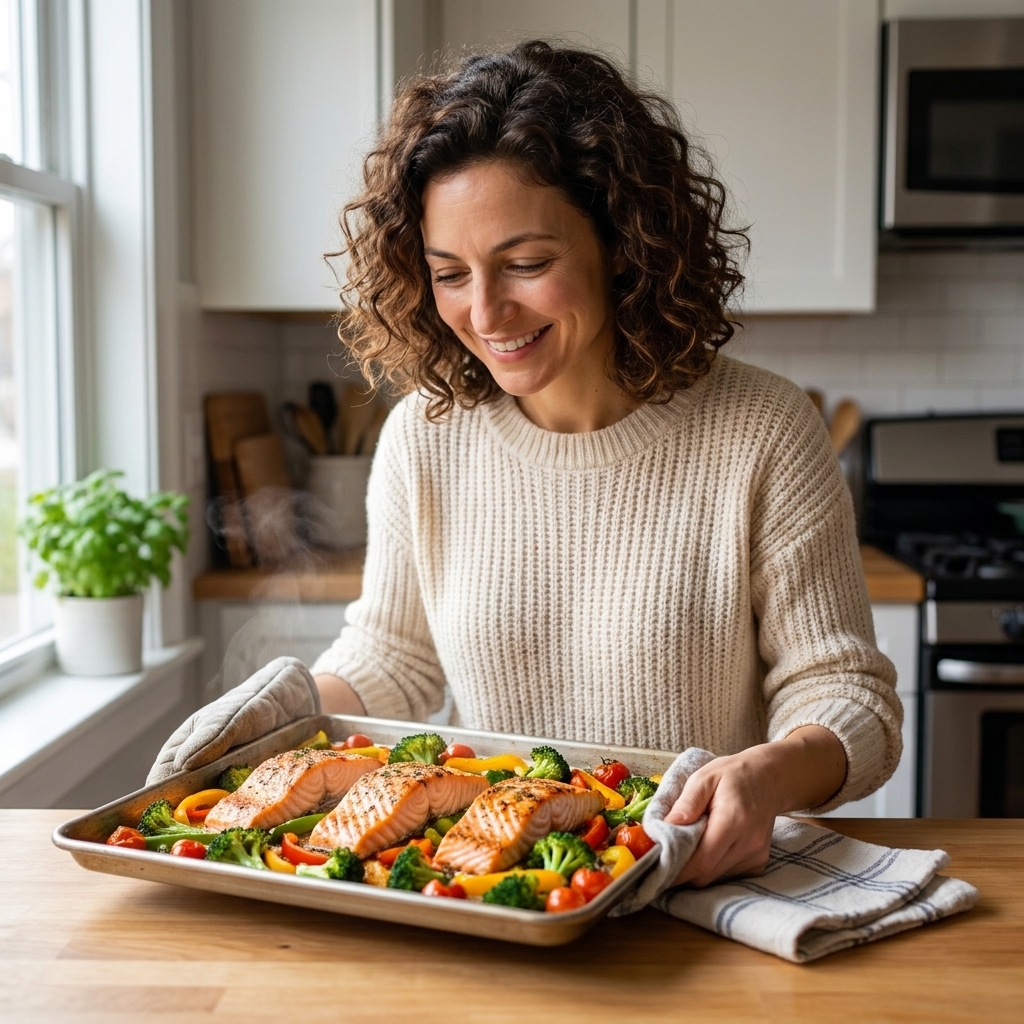
- Best for: sheet-pan dinners, salads, rice bowls
- Prep tip: bake a side of salmon and flake it into lunches for 2 to 3 days
Fats to limit (most days)
Highly processed fried foods
The issue here is usually not just the fat. It’s often the combo of refined carbs, lots of sodium, and oils that can be repeatedly heated in commercial fryers. Enjoying fries now and then is not a moral failing. It’s just not a “most days” foundation.
Heavy reliance on butter, cream, and high-fat meats
These foods can absolutely fit in a balanced diet. The simplest heart-supportive approach is:
- Use olive oil most of the time
- Use butter or cream sometimes for flavor
- Choose leaner proteins more often, and let fattier cuts be the exception
Coconut oil as a main cooking oil
Coconut oil is trendy, but it is high in saturated fat. If you love coconut flavor in certain recipes, great. Just treat it like a specialty oil, not your default.
How to cook with fats
The “best” oil depends on two things: heat and flavor. Here’s the practical way I teach busy families to think about it.
One simple safety rule: try not to routinely heat oils until they smoke. If your pan is smoking, back off the heat, swap oils, or start over. Your food will taste better anyway.
No-heat or low-heat
- Extra-virgin olive oil for bold, peppery flavor
- Toasted sesame oil for a little goes-a-long-way nutty finish (use as flavoring more than a main cooking oil)
- Walnut oil for salads (if you like it, it’s lovely, but it’s usually pricier)
Medium heat
- Extra-virgin olive oil is typically fine for everyday sautéing
- Avocado oil if you want neutral flavor
- Canola oil is a budget-friendly neutral option that’s mostly unsaturated
Higher heat
For higher heat, use an oil that performs well without tasting bitter or smoking quickly. Labels can be confusing here. In general, more refined oils tend to handle higher heat better.
- Avocado oil (neutral, great for roasting)
- Refined olive oil (often labeled “olive oil” or “light olive oil,” milder than EVOO)
- Peanut oil (great for stir-fry, note peanut allergies)
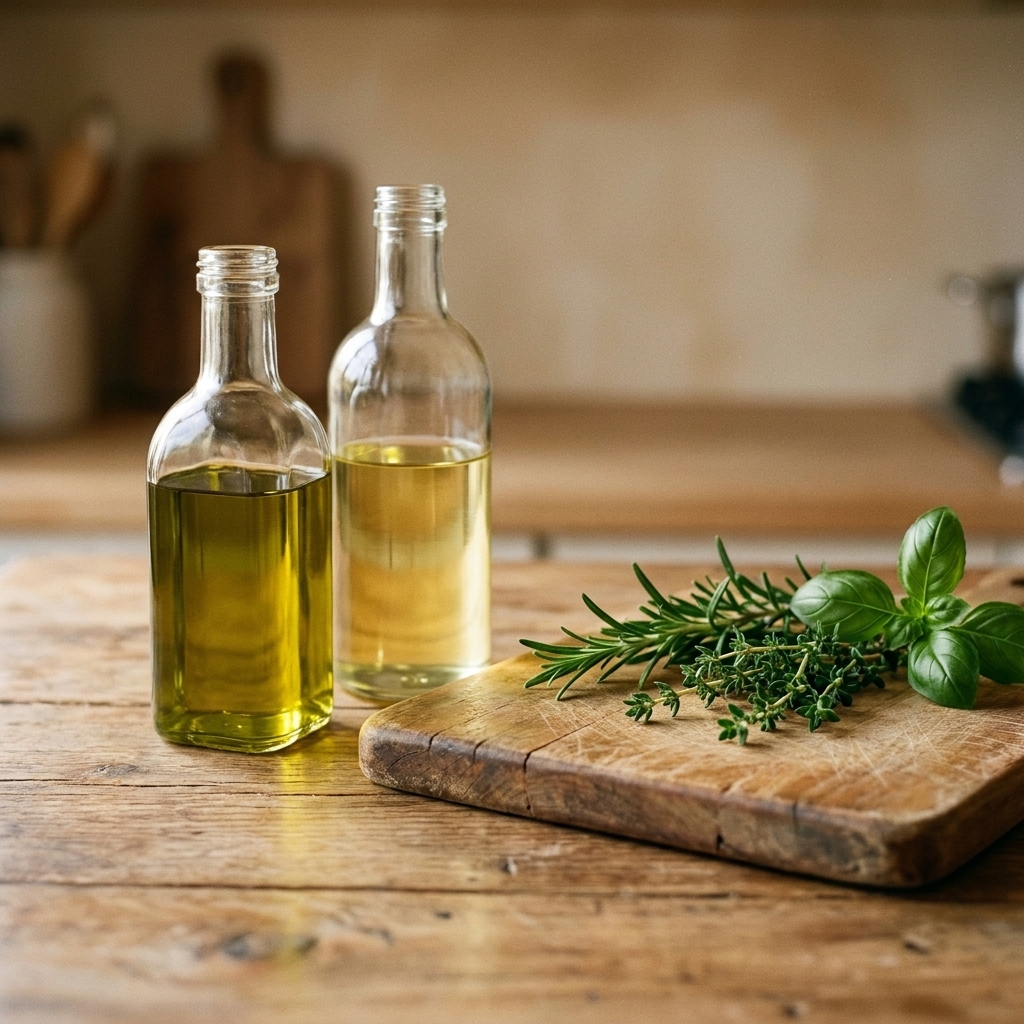
My real-life rule: If you keep EVOO + avocado oil at home, you can handle most cooking tasks without overthinking it.
Meal prep upgrades
1) Build a “fat + fiber” snack
- Apple + peanut butter
- Greek yogurt + chia + berries
- Whole grain toast + avocado + everything seasoning
- Hummus + carrots + crackers
Fat helps with staying power. Fiber helps with fullness and gut health. Together, they keep you from going from “fine” to “hangry” in 12 minutes.
2) Make one sauce that does multiple jobs
Pick one:
- Lemon-olive oil vinaigrette for salads, grain bowls, roasted veg
- Tahini sauce for wraps, roasted cauliflower, chicken
- Peanut-lime sauce for noodles, slaw, stir-fry bowls
3) Use nuts and seeds as a “finish”
Keep one crunchy topper visible in your pantry:
- Chopped walnuts on oatmeal and salads
- Pumpkin seeds on soups and grain bowls
- Sesame seeds on stir-fries
This is the kind of 5-second habit that makes meal prep taste less like leftovers.
Storage and safety
Oils
- Store in a cool, dark spot away from the stove if possible.
- Buy sizes you will use in a couple of months, especially for more delicate oils.
- Watch for rancid smell: crayons, stale nuts, or “off” bitterness are clues it’s time to toss.
Nuts and seeds
- Best storage: fridge or freezer for longer freshness, especially for walnuts, flax, chia, and hemp.
- Ground flax: always store in the fridge or freezer and use within a few months.
Fish
- Frozen counts. Frozen salmon or sardines are budget-friendly and meal-prep friendly.
- Cooked fish is best enjoyed within 2 to 3 days for quality and safety.
Quick FAQ
Do I need to avoid fat to lose weight?
No. Fat is calorie-dense, but it also helps with satisfaction. For many people, including moderate portions of healthy fats makes meals more filling and helps reduce constant snacking. The sweet spot is portion plus pattern, not eliminating an entire nutrient.
Is olive oil safe for cooking?
Yes, for most home cooking methods. Extra-virgin olive oil works well for sautéing and roasting in typical temperature ranges. If you are consistently cooking at very high heat, or you hate any hint of olive flavor, use avocado oil or a refined olive oil.
What about seed oils?
Seed oils like canola, sunflower, safflower, soybean, and corn oil are mostly unsaturated. Omega-6 fats (common in many seed oils) can absolutely fit in a heart-healthy pattern. In real-life diets, the bigger issue is often that these oils show up in ultra-processed foods that are easy to overeat, not that the oils are automatically “toxic.” If you enjoy cooking at home with a neutral oil, choosing one you like and can afford is completely reasonable.
How can I add omega-3s if I do not eat fish?
Use chia, ground flax, hemp hearts, and walnuts regularly. Those provide ALA (a plant omega-3). Your body can convert some ALA into EPA and DHA, though not very efficiently, so some people also consider an algae-based omega-3 supplement. If you’re pregnant, managing triglycerides, or have specific medical needs, it’s worth discussing omega-3 options with your healthcare team.
Are there situations where fat advice looks different?
Yes. Some medical situations need more individualized guidance, like familial hypercholesterolemia (very high LDL), a history of pancreatitis or very high triglycerides, gallbladder issues, or conditions that affect fat absorption. If any of that is in your world, this is a great place to loop in your clinician or a registered dietitian for a plan that fits your labs and symptoms.
The Platepathy way to think about fats
Choose unsaturated fats most often, use saturated fats for flavor sometimes, and avoid industrial trans fats when you can.
If you want a tiny next step that makes a big difference, start here: put olive oil on your grocery list, add one seed (chia or ground flax), and pick one nut you genuinely love. That is not a diet. That is just building a kitchen that supports you on the busy days.