A practical, non-judgy guide to dietary fats: what to eat more often, what to limit, and how to choose the right oil for sautéing, roasting, dressings, and ...
Platepathy
Mediterranean Diet vs. DASH Diet
Mediterranean and DASH are both heart-healthy, science-backed eating patterns. Here’s how they compare on sodium, serving targets, weight loss, blood pressure, and real-life meal prep.

Elena Rossi
Elena Rossi is a Registered Dietitian and meal prep expert who believes that healthy eating shouldn't feel like a second job. Through Platepathy, she translates complex nutrition science into approachable, delicious meal plans designed for real, busy lives.
Published October 18, 2026
Last updated October 18, 2026
If you have ever stood in the grocery aisle thinking, “Okay, I want to eat for my heart… but which plan actually fits my life?” you are not alone. The Mediterranean diet and the DASH diet (Dietary Approaches to Stop Hypertension) are two of the most consistently recommended, research-supported eating patterns for heart health.
They are also refreshingly not gimmicks. No detox teas. No “good vs. bad” food lists. Just a focus on plants, fiber, and fats that support your cardiovascular system.
That said, they feel different in real life, especially when you are meal prepping between soccer practice, meetings, and the nightly “what is for dinner” scramble. Let’s break down what each approach emphasizes, what the science shows, and how to choose the one you can actually stick with.
The 60-second takeaway
- Choose Mediterranean if you want a flexible, food-culture-friendly pattern that emphasizes olive oil, seafood, beans, veggies, and enjoyment.
- Choose DASH if your main goal is lowering blood pressure and you like clearer daily targets, especially around sodium and servings.
- You cannot really pick “wrong.” Many people thrive on a Mediterranean-DASH hybrid (and yes, it is very meal-prep friendly).
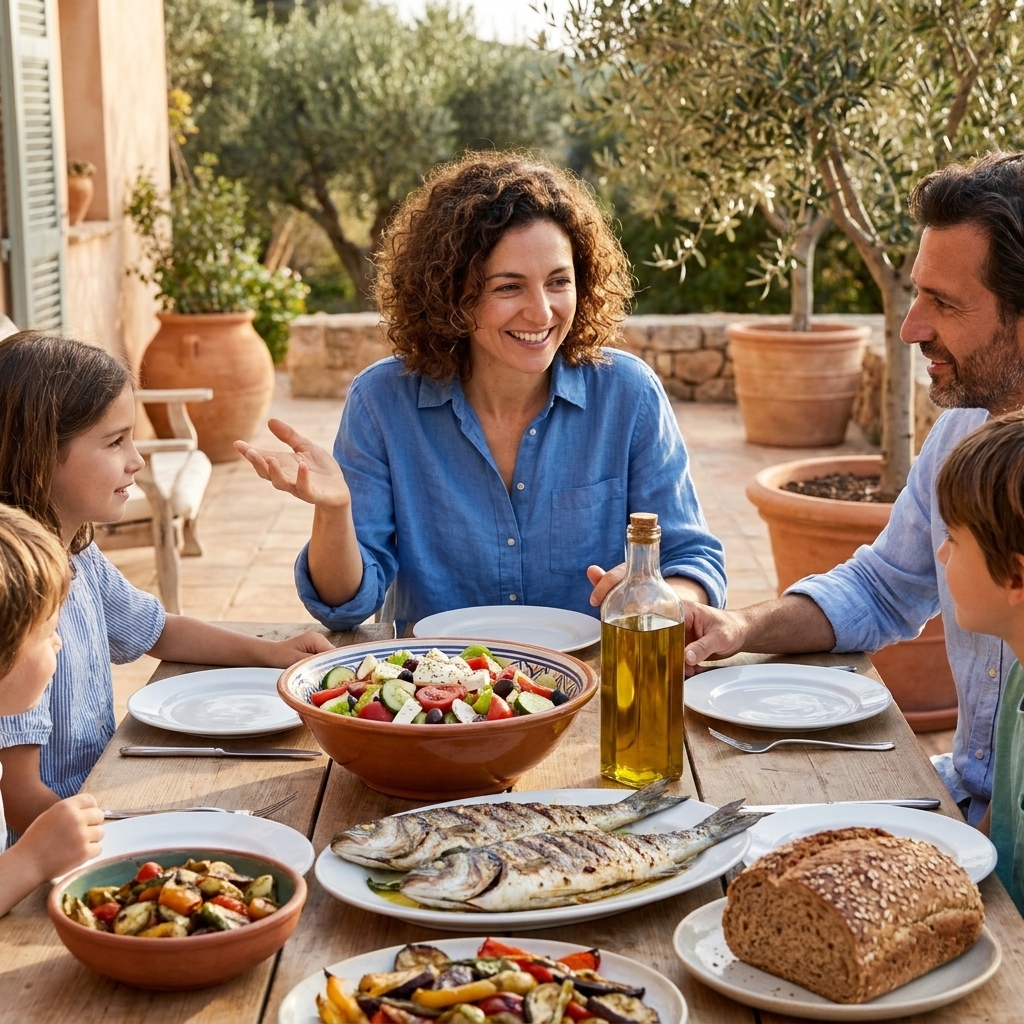
Mediterranean diet basics
The Mediterranean diet is inspired by traditional eating patterns in countries bordering the Mediterranean Sea. It is less of a strict “diet” and more of a way of eating that naturally leans plant-forward.
Core principles
- Plants most of the time: vegetables, fruit, beans, lentils, whole grains, nuts, seeds
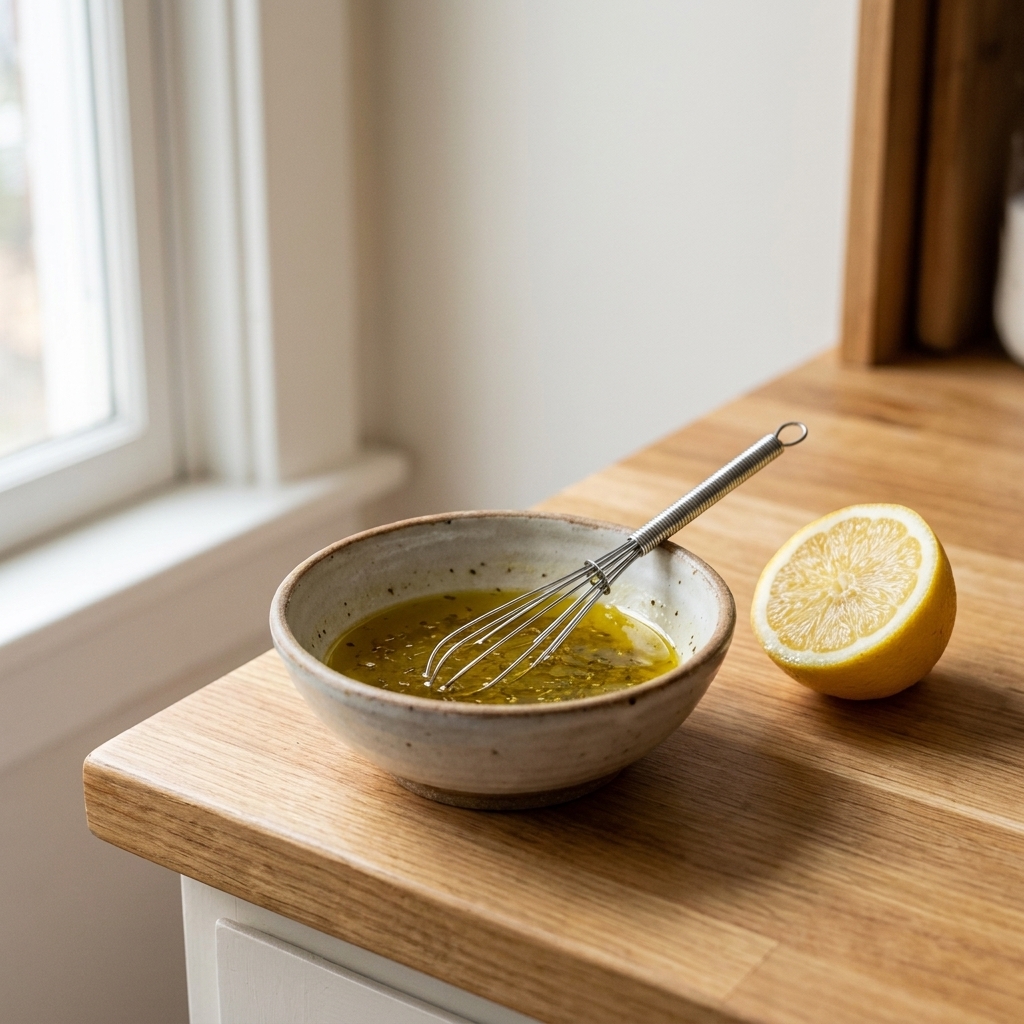
- Olive oil as the primary fat
- Seafood regularly (often a few times per week)
- Poultry, eggs, dairy in moderate amounts (often yogurt and cheese)
- Red meat and sweets less often
- Flavor from herbs, garlic, citrus, spices more than from heavy sauces
One reason I love recommending Mediterranean-style eating is that it is naturally satisfying. Healthy fats and fiber make meals feel like meals, not diet food.
DASH diet basics
DASH was developed through clinical research specifically to help reduce high blood pressure. It is also a heart-healthy pattern overall, but its origin story matters: DASH is built to be measurable and repeatable, especially around minerals and sodium that influence blood pressure.
Core principles
- Fruits and vegetables daily (rich in potassium, magnesium, and fiber)
- Whole grains as staples
- Low-fat or fat-free dairy more emphasized than in many Mediterranean patterns
- Lean proteins (fish, poultry, beans) and nuts and seeds
- Sodium awareness (often capped around 2,300 mg per day, with a stricter 1,500 mg option for some people; some DASH research also examines higher sodium levels closer to typical intakes)
- Limit sweets and sugary drinks
DASH can feel structured, which some people find calming and others find annoying. If decision fatigue is your biggest barrier, the structure can be a gift.
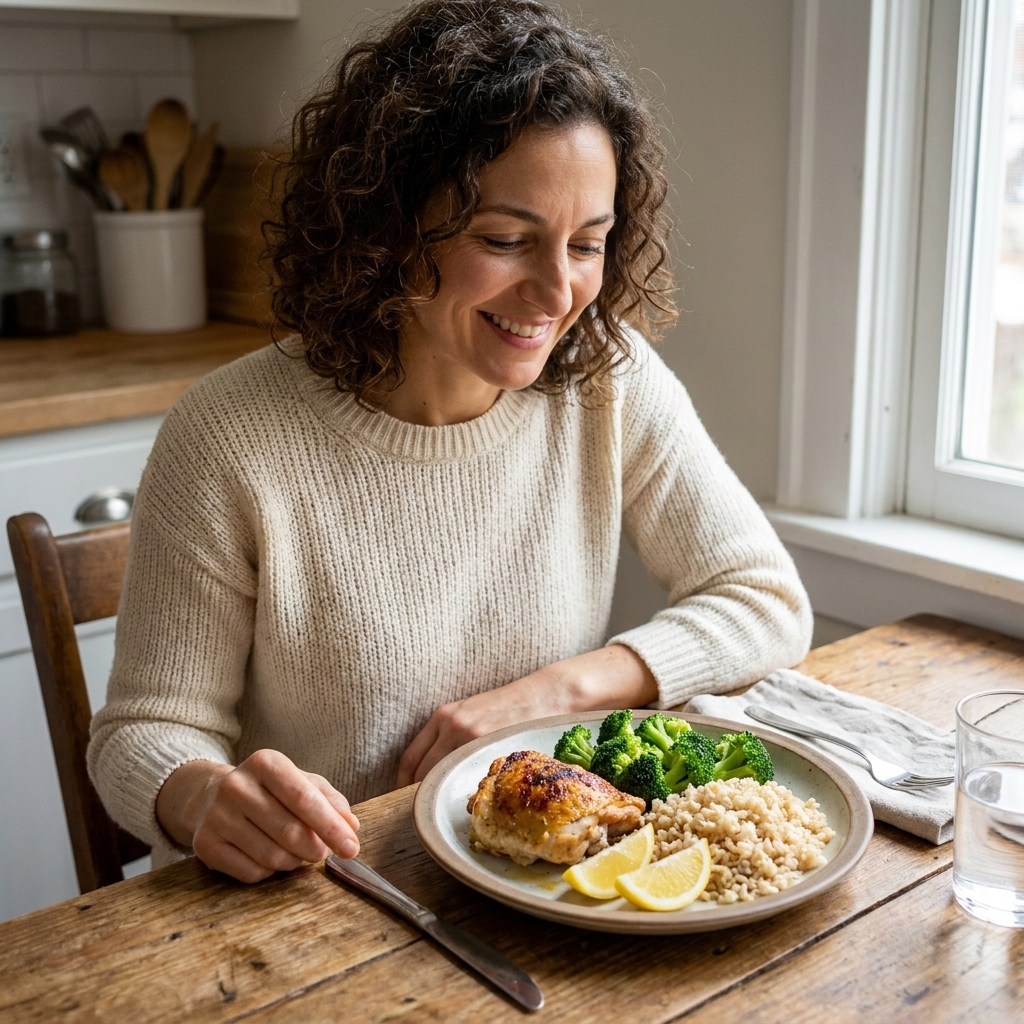
Mediterranean vs. DASH
1) The big goal
- Mediterranean: broad cardiovascular protection and metabolic health through quality fats, fiber, and minimally processed foods.
- DASH: lowering blood pressure is the headline goal, with heart health benefits that extend beyond blood pressure.
2) Sodium
If you have hypertension, sodium is usually where DASH clearly stands apart. Mediterranean eating often ends up lower in sodium compared to a typical Western pattern, but it does not inherently set a sodium target.
- DASH intentionally includes sodium goals, and it pairs that with potassium-rich foods (think produce and beans) that support healthy blood pressure.
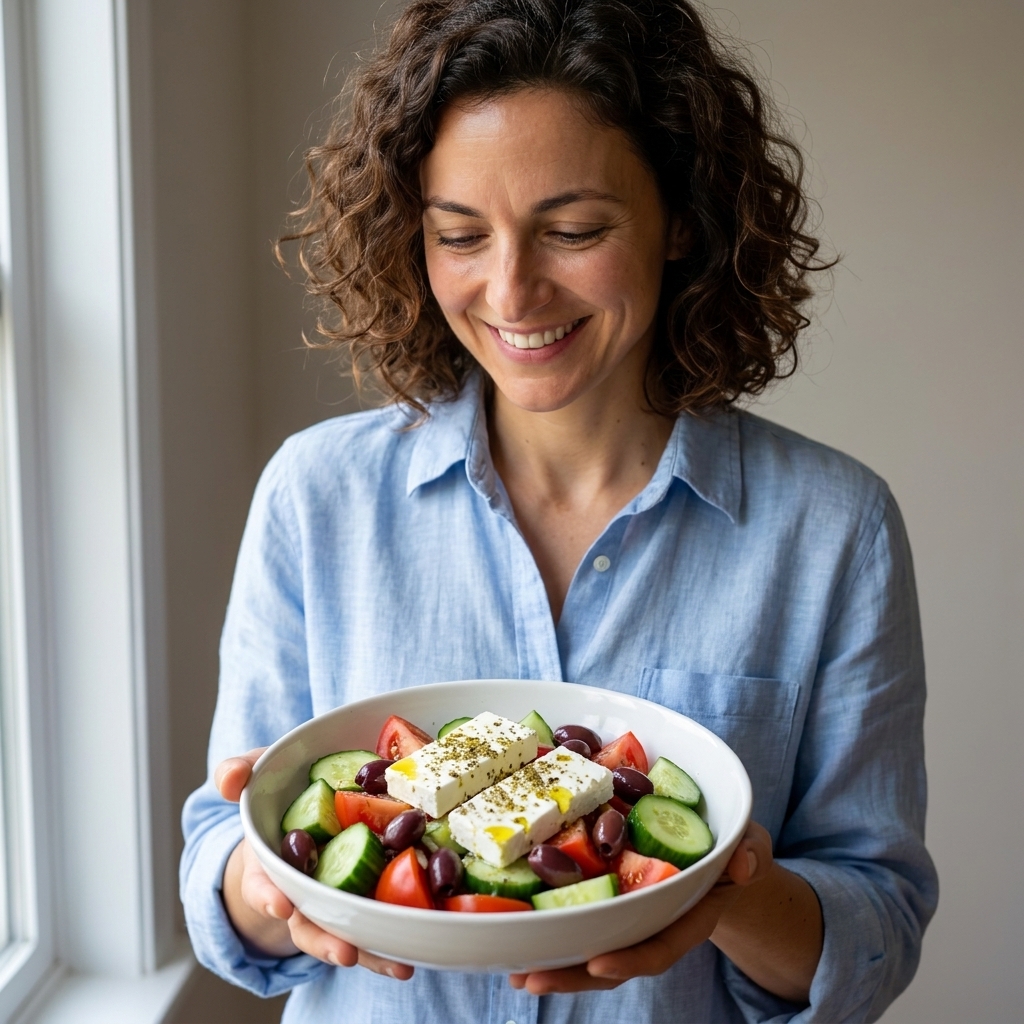
- Mediterranean may include salty foods like olives, feta, and certain breads or canned items, depending on your choices.
Meal prep reality check: sodium is mostly a packaged and restaurant-food issue. If you batch-cook proteins and grains and keep quick sauces lower-sodium, you can make either approach work.
3) Fats
- Mediterranean is more explicitly olive-oil forward, and research often highlights monounsaturated fats and omega-3s (from fish, nuts, and seeds) as part of the benefit.
- DASH is not necessarily ultra low-fat, but it does emphasize limiting saturated fat, often by leaning on low-fat dairy and lean proteins.
4) Dairy
- DASH typically includes more low-fat dairy, which contributes calcium and protein.
- Mediterranean tends to include dairy in smaller amounts, often as yogurt or cheese.
If you are lactose intolerant or simply not a big dairy person, Mediterranean may feel more natural. DASH can still work with lactose-free milk, fortified soy milk, or yogurt you tolerate, but it takes a bit more intentional planning.
5) Alcohol
You will often hear that Mediterranean includes wine. In practice, you do not need alcohol for Mediterranean benefits, and if you do drink, moderation matters. DASH does not emphasize alcohol, and for blood pressure specifically, reducing alcohol can help.
If alcohol is a trigger for you, you have full permission to skip it entirely on either plan.
Health benefits
Mediterranean
- Cardiovascular risk reduction (including improved cholesterol patterns and lower risk of major cardiac events in multiple studies)
- Inflammation support (associated with lower inflammatory markers in some studies, likely thanks to plant variety, healthy fats, and fiber)
- Metabolic support (often helpful for insulin sensitivity and weight management when overall intake matches needs)
DASH
- Blood pressure reduction, often seen within a few weeks in studies, especially when sodium is reduced
- Improved overall diet quality because it emphasizes produce, whole grains, and lean proteins
- Heart health support through fiber, minerals, and reduced saturated fat and sodium
Important note from your friendly dietitian: if you are on blood pressure medication, do not change sodium intake drastically without looping in your clinician. Big shifts can affect readings.
Also worth flagging: DASH leans on potassium-rich foods (fruits, veggies, beans). That is wonderful for most people, but if you have chronic kidney disease, are on dialysis, have heart failure, or take medications that can raise potassium (for example, ACE inhibitors, ARBs, or potassium-sparing diuretics), ask your clinician what potassium goals make sense for you.
What about weight loss?
Neither is a weight loss diet by design, and that is part of why they are sustainable. Weight change usually comes down to your overall pattern, portions, and consistency over time.
- Mediterranean can support weight loss because it is filling and satisfying, which helps reduce the urge to snack on ultra-processed foods later.
- DASH can support weight loss because it is naturally high in volume (produce) and often lower in calorie density, especially if you emphasize lean proteins and whole foods.
If weight loss is a goal, I typically ask: “Which approach will you happily eat on a random Wednesday in February?” That is usually the winning plan.
Meal prep
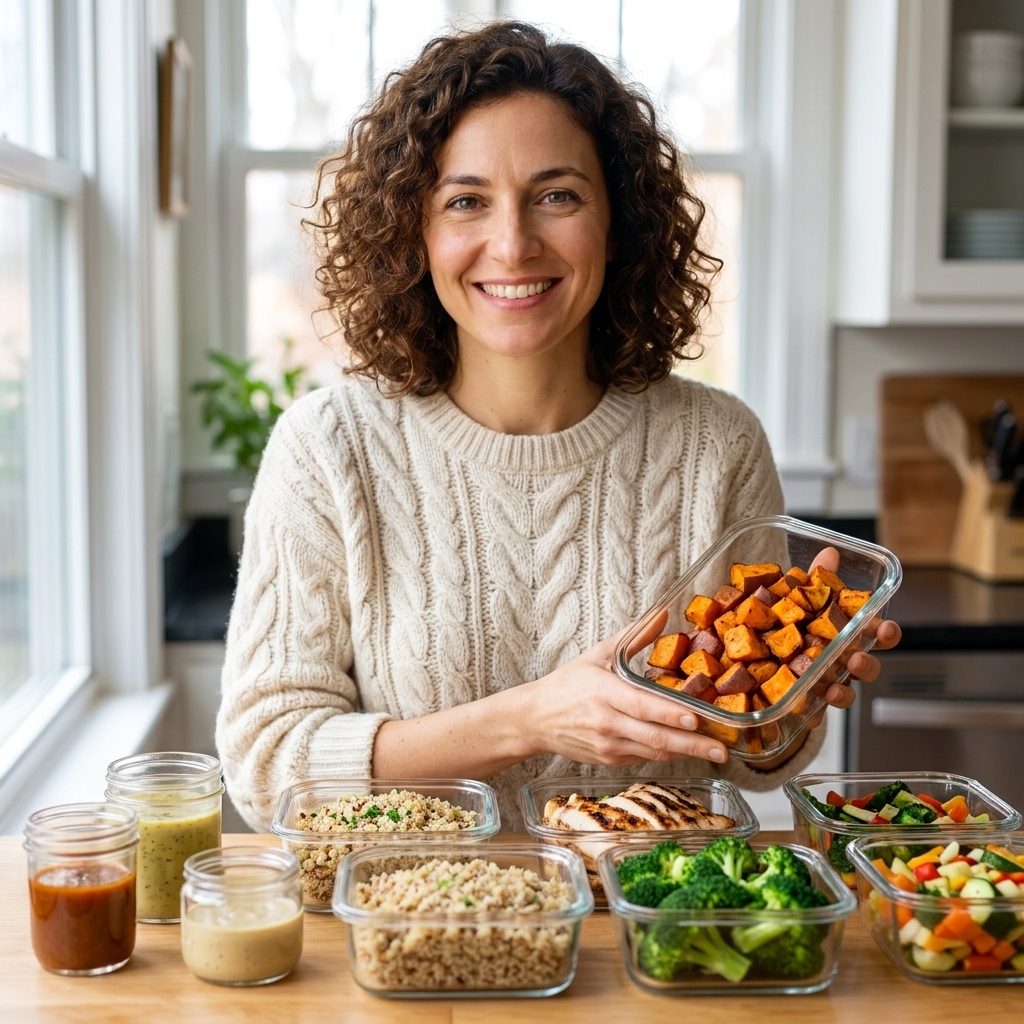
As a mom and a lifelong Sunday batch-cooker, I will say this clearly: both are meal-prep friendly. The difference is what you need to prep.
Mediterranean prep style
- Cook a big batch of farro, brown rice, or quinoa
- Roast two sheet pans of vegetables
- Prep a protein: lemon-herb chicken or salmon
- Make one “hero” sauce: tahini lemon sauce or tzatziki
- Stock easy extras: chickpeas, olives, feta, nuts
This style is incredibly forgiving. You can mix and match bowls, salads, wraps, and plates without feeling repetitive.
DASH prep style
- Batch-cook lean proteins with herbs and citrus instead of salty marinades
- Choose lower-sodium pantry staples (beans, broths, canned tomatoes)
- Prep snacks that fit the pattern: yogurt, fruit, unsalted nuts, cut veggies
- Keep whole grains ready to go
If you are used to grabbing packaged meals, DASH can require a short adjustment period. Once your kitchen is stocked with the right lower-sodium defaults, it becomes much easier.

DASH is a great first pick if
- You have high blood pressure or your clinician has told you to watch sodium.
- You have a strong family history of hypertension and want an evidence-based plan.
- You like clearer targets and do not want to guess what “healthy” means day to day.
- You rely on packaged or restaurant foods and want a plan that nudges you toward better defaults.
Mediterranean is a great first pick if
- You want a flexible, enjoyable lifestyle approach you can keep for years.
- You love foods like olive oil, seafood, beans, and big salads.
- You feel burned by overly rigid plans and want something that supports a peaceful relationship with food.
- You are trying to improve cholesterol, increase fiber, or simply eat more plants without micromanaging.
A practical hybrid approach
Real life rarely fits neatly into one label. One of my favorite heart-healthy combinations looks like this:
- Mediterranean foundation: olive oil, fish, beans, nuts, veggies, whole grains
- DASH guardrails: keep sodium reasonable, prioritize potassium-rich produce, and watch ultra-processed salty foods
That blended approach is often the sweet spot for families: it tastes good, it feels normal, and it supports heart health without turning dinner into homework.
Budget notes
Both patterns can be budget-friendly, but the “Instagram version” of Mediterranean can get pricey fast. A few money-saving swaps that still fit the spirit:
- Use beans and lentils more often and treat seafood as “a few times a week when you can,” not an all-or-nothing rule.
- Buy frozen vegetables and fruit. They are nutritious, affordable, and meal-prep gold.
- Choose canned fish (like salmon, sardines, or tuna). Look for lower-sodium options if blood pressure is the priority.
- Buy nuts and olive oil where you can, then use them strategically. A small handful of nuts or a tablespoon of olive oil goes a long way.
DASH targets at a glance
If you like structure, here are a few classic DASH serving targets people often use (needs vary by calorie level):
- Vegetables: about 4 to 5 servings per day
- Fruits: about 4 to 5 servings per day
- Whole grains: several servings per day
- Low-fat dairy: about 2 to 3 servings per day
If you want the full, official breakdown by calorie level, the NHLBI DASH eating plan is a solid reference.
Easy meals that fit both
Breakfasts
- Greek yogurt with berries, chopped nuts, and cinnamon (choose lower-sugar yogurt)
- Overnight oats with chia seeds, sliced banana, and a spoon of peanut butter (unsalted if possible)
- Veggie omelet with a side of fruit and whole grain toast
Lunches
- Chickpea salad with cucumbers, tomatoes, herbs, lemon, and olive oil, served with whole grain pita
- Leftover grain bowl with roasted vegetables, chicken or white beans, and a yogurt-based sauce
- Tuna and white bean salad with arugula and a citrus-olive oil dressing (use lower-sodium tuna if needed)
Dinners
- Sheet pan salmon with lemon, green beans, and baby potatoes
- Turkey and lentil chili using no-salt-added tomatoes and extra veggies
- Chicken souvlaki-style with tzatziki, salad, and brown rice
If you are feeding kids, my best trick is “build-your-own plates”: set out the components and let everyone assemble. Less negotiating, more eating.
FAQ
Which is better for high blood pressure?
DASH has the strongest direct evidence for lowering blood pressure, especially when sodium is reduced. Mediterranean-style eating can also support healthy blood pressure, particularly when it is rich in produce and minimally processed foods. If your main goal is blood pressure control, I usually start with DASH principles and layer in Mediterranean flavors.
Do I have to track anything?
No. Neither pattern requires tracking. If tracking helps you learn for a short season, that can be okay, but it is not required for success.
Can I do either as a vegetarian?
Yes. Mediterranean is very vegetarian-adaptable, even though many traditional versions include fish. DASH also works well vegetarian. Emphasize beans, lentils, tofu, unsalted nuts and seeds, whole grains, and plenty of fruits and vegetables. Watch sodium in meat substitutes, since some are quite salty.
What if I love cheese and olives, but I need to lower sodium?
You do not have to ban them. Use smaller portions and balance them with lower-sodium foods. For example: a big unsalted salad with a modest sprinkle of feta, or olives as a garnish instead of the main event. Choosing lower-sodium cheeses more often also helps.
How to choose
If you are stuck deciding, ask yourself these two questions:
- What is my main health target right now? If it is blood pressure, lean DASH. If it is overall heart health and long-term consistency, Mediterranean may feel easier.
- What will I realistically cook and enjoy? The best plan is the one that fits your taste buds, schedule, budget, and stress level.
Heart-healthy eating should not feel like a second job. Start with one or two changes you can keep, like switching to olive oil, adding a bean-based lunch twice a week, or choosing lower-sodium pantry staples. Your future self will thank you, and your present self will still have time to live your life.