A warm, practical guide to anti-inflammatory eating with a printable food matrix, smart swaps, and batch-cooking tips for supportive, weeknight-friendly meals.
Platepathy
12 Anti-Inflammatory Foods for Your Next Weekly Meal Plan
Build a calmer, more colorful plate with 12 anti-inflammatory foods plus simple prep ideas that make weeknight dinners easier and more gut-friendly.

Elena Rossi
Elena Rossi is a Registered Dietitian and meal prep expert who believes that healthy eating shouldn't feel like a second job. Through Platepathy, she translates complex nutrition science into approachable, delicious meal plans designed for real, busy lives.
Published October 18, 2026
Last updated October 18, 2026
If you have ever searched for “anti-inflammatory foods,” you have probably seen long lists that feel more like homework than dinner. Platepathy version: we focus on everyday foods you can actually buy, prep once, and use all week, with flavor in mind and flexibility built in.
Before we jump in, a quick reminder I give my clients and my past self (the exhausted project manager who lived on takeout): inflammation is not inherently “bad.” It is part of how your body heals. Chronic, low-grade inflammation is the piece we try to dial down with sleep, movement, stress support, and a pattern of eating that includes plants, fiber, healthy fats, and enough protein.
These foods are not magic cures. They are helpful building blocks. And no single food is “anti-inflammatory” in isolation. The benefits come from the overall pattern, repeated over time.
What makes a food “anti-inflammatory”?
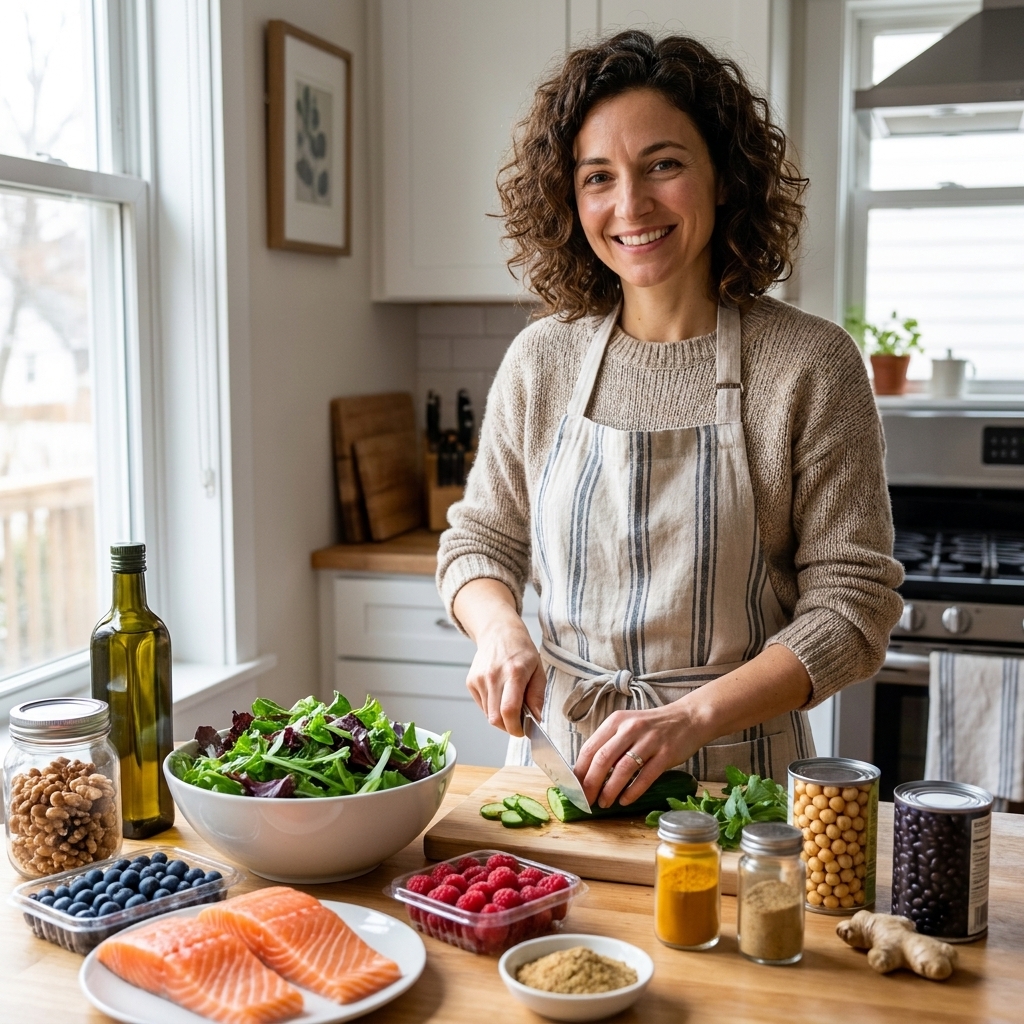
In plain language, many foods that fit an anti-inflammatory eating pattern tend to be rich in:
- Antioxidants (like vitamin C, vitamin E, polyphenols) that help manage oxidative stress
- Omega-3 fats that may support inflammatory balance (especially in heart health and some inflammatory markers, depending on the person)
- Fiber that feeds your gut microbes and supports regularity, cholesterol management, and steadier blood sugar
- Phytonutrients (plant compounds) that add color, flavor, and protective benefits
The most “anti-inflammatory” weekly meal plan is usually not built around a single superfood. It is built around a consistent rhythm: vegetables, fruit, beans or whole grains, quality proteins, and healthy fats.
12 anti-inflammatory foods to add this week
Pick 3 to 5 for the coming week and plan simple ways to use them more than once. That is the secret sauce for busy lives.
1) Fatty fish (salmon, sardines, trout)
Why it helps: Fatty fish is one of the best food sources of omega-3s (EPA and DHA). In research, these fats are linked with heart health benefits and may help support a healthier inflammatory profile in some people.
Easy ways to use it:
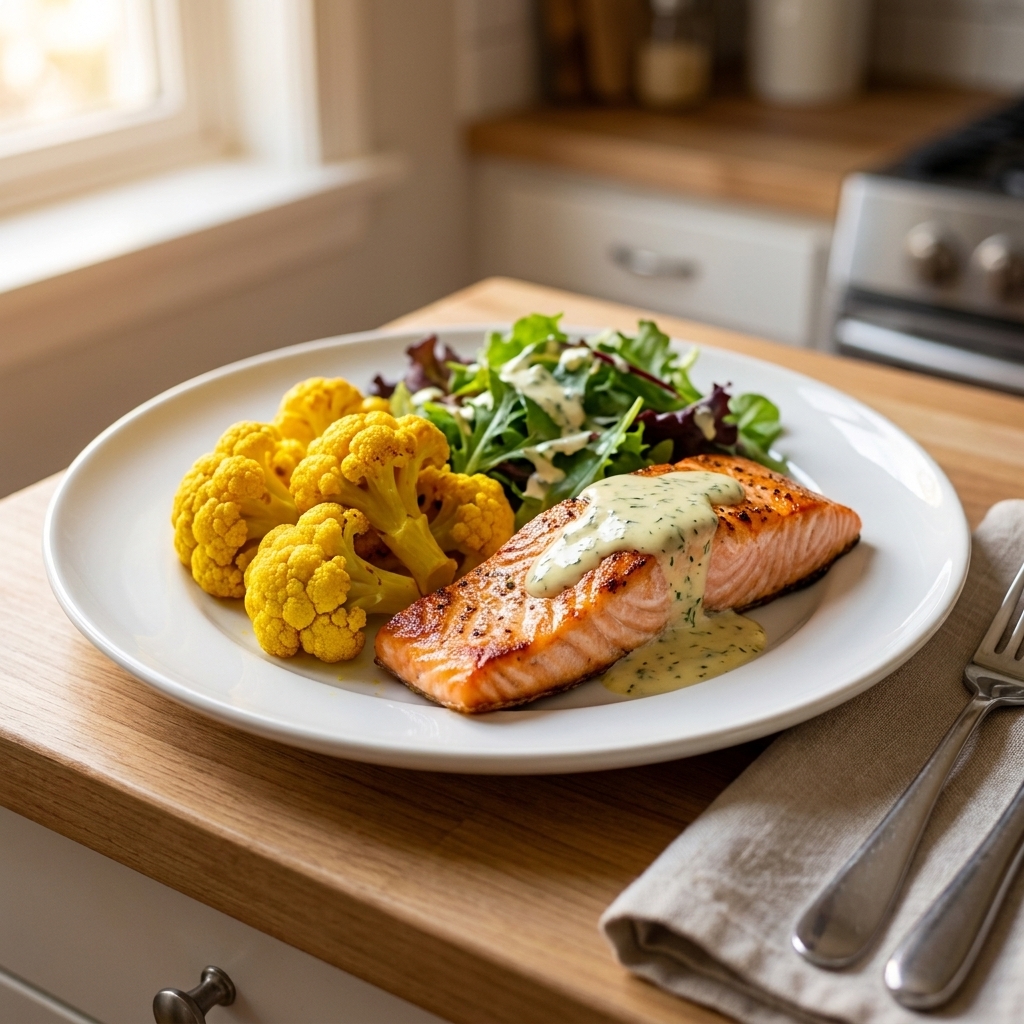
- Sheet pan salmon: roast at 400°F with lemon, garlic, and a pile of broccoli
- Salmon salad: mix cooked flaked salmon (or canned) with Greek yogurt, Dijon, celery, and dill
- Sardine toast: mashed sardines with olive oil, lemon, and parsley on whole grain bread
2) Extra virgin olive oil
Why it helps: Extra virgin olive oil contains monounsaturated fats and polyphenols that are linked with anti-inflammatory benefits, especially in Mediterranean-style eating patterns.
Easy ways to use it:
- Make a weekly dressing: olive oil + lemon + Dijon + salt + pepper
- Finish soups and roasted veggies with a drizzle right before serving
- Use it for most everyday home cooking (sautéing and roasting). Skip repeated high-heat deep-frying to protect flavor and quality.
3) Berries (blueberries, raspberries, strawberries)
Why it helps: Berries are rich in anthocyanins and other polyphenols, plus fiber for gut support.
Easy ways to use it:
- Buy frozen for budget and convenience
- Stir into oats or Greek yogurt with chopped nuts
- Add to salads with goat cheese and walnuts for a sweet-savory moment
4) Leafy greens (spinach, kale, arugula)
Why it helps: Leafy greens deliver folate, vitamin K, carotenoids, and fiber. They are a quiet powerhouse for overall health.
Easy ways to use it:
- Greens upgrade for pasta: toss spinach into hot pasta right before serving
- Massage kale with olive oil and lemon for a quick base salad that holds up for days
- Blend a handful of spinach into smoothies without changing the flavor much
5) Cruciferous vegetables (broccoli, Brussels sprouts, cabbage)
Why it helps: These veggies provide compounds like glucosinolates and plenty of fiber, supporting antioxidant defenses and gut health.
Easy ways to use it:
- Roast a big tray for lunches: broccoli + Brussels with olive oil, salt, pepper
- Quick slaw: shredded cabbage + lime + olive oil + pinch of salt
- Stir-fry kit: pre-chop broccoli and keep it ready for weeknight sauté
6) Beans and lentils
Why it helps: Beans deliver fiber and plant protein, both of which support the gut microbiome and steadier blood sugar patterns.
Easy ways to use it:
- Keep canned beans on hand and rinse to reduce sodium
- Make a lentil soup that becomes lunch for 2 to 3 days
- Toss chickpeas into salads, grain bowls, or pasta
7) Whole grains (oats, quinoa, brown rice, barley)
Why it helps: Whole grains provide fiber and micronutrients that refined grains lose, helping support gut health and cardiometabolic health.
Easy ways to use it:
- Cook a pot of quinoa or brown rice on Sunday for bowls and stir-fries
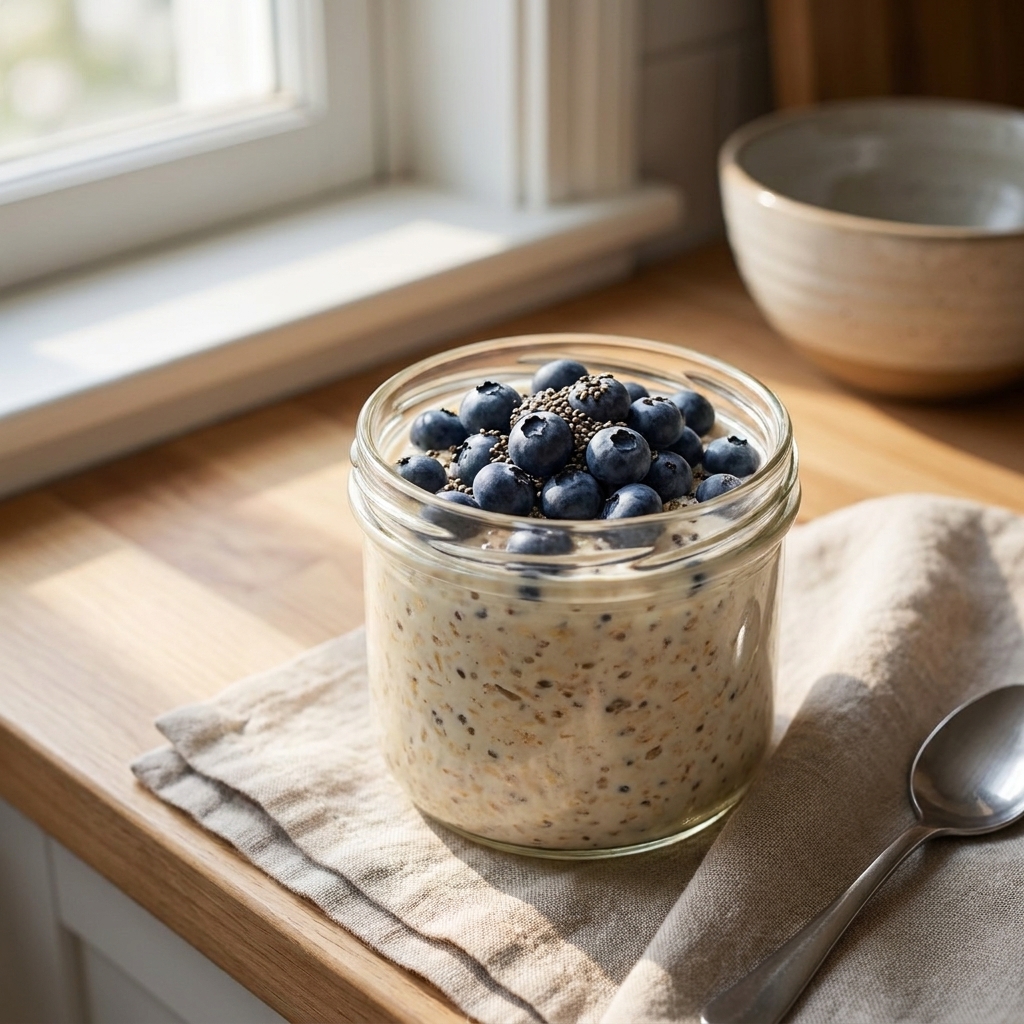
- Overnight oats with berries and chia for grab-and-go breakfasts
- Swap half your white rice or pasta for a whole grain option as a gentle transition
8) Nuts and seeds (walnuts, chia, flax, pumpkin seeds)
Why it helps: Nuts and seeds provide fiber, magnesium, and healthy fats. Walnuts, chia, and flax offer plant omega-3s (ALA).
Easy ways to use it:
- Add chia or ground flax to yogurt, oats, or smoothies
- Keep walnuts by the stove to sprinkle on roasted vegetables
- Make a snack box: nuts + fruit + cheese or yogurt
9) Avocado
Why it helps: Avocados bring monounsaturated fats and fiber, which support heart health and satisfaction at meals.
Easy ways to use it:
- Avocado + eggs on whole grain toast
- Dice into tacos, bowls, and salads for creamy balance
- Blend into a green dressing with lime, cilantro, and olive oil
10) Turmeric (plus black pepper)
Why it helps: Turmeric contains curcumin, a compound studied for anti-inflammatory potential. In studies, piperine (from black pepper) has increased curcumin bioavailability, although the effect may be smaller when you are using everyday cooking amounts.
Easy ways to use it:
- Stir into lentil soup, chili, or curry
- Season roasted cauliflower or sweet potatoes with turmeric, cumin, and salt
- Make a simple golden marinade: olive oil + turmeric + garlic + lemon
11) Ginger
Why it helps: Ginger contains bioactive compounds (like gingerols) associated with antioxidant and anti-inflammatory effects. It also adds a bright, wake-up-your-taste-buds zing.
Easy ways to use it:
- Grate fresh ginger into stir-fries and marinades
- Simmer ginger with broth for a soothing soup base
- Add to smoothies with pineapple, spinach, and yogurt
12) Fermented foods (yogurt, kefir, kimchi, sauerkraut)
Why it helps: Fermented foods can support gut health through live cultures and fermentation byproducts. Since gut health and inflammation are closely linked, they can be a helpful addition for many people.
Easy ways to use it:
- Choose yogurt with live and active cultures and minimal added sugar
- Look for kimchi or sauerkraut labeled unpasteurized (or stored refrigerated) if you want live cultures at the time of eating
- Use kefir in smoothies for extra protein and tang
Platepathy note: If fermented foods do not agree with you, you are not failing the assignment. You can get gut-supportive benefits from fiber-rich plants, beans, oats, and seeds too.
Turn this into a weekly plan
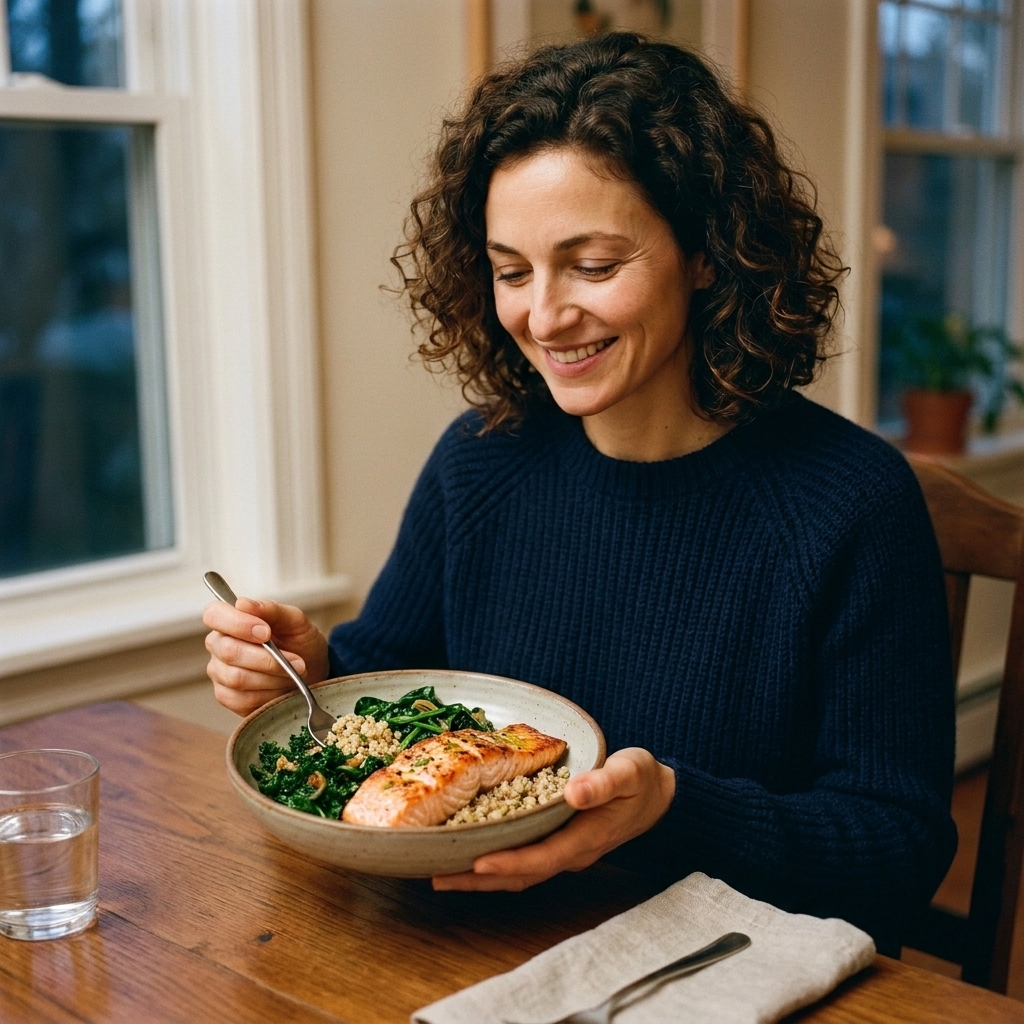
If meal planning has ever felt like a personality test you failed, try this gentler structure. You only need a few anchors.
Step 1: Pick 2 proteins
- Example: salmon + lentils
- Or: canned sardines + chicken thighs
- Plant-forward option: tofu or edamame + lentils
Step 2: Pick 2 to 3 vegetables
- Example: broccoli + spinach + cabbage
Step 3: Pick 1 whole grain
- Example: quinoa or brown rice
Step 4: Add 2 boosters
- Example: berries + walnuts
- Bonus: turmeric and ginger for flavor
Step 5: Make one sauce or dressing
This is what makes leftovers feel like a meal you meant to make. A simple lemon-olive oil dressing or an avocado-lime sauce can carry you all week.
Platepathy tip: If you can roast one sheet pan of vegetables and cook one pot of grains, you are most of the way to a calmer week.
A sample mix and match week
Here is a realistic example of how this can look without cooking a brand-new recipe every night.
- Breakfasts: Overnight oats with chia, berries, and yogurt
- Lunches: Quinoa bowls with lentils, roasted broccoli, greens, olive oil dressing, and pumpkin seeds
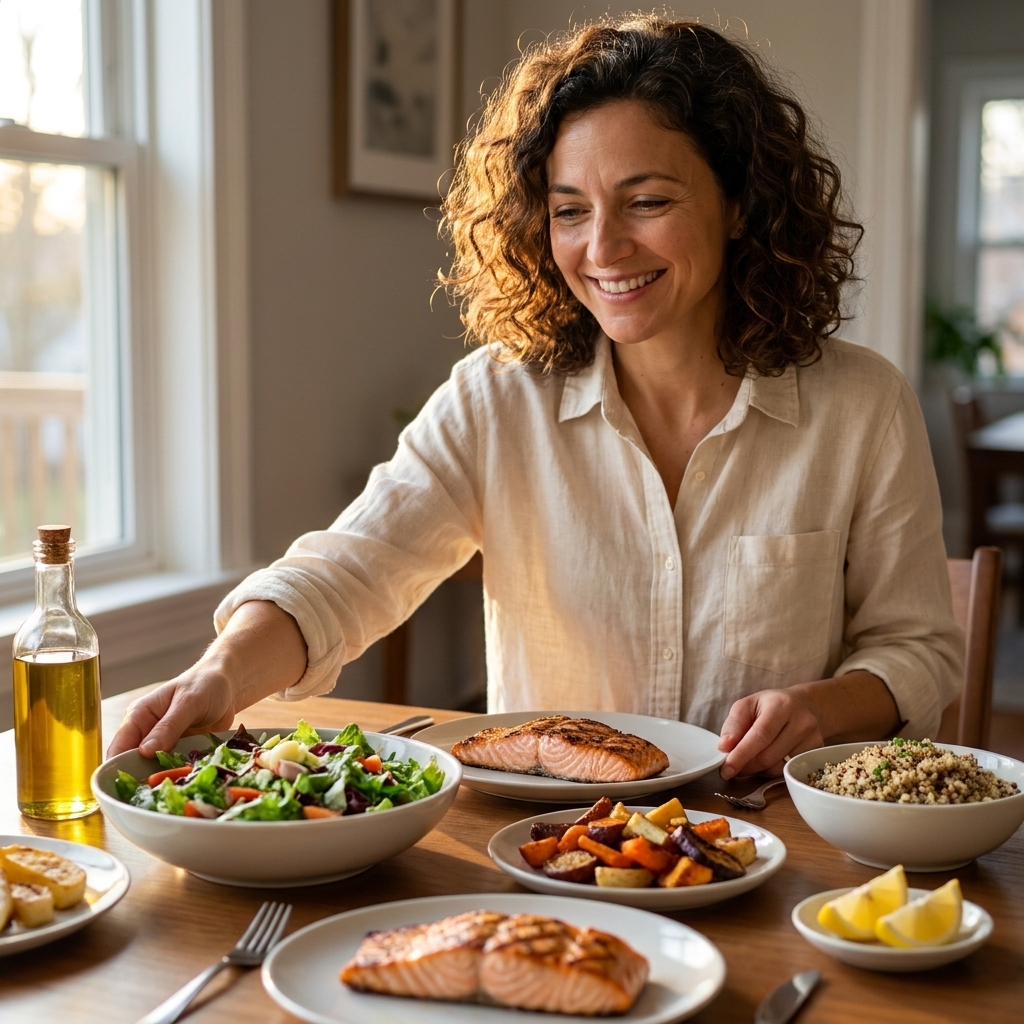
- Dinners: Sheet pan salmon with Brussels sprouts and brown rice, plus a side of sauerkraut (if you tolerate it) or a quick cabbage slaw
- Snacks: Walnuts + fruit, or yogurt with grated ginger and honey
What to limit (without the drama)
This article is intentionally add-focused, because that is where habits stick. Still, if you are trying to support chronic inflammation, it may help to keep a gentle eye on the usual suspects:
- Ultra-processed snacks and sweets that crowd out fiber, protein, and micronutrients
- Alcohol, especially if it affects your sleep, mood, reflux, or recovery
- Sleep-disrupting caffeine habits, since sleep is a major inflammation lever
No need for perfection. Aim for a pattern where the everyday defaults are plants, fiber, and healthy fats, and the extras stay truly extra.
FAQ
Do I need to eat all 12 foods to get benefits?
Nope. Think variety over time. Start with what you already like and what fits your budget, then rotate in new options when you are ready.
Are nightshades inflammatory?
For most people, nightshades (tomatoes, peppers, eggplant, potatoes) are nutritious and not a problem. If you personally notice symptoms that reliably flare with a certain food, it can be worth discussing with a Registered Dietitian for individualized guidance.
Is coffee inflammatory?
Coffee contains polyphenols and can fit into an anti-inflammatory pattern for many people. The bigger issue is what you add to it and how it affects your sleep, anxiety, or reflux. A good rule: enjoy it, but protect your sleep.
What if I am short on time?
Lean on frozen berries and frozen vegetables, canned beans, microwaveable brown rice, and canned fish. Anti-inflammatory eating can absolutely come from convenience foods when you choose wisely.
Safety notes
If you are pregnant, managing an autoimmune condition or GI condition, have histamine intolerance, or take medications (especially blood thinners), check with your clinician before significantly increasing supplements or using large amounts of turmeric, ginger, or concentrated herbal products. Food amounts are usually fine for most people, but your situation is allowed to be specific.
Gentle next step
Pick just three foods from this list for your next grocery run, and plan one low-effort way to use each twice. That is how real habits form: small, repeatable wins.
And if you want a simple starting combo that works in almost any kitchen: olive oil + leafy greens + berries. Add a protein you love, and you are on your way.