Keep meal prep from getting boring with modular ingredients, mix-and-match sauces, smarter storage, and simple variety strategies that work for real, busy we...
Platepathy
Meal Prep for Vegans and Meat-Eaters
Cook once, eat together: smart meal prep strategies and modular templates that let you build one baseline dinner and finish it vegan or omnivore in minutes.

Elena Rossi
Elena Rossi is a Registered Dietitian and meal prep expert who believes that healthy eating shouldn't feel like a second job. Through Platepathy, she translates complex nutrition science into approachable, delicious meal plans designed for real, busy lives.
Published October 18, 2026
Last updated October 18, 2026
Mixed-diet households are very common and also incredibly exhausting if you try to cook two separate dinners every night. I have lived that life, the “two pans, two timelines, everyone hungry at 5:47 PM” chaos. The good news is you do not need two menus. You need one baseline plus a few finishers.
Think of it like building a meal the way you build a playlist: one shared vibe, then a couple of personal add-ons. When the base is solid (fiber, color, carbs, and a protein plan), everyone gets fed with less effort and far fewer dishes.
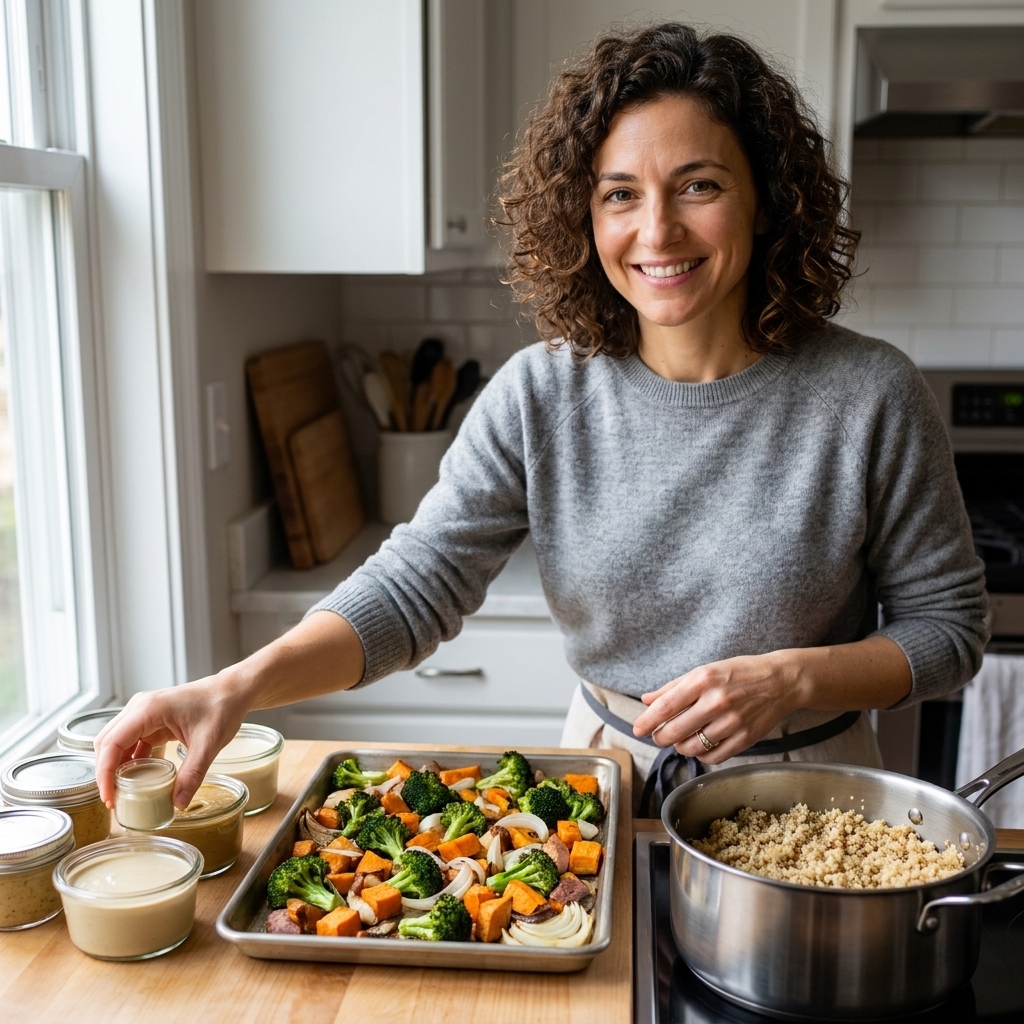
The baseline method
The goal is one shared core meal that works for everyone, then quick protein and flavor choices that make it vegan or omnivore at the table.
Platepathy is my shorthand for cooking with empathy and boundaries: feeding everyone without turning one person into a nightly short-order cook.
Build every meal from these 4 parts
- Base carbs: rice, quinoa, potatoes, pasta, tortillas, farro
- Big veg volume: roasted vegetables, salad kit you actually like, sautéed greens, slaw
- Protein path (two options): one plant protein and one animal protein, cooked separately or added at the end
- Finisher flavors: sauces, herbs, crunchy toppings, citrus, pickled things
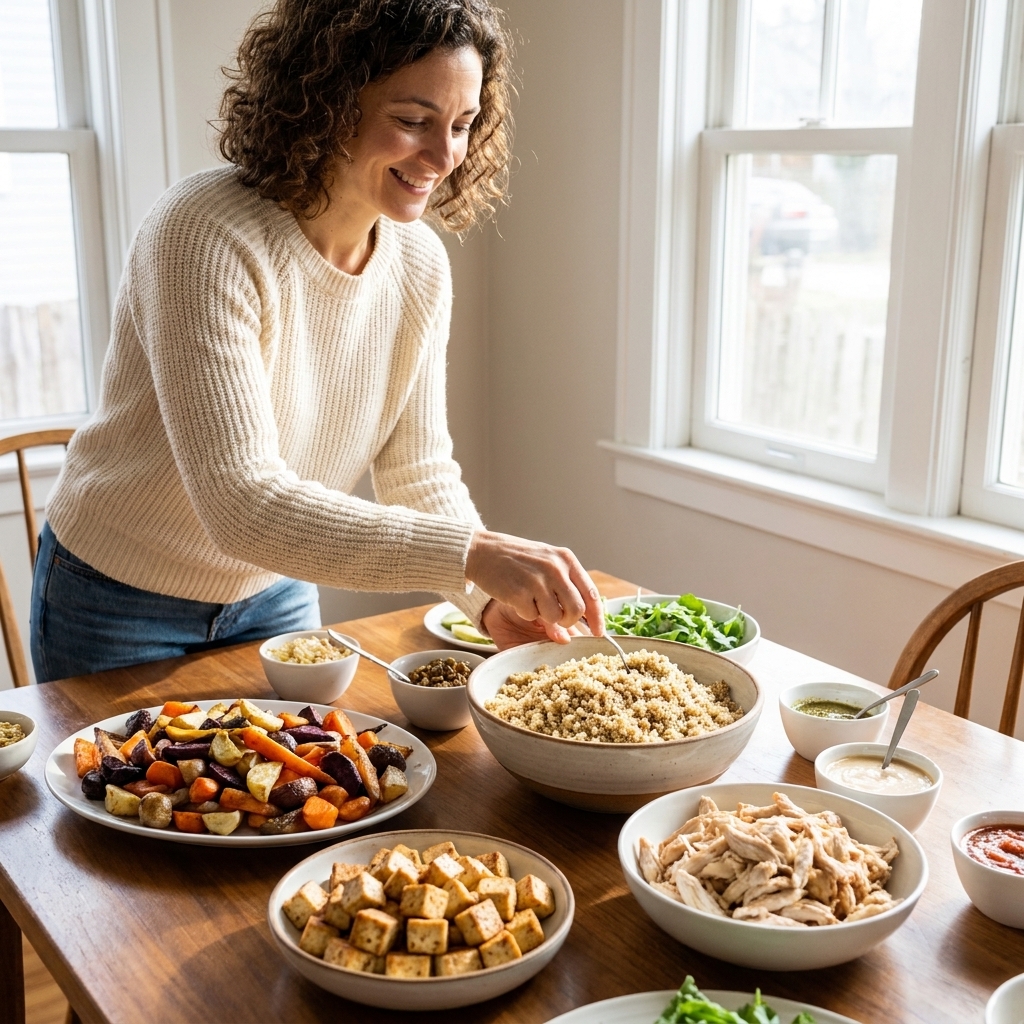
This setup keeps dinners together even when proteins differ. Everyone shares the same grains and veggies, then chooses their protein and sauce.
Plate empathy reminder: If you are the household short-order cook, you deserve a system that feeds you too. One baseline meal is not “less thoughtful.” It is thoughtful with boundaries.
Time-saving strategies
1) Cook proteins separately, season them the same way
The biggest mistake I see is cooking two proteins with totally different flavor profiles. That doubles your mental load. Instead, pick one spice direction or sauce and apply it to both.
- Taco night: chili powder, cumin, garlic for both black beans and ground turkey
- Mediterranean: oregano, lemon, garlic for both chickpeas and chicken
- Teriyaki: the same teriyaki sauce for tofu and salmon
2) Batch-cook the week base on Sunday
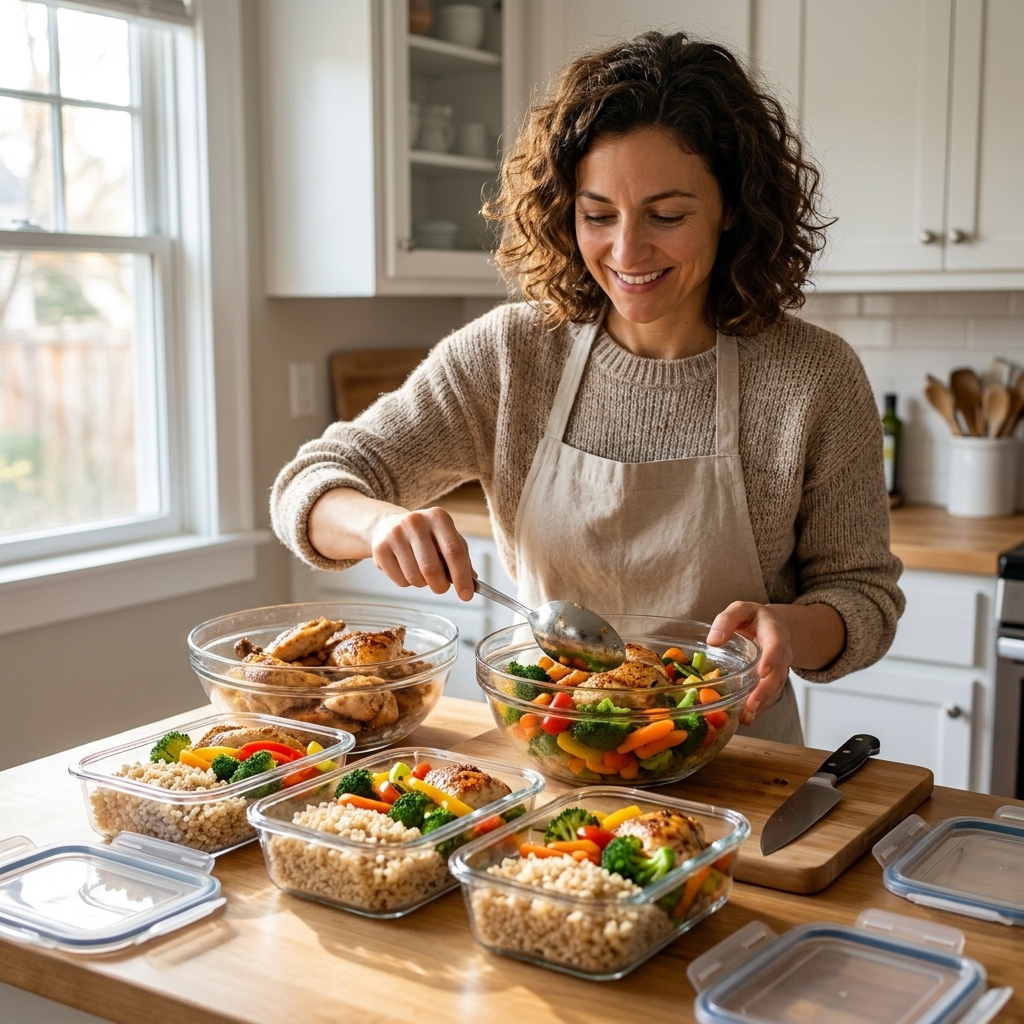
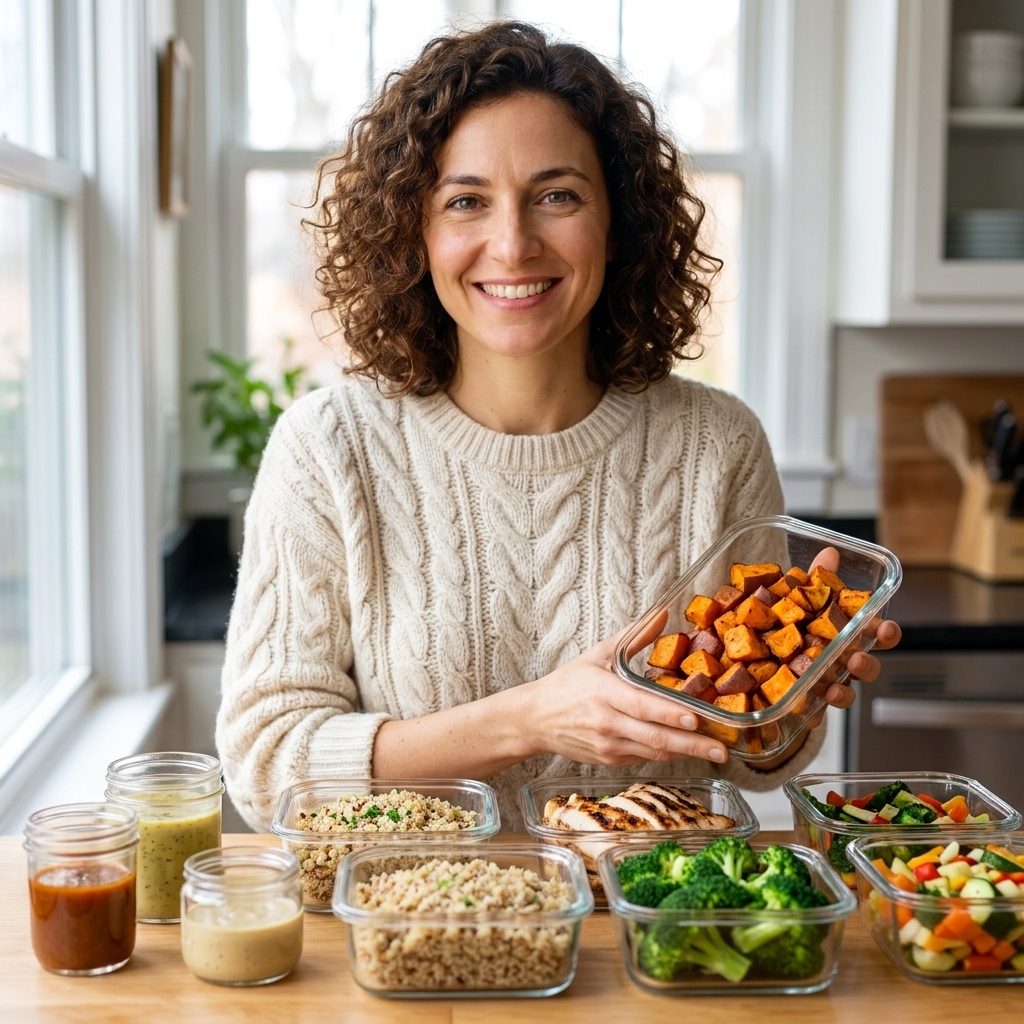
When you batch-cook, do the parts that reheat well and stay neutral:
- 1 to 2 grains (brown rice and quinoa, or pasta and farro)
- 2 sheet pans of vegetables (one starchy, one colorful)
- 1 bright sauce and 1 creamy sauce (quick formulas below)
Then, keep proteins flexible. You can cook one protein on prep day and plan a second fast protein midweek (like rotisserie chicken for omnivores and pan-seared tempeh for vegans).
3) Use a protein station instead of two dinners
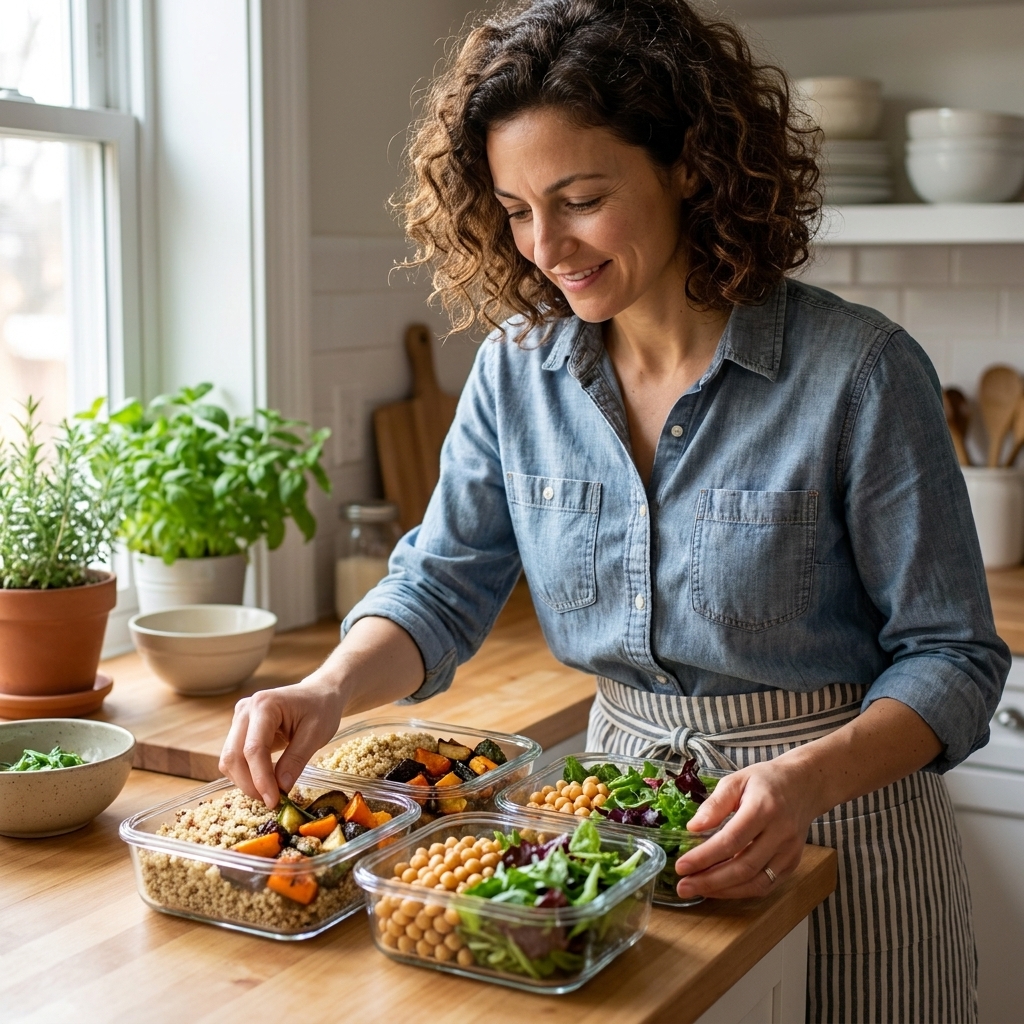
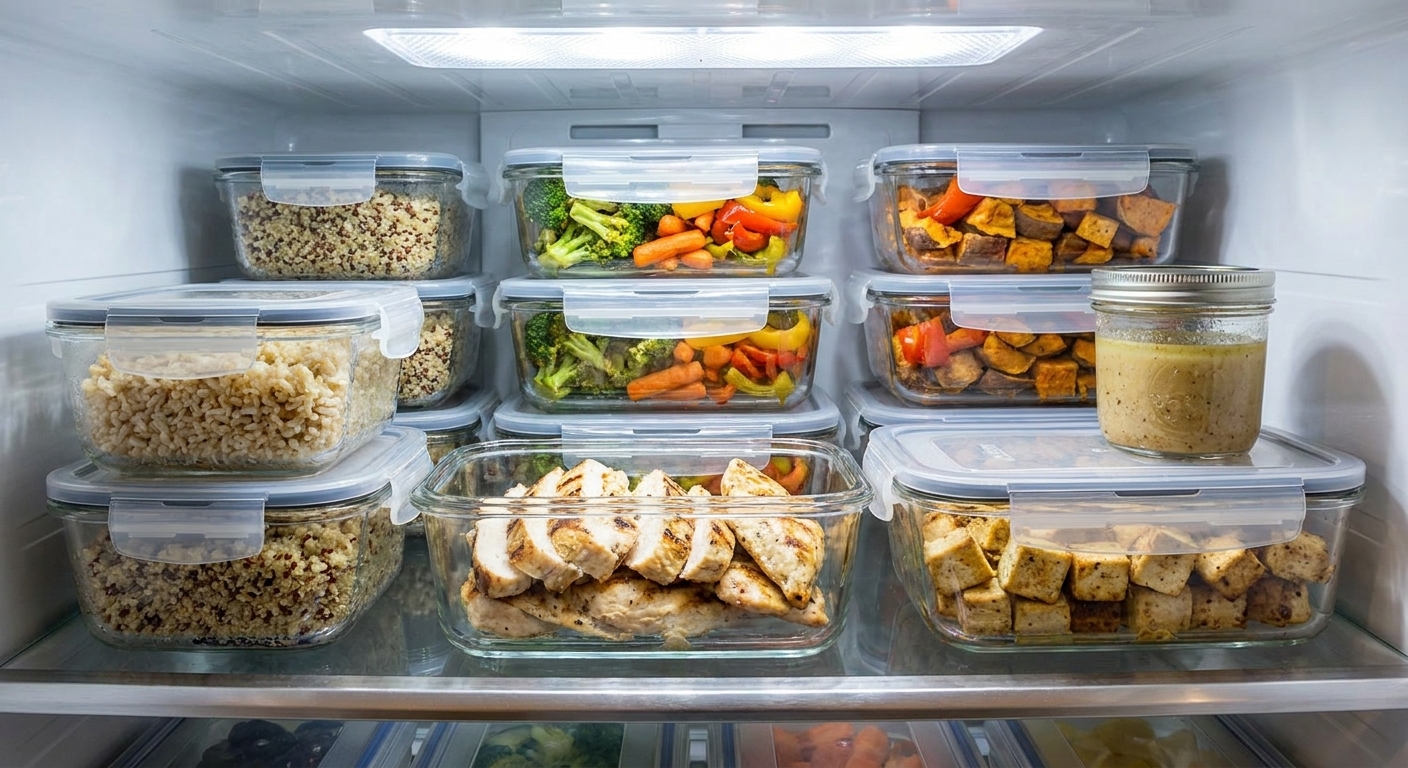
Designate a spot in the fridge for proteins, already portioned:
- Vegan proteins: baked tofu, lentils, chickpeas, tempeh, edamame
- Omnivore proteins: shredded chicken, cooked turkey, hard-boiled eggs, cooked shrimp
When dinner hits, you warm the base (grain + veg), then each person adds their protein and sauce.
4) Let sauces do the heavy lifting
If you only have the energy to prep one thing, prep sauce. Sauce creates variety without more cooking. Two sauces can carry you all week.
Two fast sauce formulas
- Lemon tahini (bright, vegan): whisk tahini + lemon juice + grated garlic + salt + warm water until pourable. Optional: cumin or chopped herbs.
- Quick yogurt herb (creamy): stir Greek yogurt or unsweetened vegan yogurt + lemon + dill or parsley + salt + pepper. Optional: grated cucumber for a tzatziki vibe.
5) Freeze bridge components for backup
These are the items that let you salvage a meal when plans change:
- Cooked rice or quinoa (freeze flat in bags)
- Cooked lentils
- Portions of marinara or curry sauce
- Veggie burger patties and chicken sausages
Quick storage note: If you are meal-prepping cooked proteins, label the container and aim to use refrigerated cooked chicken, cooked shrimp, and hard-boiled eggs within 3 to 4 days.
Modular meal templates
These are the formulas I return to when life is busy. Each one creates a shared base, then splits at the protein and finishing steps.
Template 1: Sheet pan veggies + two proteins
Baseline cook: Roast a big sheet pan of vegetables (think broccoli, peppers, onions, zucchini, cauliflower, sweet potato) at 425°F until browned.
Vegan add-on: Add cubed tofu or chickpeas to a second sheet pan with the same seasoning. Roast until crisp.
Omnivore add-on: Roast chicken thighs or sausage on a separate pan, or use a quick skillet protein while veggies roast.
Finishers: pesto, tahini, salsa, or a lemony vinaigrette plus a crunchy topping (pumpkin seeds or toasted breadcrumbs).
- Make it a bowl: Serve over rice or quinoa.
- Make it wraps: Stuff into tortillas with greens.
- Make it a salad: Toss with arugula and a bold dressing.
Template 2: Big pot grain bowls
Baseline cook: Cook a grain in broth (or water plus salt). Stir in chopped spinach at the end for an easy veggie boost.
Vegan protein: Lentils, edamame, baked tofu, or marinated white beans.
Omnivore protein: Rotisserie chicken, grilled steak strips, or salmon.
Finishers: pickled onions, sliced avocado, olives, toasted nuts, or a drizzle of chili oil.
Template 3: Pasta night with a split sauce
Baseline cook: Cook pasta and sauté onions, garlic, and mushrooms (mushrooms are your friend here because they add that savory depth everyone enjoys).
Split:
- Vegan sauce: marinara plus white beans, or a cashew tomato cream
- Omnivore sauce: marinara plus turkey, sausage, or shrimp
Shared add-ons: big salad, roasted broccoli, or garlicky green beans.
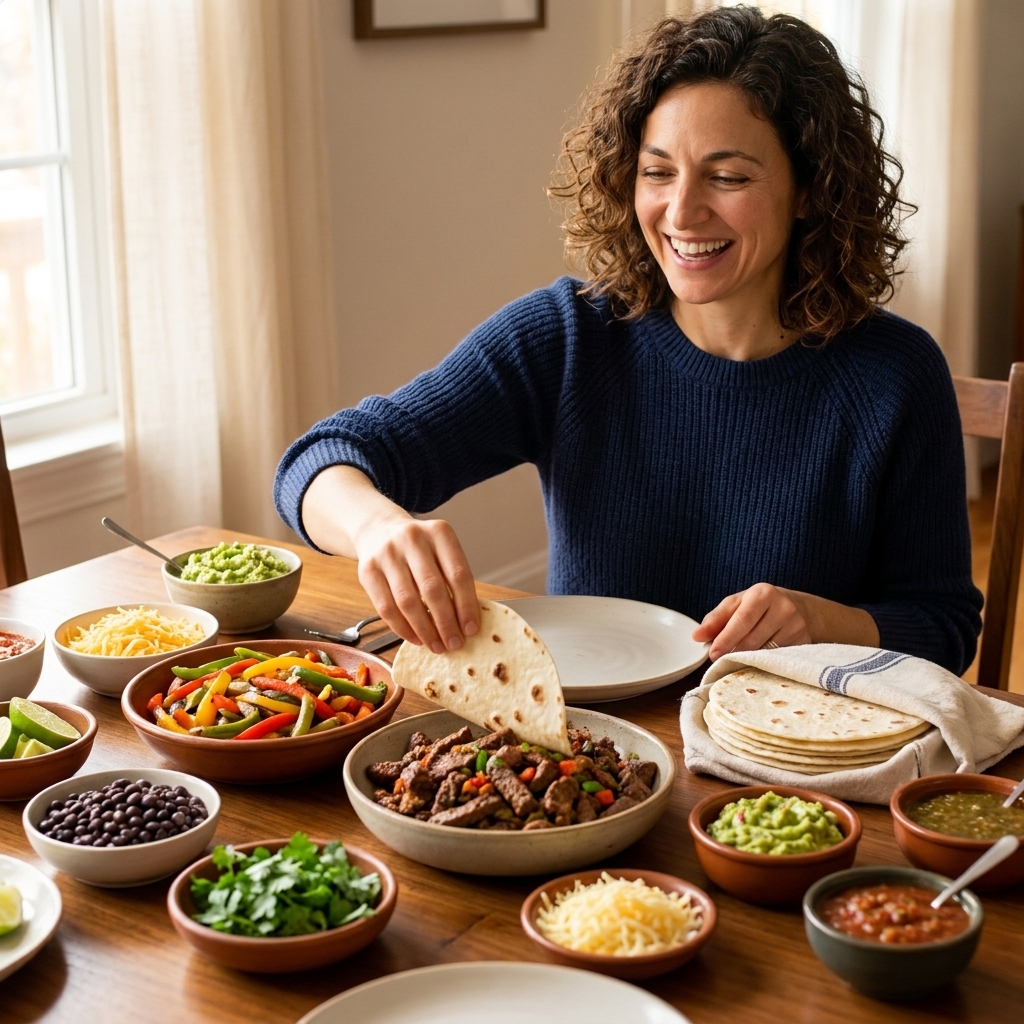
Template 4: Taco bar
Baseline cook: Warm tortillas, chop toppings, and make one big batch of fajita veggies (peppers and onions).
Vegan filling: black beans, lentil taco “meat,” or crumbled tempeh.
Omnivore filling: ground turkey or beef, shredded chicken, or fish.
Shared toppings: salsa, lettuce, cilantro, lime, corn, and guacamole. Add vegan cheese or dairy cheese depending on preference.
Plan the week in 15 minutes
If you are trying to reduce decision fatigue, here is a simple planning flow:
- Pick 2 baselines: for example, sheet pan veggies and taco bar.
- Choose 1 vegan protein to prep: baked tofu or lentils.
- Choose 1 omnivore protein to prep or buy: shredded chicken or pre-cooked turkey.
- Pick 2 sauces: one creamy, one bright.
- Choose one emergency meal: freezer dumplings plus edamame for vegans, or dumplings plus rotisserie chicken for omnivores.
This approach keeps your grocery list shorter and your week more flexible.
Nutrition notes
When you serve the same base to everyone, nutrition can become simpler, not harder. A few gentle guardrails help make sure both plates feel satisfying.
For the vegan plate
- Prioritize protein: tofu, tempeh, beans, lentils, edamame, soy milk, and seitan are high-impact options. A simple visual guide is a palm-sized portion per adult, more if someone is active or very hungry.
- Get reliable B12: vegans generally need dependable B12 from supplements or fortified foods (many plant milks and nutritional yeast are fortified, but check the label).
- Mind key nutrients: iron, zinc, calcium, iodine, vitamin D, and omega-3s are common check-in nutrients. Fortified foods and smart swaps can help.
- Boost iron absorption: pair beans and greens with vitamin C foods like peppers, citrus, strawberries, or broccoli.
For the omnivore plate
- Keep the base plant-forward: let vegetables and whole grains do the bulk of the work, then add meat as a component rather than the entire meal.
- Choose convenient lean proteins: chicken, turkey, fish, eggs, and lean ground meats are easy weeknight wins.
For kids and picky eaters
I aim for one safe food on the table, always. Rice, pasta, bread, or fruit counts. Then I offer the rest without pressure. Over time, exposure works far better than negotiations at 6 PM.
Shopping list builder
Use this as a grab-and-go guide for a week of modular meals.
Choose 1 to 2 carbs
- Rice, quinoa, pasta, potatoes, tortillas, bread
Choose 6 to 10 vegetables
- Broccoli, peppers, onions, zucchini, carrots, spinach, cucumbers, tomatoes, salad greens, sweet potatoes
Choose 2 vegan proteins
- Extra-firm tofu, tempeh, canned chickpeas, lentils, edamame
Choose 2 omnivore proteins
- Rotisserie chicken, eggs, ground turkey, salmon, chicken sausage
Choose 2 sauces and 2 toppings
- Sauces: tahini dressing, salsa, pesto, peanut sauce, vinaigrette
- Toppings: pumpkin seeds, chopped nuts, nutritional yeast, olives, pickled onions
Common vegan label gotchas
If you are feeding vegans and non-vegans from the same pantry, labels save relationships. A few common surprises:
- Pesto often contains Parmesan (look for vegan pesto, or make it with nutritional yeast).
- Tortillas sometimes contain lard (especially flour tortillas).
- Curry pastes may contain shrimp or fish.
- Worcestershire contains anchovy in many brands.
- Caesar dressing usually contains anchovy and dairy.
Friction points
“The vegan meal never feels filling.”
Usually it needs one or more of the following: more protein, more fat, or a bigger carb portion. Add avocado, nuts, olive oil dressing, or bump up tofu and beans. Also, do not underestimate the power of serving the vegan protein hot and well-seasoned.
“The meat-eaters complain it’s not a real dinner.”
Often this is just habit. Try a transition approach: keep familiar formats (tacos, pasta, bowls) and offer meat as an optional add-on. When the base tastes great, resistance tends to fade.
“I can’t keep two proteins straight in the fridge.”
Make it obvious. Use two labeled bins or two shelves. Clear containers help. So does choosing distinct shapes (cubed tofu, shredded chicken) and keeping sauces separate.
FAQ
Can I cook everything vegan and add meat later?
Yes, and it is often the simplest route. Build the entire base vegan (grains, veggies, beans, sauces that are dairy-free), then add cooked meat at the end for anyone who wants it. Just make sure the vegan plate has a clear protein source so it is not an afterthought.
How do I avoid cross-contact if someone is strictly vegan?
Use separate utensils and pans for animal products, store proteins in separate containers, and serve buffet-style with dedicated serving spoons for each item. If you keep raw meat in the fridge, seal it well and store it on the bottom shelf to prevent drips. Keep vegan and ready-to-eat foods above.
What are the fastest weeknight vegan proteins?
Edamame (microwave steamer bags), canned beans, tofu cubes crisped in a skillet, and store-bought baked tofu are my top picks for speed.
What is the easiest omnivore add-on?
Rotisserie chicken, cooked shrimp, and hard-boiled eggs give you protein with almost no prep. Pair with the same sauces and toppings everyone else is using so the meal still feels shared.
Example week
- Prep day: cook quinoa, roast two pans of veggies, blend lemon tahini, make quick salsa
- Mon: quinoa bowls with roasted veg, tofu + chicken options
- Tue: tacos with fajita veg, black beans + turkey options
- Wed: salad night with leftover proteins, tahini dressing, crunchy seeds
- Thu: pasta with mushrooms, split marinara (white beans + sausage)
- Fri: freezer backup meal plus a big side of roasted veg
If you take nothing else from this: cook the base once, keep proteins flexible, and let sauces make everyone feel like they got the dinner they wanted. That is plate empathy in action.