Ten budget-friendly vegetarian and vegan proteins, with no-fuss prep tips, storage advice, and simple ways to use each one all week.
Platepathy
Plant-Based Meal Planning for Beginners (With 5 Staple Recipes)
A friendly, realistic guide to plant-based meal planning, including plant-based nutrition basics, a simple weekly blueprint, and five staple recipes to prep and mix all week.

Elena Rossi
Elena Rossi is a Registered Dietitian and meal prep expert who believes that healthy eating shouldn't feel like a second job. Through Platepathy, she translates complex nutrition science into approachable, delicious meal plans designed for real, busy lives.
Published October 18, 2026
Last updated October 18, 2026
If “plant-based” makes you picture complicated recipes, pricey powders, or spending your Sunday spiraling into a mountain of chopped vegetables, take a breath. Plant-based meal planning can be wonderfully low drama. The goal is not perfection. The goal is a fridge that helps you feed yourself kindly on your busiest days.
When I was an exhausted project manager living on takeout, I thought “healthy” required a full lifestyle overhaul. It does not. It requires a few reliable building blocks and a plan that works even when your day is chaotic. This guide will walk you through the basics of plant-based nutrition, a simple planning blueprint, and five staple recipes you can batch-cook and remix all week.
What plant-based means
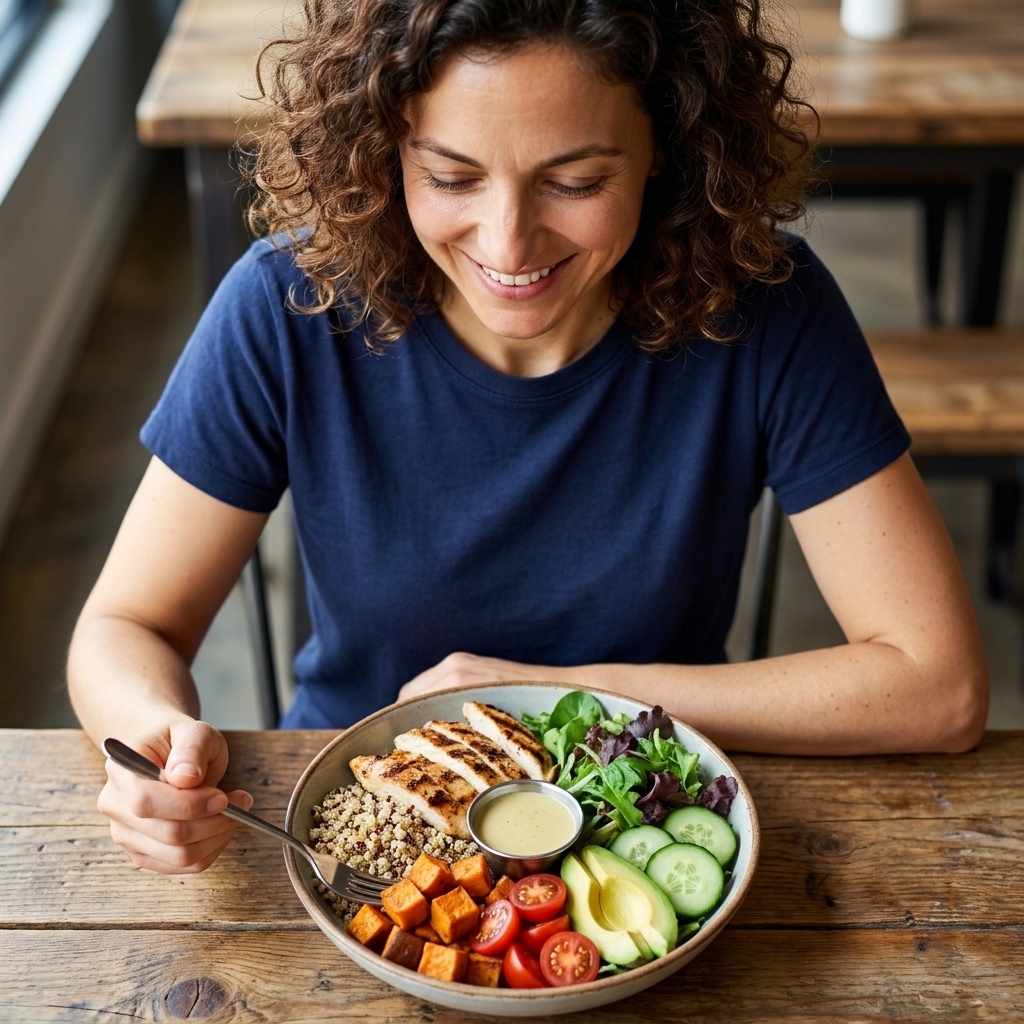
Plant-based is flexible. It simply means most of your meals come from plants: vegetables, fruits, beans, lentils, peas, whole grains, nuts, seeds, and plant oils like olive oil.
- You can be fully plant-based (no animal foods).
- You can be mostly plant-based and still include eggs, dairy, fish, or meat sometimes.
- You can start with one meal a day and build from there.
On Platepathy, I care most about sustainability. If your plan feels punishing, it will not last. If it feels doable, you will repeat it, and repetition is where results come from.
The simple plate method
Balanced plant-based meals are not about obsessing over numbers. They are about consistently covering a few key bases so you feel full, energized, and satisfied.
A simple formula for any meal
- Protein: beans, lentils, tofu, tempeh, edamame, seitan, soy milk, pea protein pasta, or a protein-forward dip like hummus.
- High-fiber carbs: brown rice, quinoa, oats, barley, whole wheat pasta, corn, potatoes, or whole-grain bread.
- Color: at least one or two vegetables or fruits. Frozen counts.
- Healthy fats: avocado, olive oil, tahini, nuts, seeds.
- Flavor: sauces and seasonings are not “extras.” They are what make plant-based eating stick.
If you are new to this, focus on protein + fiber + flavor. Those three are your satisfaction trio.
Common nutrient questions
I get these questions constantly, and they are smart questions.
- Protein: Many people meet their needs when meals regularly include beans or lentils, tofu or tempeh, and some higher-protein grains (like quinoa) or protein pasta. Needs vary by body size, age, and activity level, so if you are very active, trying to build muscle, or older, you may want to plan protein a bit more intentionally. A simple habit is to include a protein source at each meal and most snacks.
- Iron: Lentils, chickpeas, tofu, pumpkin seeds, spinach, and fortified cereals are great sources. Pair iron-rich foods with vitamin C (citrus, bell peppers, strawberries) to help absorption.
- Calcium: Fortified soy milk and almond milk, calcium-set tofu, tahini, and low-oxalate greens like kale and bok choy. (Some greens, like spinach, have calcium too, but it is not absorbed as well.) Check labels on plant milks and yogurt for fortification.
- Omega-3 fats: Chia seeds, ground flaxseed, hemp hearts, walnuts. For a practical daily habit, aim for 1 to 2 tablespoons ground flax or chia, or a serving of walnuts.
- Vitamin B12: If you are fully plant-based, B12 is important. Fortified foods can help, but many people choose a supplement. If you are transitioning, talk with your clinician or dietitian about what fits you best.
Plate empathy reminder: You do not need to earn plant-based eating by doing it perfectly. You are allowed to start small and learn as you go.
Meal planning that works
When life is busy, you do not need 21 unique meals. You need a few staples you can mix and match. Here is the approach I use in my own kitchen.
Step 1: Pick your power five
Choose:
- 1 protein (or 2 if you like variety)
- 1 grain or starchy base
- 2 vegetables (one can be a salad green)
- 1 sauce
Those five pieces create bowls, wraps, salads, stuffed sweet potatoes, and quick skillet meals all week.
Step 2: Prep in 2 hours or 45 minutes
You have options:
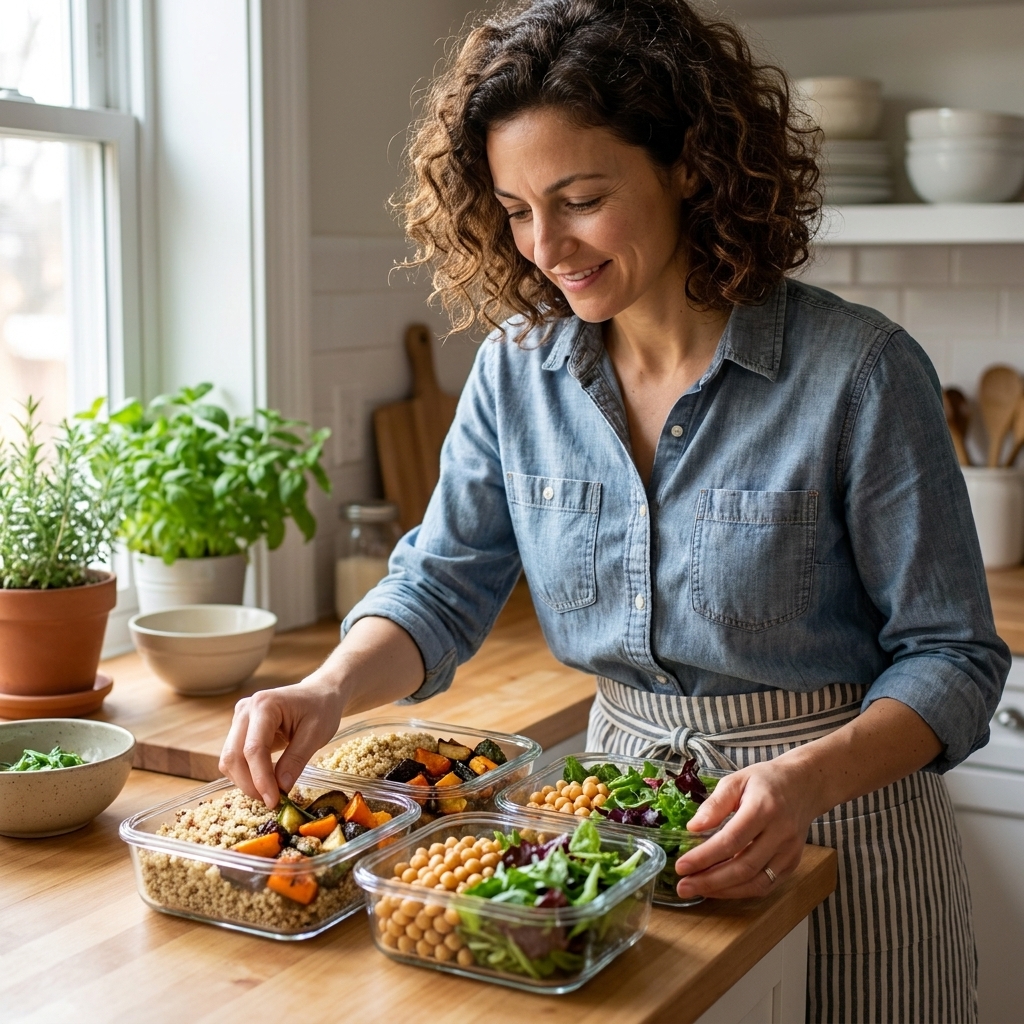
- Full prep (about 2 hours): cook a grain, roast vegetables, make a protein, mix a sauce, prep a snack.
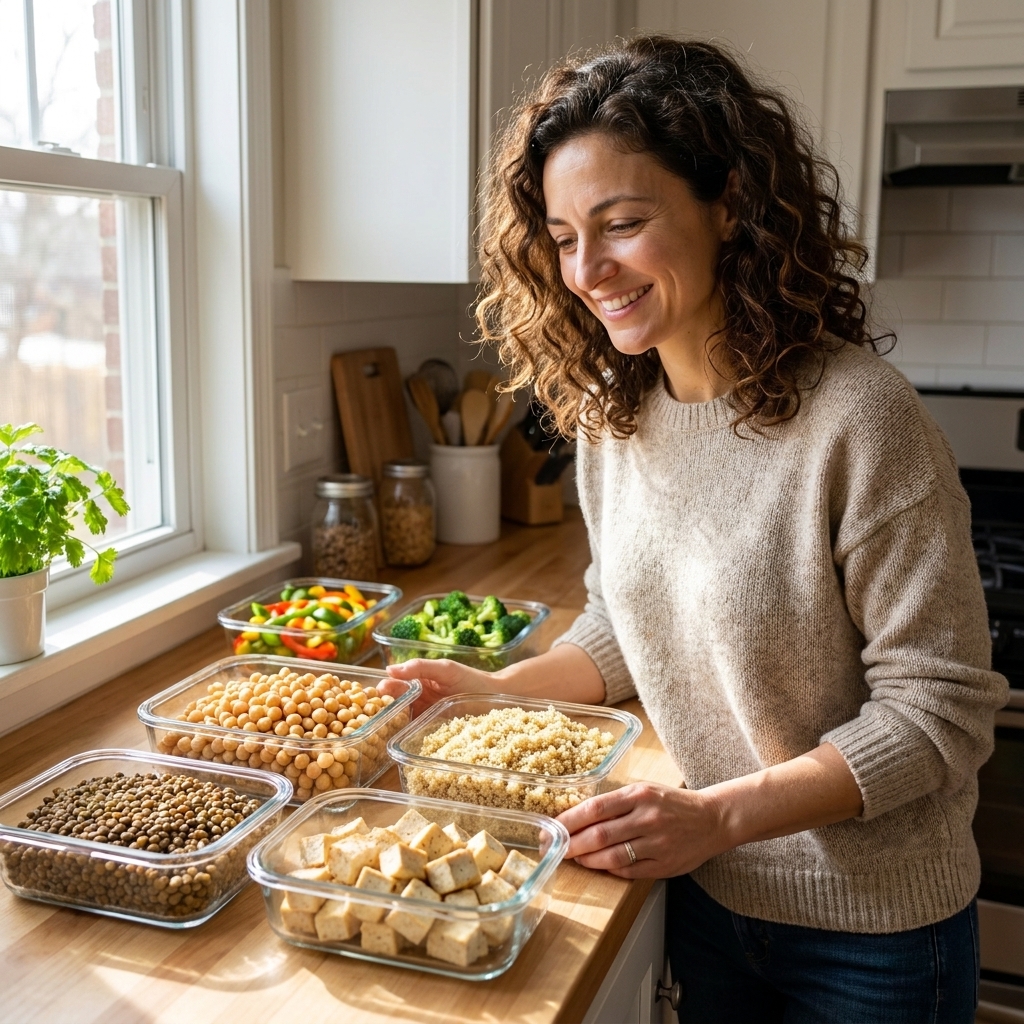
- Mini-prep (about 45 minutes): cook one big pot (chili or lentils) and one sauce. Lean on frozen vegetables and bagged greens.
Step 3: Store for a real week
- Keep sauces at eye level so meals feel exciting.
- Store greens with a paper towel to reduce wilting.
- Cool cooked foods promptly, then seal to prevent condensation.
- Most cooked staples keep well for 3 to 5 days in the fridge when cooled promptly and stored in airtight containers. Freeze extras if you will not use them.
Quick food-safety note: Reheat leftovers until steaming hot, and when in doubt, throw it out. Your body deserves better than mystery grains.
Five staple recipes
These are the foundational recipes I recommend for beginners because they are flexible, affordable, and forgiving. Make all five on a prep day, or start with two this week and add more next week.
1) Big-batch quinoa or brown rice
Why it matters: A cooked grain turns “I have nothing to eat” into “I can build a bowl in 6 minutes.”
Ingredients (quinoa, about 5 to 6 cups cooked)
- 2 cups dry quinoa
- 4 cups water or low-sodium vegetable broth
- 1/2 teaspoon salt (optional)
Ingredients (brown rice, about 6 cups cooked)
- 2 cups dry brown rice
- 5 cups water or low-sodium vegetable broth
- 1/2 teaspoon salt (optional)
Instructions (quinoa)
- Rinse quinoa well in a fine mesh strainer (this helps remove bitterness).
- Combine quinoa, liquid, and salt in a pot. Bring to a boil.
- Reduce to a gentle simmer, cover, and cook 15 minutes.
- Turn off heat and let sit covered 5 minutes. Fluff with a fork.
Instructions (brown rice)
- Rinse rice if you like. It is optional here.
- Combine rice, liquid, and salt in a pot. Bring to a boil.
- Reduce to a low simmer, cover, and cook 35 to 45 minutes (time varies by variety).
- Turn off heat and let sit covered 10 minutes. Fluff with a fork.
Meal ideas
- Burrito bowl with beans, salsa, and avocado
- Warm grain salad with roasted veggies and tahini dressing
- Breakfast quinoa with berries, cinnamon, and nut butter
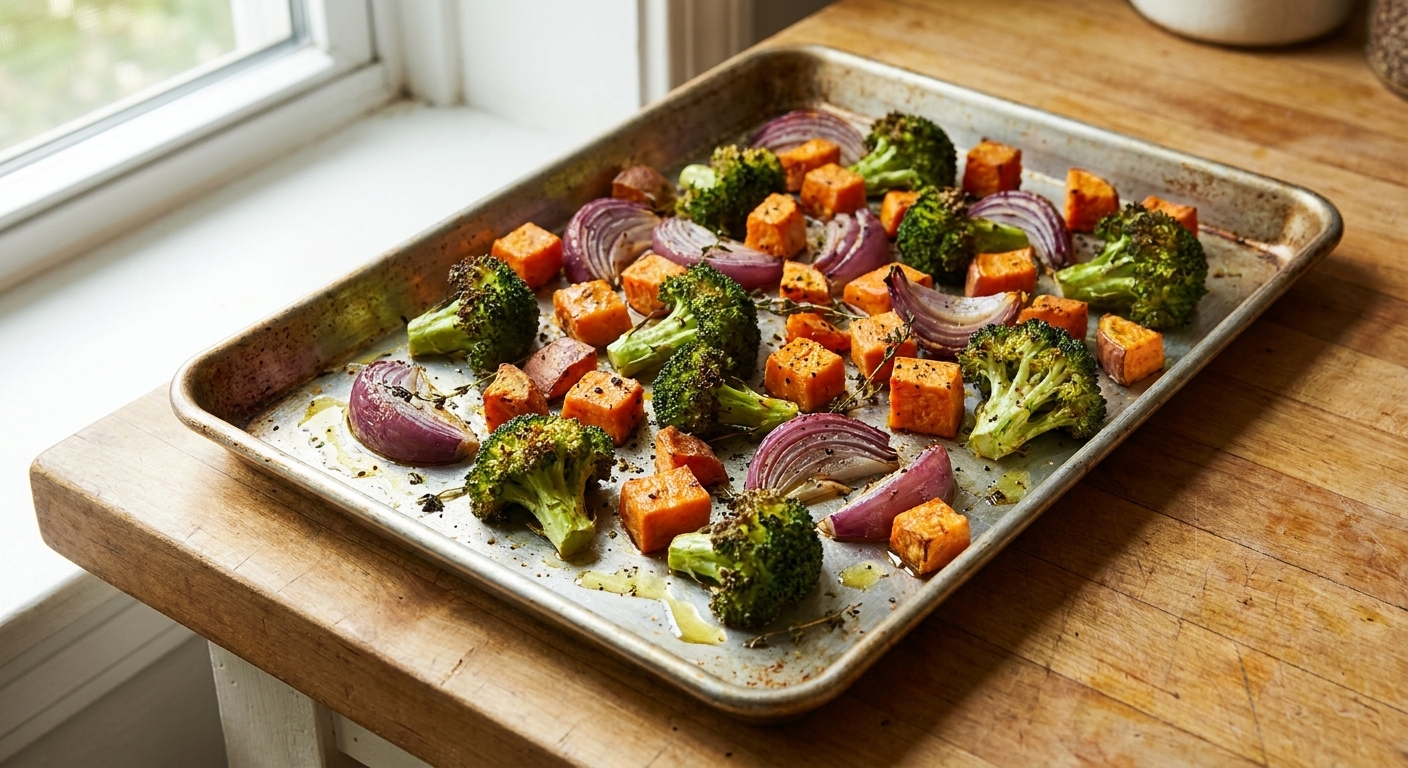
2) Sheet pan roasted veggies
Why it matters: Roasting adds instant flavor and texture. It also helps plant-based meals feel hearty.
Ingredients
- 1 large sweet potato, peeled and cubed
- 1 head broccoli, cut into florets
- 1 red onion, sliced
- 2 to 3 tablespoons olive oil
- 1 teaspoon garlic powder
- 1 teaspoon smoked paprika
- Salt and pepper to taste
Instructions
- Heat oven to 425°F (220°C). Line two sheet pans.
- Toss veggies with olive oil and seasonings. Spread out in a single layer.
- Roast 20 to 30 minutes, stirring once, until browned and tender.
Meal ideas
- Stuff into a wrap with hummus
- Toss into pasta with a splash of dressing
- Top with lentils and a lemony sauce for a fast dinner
3) Simple smoky lentils
Why it matters: Lentils are budget-friendly, protein-rich, and fast compared to most beans. These work as a taco filling, bowl topper, or salad booster.
Ingredients (makes about 4 cups)
- 1 1/2 cups dry brown or green lentils, rinsed
- 4 cups water or low-sodium vegetable broth
- 1 teaspoon smoked paprika
- 1/2 teaspoon cumin
- 1/2 teaspoon garlic powder
- 1/2 teaspoon salt, plus more to taste
- 1 tablespoon olive oil (optional for richness)
- 1 to 2 teaspoons apple cider vinegar or lemon juice (to finish)
Instructions
- Add lentils and liquid to a pot. Bring to a boil.
- Reduce to a simmer and cook 20 to 25 minutes until tender but not mushy.
- Drain any excess liquid if needed. Stir in spices, salt, olive oil, and vinegar or lemon juice.
Meal ideas
- Taco night: lentils + salsa + cabbage slaw
- Power salad: greens + lentils + roasted veggies + tahini dressing
- Quick soup: add lentils to boxed tomato soup with extra spinach
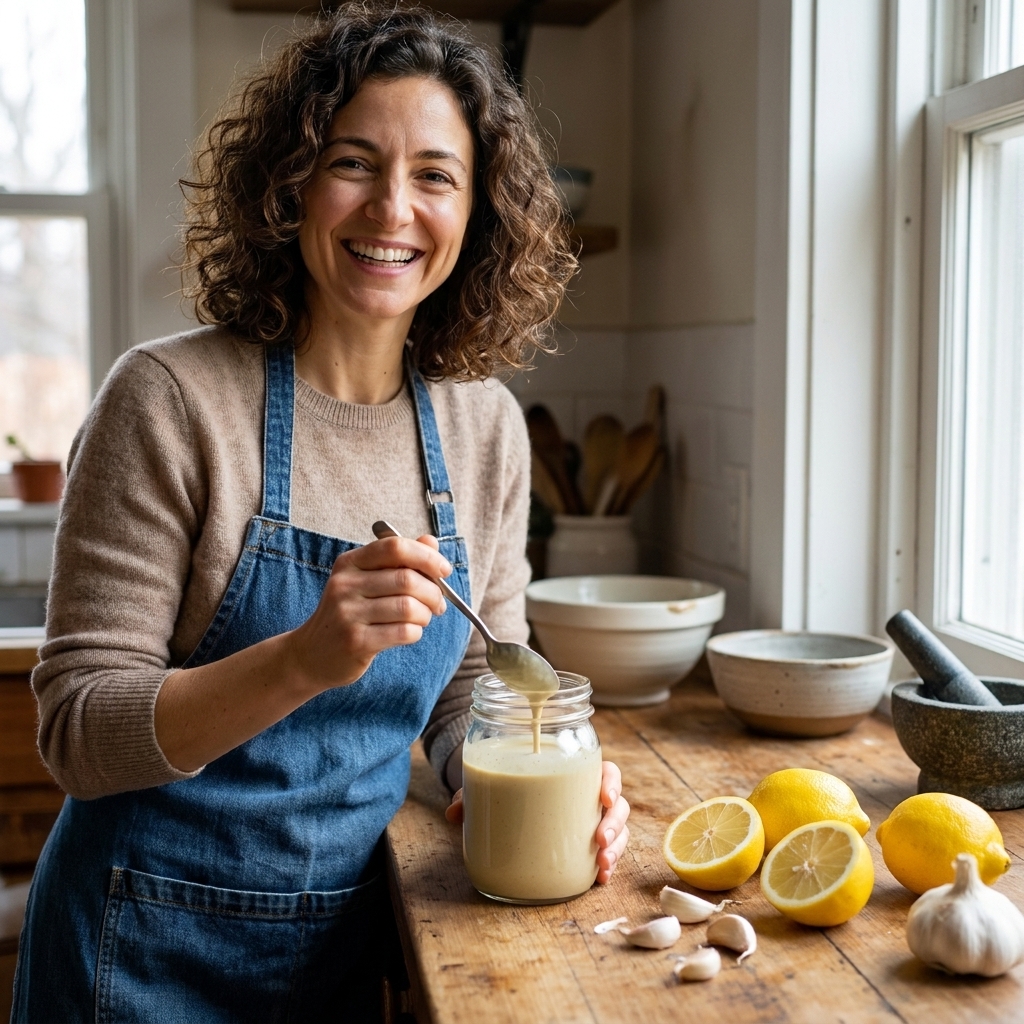
4) Creamy lemon tahini dressing
Why it matters: Sauce is the difference between “I guess I will eat this” and “I cannot wait to eat this.” Tahini also adds healthy fats and calcium.
Ingredients (makes about 3/4 cup)
- 1/3 cup tahini
- 1/4 cup lemon juice (about 1 to 2 lemons)
- 1 tablespoon maple syrup (optional but lovely)
- 1 small garlic clove, grated or minced
- 1/2 teaspoon salt
- 4 to 8 tablespoons warm water, to thin
Instructions
- Whisk tahini, lemon juice, maple syrup, garlic, and salt. It may thicken at first.
- Whisk in warm water a tablespoon at a time until it becomes creamy and pourable.
- Taste and adjust: more lemon for brightness, more salt for pop, more maple for balance.
How to use it
- Drizzle on bowls and salads
- Thin more to make a slaw dressing
- Use as a dip for roasted veggies
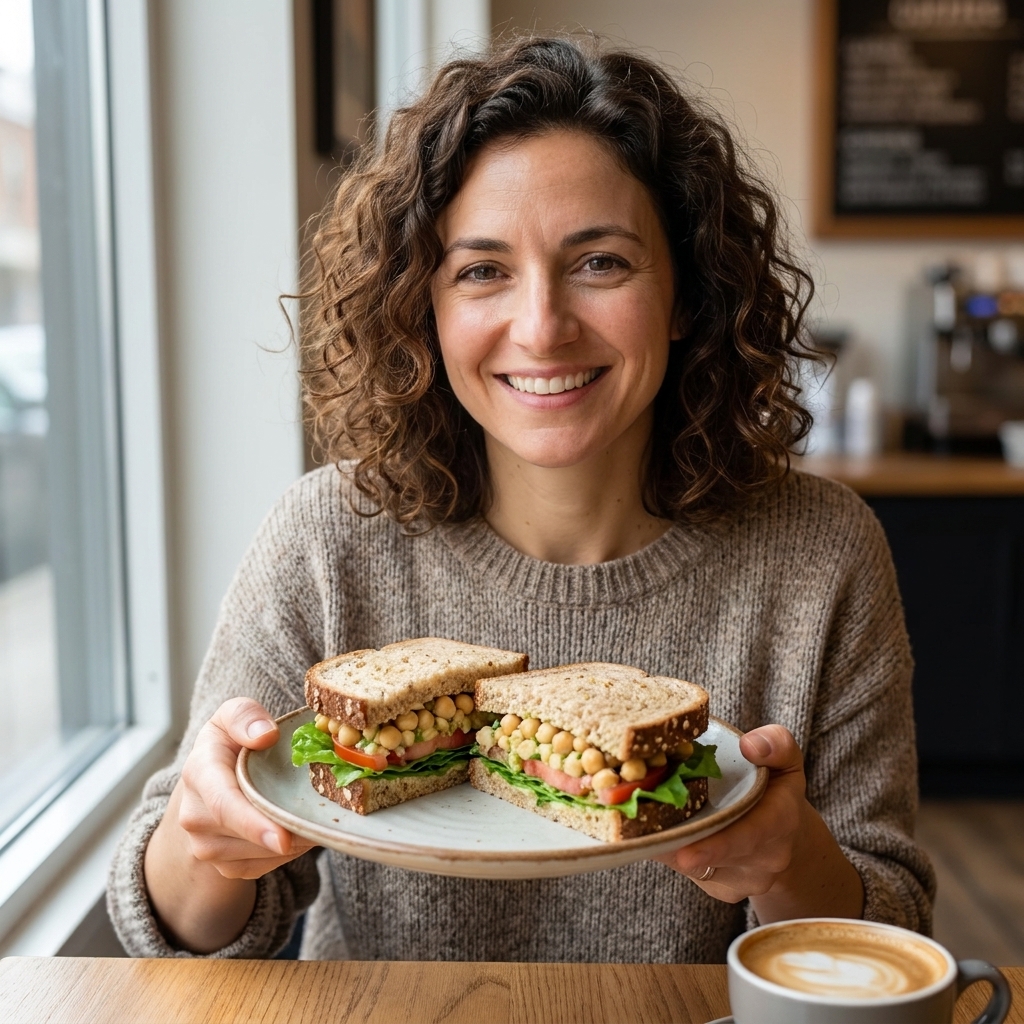
5) Everyday chickpea salad
Why it matters: This is your “I need lunch now” protein. It keeps well and tastes even better the next day.
Ingredients (makes 4 servings)
- 2 cans chickpeas, drained and rinsed
- 3 tablespoons vegan mayo or plain Greek yogurt (if you include dairy)
- 1 tablespoon Dijon mustard
- 1/4 cup finely diced celery
- 2 tablespoons finely diced red onion
- 1 to 2 tablespoons chopped dill or parsley
- 1 tablespoon lemon juice
- 1/2 teaspoon salt, plus pepper to taste
- Optional: 1 tablespoon capers, diced pickles, or a pinch of curry powder
Instructions
- Mash chickpeas in a bowl with a fork or potato masher until mostly crushed with some texture.
- Stir in remaining ingredients. Taste and adjust seasoning.
- Chill 15 minutes if you have time for flavors to mingle.
Ways to eat it
- In a sandwich with tomato and greens
- In lettuce cups with sliced cucumbers
- On top of crackers with extra herbs
Turn staples into a week
Here is a simple mix-and-match plan using the five recipes above. Pick what sounds good and repeat the wins.
Fast meal combos
- Tahini bowl: quinoa + roasted veggies + lentils + tahini dressing
- Wrap night: chickpea salad + greens + roasted veggies in a tortilla
- Loaded sweet potato: roasted sweet potato + lentils + tahini + chopped greens
- Big salad: greens + quinoa + roasted veggies + chickpeas + dressing
- Snack plate: chickpea salad + crackers + fruit + nuts
Easy portion guide
If you want a starting point that keeps you full, try this and adjust based on your hunger and activity:
- Grains or starchy base: 1/2 to 1 cup cooked
- Protein: 1/2 to 1 cup beans or lentils, or 3/4 to 1 cup tofu
- Veggies: 1 to 2 cups (more is always welcome)
- Fats and flavor: 1 to 2 tablespoons dressing or a handful of nuts or seeds
Make it less repetitive
- Swap the sauce: salsa, pesto, peanut sauce, or store-bought vinaigrette
- Add crunch: pumpkin seeds, toasted almonds, crispy chickpeas
- Add brightness: lemon wedge, pickled onions, fresh herbs
- Change the format: bowl today, wrap tomorrow, salad the next
Grocery list
If you want a clean, beginner-friendly cart, start here. You can adjust based on what you already have.
Pantry
- Quinoa or brown rice
- Canned chickpeas (2)
- Dry lentils
- Tahini
- Olive oil
- Dijon mustard
- Maple syrup (optional)
- Spices: smoked paprika, cumin, garlic powder, salt, pepper
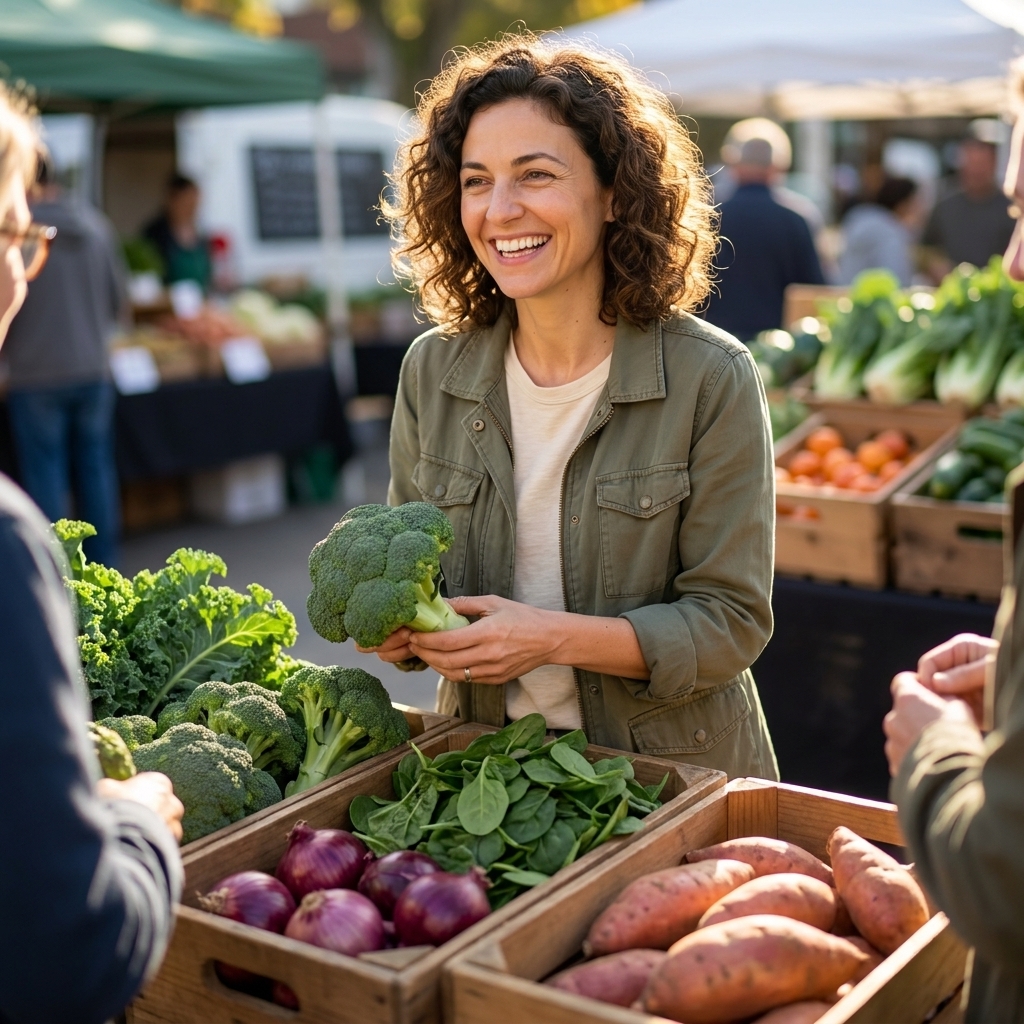
Produce
- Sweet potatoes
- Broccoli
- Red onion
- Celery
- Lemons
- Greens (spinach, arugula, or a salad mix)
- Fresh herbs (dill, parsley, or cilantro)
Optional add-ons
- Whole grain bread or tortillas
- Avocados
- Cherry tomatoes
- Fruit for snacks
- Nuts or seeds (chia, flax, pumpkin seeds)
Common roadblocks
I am hungry an hour later
Usually this means the meal is missing protein, fat, or enough total calories. Add one of these: extra lentils, tofu, avocado, nuts, seeds, or a larger portion of grains.
My food tastes bland
Plants love seasoning. Use salt appropriately, add acid (lemon or vinegar), and lean on sauces. If you do only one thing, make the tahini dressing and keep it visible in the fridge.
I do not have time to cook
Great. Cook less. Choose one pot meal (lentils) plus one tray of veggies. Buy microwave rice, frozen vegetables, and bagged salad. Plant-based is allowed to be convenient.
My family is not into it
Serve meals build-your-own style. Put quinoa, veggies, lentils, and toppings on the table and let everyone assemble their own bowl or wrap. Autonomy lowers resistance.
FAQ
Do I have to give up meat and dairy to eat plant-based?
No. You can start by making breakfast and lunch mostly plant-based, or aim for a few plant-forward dinners each week. Consistency matters more than labels.
Is plant-based automatically healthier?
Not automatically. A balanced plant-based pattern includes plenty of minimally processed foods, enough protein, and regular fiber. It can absolutely include fun foods too. The sweet spot is “mostly nourishing, sometimes just enjoyable.”
How do I get enough protein without overthinking it?
Include a protein anchor at each meal: lentils, beans, tofu, tempeh, edamame, or a hearty legume-based spread like hummus or chickpea salad. If you do that consistently, you are usually in a great place.
What if beans bother my stomach?
Start small and build gradually, rinse canned beans well, and try lentils first since many people tolerate them better. Cooking beans until very tender and pairing them with familiar foods can help. If you have ongoing GI symptoms, check in with a clinician to rule out other issues.
Your next step
If you are feeling motivated, wonderful. If you are feeling overwhelmed, also normal. Here is the lowest-lift starting point:
- Make the big-batch grain.
- Make the tahini dressing.
- Buy bagged greens, a can of chickpeas, and a frozen veggie.
That is already a week of mix-and-match bowls and salads. Plant-based meal planning is not about becoming a new person. It is about making it easier to take care of the person you already are.