Learn plant-based nutrition basics, how to build balanced meals without stress, and five staple recipes you can batch-cook and remix all week.
Platepathy
Plant-Based on a Budget: Vegan Meals for About $50
Plan a full week of satisfying vegan breakfasts, lunches, and dinners for about $50 using budget staples like beans, lentils, oats, rice, and seasonal produce, plus a flexible shopping list, prep plan, and sample cost breakdown.

Elena Rossi
Elena Rossi is a Registered Dietitian and meal prep expert who believes that healthy eating shouldn't feel like a second job. Through Platepathy, she translates complex nutrition science into approachable, delicious meal plans designed for real, busy lives.
Published October 18, 2026
Last updated October 18, 2026
Healthy eating is supposed to support your life, not take it over. But when groceries are pricey, “plant-based” can start to sound like a luxury hobby. It is not. With a few low-cost staples and a plan that leans on repeat ingredients, many people can eat satisfying vegan meals for about $50 for the week.
I built this plan the same way I meal prep for my own busy household: cook once, remix all week, and leave plenty of room for real life. Prices vary by region, season, and store. This approach also assumes you already have basics like oil, salt, and a few spices at home. Treat the dollar amount as a target. The strategy is what makes it work.
The budget rules that make this work
1) Choose 2 proteins, 2 grains, 2 base vegetables, 2 sauces
Variety comes from seasoning and assembly, not buying 18 different ingredients. For this week:
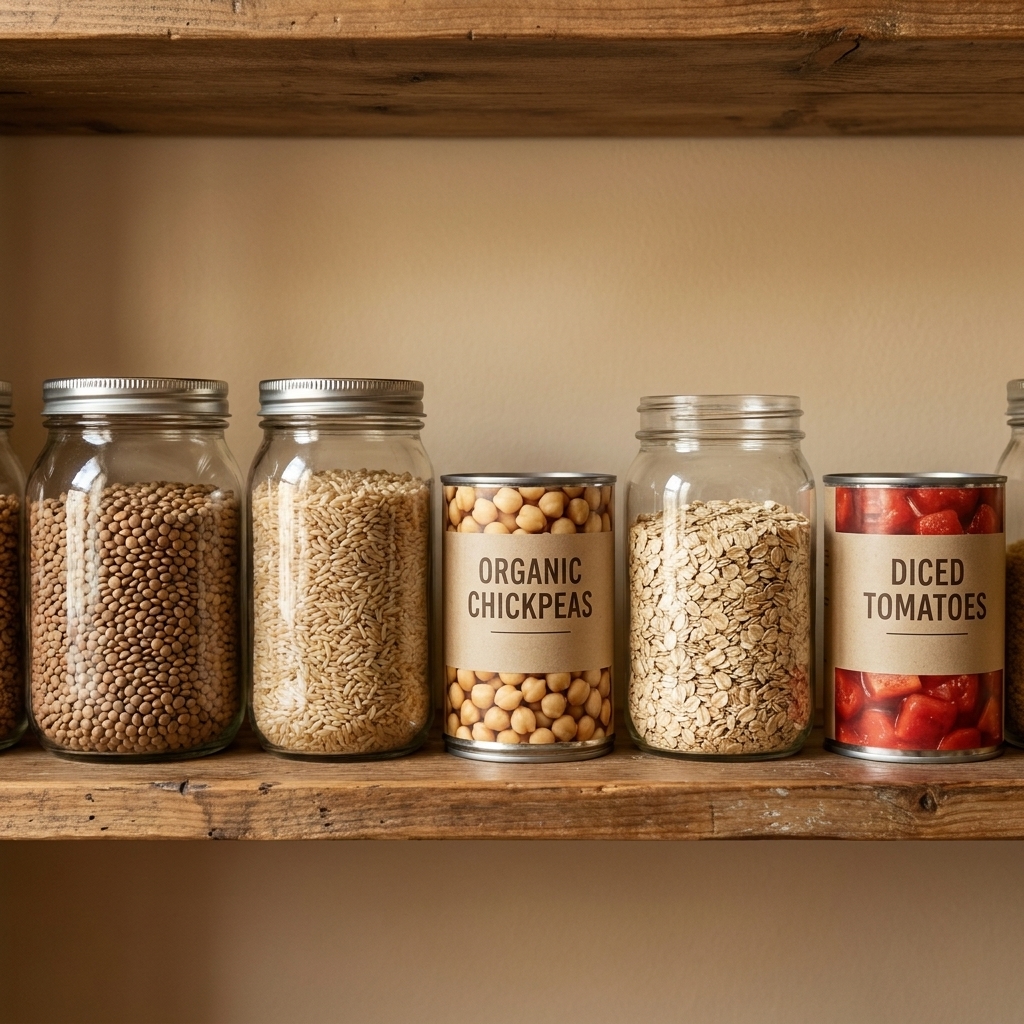
- Proteins: lentils, chickpeas (canned or dry)
- Grains: oats, brown rice
- Base vegetables: onions, carrots
- Hero vegetable: cabbage (or swap for whatever is cheapest that week, like sweet potato, zucchini, broccoli, or frozen mixed vegetables)
- Sauces: peanut sauce, tomato-based sauce
2) Buy seasonal and choose frozen when it is cheaper
Frozen spinach, mixed vegetables, or berries can cost less per serving than fresh, with almost zero waste. For under-$50 weeks, frozen produce is your best friend.
3) Let leftovers become the plan
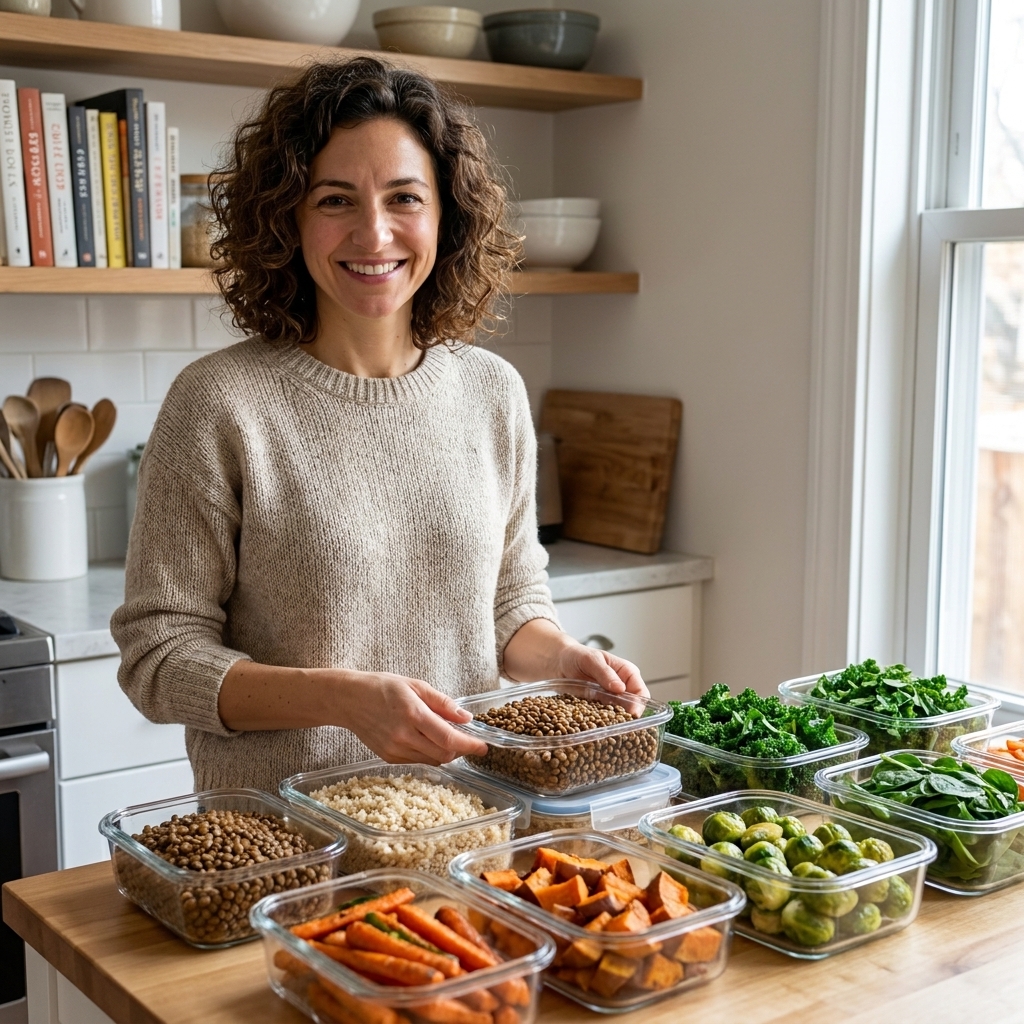
We are intentionally cooking big batches of lentils, rice, and a veggie tray. Then we spin them into bowls, soups, wraps, and skillet meals. You are not “eating the same thing.” You are reusing building blocks.
4) Use flavor insurance
If you have these at home, everything tastes good: salt, pepper, garlic powder, cumin or curry powder, chili flakes, vinegar or lemon, and soy sauce. The plan assumes you already have basic spices and oil. If you do not, choose one multipurpose blend like curry powder or taco seasoning and build from there.
$50-ish shopping list (1 adult, 7 days)
This list is designed for one adult with hearty portions. If you are feeding two adults, plan to increase grains and legumes first (the cheapest calories and protein), then produce.
Staples
- Old-fashioned oats (42 oz)
- Brown rice (2 lb)
- Dry lentils (1 lb)
- Chickpeas (3 cans) or 1 lb dry chickpeas
- Canned crushed tomatoes (28 oz)
- Peanut butter (16 oz)
- Whole wheat tortillas (10 count) or sandwich bread
Produce (swap based on what is cheapest)
- Yellow onions (2 to 3 lb bag)
- Carrots (2 lb bag)
- Cabbage (1 head) or another low-cost vegetable
- Bananas (7 to 10)
- Frozen spinach (10 to 16 oz) or fresh if cheaper
- Optional: 1 to 2 apples or a bag of frozen fruit if budget allows
Flavor and extras
- Soy sauce or tamari (if needed)
- Vinegar or lemon/lime (optional but helpful)
- One fun add-on if room in budget: salsa, hot sauce, or a small bag of nutritional yeast
Sample budget breakdown (prices vary)
To make the “$50-ish” target feel more real, here is one example of how the cart can add up in many U.S. stores. Your totals may be higher or lower depending on where you live and what you already have.
- Oats: $4
- Brown rice: $3
- Dry lentils: $2
- 3 cans chickpeas: $3
- Crushed tomatoes: $2
- Peanut butter: $3
- Tortillas: $3
- Onions: $3
- Carrots: $2
- Cabbage: $3
- Bananas: $2
- Frozen spinach: $2
- Soy sauce (if needed): $3
- Lemon or vinegar (if needed): $2
- Optional fun add-on: $3
Estimated total: about $40 to $50, depending on what you already have and what is on sale.
Budget note: If you already have oats, rice, or peanut butter at home, that savings can go toward more fresh produce, tofu, or a bag of nuts for snacks.
Sunday prep (60 to 90 minutes)
This is the “make the week easy” block. Put on music, make it cozy, and remember: your future self is going to feel so cared for.
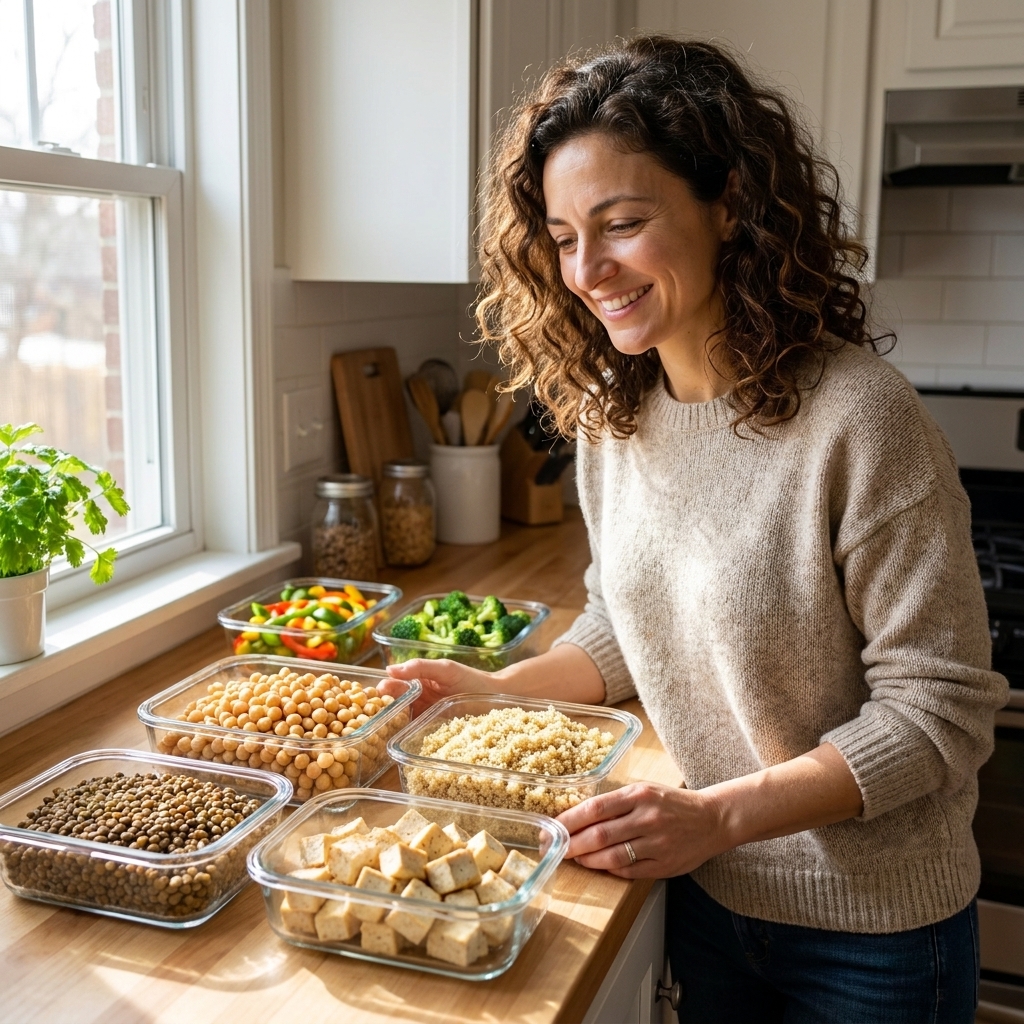
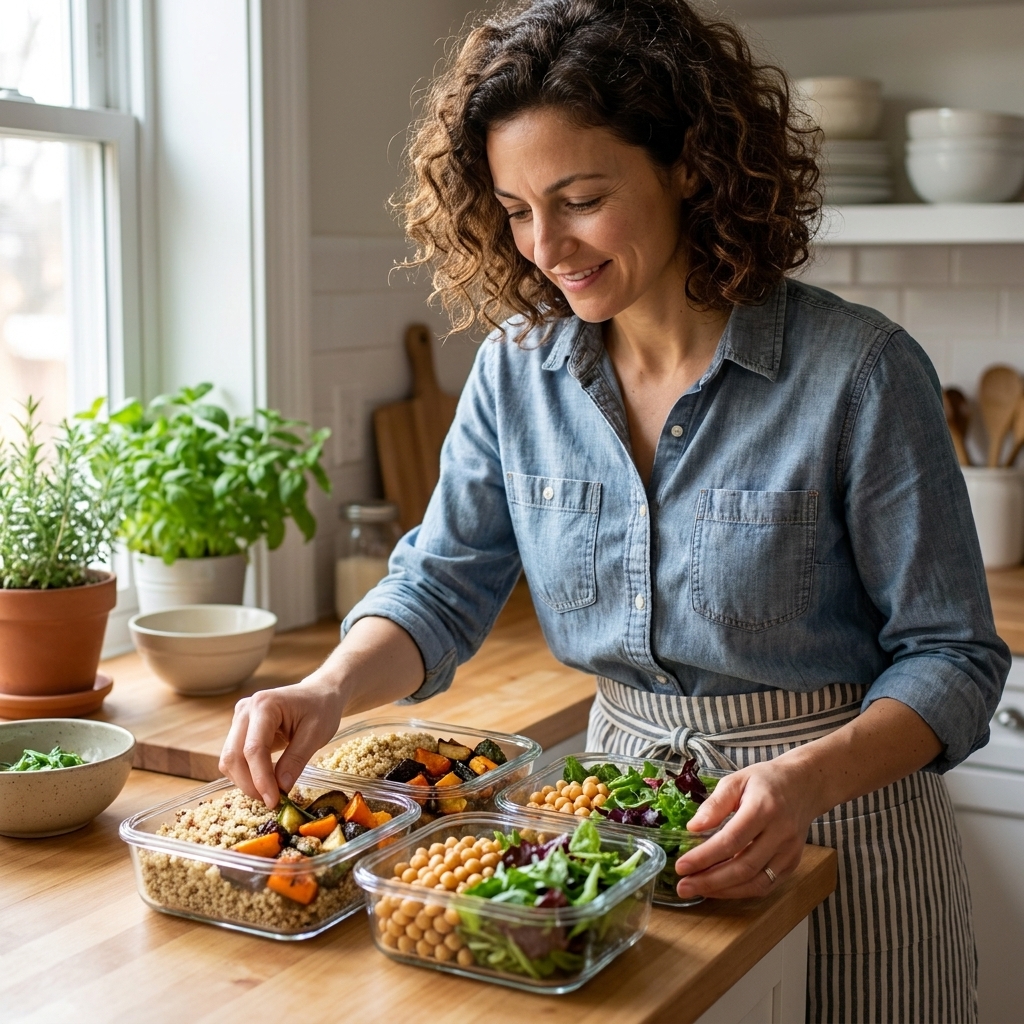
Cook these 4 components
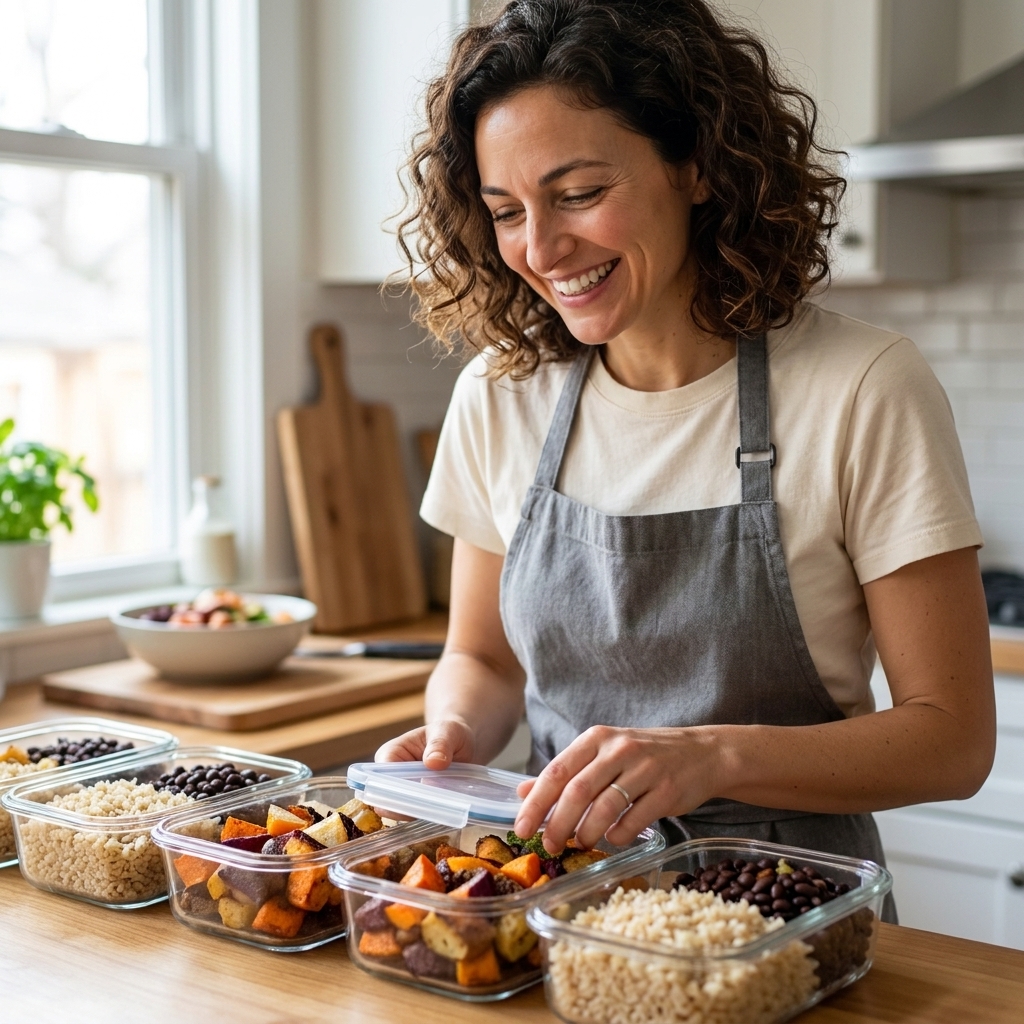
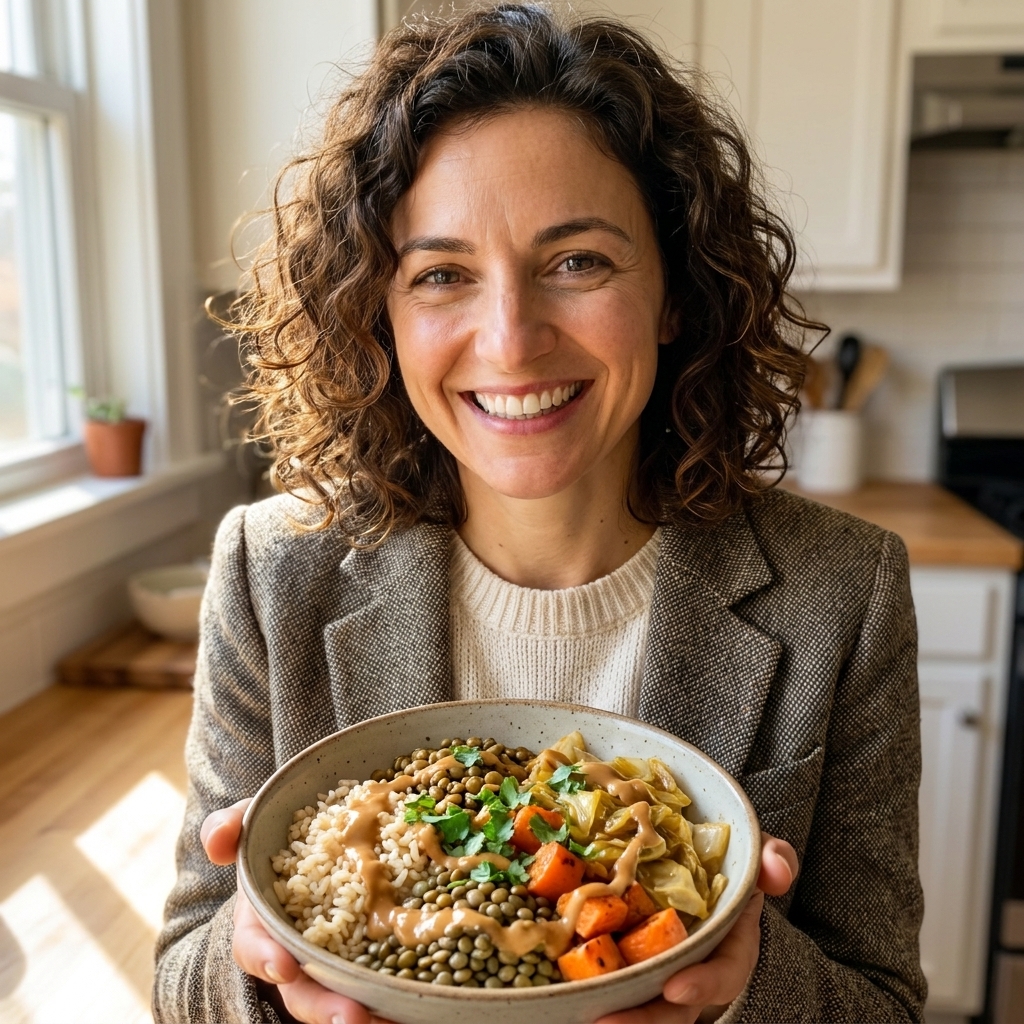
- Brown rice: Cook 2 to 3 cups dry (you will use it in bowls, soups, and stir-fries). This makes roughly 6 to 9 cups cooked, depending on the rice and how you measure.
- Lentils: Cook 1 lb dry lentils until tender. Season simply with salt and a little garlic powder. This yields about 6 cups cooked.
- Roasted vegetables: Roast a sheet pan of chopped carrots, onions, and cabbage (or your hero veggie). Oil, salt, pepper, and whichever spice blend you like.
- Quick peanut sauce: Stir together peanut butter + soy sauce + a splash of vinegar or lemon + water to thin + chili flakes if you like heat.
Optional quick prep
- Wash and slice cabbage for slaw or stir-fries.
- Portion oats into jars or containers for grab-and-go mornings.
- If using dry chickpeas, cook a batch now. If using canned, just rinse and store.
Food safety note: Cool hot foods quickly and refrigerate within 2 hours. Store leftovers in the fridge at 40°F (4°C) or below. For best quality and safety, plan to use cooked grains and legumes within 3 to 4 days. If you are prepping for the full week, freeze half the rice and lentils in meal-sized portions and thaw midweek.
The 7-day vegan meal plan (under $50-ish)
Each day includes breakfast, lunch, and dinner, plus snack ideas. Mix and match. The plan is designed to be flexible and forgiving.
Day 1
- Breakfast: Peanut butter banana oatmeal
- Lunch: Lentil rice bowl with roasted vegetables + peanut sauce
- Dinner: Chickpea tomato stew over rice (add spinach at the end)
- Snack: Carrot sticks + peanut butter, or a banana
Day 2
- Breakfast: Overnight oats (oats + water or plant milk if you have it) + sliced banana
- Lunch: Leftover chickpea tomato stew
- Dinner: Quick lentil taco tortillas: lentils sautéed with onion + chili powder or cumin, topped with cabbage slaw
- Snack: Apple (if purchased) or leftover oats as a mini bowl
Day 3
- Breakfast: Savory oats with sautéed onion and spinach (unexpectedly cozy and filling)
- Lunch: Chickpea salad wrap: mashed chickpeas + diced onion + a spoon of peanut sauce thinned, add cabbage for crunch
- Dinner: Stir-fried cabbage and carrots with lentils over rice (soy sauce + vinegar for brightness)
- Snack: Roasted carrots (yes, even cold)
Day 4
- Breakfast: Peanut butter banana oatmeal
- Lunch: Lentil rice bowl with roasted vegetables + extra cabbage
- Dinner: Tomato lentil soup (lentils + crushed tomatoes + onion + water/broth + spinach)
- Snack: Banana or an apple
Day 5
- Breakfast: Overnight oats with cinnamon (if you have it) and banana
- Lunch: Leftover tomato lentil soup + tortilla on the side
- Dinner: Chickpea and cabbage skillet with peanut sauce over rice
- Snack: Carrots + peanut butter
Day 6
- Breakfast: Savory oats with spinach and a splash of soy sauce
- Lunch: Chickpea salad wrap or bowl
- Dinner: Fried rice style: rice + lentils + chopped veggies, seasoned with soy sauce and vinegar
- Snack: Any fruit left, or leftover roasted veg
Day 7
- Breakfast: Use-up-the-week oatmeal: bananas + whatever odds and ends you have
- Lunch: Leftover stew/soup or rice bowl
- Dinner: Everything bowl: rice + lentils + chickpeas + roasted veg + peanut sauce
- Snack: Whatever is left, paired with water and a little pride for making it through the week
3 core recipes you will reuse
1) Chickpea tomato stew (15 to 20 minutes)
Ingredients: 1 can chickpeas (rinsed), about 2 cups crushed tomatoes, 1 onion (diced), frozen spinach, salt, pepper, any spice blend (curry powder is great).
How: Sauté onion in a little oil until soft. Add tomatoes, chickpeas, spices, and a splash of water. Simmer 10 minutes. Stir in spinach to wilt. Serve over rice or with tortillas.
2) Peanut sauce (5 minutes)
Ingredients: 1/3 cup peanut butter, 2 tbsp soy sauce, 1 tbsp vinegar or lemon juice, water to thin, chili flakes optional.
How: Stir, thin, taste. Add more soy sauce for salt, vinegar for tang, water to loosen.
3) Lentil taco filling (10 minutes)
Ingredients: Cooked lentils, diced onion, chili powder or cumin, salt, splash of water.
How: Sauté onion, add lentils and spices, splash in water and cook until thick. Stuff into tortillas with cabbage.
How this stays balanced
When budgets get tight, the first thing people worry about is protein. Totally fair. The good news is that legumes are one of the most cost-effective protein sources in the store.
- Protein: lentils + chickpeas across meals
- Carbs for energy: oats and rice (especially helpful if you are active or chasing kids)
- Fiber: legumes + cabbage + carrots + oats help with fullness and digestion
- Healthy fats: peanut butter carries the week, and it is affordable
Portion note: If you are very active or simply hungrier, the easiest way to scale this plan is to add more rice, oats, lentils, and peanut butter. If you have a smaller appetite, you may end up with extra portions for the freezer.
If you can stretch the budget: adding tofu, edamame, walnuts, hemp seeds, or a fortified plant milk makes hitting protein, calcium, and omega-3s easier. If you cannot, you can still eat well on the basics.
Easy swaps
- No cabbage? Use frozen mixed vegetables, kale, or whatever leafy green is on sale.
- Lentils pricey this week? Swap in black beans or pinto beans.
- Rice not your thing? Use pasta, barley, or potatoes (often a great budget deal).
- No tortillas? Turn wraps into bowls, or use toast if you bought bread.
- Peanut allergy? Use sunflower seed butter if available, or make a tomato-herb sauce and lean on olive oil for fat.
FAQ
Is $50 realistic right now?
It can be, especially for one adult, if you prioritize dry grains and legumes, choose seasonal produce, and keep variety through seasoning rather than lots of specialty items. If you live in a higher-cost area, aim for the same structure and let the number be a moving target.
Do I need expensive meat substitutes?
No. They can be fun, but they are not necessary for a satisfying vegan week. Beans, lentils, and chickpeas are the budget MVPs.
How do I keep this from feeling repetitive?
Rotate the format. The same ingredients feel totally different as a soup, a wrap, a bowl, or a stir-fry. Also, one punchy sauce (like peanut sauce) plus one tomato-based dish creates contrast fast.
What about vitamin B12 and other nutrients?
B12 is a nutrient vegans typically need from fortified foods or a supplement. Many people use a reliable B12 supplement, but individual needs vary. If you are fully plant-based long-term, consider discussing B12, vitamin D, iodine, iron, and omega-3s with your healthcare team or a dietitian.
A little plate empathy
If your week does not go perfectly, you did not fail. A budget plan is a support, not a test. If you ate oatmeal for dinner or grabbed something on the go, that is still you feeding yourself. Start where you are, reuse what you can, and let next week be a little easier because you practiced.