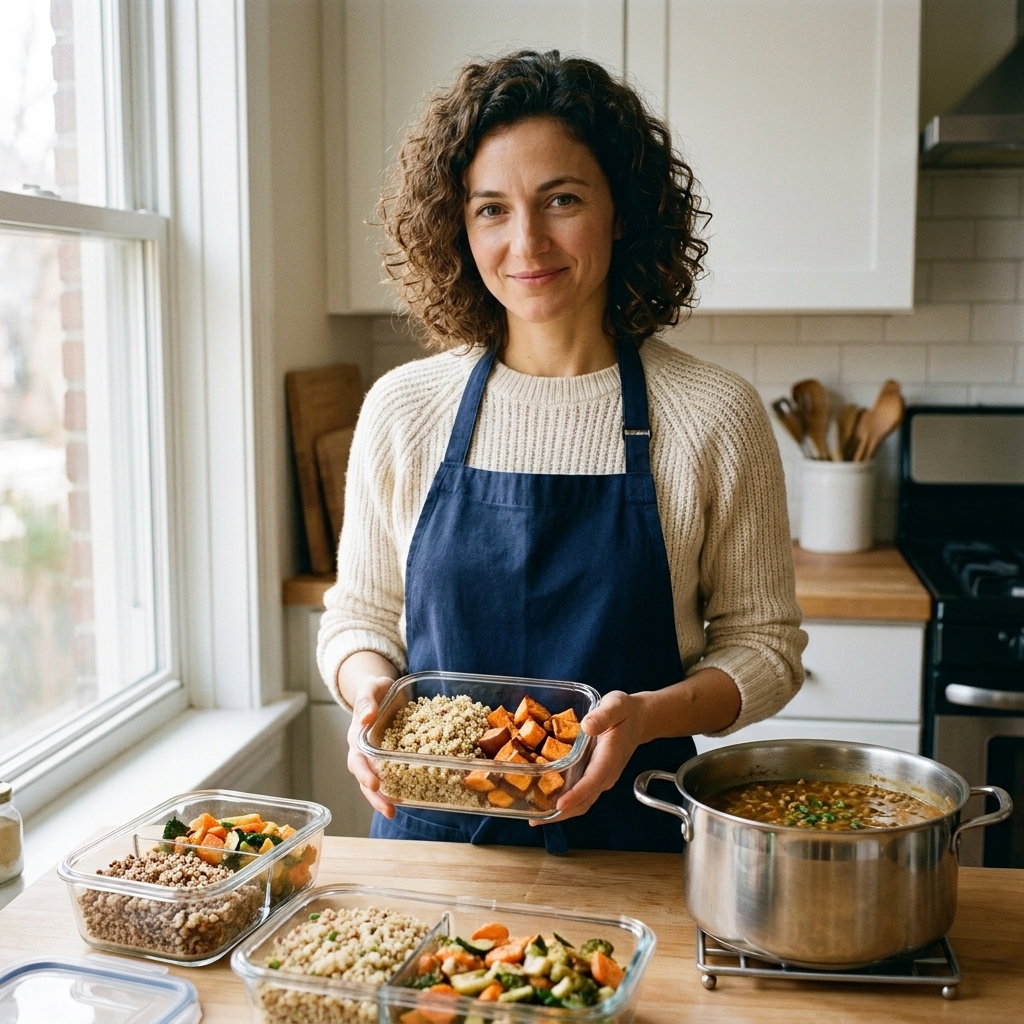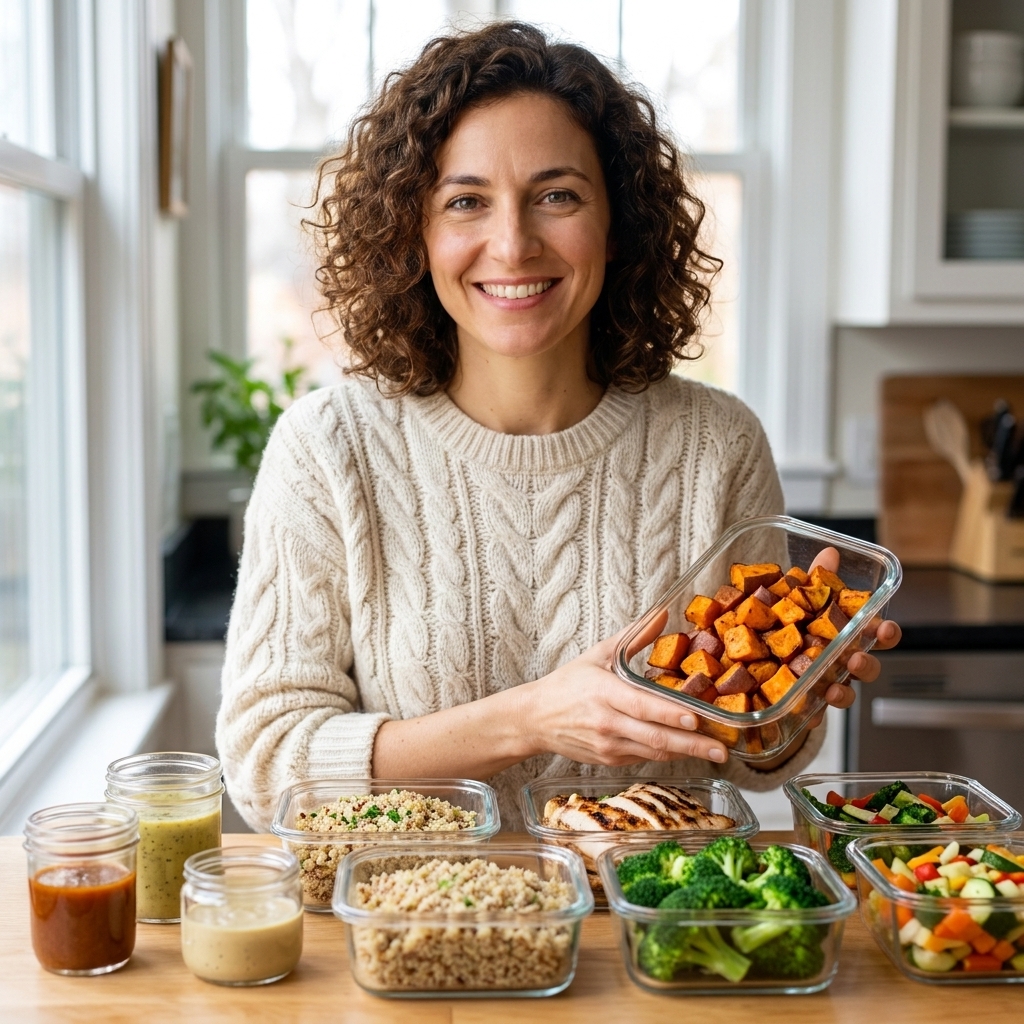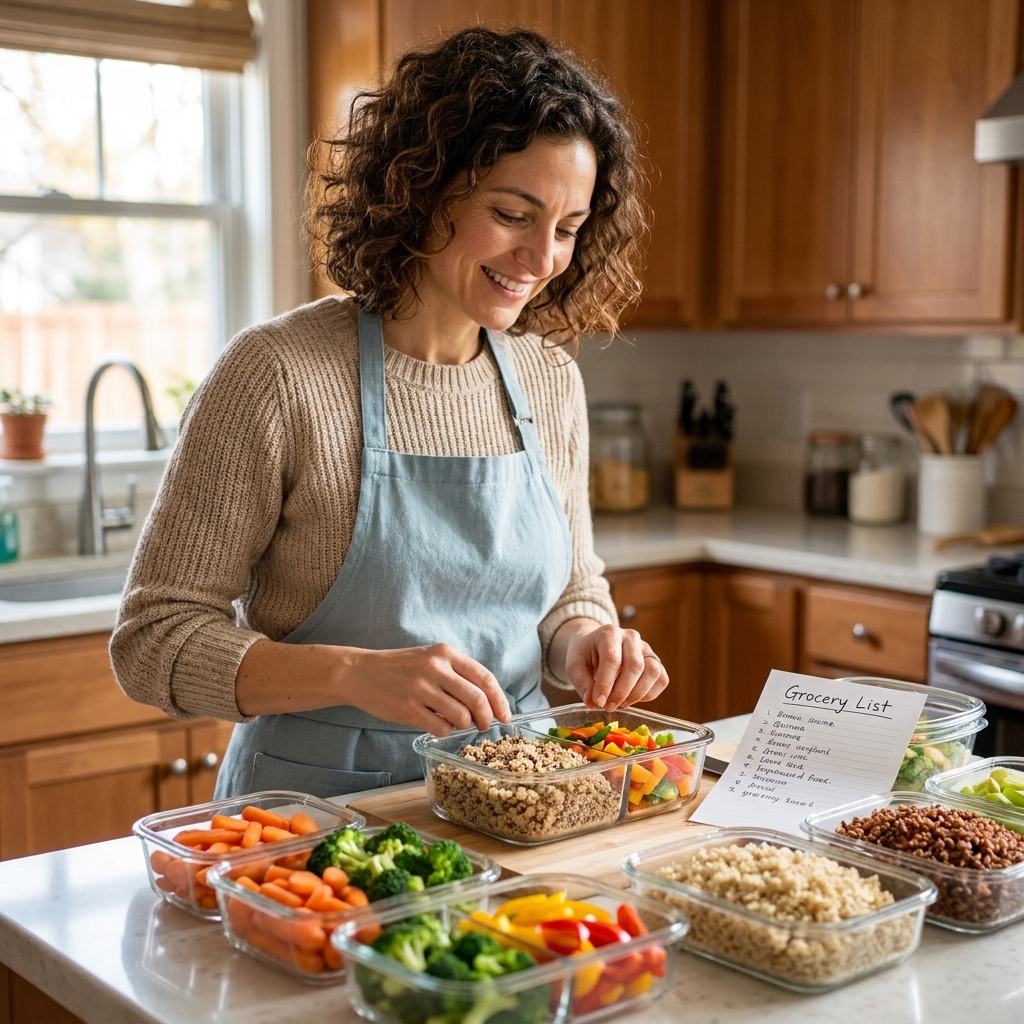
A step-by-step, no-perfection-needed guide to planning, shopping, prepping, and storing healthy meals for the week, even if you only have 60 to 90 minutes.
Platepathy
Meal Prep for One
A realistic, waste-free way to meal prep for one: smart grocery quantities, half-batch cooking, mix-and-match components, simple flavor combos, and safe storage tips that keep dinner easy without leftovers piling up.

Elena Rossi
Elena Rossi writes Platepathy's meal planning guides, translating nutrition research into approachable, delicious meal plans for real, busy lives.
Published November 12, 2026
When I lived alone in my twenties, I did two things on repeat: order takeout because I was tired, and buy “healthy groceries” because I was optimistic. By Thursday, the spinach was limp, the yogurt was on its way to science-project status, and I was back on noodles.
Now, as a dietitian and a mom who still wants dinner on the table at a reasonable hour, I’ve learned something that feels oddly liberating: meal prep for one is not about cooking a giant pot of something and forcing yourself to eat it five times. It’s about portion math, smart groceries, and prepping small building blocks you can turn into different meals.
The mindset shift: prep components
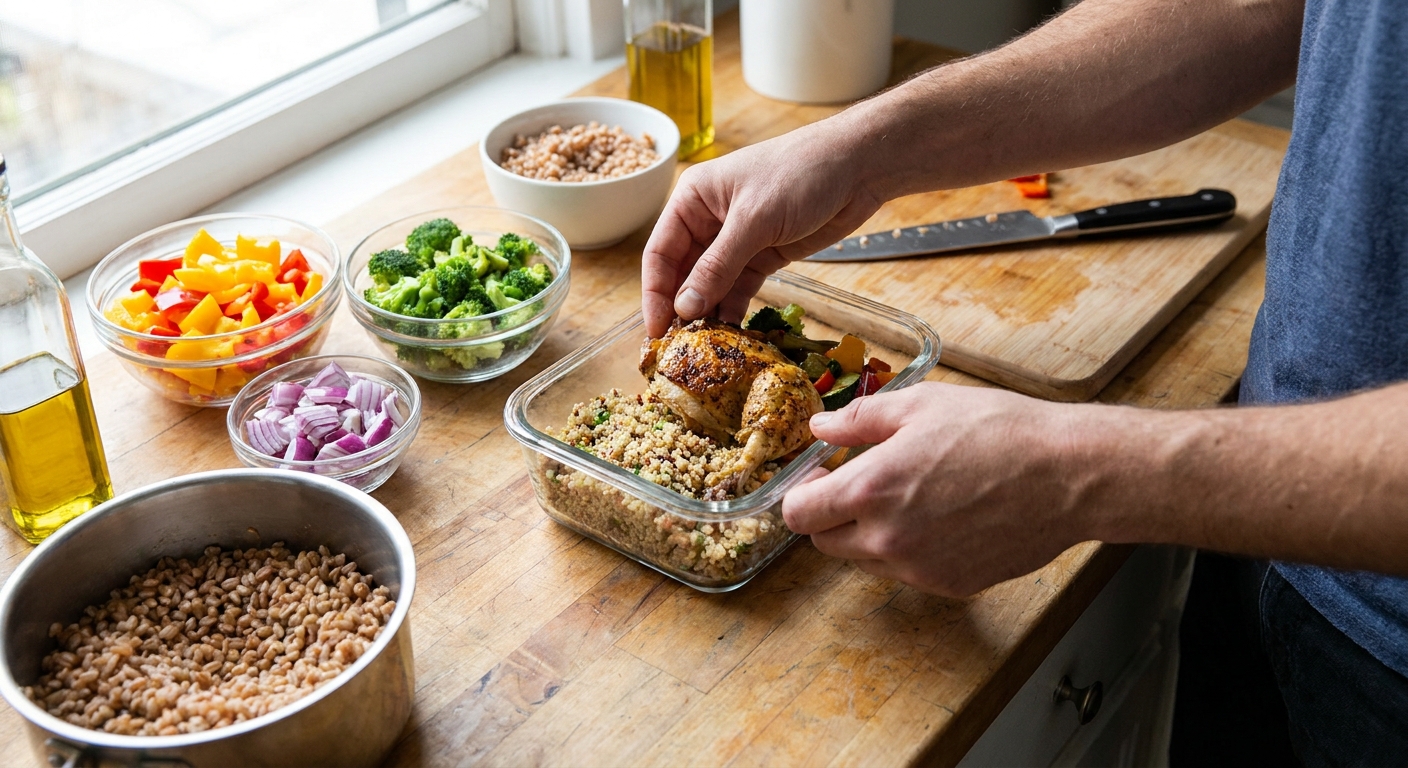
If you live alone, your biggest enemies are boredom and waste. The simplest fix is to prep a few mix-and-match components so you can assemble different meals in 10 minutes.
Think in three layers:
- Foundation: a grain, potato, or hearty bread
- Protein: beans, eggs, chicken, tofu, fish, lentils
- Produce + flavor: 2 to 3 vegetables and 1 to 2 sauces or toppings
This keeps your week flexible. If you have a late meeting, you can make a fast bowl. If you feel like cooking, you can use the same ingredients in a skillet meal. Same groceries, different dinner.
Portion math for one
You do not need to count macros to meal prep for one. You do need a few reality-based numbers so you stop buying family-sized amounts of food that expire before you can blink.
How much to cook at once
- Cooked grains: aim for 3 to 4 cups cooked total for the week (about 1 to 1 1/3 cups dry rice, quinoa, farro, or pasta). That usually covers 3 to 4 meals as a base depending on how you portion (many people use about 3/4 to 1 cup per meal).
- Protein: plan 3 to 5 portions of your main protein. A “portion” is a common range like 3 to 5 ounces cooked meat or fish, 1/2 to 3/4 cup beans or lentils, 2 eggs, or 4 to 6 ounces tofu.
- Roasted or sautéed vegetables: 4 to 6 cups cooked is usually plenty (they shrink a lot). Choose vegetables that reheat well.
- Salad greens: buy one small clamshell or one bunch, and plan to eat it earlier in the week.
- Sauce: 1 cup total (store-bought or homemade) is enough to keep meals interesting without accumulating half-used jars.
How to avoid too much food
Use this quick planning filter:
- Pick 3 dinners you actually want. Not seven. Three.
- Make 1 dinner a fresh-cook night (often fish, shrimp, or something you love hot off the pan).
- Make 2 dinners built from components (bowls, salads, wraps, stir-fries).
- Plan 1 intentional leftover (lunch the next day), not an accidental mountain of extras.
Shopping for one
Grocery stores are built for families. Your job is to shop like a strategist, not like you’re stocking a small café.
The small-list formula
A balanced, low-waste week for one person can look like:
- 2 proteins: one batch-friendly (chicken thighs, tofu, beans, lentils) and one quick-cook (eggs, shrimp, fish, turkey slices)
- 3 vegetables: one sturdy (carrots, cabbage, broccoli), one fast (zucchini, mushrooms, bell peppers), one leafy (spinach, arugula, romaine)
- 1 fruit you’ll actually eat: berries, apples, bananas, oranges
- 1 foundation carb: rice, quinoa, potatoes, tortillas, pasta, bread
- 2 flavor boosters: pesto, salsa, hummus, vinaigrette, curry paste, jarred marinara, feta, Parmesan, kimchi
Buy these formats
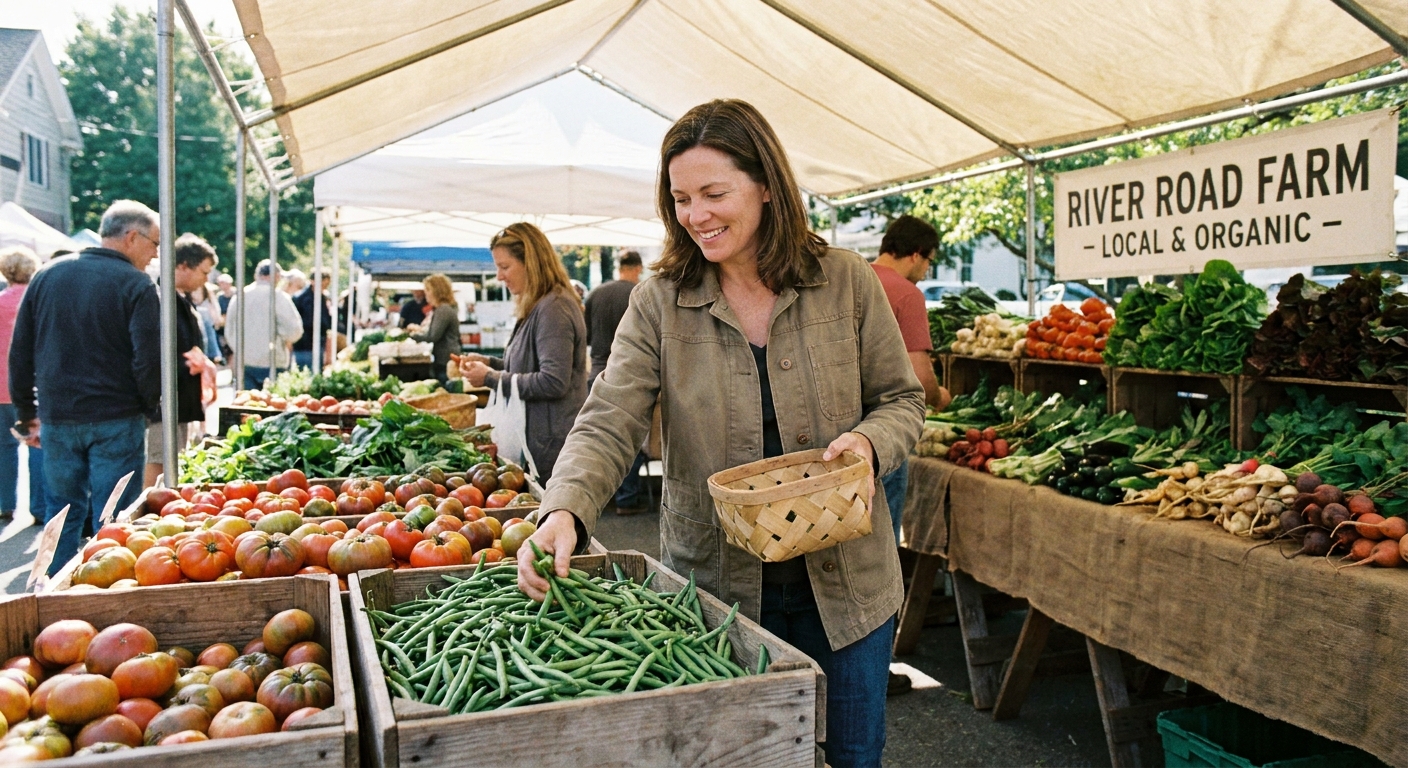
- Loose produce: choose single apples, two potatoes, three onions, not a five-pound bag unless you truly love them.
- Frozen vegetables and fruit: you can pour out what you need and avoid the “I forgot” compost guilt.
- Smaller proteins: the butcher counter can be your best friend. Ask for one chicken breast or one salmon filet.
- Half loaves or freezer-friendly bread: slice and freeze, then toast from frozen.
A tiny money-saving habit
Before you shop, decide what you will eat first: anything with delicate greens, berries, fresh fish, or ripe avocado should be scheduled for early-week meals. Sturdy vegetables, frozen items, grains, and beans can wait.
Half-batch cooking
Most recipes are written for 4 servings, which is great if you are feeding a family and less great if it is just you and your Tuesday mood.
How to halve most recipes
- Proteins: halve the weight (1 pound becomes 1/2 pound).
- Dry goods: halve cups and tablespoons. Use measuring spoons for accuracy when it is small.
- Spices: start with half, then taste and adjust. Spices do not always scale perfectly.
- Eggs: if a recipe needs 1 egg and you are halving it, either keep the whole egg (usually fine) or choose a different recipe. I do not want you whisking half an egg on a weeknight.
Use smaller cookware
A 10-inch skillet, a small sheet pan, and a 2-quart pot make single-household cooking feel less like you are operating industrial equipment.
Cook once, eat twice
For most people living solo, the sweet spot is 2 servings: dinner tonight, lunch tomorrow. It reduces waste and decision fatigue without locking you into a week of repeats.
A simple weekly rhythm
Here’s a rhythm I recommend when you want to prep, but you do not want your Sunday to disappear into a haze of containers.
Sunday or Monday: 60 to 90 minutes
- Cook 1 foundation: 3 to 4 cups cooked grain or 2 to 3 medium potatoes
- Cook 1 batch protein: 3 to 5 portions
- Cook 1 tray of vegetables: 4 to 6 cups cooked
- Wash and dry greens (or plan to use bagged greens early in the week)
- Choose 1 sauce or topping
Tuesday and Wednesday: assemble
- Turn components into bowls, wraps, salads, or quick stir-fries
- Use sauce to change the flavor direction
Thursday: mini reset (15 minutes)
- Chop one fresh vegetable
- Make a quick protein (eggs, shrimp, fish, or a can of beans dressed with olive oil and lemon)
- Check what needs to be eaten before the weekend
Friday: flex
Leftovers, freezer meal, or takeout on purpose. Plate empathy means you plan for real life, not perfection.
Mix and match meals
Let’s say you prepped: quinoa, roasted broccoli and peppers, and a batch of lemon-garlic chicken (or tofu). You also bought hummus and salsa.
- Quinoa bowl: quinoa + chicken/tofu + roasted veg + hummus + squeeze of lemon
- Warm salad: greens + warm roasted veg + chicken/tofu + vinaigrette
- Wrap: tortilla + hummus + chicken/tofu + greens + sliced peppers
- Skillet quinoa: sauté quinoa with any veg + add egg or extra protein + salsa
- Soup shortcut: heat broth + add quinoa + veg + protein, finish with lemon and pepper
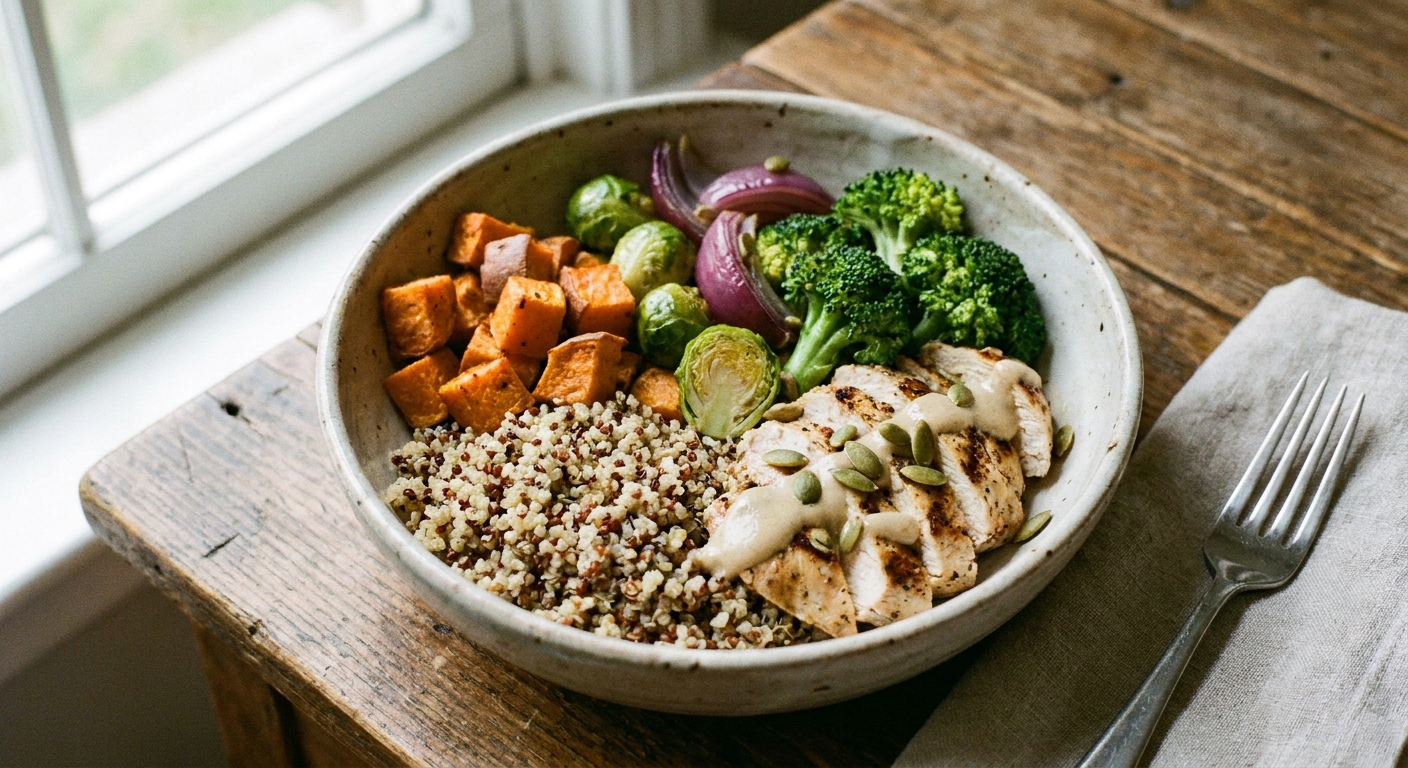
Same groceries. More than one way to eat them. That is the goal.
Flavor combos
If you like the component approach but you get bored easily, this is the easiest fix: keep the same base ingredients and change the flavor lane.
- Mexican-inspired: salsa + lime + cumin + avocado (if you have it)
- Mediterranean: lemon + olive oil + feta + oregano
- Asian-inspired: soy sauce + sesame oil + ginger + scallions
- Italian-inspired: marinara + Parmesan + basil (fresh or dried)
- Middle Eastern: tahini + garlic + lemon + paprika
Storage windows
Storage is where solo meal prep either saves you or sabotages you. These are conservative windows for best quality. Food safety varies based on how quickly food is cooled, how cold your fridge runs, and how it is handled.
Quick safety basics
- Cool promptly: get cooked food into the fridge within about 2 hours (sooner if your kitchen is warm).
- Rice reminder: cooked rice is higher risk if left out. Cool it quickly, refrigerate promptly, and reheat until steaming hot.
- Reheat well: heat leftovers thoroughly, and if something smells or looks off, skip it.
In the fridge
- Cooked grains: 3 to 5 days
- Cooked chicken, turkey: 3 to 4 days
- Cooked tofu, beans, lentils: about 3 to 5 days
- Cooked fish: 1 to 2 days for best quality (many people are comfortable a bit longer when chilled promptly, but sooner is better)
- Roasted vegetables: 3 to 5 days
- Washed greens: 3 to 5 days if very dry and stored with a paper towel
- Cut vegetables: 3 to 4 days (some, like cucumbers, soften faster)
In the freezer
- Cooked grains: up to 2 months
- Cooked shredded or sliced proteins: 2 to 3 months
- Soups and stews: 2 to 3 months
- Bread: 2 to 3 months
My favorite anti-waste habit
Freeze grains in 1-cup portions and proteins in 1 to 2 portion packs. Future-you should not have to thaw a brick of food just to eat lunch.
Containers and tools
You do not need a whole new kitchen. A few well-chosen items help a lot for single servings and smaller batches.
- Two or three 2-cup glass containers: perfect for single meals
- One or two 4-cup containers: for a batch of grains or vegetables
- A small sheet pan: roasting for one without crowding
- A good knife and cutting board: the real time saver
- A fine-mesh strainer: for rinsing beans, washing berries, and draining pasta
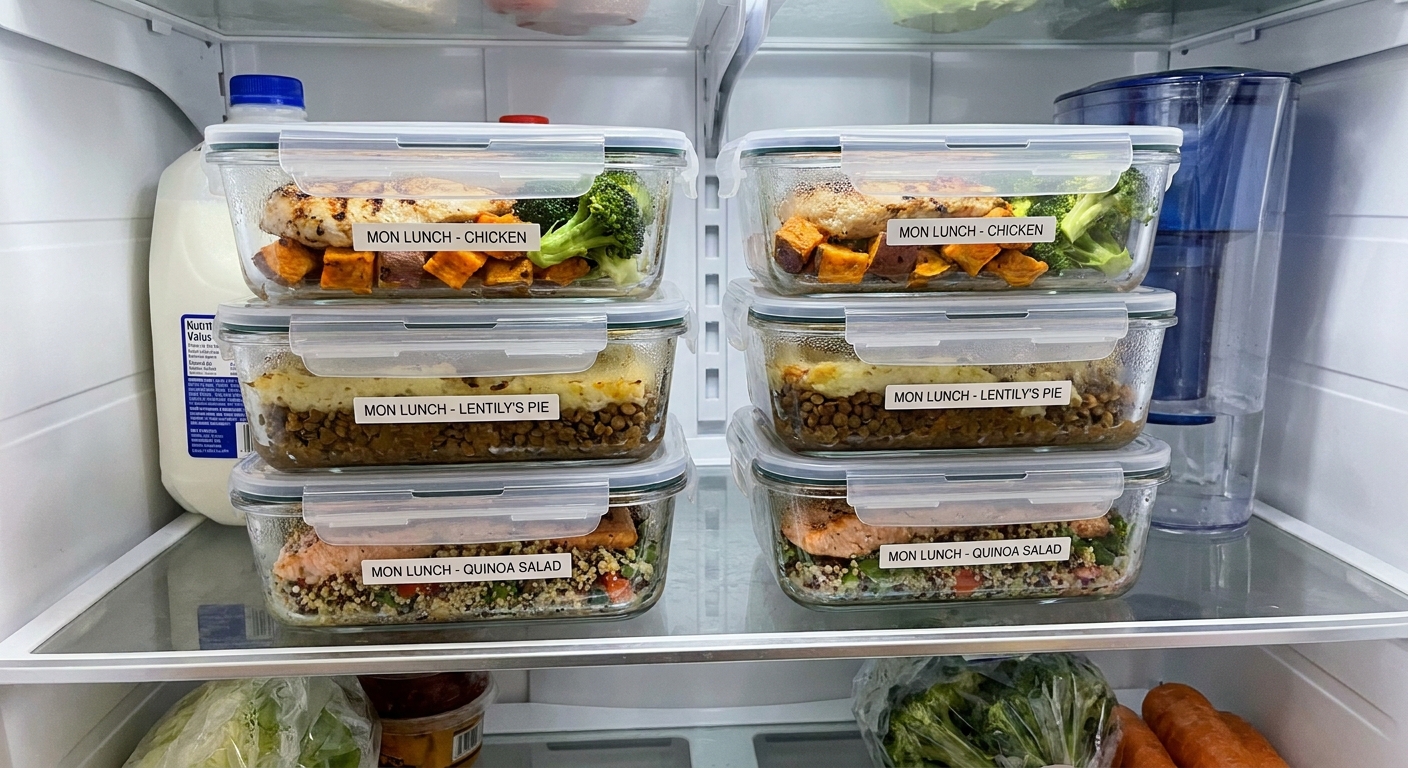
If you want one upgrade that pays off immediately, choose containers that are truly single-portion. Oversized containers are a quiet way we accidentally overcook and overeat.
A sample 5-day plan
This is an example structure you can copy, not a rigid rulebook.
Prep (about 75 minutes)
- Cook 1 cup dry rice or quinoa (yields about 3 cups cooked)
- Roast 1 sheet pan: broccoli + carrots (about 5 to 6 cups raw)
- Cook protein: 2 chicken thighs (or 1 block tofu, or 1 to 2 cups cooked lentils)
- Make or buy 1 sauce: pesto, vinaigrette, salsa, or tahini dressing
Weekday dinners
- Mon: grain bowl with roasted veg + protein + sauce
- Tue: salad with warm veg + protein + vinaigrette
- Wed: stir-fry using remaining veg + an egg or extra protein
- Thu: quick fresh-cook meal (fish, shrimp, or omelet) + any leftover grain
- Fri: freezer portion, leftovers, or takeout on purpose
Notice what is missing: a plan to eat the same chili five times. If you love chili, amazing. If you do not, you deserve better.
Troubleshooting
I get bored of leftovers
Prep components and keep two flavor options around. A bowl with salsa tastes totally different than a bowl with pesto. Also, aim for two servings at a time instead of a week of repeats.
My produce goes bad
Buy fewer types of produce, choose at least one frozen vegetable, and schedule delicate items early. If you want berries and salad greens, plan to eat them in the first 2 to 3 days.
I don’t want to cook on Sundays
Do a 20-minute mini-prep: cook a grain, wash greens, and pick up a ready protein (rotisserie chicken, pre-cooked lentils, canned beans). Meal prep is allowed to be small.
I end up with snacky dinners
Make it easier to assemble a real plate: keep a cooked foundation in the fridge, a protein ready to go, and one vegetable that reheats well. Then snack foods can be snacks, not dinner by default.
FAQ
Is meal prep for one worth it?
Usually, yes, because it saves the most precious resources when you live alone: time, money, and mental energy. The trick is prepping smaller amounts so you actually eat what you make.
How many meals should I prep?
For most solo households, prepping 2 to 4 dinners worth of components is plenty. You can always do a quick reset midweek.
What are low-waste proteins for one?
Eggs, canned beans, lentils, tofu, Greek yogurt, and frozen seafood are all friendly for one because you can use small amounts without racing an expiration date.
What if I hate eating the same thing twice?
Keep portions small and prep ingredients, not full meals. You can also freeze one portion immediately, so the second serving becomes a future-you dinner, not tomorrow’s repeat.
One goal for this week
If you take just one idea from this, let it be this: plan three dinners, prep one grain and one protein, and buy only three vegetables. That small plan is often the difference between a fridge full of good intentions and a week of meals you actually want to eat.
Especially when it is just you at the table, the win is making food feel doable. Not perfect. Doable.