A practical, RD-written guide to storing meal prep: fridge and freezer timelines, smart container choices, cooling rules, thawing, and reheating tips that ke...
Platepathy
Freezer-Friendly Healthy Recipes
Batch cooking that actually helps: learn what freezes well, how to cool and store food safely, and get a roundup of healthy freezer-friendly recipes with easy reheating tips.

Elena Rossi
Elena Rossi is a Registered Dietitian and meal prep expert who believes that healthy eating shouldn't feel like a second job. Through Platepathy, she translates complex nutrition science into approachable, delicious meal plans designed for real, busy lives.
Published October 18, 2026
Last updated October 18, 2026
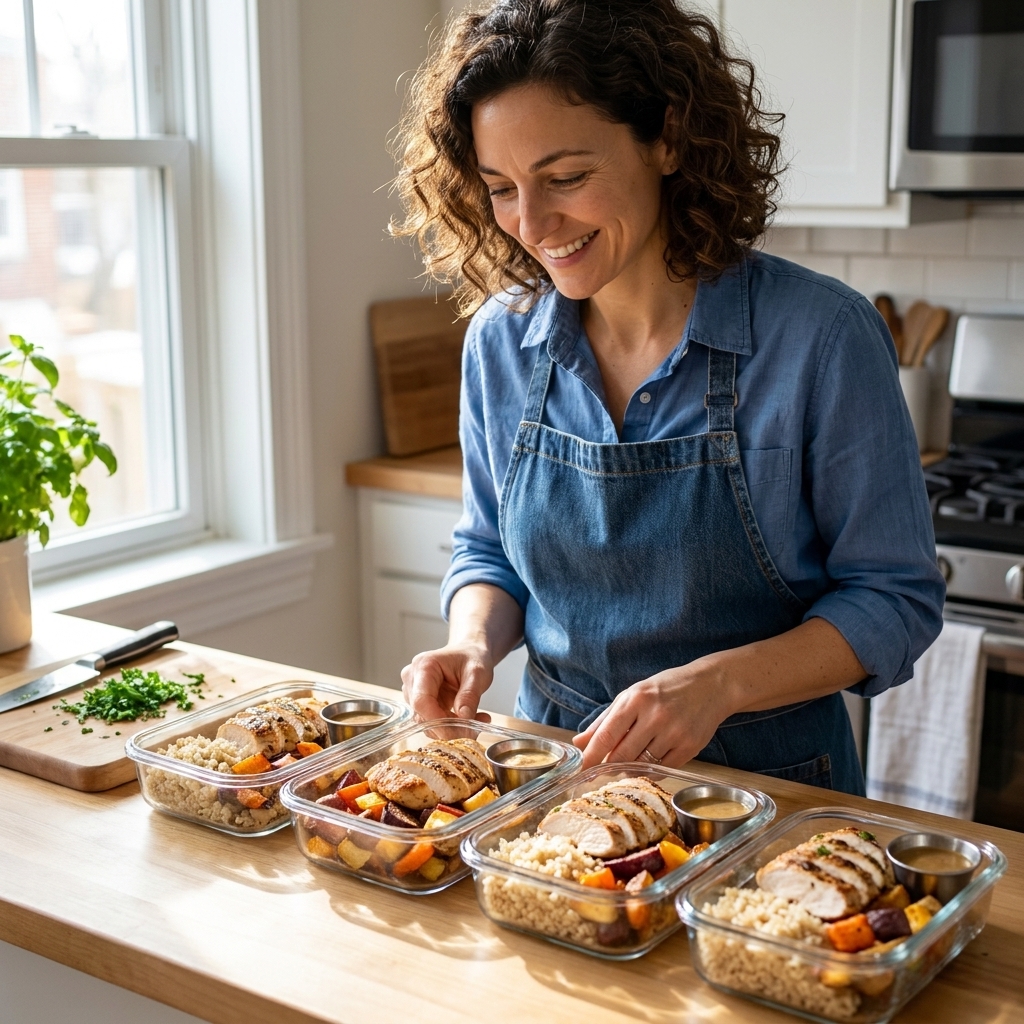
If “what’s for dinner?” hits at 5:12 PM like a jump scare, freezer-friendly cooking can be the kindest gift you give Future You. Not a rigid meal-prep bootcamp. Not a Sunday spent chained to the stove. Just a few dependable, healthy recipes tucked away like edible backup plans.
Plate empathy is the whole point here, meaning you plan for your real-life energy levels, schedule, and budget instead of your best-case fantasy self. Below you’ll find what freezes best, how to package it so it tastes great later, calm food safety basics, and a roundup of freezer-friendly healthy recipes that hold up like champs.
Why freezer meals work for healthy eating
I used to think freezer meals meant bland, beige food. In reality, freezing is one of the easiest ways to make balanced meals more consistent. When you have a few options ready to go, you’re more likely to eat a dinner that includes vegetables, fiber, and protein instead of defaulting to whatever is fastest.
- Consistency without perfection: You can still cook fresh when you want to. The freezer just fills the gaps.
- Less waste: Extra spinach, half a jar of marinara, leftover rice, and the last pound of ground turkey become building blocks.
- Budget-friendly protein: Batch-cooking beans, chicken, turkey, or tofu reduces last-minute takeout.
- Better portion flexibility: Freeze single servings for lunches or family-size portions for chaotic weeknights.
What freezes well (and what doesn’t)
The best freezer-friendly categories
- Soups, stews, and chili: Flavor often improves after a freeze and reheat.
- Beans and lentils: Cooked legumes freeze beautifully and make fast meals.
- Casseroles and baked pastas: Especially ones with sauce and vegetables.
- Cooked grains: Brown rice, quinoa, farro, barley.
- Meatballs, burgers, shredded chicken: Great for mix-and-match meals.
- Breakfast items: Egg muffins, oatmeal cups, breakfast burritos.
- Sauces: Tomato sauce, curry sauce, pesto (best in small portions).
Foods that can be tricky (but not impossible)
- Watery vegetables: Cucumber, lettuce, raw tomatoes get mushy. Use them fresh.
- Creamy dairy-forward sauces: They can separate. Workarounds: use evaporated milk, blend in cottage cheese, or stir in dairy after reheating.
- Potatoes: Some preparations turn grainy. Mashed potatoes and soups with blended potatoes freeze better than chunky boiled potatoes.
- Cooked pasta: It can soften. Slightly undercook before freezing, or freeze sauce separate and cook pasta fresh.
- Some dairy toppings: Sour cream and cream cheese can separate. Hard cheeses tend to freeze best when shredded, then sprinkled on after reheating.
Freezing basics that keep food tasting fresh-cooked
1) Cool quickly, then freeze
For food safety and texture, the goal is to cool cooked food fast, then get it cold before it goes into the freezer. Divide big batches into shallow containers so they cool faster. If it’s a large, hot pot of soup, don’t park the whole thing in the fridge as-is. It can stay warm too long and warm up everything around it.
A simple rhythm that works: portion first, quick-cool if needed, refrigerate until fully cold, then seal and freeze.
- Two-hour rule: Don’t leave perishable foods out at room temperature for more than 2 hours (1 hour if the room is above 90°F or 32°C).
- Fast-cool hack: Set a pot of soup in a sink of ice water and stir for a few minutes.
2) Choose the right container
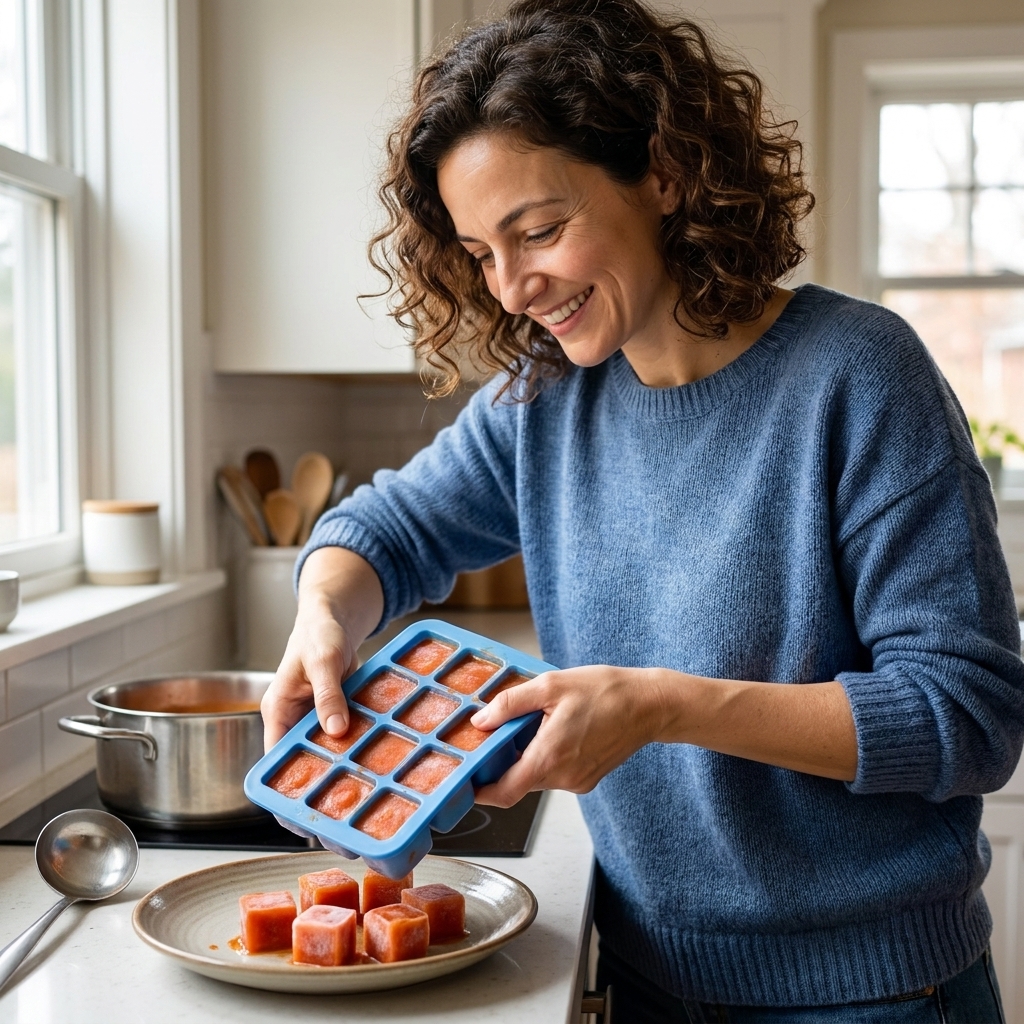
- Soups and sauces: Wide-mouth jars that are freezer-safe (straight sides are your friend), silicone trays, or freezer containers. Leave headspace for expansion.
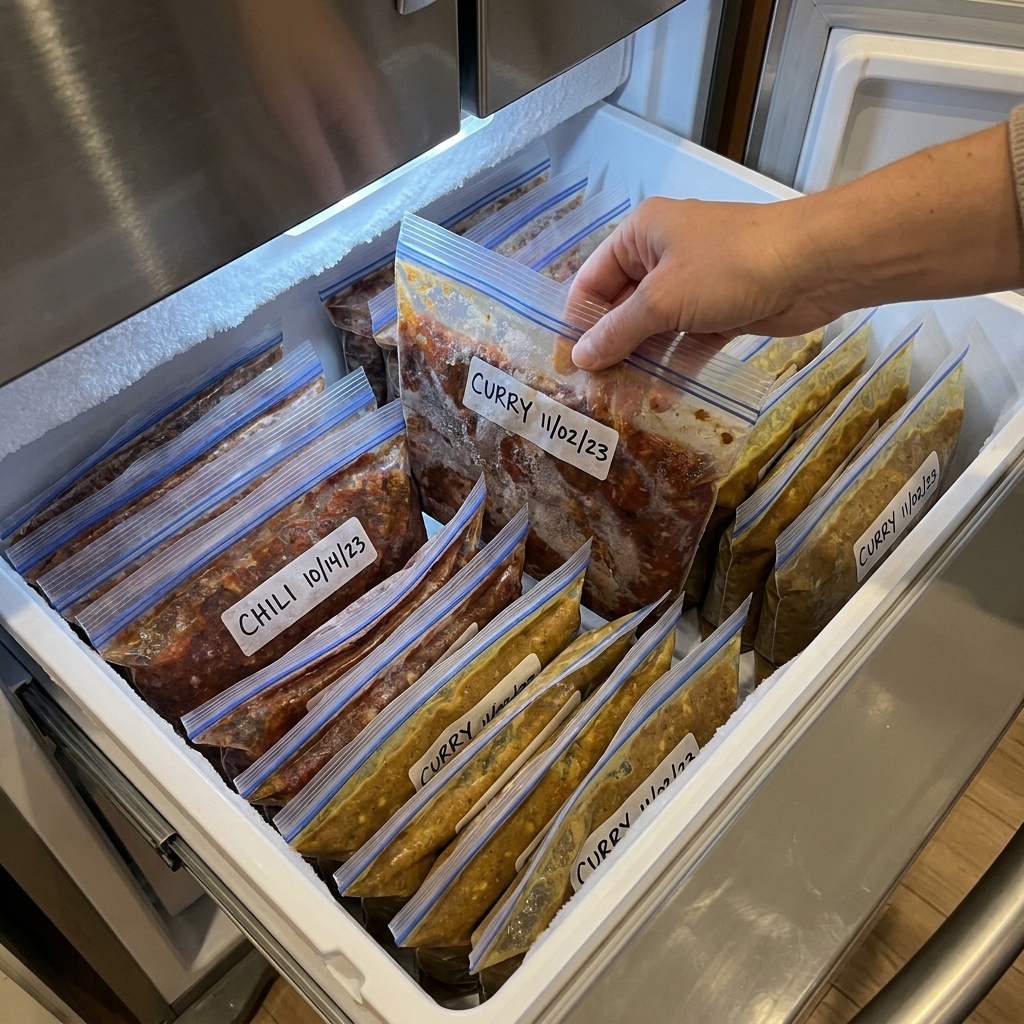
- Flat freeze for speed: For chili, shredded meat, or marinara, freeze in zip-top bags laid flat. They stack like books and thaw quickly. Leave a little room for expansion and label the bag before you fill it.
- Foil pans or baking dishes: Great for casseroles. Line with parchment for easy lift-out if you want your dish back.
3) Prevent freezer burn
Freezer burn is mostly an air problem. Press out extra air, use snug containers, and consider a double layer for longer storage (for example, wrap a casserole tightly, then slide into a freezer bag).
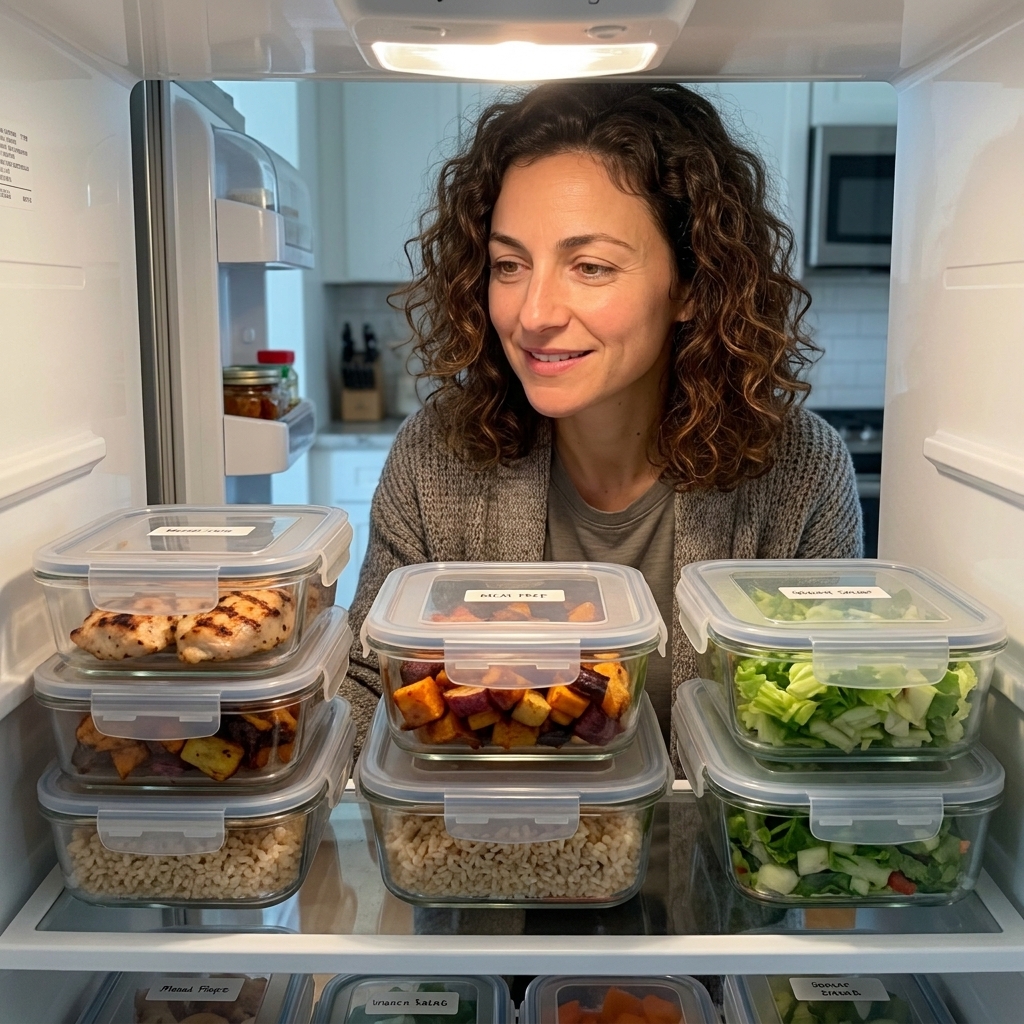
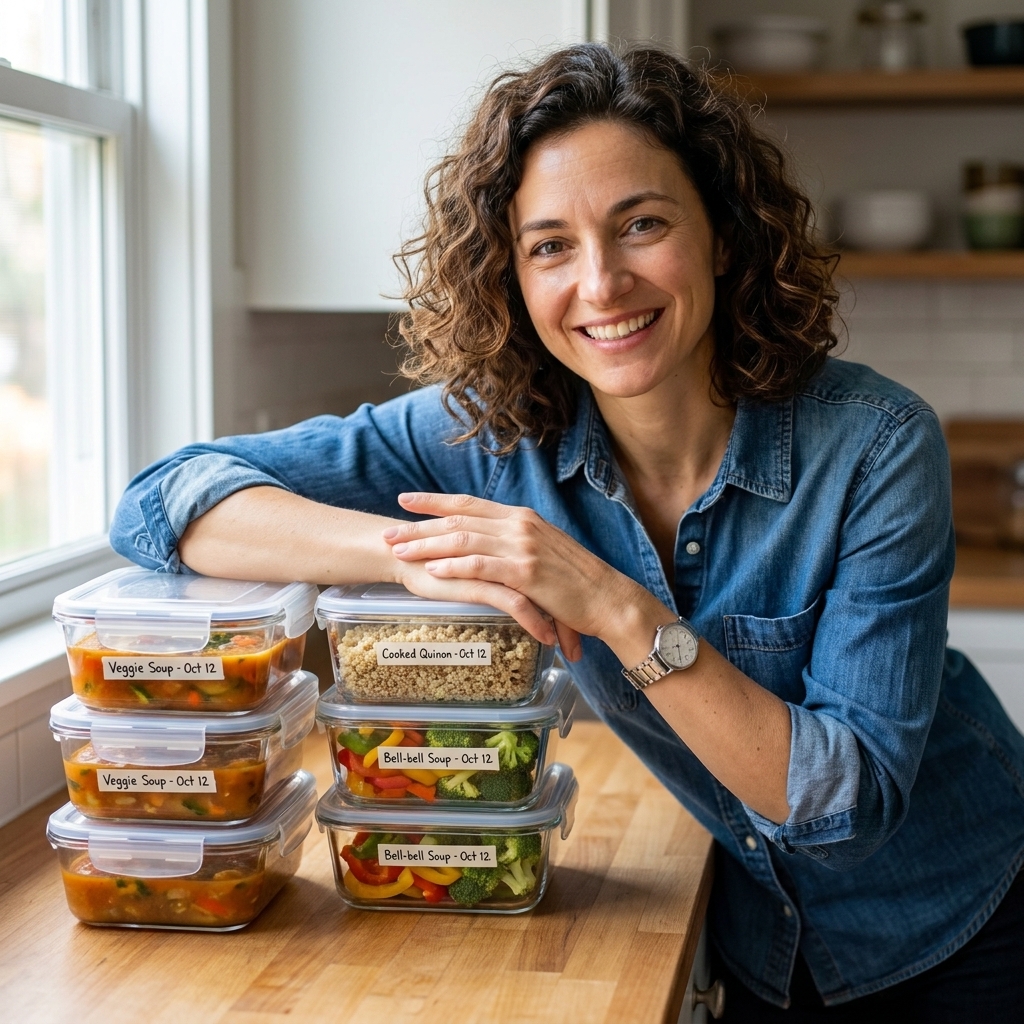
4) Label like you love yourself
Write the name, date, and reheating note (example: “Bake 375°F 30 to 40 min”). It’s a small step that saves so much brainpower later. Bonus points for a simple rotate system, meaning you eat the oldest items first.
How long can you keep freezer meals?
Frozen food stays safe longer than it stays delicious. For safety, keep your freezer at 0°F or minus 18°C. At that temperature, food can be safe indefinitely, but quality still declines over time. For best texture and flavor, here are practical timeframes:
- Soups and stews: 2 to 3 months
- Chili: 3 to 4 months
- Cooked beans and lentils: 2 to 3 months
- Casseroles: 2 to 3 months
- Cooked grains: 1 to 2 months
- Cooked chicken, turkey, meatballs: 2 to 3 months
- Breakfast burritos, egg muffins: 1 to 2 months
If something’s been in there longer, it might still be fine, just less tasty. Freezer burn looks dry, pale, and leathery. Also, a quick reality check: smell is not a perfect safety test. If you’re unsure how it was handled, or anything seems truly off, when in doubt, toss.
Thawing and reheating without drying it out
Best thawing options
- Overnight in the fridge: Easiest and safest for casseroles, soups, and cooked meats.
- Cold-water thaw (sealed): Submerge a sealed bag or container in cold water and change water every 30 minutes.
- From frozen: Many soups, chili, and sauces can go straight into a pot over low heat with a splash of water or broth.
Reheating tips by type
- Soups and chili: Reheat on the stove over medium-low, stirring often. Add broth if thickened.
- Cooked grains: Microwave with a tablespoon or two of water, covered, then fluff.
- Meatballs and shredded chicken: Reheat in sauce, broth, or a covered pan to prevent drying.
- Casseroles: Cover with foil for the first part of baking, then uncover to crisp the top.
Texture saver: Fresh toppings go a long way. Keep simple finishers on hand like lemon wedges, chopped herbs, Greek yogurt, shredded cheese, sliced scallions, or hot sauce.
Freezer-friendly healthy recipe roundup
These are the meals I come back to when life gets loud. They’re balanced, satisfying, and built to survive the freeze-thaw-reheat cycle. Each one includes a simple method so it’s not just an idea, it’s a plan.
1) Turkey and veggie chili
Why it freezes well: Chili’s flavor deepens over time, and the texture stays hearty.
Quick method: Brown ground turkey with onion and garlic, then simmer with beans, crushed tomatoes, bell pepper, zucchini, and chili spices until thick.
- Batch-cook tip: Double it and freeze in 2-cup portions.
- Reheat: Stovetop from frozen on low, or thaw overnight and microwave.
- Balance boost: Serve with a side of fruit or a simple bagged salad.
2) Red lentil coconut curry
Why it freezes well: Lentils hold texture, and it usually stays creamy after freezing.
Quick method: Sauté onion, garlic, and ginger with curry powder, then simmer red lentils in broth until soft. Stir in coconut milk and spinach at the end.
- Batch-cook tip: Freeze curry separately from rice for best texture.
- Reheat: Stovetop with a splash of water. If it separates a bit, whisk and it comes back together.
- Finish: Lime juice and cilantro after reheating brighten everything.
3) Chicken and vegetable soup with barley
Why it freezes well: Brothy soups thaw beautifully, and barley adds filling fiber.
Quick method: Simmer chicken (or stir in shredded rotisserie chicken) with carrots, celery, onion, garlic, and broth. Add barley and cook until tender.
- Batch-cook tip: If you prefer firmer grains, cook barley separately and add when reheating.
- Reheat: Stovetop simmer until hot throughout.
4) Spinach and ricotta stuffed shells (lightened up)
Why it freezes well: Sauce protects the pasta, and the filling stays tender.
Quick method: Mix ricotta with thawed, squeezed-dry spinach, egg, garlic, and parmesan. Stuff par-cooked shells, nestle in marinara, top with mozzarella.
- Batch-cook tip: Assemble in a freezer-safe baking dish, wrap tightly, freeze unbaked.
- Reheat: Bake from thawed at 375°F until bubbling. From frozen, add time and keep covered longer.
- Protein add-on: Mix in white beans or serve with turkey meatballs.
5) Veggie-packed marinara sauce
Why it freezes well: Sauce is one of the highest payoff freezer staples.
Quick method: Sauté chopped onion, carrots, zucchini, and mushrooms until soft. Add crushed tomatoes, herbs, and salt, then simmer. Blend if you want it smooth.
- Batch-cook tip: Freeze in 1-cup portions for fast dinners.
- Use it for: Pasta, shakshuka, chicken parm bowls, baked eggs, pizza night.
6) Sheet-pan meatballs (turkey or beef) for the freezer
Why it freezes well: Cook once, then mix-and-match all week.
Quick method: Mix ground meat with egg, breadcrumbs, grated onion, garlic, salt, and pepper. Roll, bake at 400°F until cooked through.
- Batch-cook tip: Freeze cooked meatballs on a parchment-lined tray, then transfer to a bag so they don’t clump.
- Reheat: Simmer in sauce, or microwave covered with a damp paper towel.
- Serve: Over whole grains, in pita with veggies, or with roasted frozen vegetables.
7) Black bean and sweet potato enchilada casserole
Why it freezes well: Tortillas and sauce freeze and reheat reliably, and sweet potato holds up.
Quick method: Layer tortillas with black beans, cooked diced sweet potato, sautéed peppers, enchilada sauce, and cheese. Repeat layers.
- Batch-cook tip: Assemble and freeze before baking for best texture.
- Reheat: Bake covered until hot, then uncover to brown slightly.
8) Breakfast burritos with eggs and beans
Why it freezes well: A complete, portable meal with protein and fiber.
Quick method: Scramble eggs, then mix with black beans, sautéed peppers and onions, and a little cheese. Roll tightly in tortillas.
- Batch-cook tip: Cool fillings completely before rolling to avoid soggy tortillas.
- Wrap: Wrap each burrito tightly, then store together in a freezer bag.
- Reheat: Microwave from frozen, then crisp in a skillet or toaster oven if you have time.
9) Baked oatmeal cups with berries and nuts
Why it freezes well: They thaw quickly and make breakfast feel effortless.
Quick method: Stir oats with milk, eggs, mashed banana (or applesauce), baking powder, cinnamon, and a pinch of salt. Fold in berries and nuts. Bake in a muffin tin.
- Batch-cook tip: Bake in a muffin tin, cool, freeze on a tray, then bag.
- Reheat: Microwave 30 to 60 seconds, add yogurt or nut butter.
10) Sausage, peppers, and onions freezer skillet kit
Why it freezes well: This is a dump-and-cook dinner starter.
Quick method: Slice fully cooked chicken sausage and combine in a freezer bag with sliced bell peppers and onions (raw is fine). Freeze flat.
- Cook: Sauté from frozen until the vegetables are tender. Serve with quick-cook rice, tortillas, or a bagged salad.
My low-stress batch-cooking routine
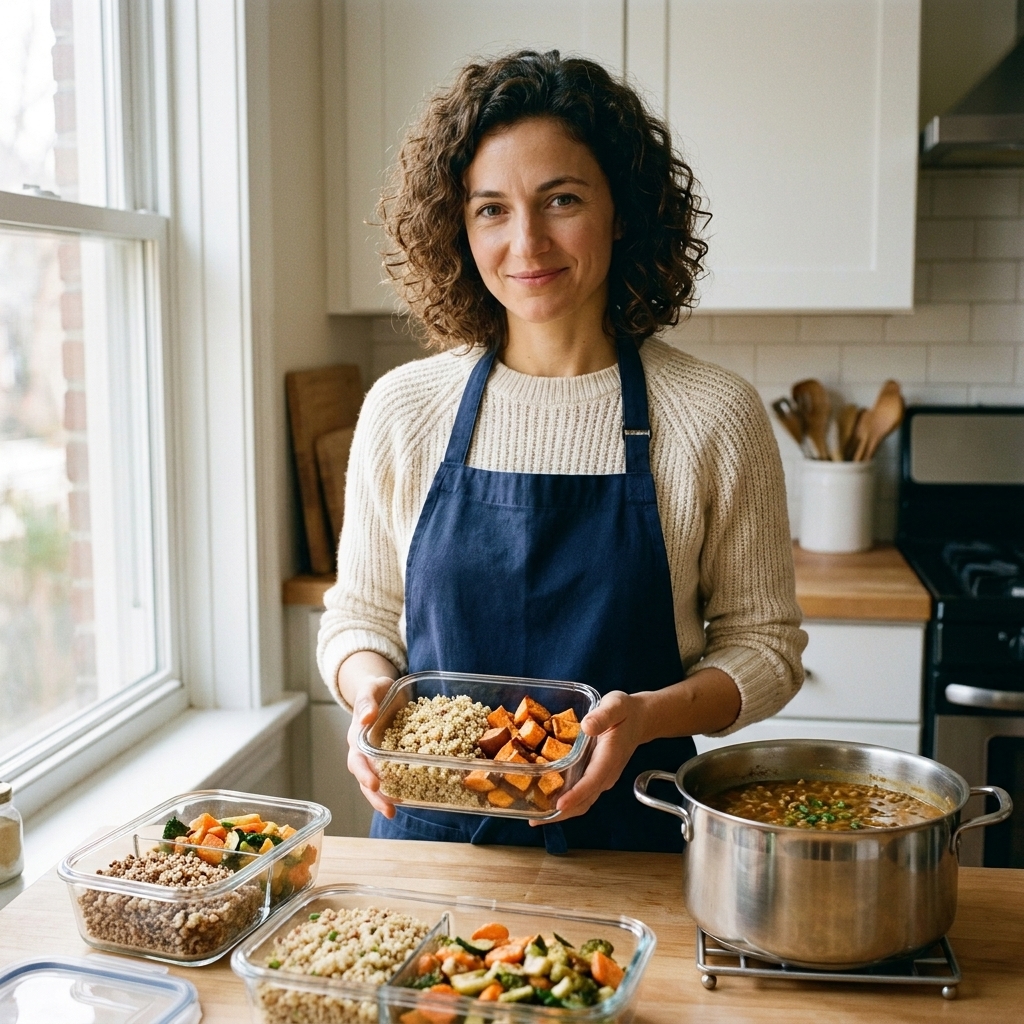
When you’re busy, the best system is the one you’ll actually repeat. Here’s the rhythm that works in my house:
Pick one of each
- One pot: soup, chili, curry, or stew
- One protein: meatballs, shredded chicken, tofu crumbles, or beans
- One grain: brown rice or quinoa
- One tray of vegetables: roasted broccoli, carrots, cauliflower, or mixed veg
That combo creates mix-and-match meals all week, and whatever you don’t use becomes freezer inventory.
Freeze in real life portions
- Single servings: for lunches, postpartum meals, solo dinners
- Two servings: for couples or small households
- Family servings: for a true weeknight rescue
Freezer meal packaging checklist
- Cool food quickly in shallow containers
- Freeze in flat bags when possible for faster thawing
- Leave headspace in jars and bags for expansion
- Press out air to prevent freezer burn
- Label with name, date, and reheating instructions
- Rotate: eat the oldest items first
- Keep a simple freezer list on your phone (optional, but magical)
FAQ
Is it safe to freeze meals with cooked rice?
Yes, as long as you cool it promptly and store it properly. Rice is one of those foods you do not want hanging out warm for long. Spread it out to cool, refrigerate, then freeze in airtight portions. Reheat until steaming hot.
Can I freeze meals in mason jars?
You can, with a few guardrails: use wide-mouth, straight-sided, freezer-safe jars, freeze only when the contents are fully chilled, and leave plenty of headspace. Avoid sudden temperature changes that can crack glass.
How do I avoid mushy vegetables after freezing?
Choose freezer-friendly veggies (carrots, peppers, onions, cauliflower, peas) and avoid freezing watery raw veg like lettuce or cucumbers. In soups, add delicate greens (spinach, kale) near the end of reheating if you want a fresher bite.
Do freezer meals lose nutrients?
Freezing is very nutrient-friendly. Some vitamins can decrease a bit over long storage, but overall, freezer meals can absolutely be part of a nourishing pattern, especially compared to skipping meals or relying on ultra-processed options by default.
What are the best healthy freezer meals for beginners?
Start with chili, lentil curry, marinara, and meatballs. They’re forgiving, reheat well, and can be turned into multiple meals with different sides and toppings.
A gentle goal to start with
If your freezer is empty right now, do not aim for a full month of meals. Aim for two dinners and two lunches. That is it. Once you feel the relief of those ready-to-go options, building a small freezer stash gets surprisingly addictive in the best way.
If you want to make this even easier, pick one recipe from the roundup above and double it this week. Future You will notice.