A practical, low-stress guide to batch cooking: freezing best practices, smart storage, and healthy recipes that reheat beautifully on busy nights.
Platepathy
Fresh vs. Frozen Vegetables for Weekly Meal Prep
Fresh or frozen veggies? Compare nutrition, price, waste, and convenience, plus the best picks for each and fast ways to turn frozen bags into weeknight sides.

Elena Rossi
Elena Rossi writes Platepathy's meal planning guides, translating nutrition research into approachable, delicious meal plans for real, busy lives.
Published November 12, 2026
When I was a twenty-something project manager, I used to buy a bag of “healthy” fresh produce on Monday and toss a sad, slimy science experiment on Friday. I thought it meant I was failing at adulthood.
Now, as a dietetics-trained working mom who still wants dinner on the table by 6, I see it differently: the best vegetables are the ones you will actually cook and eat. Sometimes that is farmers’ market zucchini. Sometimes it is a very practical bag of frozen broccoli that saves your Wednesday.
The short answer
Buy both. Use fresh vegetables for meals where texture and crispness really matter, and use frozen vegetables as your no-waste backup and your fastest path to a balanced plate.
If you want a one-line rule: fresh for raw and crunchy, frozen for cooked and convenient.
Nutrition: is frozen less healthy?
Many frozen vegetables are picked at peak ripeness and frozen quickly, but timing can vary by crop, brand, and supply chain. Many are also blanched first (a quick dip in boiling water), which can slightly reduce some water-soluble vitamins.
That said, freezing can still lock in nutrients and slow the nutrient losses that can happen while fresh produce sits in transport, at the store, and then in your fridge.
In real-life terms, here is the nutrition takeaway I use in my own kitchen:
- Fresh and frozen are both nutritious. Your overall veggie intake matters more than “perfect” nutrient retention.
- Frozen is often comparable to fresh, and sometimes higher for some nutrients depending on how long the fresh version has been stored.
- Blanching matters. It can lower vitamin C and some B vitamins a bit, but many minerals, fiber, and fat-soluble vitamins hold up well.
Also: frozen vegetables are usually plain vegetables. No mystery. Just check the ingredients list for “vegetables” and skip options with heavy sauces if you are trying to keep meals flexible.
Price: which one saves money?
It depends on season, sales, and how much you actually use. But frozen often wins because you can use what you need and store the rest.
When frozen tends to be cheaper
- Out of season produce (think: winter broccoli, off-season green beans)
- High-waste items you do not finish in time
- Veggies you buy mainly for cooked meals anyway
When fresh tends to be the better deal
- In-season, locally abundant produce (farmers’ market deals can be amazing)
- Bulky vegetables that store well (cabbage, carrots, onions, potatoes)
- Vegetables you will eat raw (salads, snacks) where you will finish them quickly
A realistic budget tip: compare cost per edible serving. A $2 head of broccoli that half-wilts and gets tossed is not actually cheaper than a $2.50 frozen bag you finish over two meals.
Waste and stress: the hidden cost of “fresh only”
Meal prep is supposed to make your week calmer, not guiltier. If your schedule is unpredictable, frozen vegetables are one of the kindest tools you can give yourself.
Frozen helps when:
- You are not sure how many nights you will be home
- Your kids suddenly decide they “never liked zucchini actually”
- You want vegetables available even when the crisper drawer is empty
Fresh helps when:
- You have a plan for the next 3 to 4 days
- You enjoy chopping and cooking as a decompression ritual
- You want crisp textures that frozen cannot replicate
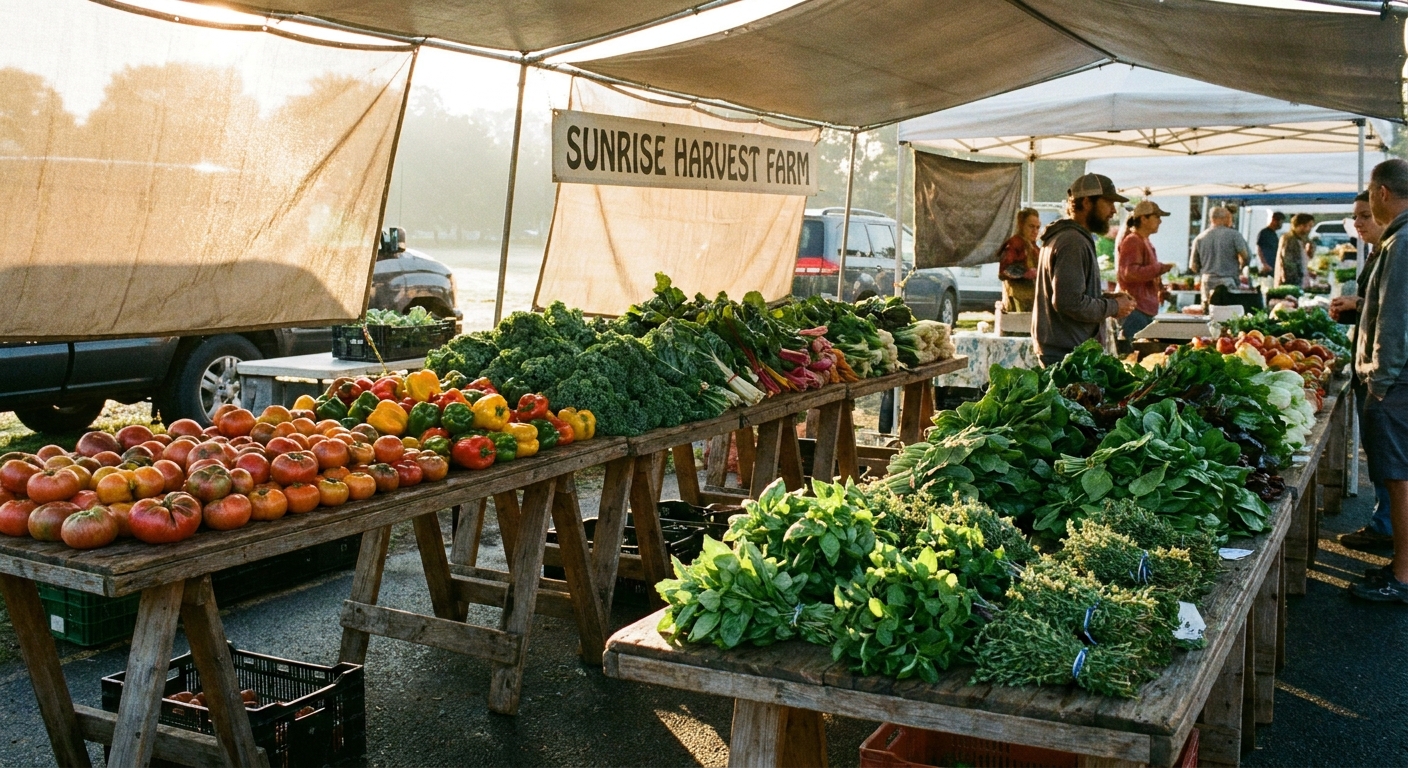
Freezing and nutrients
Freezing tends to preserve nutrients well when vegetables are frozen soon after harvest and kept consistently frozen. Quality can drop when food repeatedly thaws and refreezes, especially texture, and some vitamins can degrade faster once the temperature fluctuates.
Make your frozen veggies work harder
- Keep them frozen until cooking. Thawing on the counter can lead to sogginess and uneven cooking, and it can also be a food-safety issue.
- Cook hot and fast. High heat helps drive off moisture so veggies taste less “watery.”
- Do not overboil. If you boil, use minimal water and a short cook time.
- Keep the freezer consistent. Close the bag quickly, push out extra air, and put it back in the freezer right away. If a bag fully thaws, cook it rather than refreezing.
Vegetables worth buying fresh
These are the ones where texture and flavor are noticeably better fresh, especially if you will eat them raw or lightly cooked.
- Leafy greens for salads: romaine, spring mix, arugula (frozen greens are great in soups, not salads)
- Crisp snack veggies: cucumbers, bell peppers, sugar snap peas
- Tomatoes: for slicing, salads, sandwiches (frozen tomatoes are fine for sauce, not for fresh eating)
- Fresh herbs: basil, cilantro, parsley (frozen herb cubes can help, but fresh is special)
- Asparagus: fresh roasts beautifully; frozen can go soft
- In-season zucchini and summer squash: best texture when fresh and quickly cooked
Platepathy note: if you love a frozen version of any of these, you are not doing it “wrong.” You are feeding yourself. That counts.
Vegetables that are fantastic frozen
These tend to hold up well in the freezer and shine in stir-fries, soups, sheet-pan dinners, and casseroles.
- Broccoli and cauliflower florets: dependable for roasting, air frying, and pasta dishes
- Green beans: quick sauté, reliable texture
- Peas: a weeknight hero for fried rice, pasta, and kid-friendly sides
- Corn: easy sweetness for tacos, salads, soups
- Spinach (chopped): perfect for eggs, soups, curries, and lasagna
- Stir-fry blends: great when you need variety fast
- Mirepoix mixes (onion, celery, carrot): a shortcut for soups and sauces
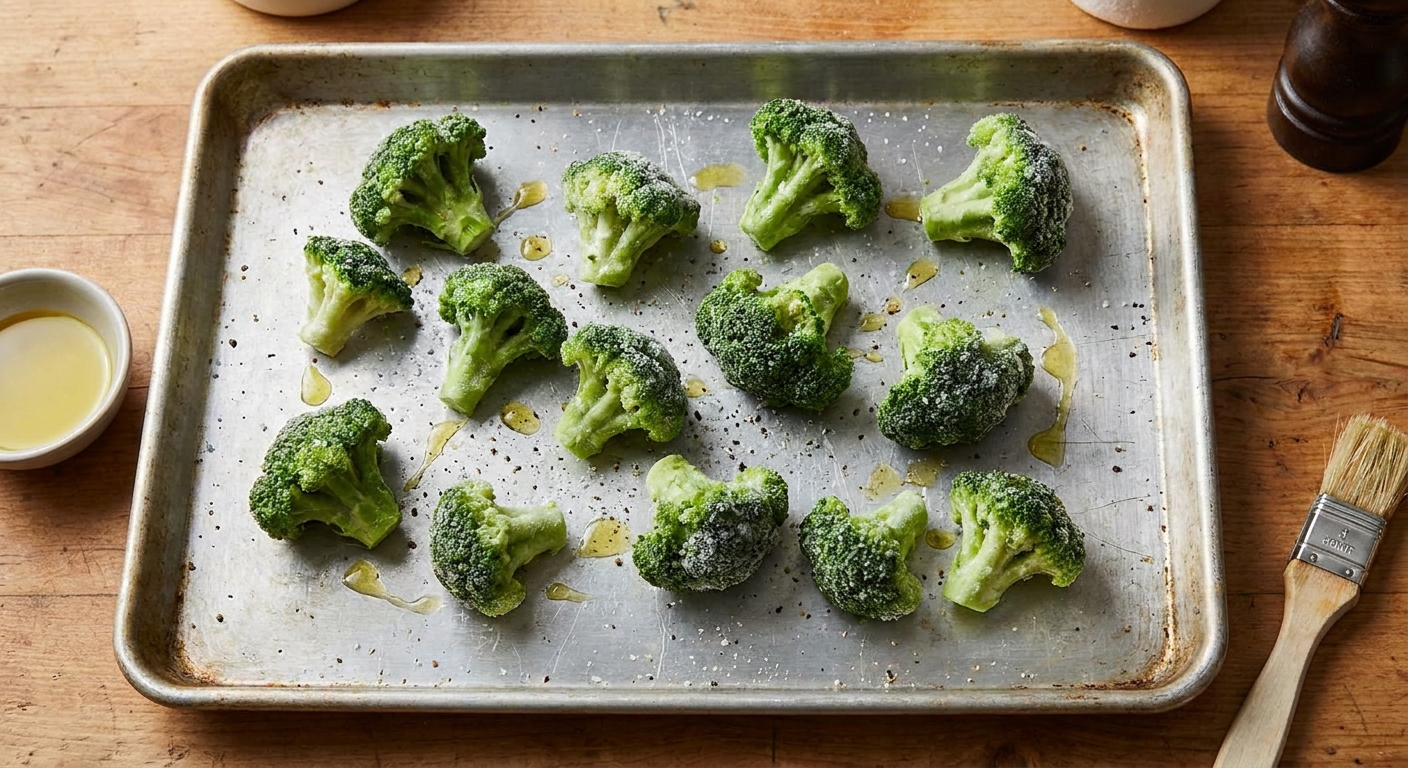
Frozen veggies that taste good
Frozen vegetables get a bad reputation because they are often cooked in a way that makes them mushy. The fix is usually heat and seasoning.
1) The high-heat sheet pan
Best for: broccoli, cauliflower, green beans, Brussels sprouts (if small), mixed blends (choose sturdier mixes).
- Heat oven to 425°F.
- Toss frozen veg with oil, salt, pepper.
- Spread in a single layer, do not crowd.
- Roast 20 to 25 minutes, flipping once, until edges brown and moisture has steamed off.
- Finish with lemon, Parmesan, chili flakes, or a drizzle of tahini.
2) The skillet steam-sauté
Best for: peas, green beans, corn, carrots, mixed veg.
- Add frozen veg to a hot skillet with a splash of water.
- Cover 2 to 4 minutes to steam.
- Uncover, let water cook off.
- Add butter or olive oil plus garlic, soy sauce, or a spice blend.
3) The microwave, upgraded
Microwaving is fine. Just do not stop at “plain and wet.”
- Microwave with a tablespoon or two of water, then drain well.
- Season assertively: salt, pepper, garlic powder.
- Add flavor: pesto, salsa verde, grated cheese, toasted sesame oil, or a squeeze of citrus.
4) The soup and sauce boost
Best for: spinach, peas, corn, cauliflower.
- Stir frozen spinach into tomato sauce, chili, curry, or soup in the last 5 to 10 minutes.
- Blend cooked cauliflower into soup for creaminess without needing cream.
- Add peas to mac and cheese, pasta primavera, or ramen for instant color and fiber.
Watch sauces and sodium
If you are buying frozen vegetables for weeknight flexibility, choose options that keep you in control.
- Look for “vegetables” as the only ingredient.
- Be cautious with seasoned blends and sauce packets. They can add a lot of sodium, sugar, or saturated fat fast.
- If you love the convenience of sauced veggies, balance it by keeping a few plain bags on hand too. Then you can season based on the meal.
“Flash frozen” explained
“Flash frozen” is marketing language for freezing food quickly (which helps limit ice crystals and preserve texture). The good news is that most commercially frozen vegetables are frozen fairly quickly anyway. If you like how one brand tastes, that is the best sign it works for your kitchen.
Fresh storage basics
If your goal is fewer Friday science experiments, a few small storage habits help.
- Use the crisper drawer for leafy greens and most vegetables.
- Keep herbs like flowers: trim the stems, stand them in a jar with a little water, loosely cover with a bag, refrigerate.
- Front-load the fragile stuff. Plan to use salad greens, berries, and herbs early in the week.
- Do a 3-minute midweek scan. One quick look on Wednesday can save a lot of food (and money).
Meal prep: match the day
This is how I plan when I want vegetables all week without the Friday crisper tragedy.
Early week (Days 1 to 3): go fresh
- Salad greens and salad toppings
- Any produce that is fragile or best crisp (cucumbers, snap peas)
- Recipes where the vegetable is the star (caprese salad, tomato toast, roasted asparagus)
Late week (Days 4 to 7): lean on frozen and sturdy fresh
- Frozen broccoli, green beans, peas, corn
- Long-lasting fresh: carrots, cabbage, onions, sweet potatoes, winter squash
- Flexible meals: stir-fry, sheet-pan dinners, soups, fried rice
My cart vs. freezer split
If you want a clear default shopping list, start here and tweak based on your favorite meals.
Put this in the cart (fresh)
- 1 to 2 salad greens (whatever you will actually eat)
- 2 “snackable” veggies (cucumbers, bell peppers, baby carrots)
- 1 in-season “fun” veg (farmers’ market pick or whatever looks amazing)
- Garlic, onions, and lemons (flavor builders that make vegetables taste like a choice)
- Fresh herbs if you have a plan for them in 3 to 4 days
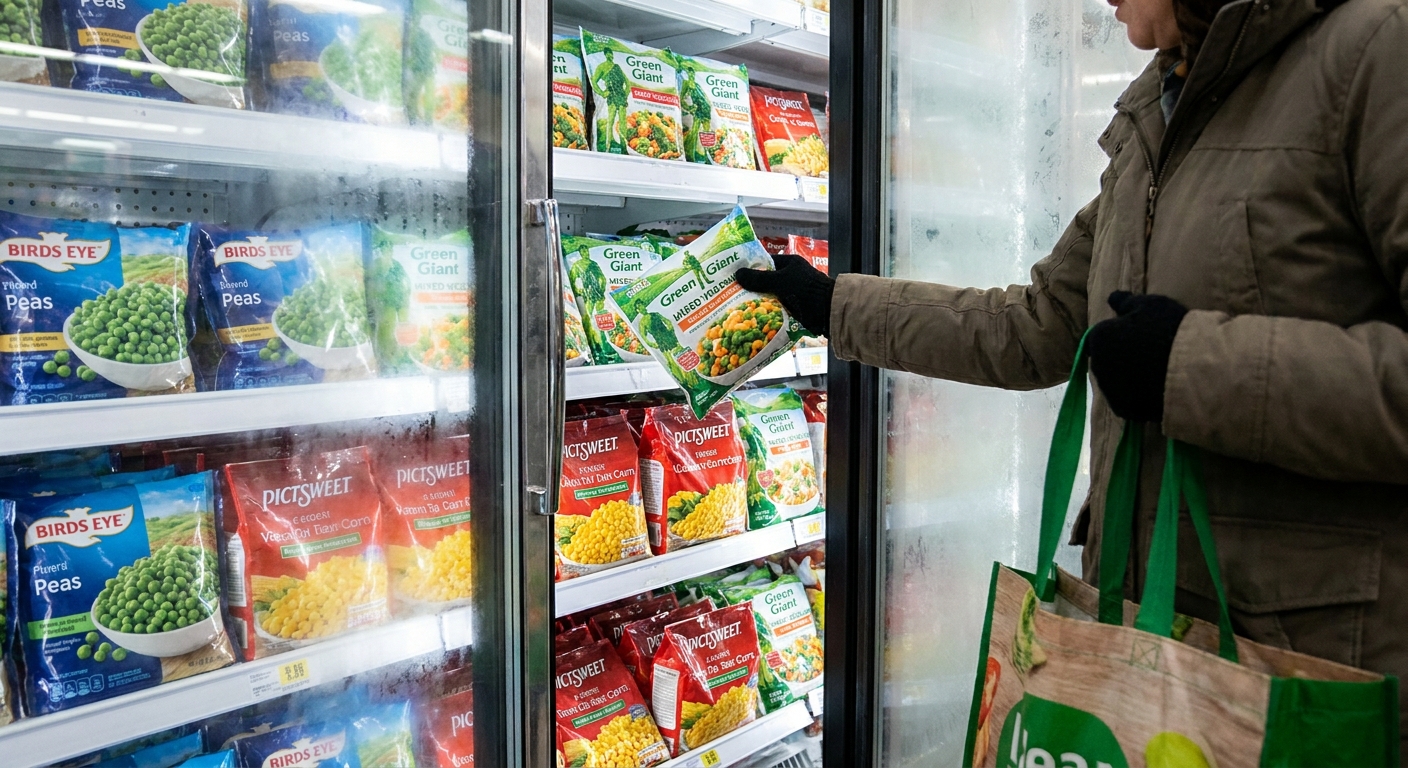
Put this in the freezer
- Broccoli florets
- Cauliflower florets or riced cauliflower
- Green beans
- Peas
- Spinach (chopped)
- Corn
- One mixed veggie blend you like for stir-fries or sheet-pan meals
If you do only one thing this week: keep broccoli + peas + spinach in your freezer. With those three, you can rescue pasta night, soup night, and “breakfast for dinner” without thinking too hard.
Quick FAQ
Are frozen vegetables already cooked?
Many commercially frozen vegetables are blanched (briefly cooked) before freezing, but they still need cooking to taste their best and to heat through.
Do I need to thaw frozen vegetables first?
Usually no. Cooking from frozen helps them stay firmer. The exception is when you want to squeeze out water, like frozen spinach.
Why do my frozen vegetables turn soggy?
Overcrowding and low heat. Give them space, use higher heat, and let moisture evaporate before you add sauces.
What about canned vegetables?
Canned can be useful, especially beans, tomatoes, and corn. For everyday “green veg” texture, frozen usually tastes closer to fresh.
Bottom line
Fresh vegetables can feel inspiring. Frozen vegetables can feel like a safety net. In real weekly meal prep, you want both.
Build your week around a few fresh favorites you will use early, then let your freezer carry you through the busy nights. That is plate empathy in action: feeding yourself well without demanding perfection.