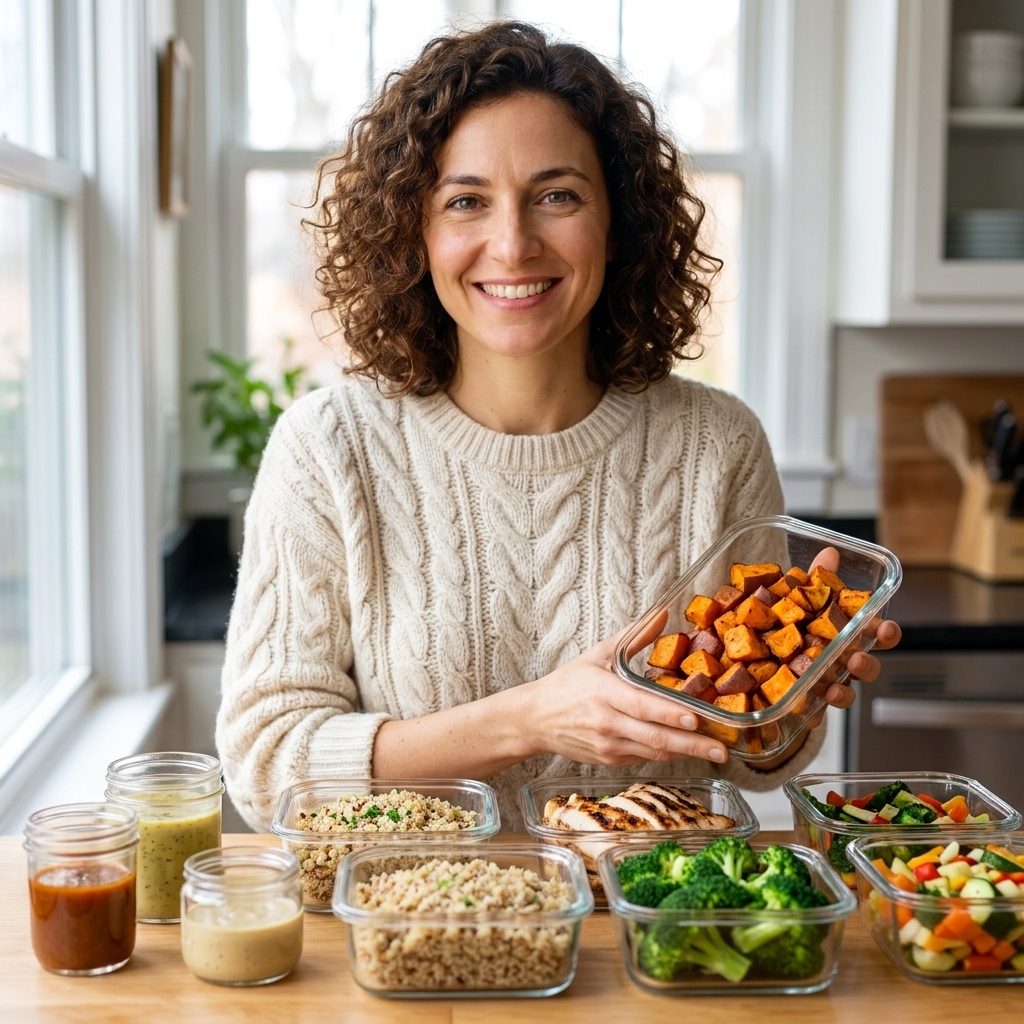
A step-by-step, no-perfection-needed guide to planning, shopping, prepping, and storing healthy meals for the week, even if you only have 60 to 90 minutes.
Platepathy
7 Easy Ways to Add More Vitamins and Minerals to Everyday Meals
Boost micronutrients without complicating dinner. These 7 practical, flavor-friendly tips help you add more essential vitamins and minerals to your usual meal prep.

Elena Rossi
Elena Rossi is a Registered Dietitian and meal prep expert who believes that healthy eating shouldn't feel like a second job. Through Platepathy, she translates complex nutrition science into approachable, delicious meal plans designed for real, busy lives.
Published October 18, 2026
Last updated October 18, 2026
I used to treat “healthy eating” like it was another project plan with too many moving parts. I would buy the most ambitious groceries, cook exactly once, and then end up back in the takeout cycle by Thursday.
These days, my Platepathy approach is simpler: keep your go-to meals, then gently upgrade them with small, repeatable micronutrient boosts. Vitamins and minerals matter for energy, immunity, bone health, and overall well-being, but you do not need a perfect diet to get there. You need a few smart defaults that stack up over the week.
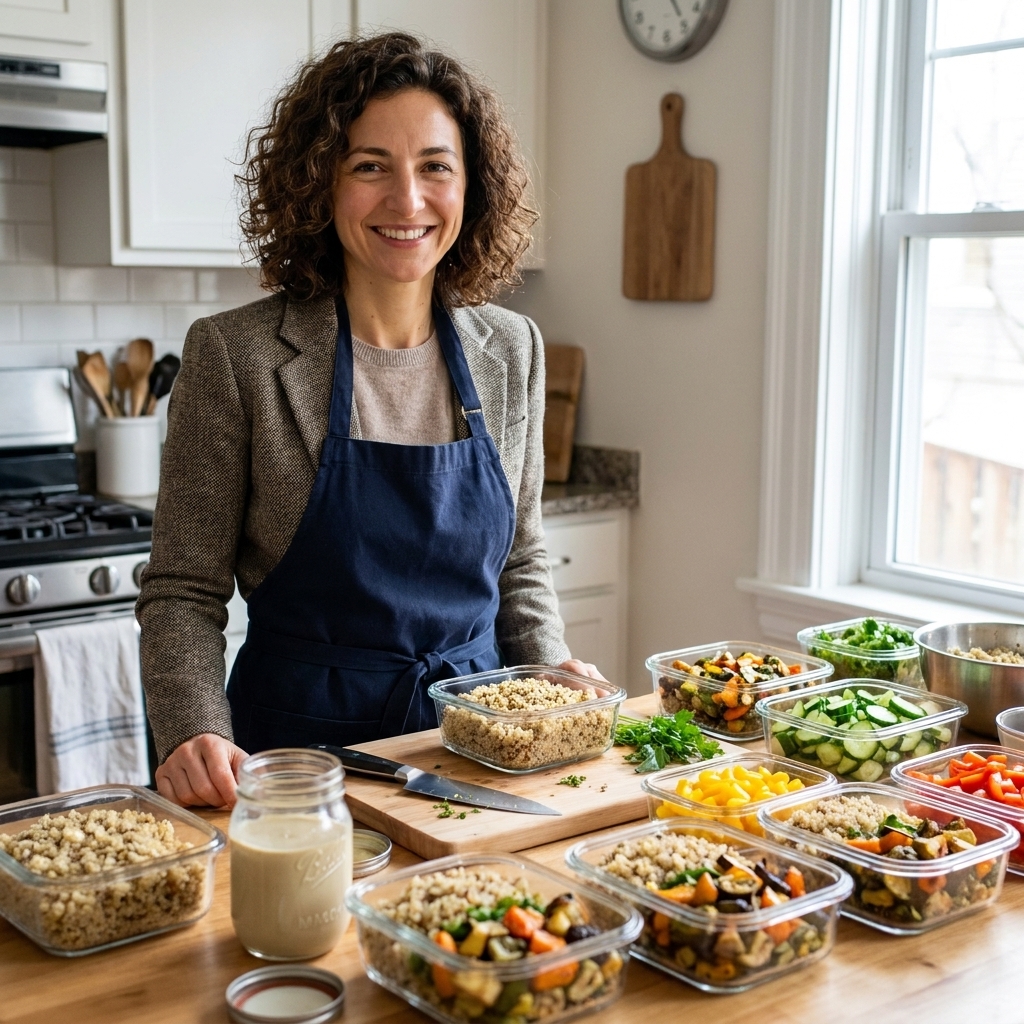
Here are seven of my favorite ways to sneak more essential vitamins and minerals into everyday meals, without sacrificing flavor or adding an extra hour to your Sunday prep.
1) Use a two-color veggie rule
If you do only one thing from this list, make it this: add two different colors of vegetables to lunch and dinner most days. Different colors often signal different micronutrients and plant compounds.
Easy ways to do it
- Tacos: sautéed peppers and onions + shredded cabbage
- Pasta: spinach folded into the sauce + roasted cherry tomatoes
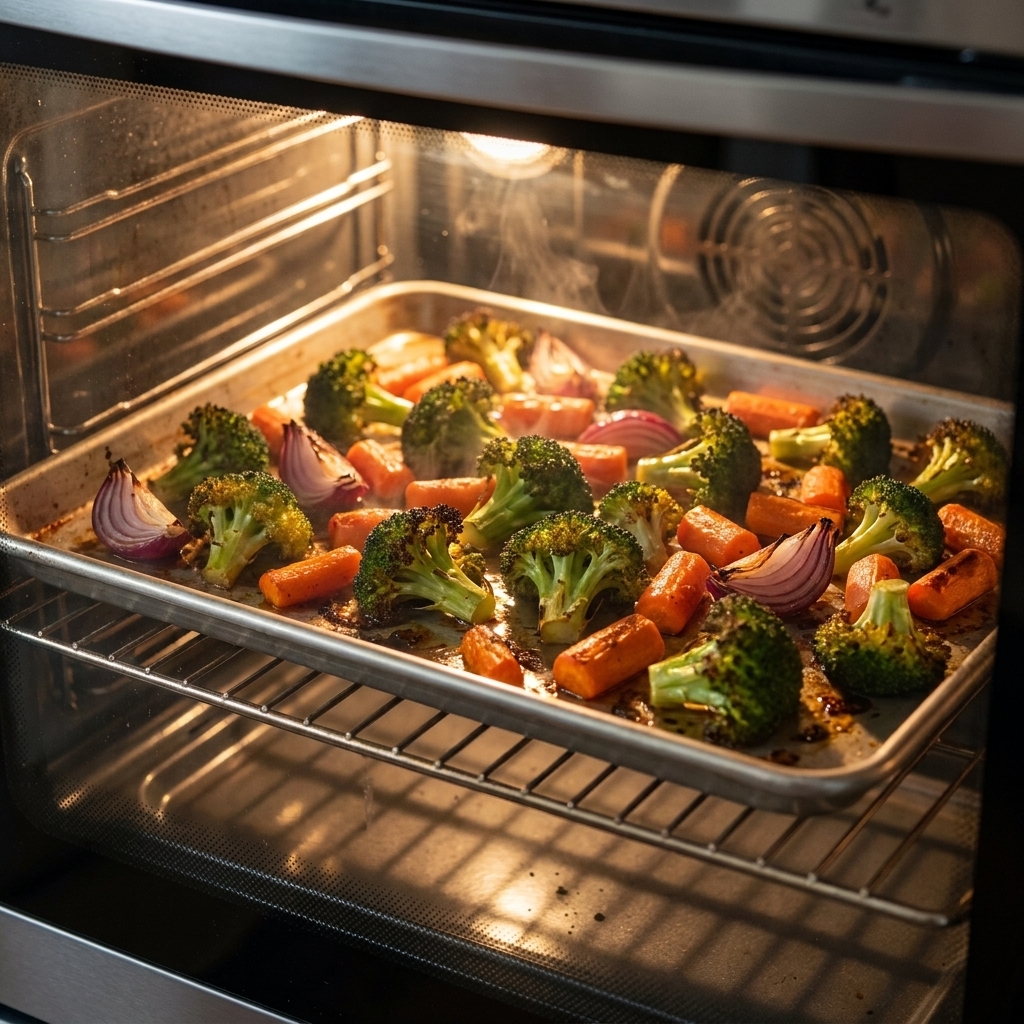
- Rice bowls: roasted broccoli + carrots (or edamame + cucumber)
- Eggs: mushrooms + baby spinach
Nutrient highlights: vitamin A (orange and dark greens), vitamin C (peppers, broccoli), folate (greens), potassium (many veggies).
My time-saving move: keep one “no-chop” veggie (baby spinach, shredded slaw, frozen broccoli) and one “roast tray” veggie (carrots, zucchini, cauliflower) in rotation.
2) Lean on frozen produce
Frozen fruits and vegetables are often picked ripe and frozen quickly, which means they can be nutrient-rich and often comparable to fresh. It is not identical in every case, and a few nutrients can shift with blanching or long storage, but frozen is still one of the most reliable shortcuts for getting plants on the plate when life is busy.
Smart swaps that keep flavor high
- Frozen spinach stirred into chili, marinara, curry, or lentil soup (squeeze out excess water first)
- Frozen broccoli or cauliflower roasted at high heat for crisp edges
- Frozen berries mixed into overnight oats or blended into a yogurt bowl
- Frozen edamame tossed into rice bowls or pasta salad
Nutrient highlights: folate and magnesium (spinach, edamame), vitamin C (berries, broccoli), some non-heme iron (spinach, best paired with vitamin C), potassium (many produce options).
Platepathy note: “Fresh” is not a moral category. Use what makes consistency easier.
3) Upgrade your base carbs
Carbs are not the enemy. They are a foundation. If you pick a more nutrient-dense base sometimes, you quietly boost minerals without changing the meal.
Try these swaps (even 2 to 3 times per week helps)
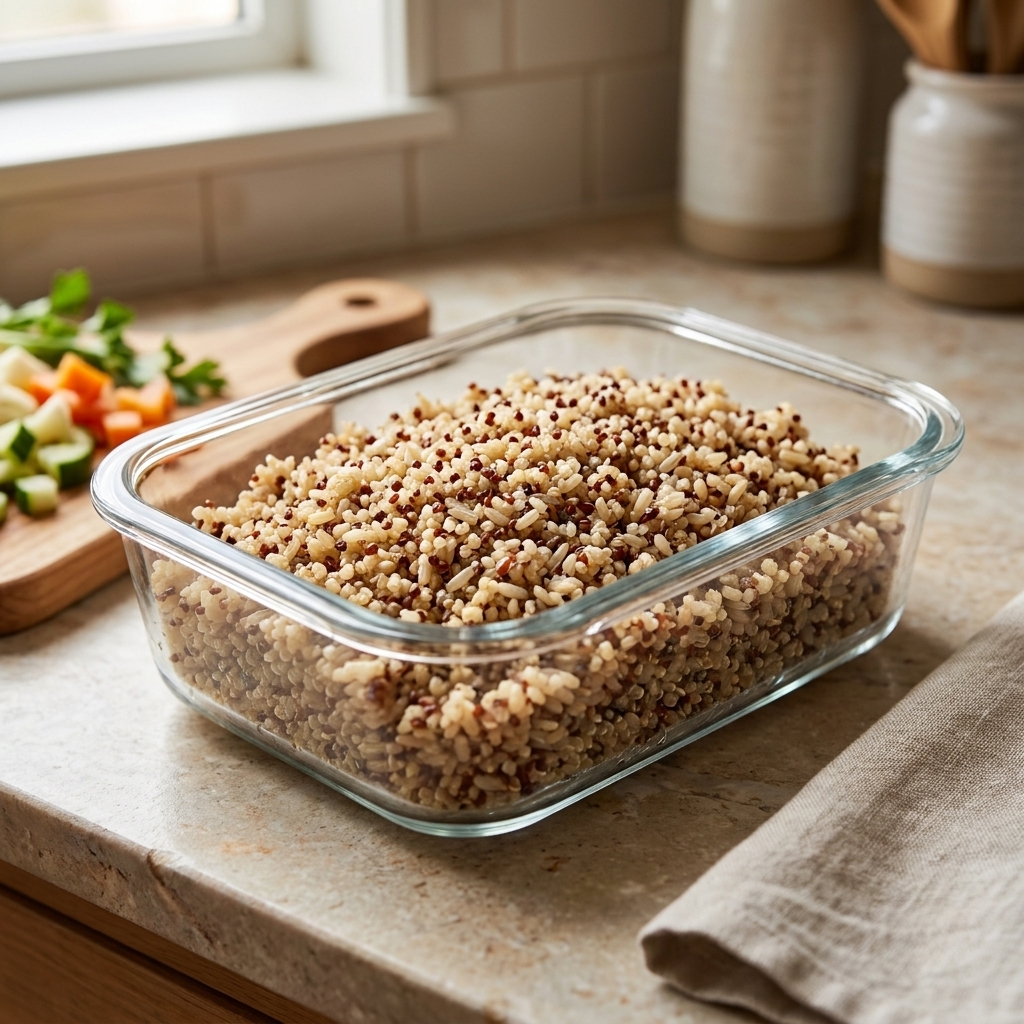
- White rice → brown rice or a brown rice and quinoa blend
- Regular pasta → whole wheat pasta (or do half and half)
- White potatoes only → mix in sweet potatoes sometimes
- Low-fiber cereal → oats or a higher-fiber cereal you actually enjoy
Nutrient highlights: magnesium, zinc, iron, and B vitamins are often higher in whole grains, plus you get more fiber. (Many refined grains are enriched, so they can still contribute some B vitamins and iron, but whole grains tend to bring more minerals and overall “staying power.”) Sweet potatoes add potassium and beta carotene (vitamin A activity).
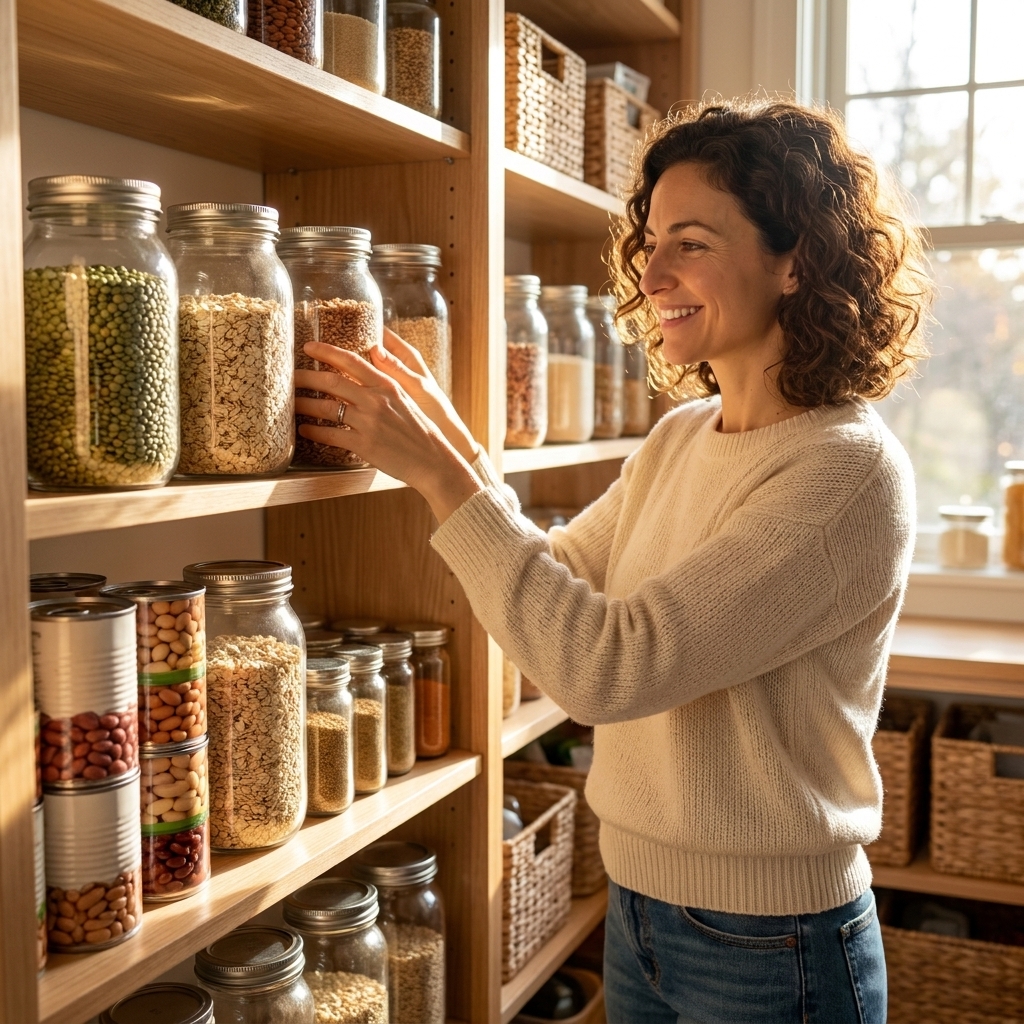
Meal prep hack: cook a pot of a whole grain base once, then freeze in flat bags or portioned containers so it reheats fast.
4) Try a seed and nut sprinkle
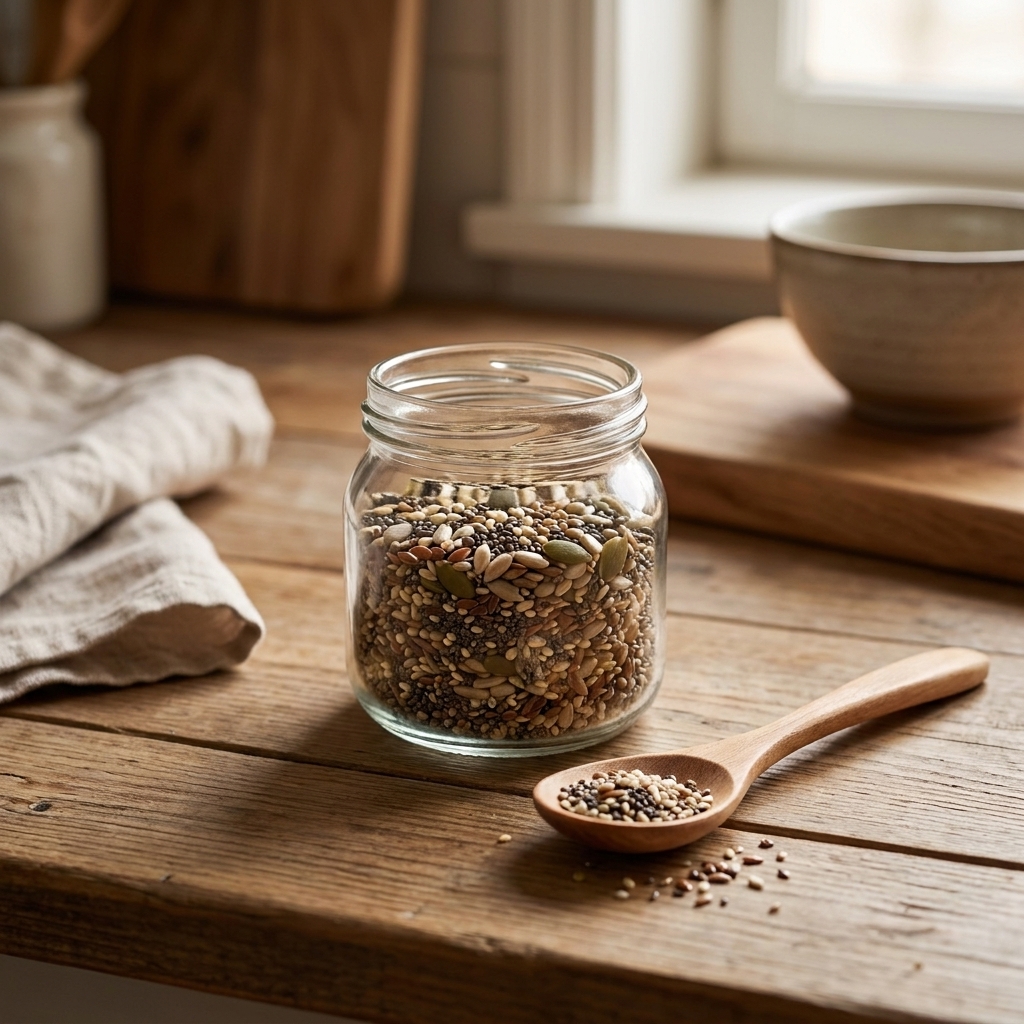
I love a sprinkle because it is low effort, high payoff. Seeds and nuts add minerals, healthy fats, and crunch, which makes meals feel more satisfying.
Keep one or two of these on standby
- Pumpkin seeds: great on salads, soups, oatmeal, roasted vegetables
- Chia or ground flax: stir into yogurt, oatmeal, smoothies, pancake batter
- Sesame seeds or tahini: whisk into dressings or drizzle on bowls
- Almonds or walnuts: top oats, add to pasta salad, crush onto roasted veggies
Nutrient highlights: magnesium and zinc (pumpkin seeds), calcium and omega-3 fats (chia), vitamin E (almonds), selenium (Brazil nuts, if you like them).
Brazil nut safety note: selenium adds up fast. If you do Brazil nuts, think 1 nut occasionally, not a daily handful.
Batch tip: pre-mix a “daily sprinkle” jar: 2 parts pumpkin seeds, 1 part chia, 1 part ground flax, 1 part sesame. Keep it next to your salt so you remember it.
5) Add mineral boosters to sauces
Sauces are where I hide nutrition like it is my job, because they spread micronutrients across multiple servings with almost no extra work.
Easy booster ideas
- Tahini lemon sauce: tahini + lemon juice + garlic + water + salt (calcium, magnesium)
- Blended white bean dressing: cannellini beans + olive oil + vinegar + herbs (iron, folate, potassium)
- Pesto with greens: basil plus a handful of spinach (vitamin K, folate)
- Tomato sauce with grated carrots: sweetness plus extra beta carotene (vitamin A activity)
- Greek yogurt dip: add chopped herbs and a pinch of iodized salt (protein plus iodine support if iodized salt is used)
Nutrient highlights: calcium, magnesium, potassium, folate, iron, vitamin K, plus more variety overall.
Batch example: make the tahini lemon sauce once, then use it all week on grain bowls, wraps, roasted vegetables, and salad.
Flavor win: these boosters usually make food taste better, not “healthier.” That is the goal.
6) Add small fish once a week
If seafood is part of your preferences and budget, small fish can help cover a lot of micronutrient ground. Canned options are quick, affordable, and meal-prep friendly.
Simple ways to use them
- Salmon: canned salmon mixed with Greek yogurt, mustard, dill, and lemon for a fast sandwich or wrap filling
- Sardines: mashed onto toast with lemon and pepper, or tossed into pasta with garlic and olive oil
- Anchovies: melted into marinara or sautéed with garlic for a savory backbone (they disappear into the sauce)
Nutrient highlights: B12 and omega-3 fats, plus vitamin D and iodine can vary by product and species. You also get calcium if you eat canned fish with bones (common in sardines and some salmon).
Gentle note: if fish is a hard no, you can still support these nutrients with fortified foods (like some milks or yogurts), eggs, dairy, and a well-rounded diet. There is more than one “right” way.

7) Use smart pairings
Sometimes it is not just what you eat. It is what you eat it with. A couple of simple pairings can help certain vitamins and minerals be absorbed more effectively.
My favorite absorption-friendly combos
- Iron + vitamin C: beans or lentils with salsa, citrus, bell peppers, or broccoli (helpful for non-heme iron in plant foods)
- Fat + fat-soluble vitamins: leafy greens with olive oil, avocado, nuts, or tahini (helps with vitamins A, D, E, K)
- Calcium across the day: if you rely on dairy or fortified alternatives, it is often easier to absorb and tolerate when you spread it across meals instead of trying to “catch up” all at once
Nutrient highlights: better iron absorption from plant foods, better uptake of fat-soluble vitamins from colorful produce.
Platepathy mindset: Think “support,” not perfection. If your salad has no dressing today, it is still a salad. Tomorrow you add the olive oil and keep going.
Quick meal prep checklist
If you want a fast way to apply all this without overthinking it, use this mini checklist when you plan your week:
- Did I include two veggie colors for most lunches and dinners?
- Do I have one frozen produce option ready for busy nights?
- Did I pick one whole grain base for the week?
- Do I have a sprinkle (seeds or nuts) available?
- Did I choose a sauce or spread that adds nutrients?
- Is there one seafood or fortified food choice that can support vitamin D and iodine?
- Did I plan at least one iron + vitamin C pairing?
Food safety note: cool cooked grains promptly, refrigerate meal prep components, and use within 3 to 4 days, or freeze extras for later.
Micronutrients to watch
Needs vary, but a few nutrients tend to come up often: vitamin D (especially in winter or with little sun exposure), iron (common for menstruating people), B12 (a key one if you eat fully vegan), and iodine (if you rarely eat seafood, dairy, or iodized salt). If you suspect a gap, labs and personalized advice from a clinician or dietitian beat guessing.
FAQ
Do I need to track vitamins and minerals?
No. For most people, consistently eating a variety of nutrient-dense foods does more good than obsessively tracking. If you have a diagnosed deficiency, are pregnant, have dietary restrictions, or have medical conditions that affect absorption, it is worth discussing labs and supplementation with your clinician and a dietitian.
What if my family does not like vegetables?
Start with the least disruptive options: blended soups, finely chopped veggies in sauces, frozen spinach stirred into chili, or crunchy toppings like shredded cabbage in tacos. Also, keep one veggie preparation purely for enjoyment, like roasted carrots with a little honey and salt. Pleasure helps consistency.
Is iodized salt important?
Iodine supports thyroid health. Many people get iodine from dairy, seafood, and iodized salt. If you mostly use non-iodized specialty salts and rarely eat iodine-rich foods, iodized salt can be a simple addition. If you have thyroid disease, ask your healthcare team what is appropriate for you.
Your next step
Pick one strategy to try this week. My suggestion: the two-color veggie rule plus a seed sprinkle jar. It is fast, it is flexible, and it makes your regular meals quietly more nourishing without turning your kitchen into a part-time job.
If you want, tell me what your most common weeknight dinner is, and I will suggest two micronutrient upgrades that keep the same flavor vibe.