A step-by-step, no-perfection-needed guide to planning, shopping, prepping, and storing healthy meals for the week, even if you only have 60 to 90 minutes.
Platepathy
10 Time-Saving Meal Prep Hacks for Busy Professionals
Cut your weekend meal prep time in half with 10 practical hacks, from smart grocery shortcuts to mix-and-match components that turn into fast, balanced meals all week.

Elena Rossi
Elena Rossi is a Registered Dietitian and meal prep expert who believes that healthy eating shouldn't feel like a second job. Through Platepathy, she translates complex nutrition science into approachable, delicious meal plans designed for real, busy lives.
Published October 18, 2026
Last updated October 18, 2026
When I was a project manager in my twenties, I treated meal prep like a complicated project plan. It looked impressive on Sunday and collapsed by Wednesday. These days, as a dietitian and a working mom, I keep prep ruthlessly simple. The goal is not perfect meals. The goal is getting dinner on the table without turning your entire weekend into a second job.
Here are my go-to meal prep hacks that reliably cut prep time, while still setting you up for balanced, satisfying meals all week.
1) Prep components, not full meals
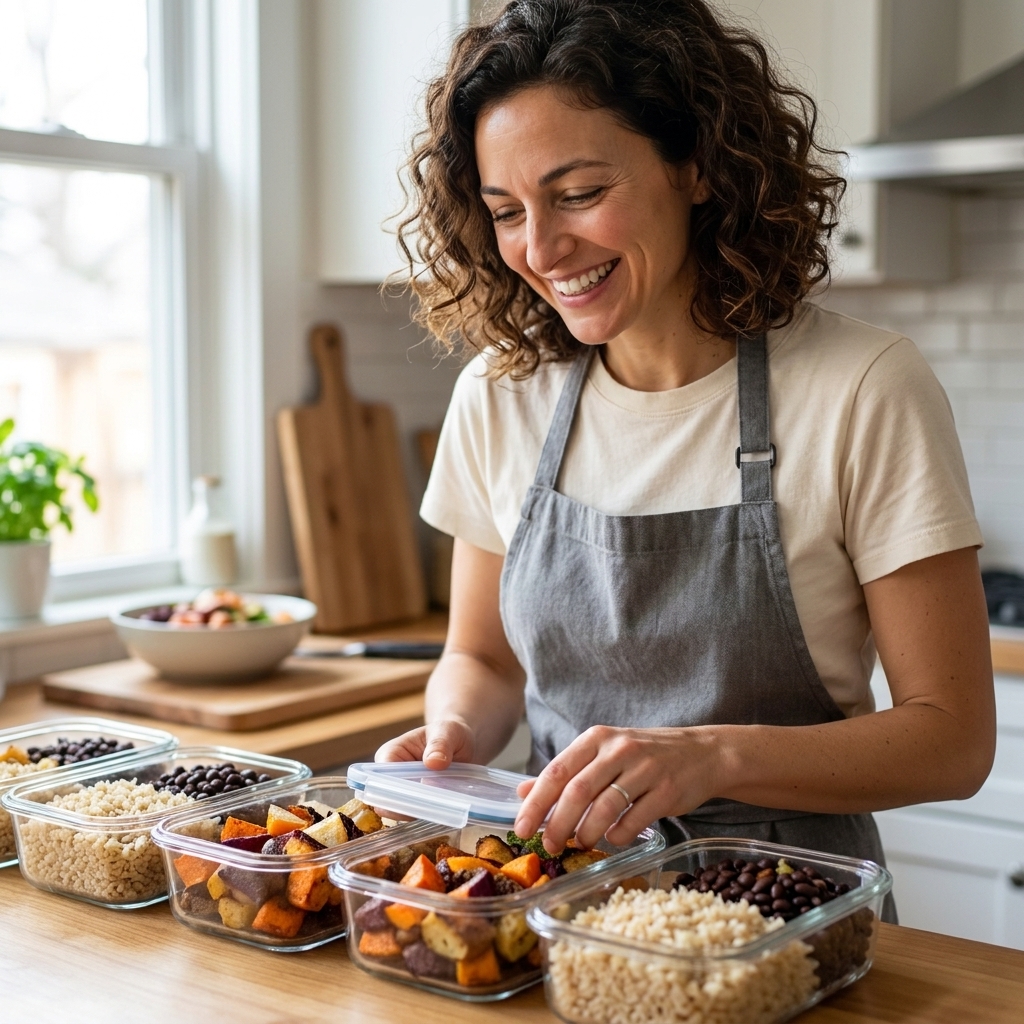
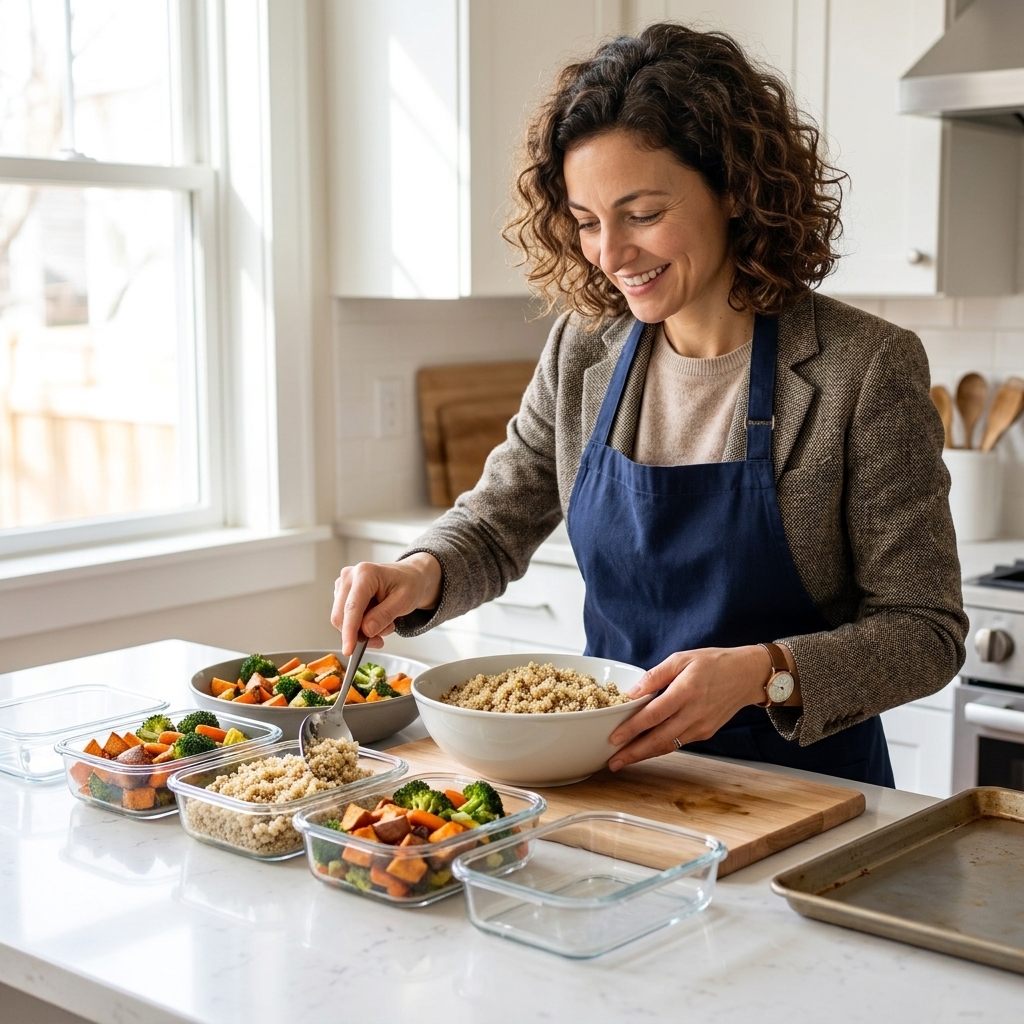
If you only take one idea from this list, make it this: build flexible building blocks instead of seven separate entrees. Components mix and match faster, taste fresher by midweek, and give you options when your schedule changes.
- Pick 1 to 2 proteins: shredded chicken, baked tofu, salmon, turkey meatballs, lentils
- Pick 2 veggies: one roasted, one crunchy (like cucumbers, carrots, snap peas)
- Pick 1 to 2 carbs: rice, quinoa, potatoes, tortillas, pasta
- Pick 1 flavor path: salsa and lime, pesto, tzatziki, tahini-lemon, peanut sauce
Now you can spin that into bowls, salads, wraps, and quick stir-fries in minutes.
Two quick combos I lean on:
- Quinoa + roasted broccoli + tofu + tahini-lemon
- Tortillas + shredded chicken + bagged slaw + salsa verde
2) Choose one anchor recipe
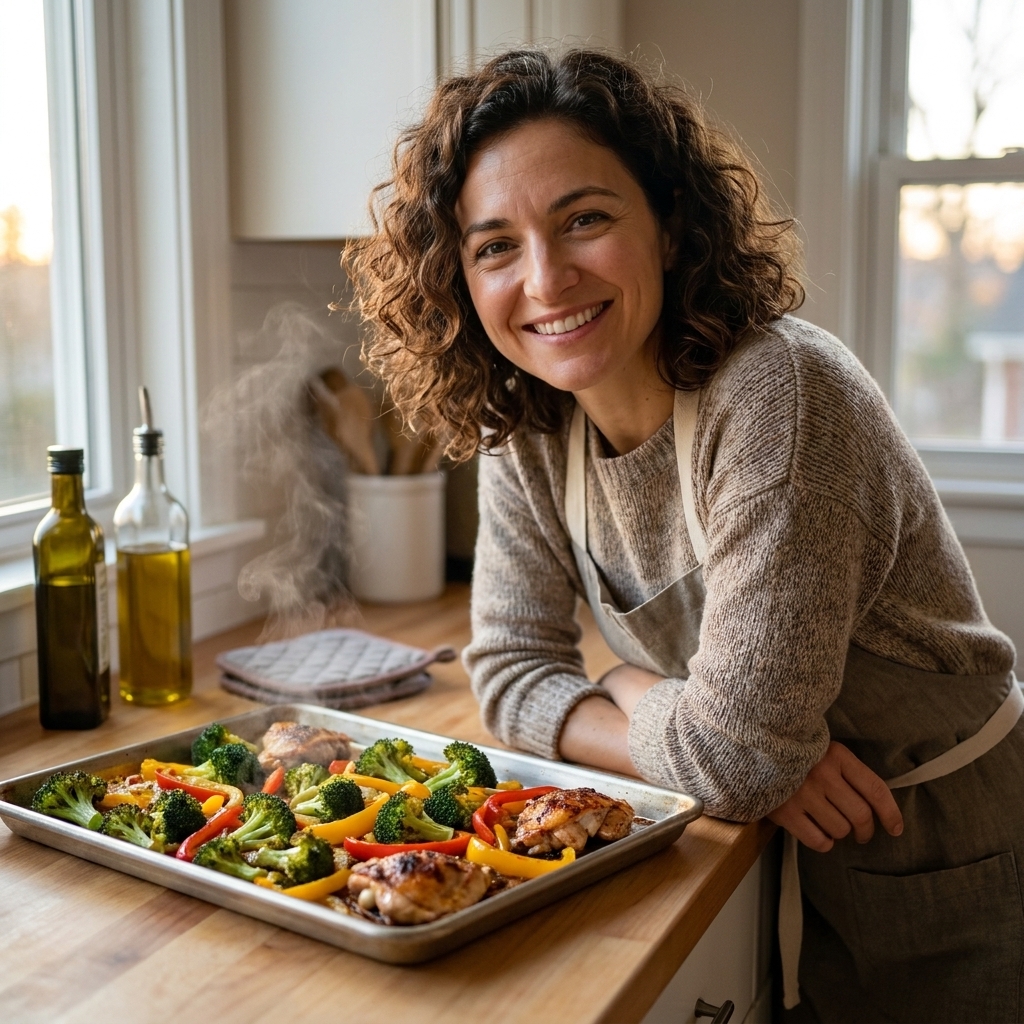
An anchor recipe is your one bigger cooking task that creates multiple meals. Think: sheet pan chicken and veggies, a big pot of chili, or a tray of roasted salmon.
Example: Roast chicken thighs on Sunday.
- Monday: chicken + microwave rice + bagged salad
- Tuesday: chicken tacos with slaw
- Wednesday: chicken tossed into a veggie stir-fry
No meat? Same idea. Make a sheet pan of tofu or tempeh, a pot of lentils, or a batch of bean chili. For extra speed, canned fish (salmon, tuna, sardines) can be your “anchor” with zero cooking.
This keeps your prep focused and prevents the dreaded “why did I make three casseroles” fatigue.
3) Use the two appliance rule
To cut chaos and cleanup, limit yourself to two heat sources for prep, usually:
- Sheet pan (oven) for veggies and proteins
- Rice cooker or Instant Pot for grains, beans, or a one-pot meal
While those cook, you handle no-cook tasks like washing greens, portioning snacks, or mixing a sauce. Less bouncing around means less time (and fewer dishes).
4) Shop with shortcuts
There is no nutrition prize for washing and chopping every carrot yourself. Convenience foods can be nutrient-dense and budget-friendly when used strategically.
- Pre-washed greens
- Frozen chopped vegetables (stir-fry blends, fajita mixes)
- Rotisserie chicken (pair with microwaveable grains and a veggie)
- Canned beans and lentils
- Bagged slaw mixes (instant crunch for bowls and tacos)
My Platepathy rule (my name for practical food empathy): if a shortcut helps you actually eat the veggies you bought, it is a win.
5) Batch cook two carb options
Carbs are not the enemy. They are often what makes a meal feel satisfying and can help with steadier energy when they are paired with protein, fiber, and fat.
To keep things interesting, prep two types:
- Quick-cooking carbs: rice, pasta, tortillas, couscous, potatoes
- Higher-fiber carbs: quinoa, farro, lentils, beans, sweet potatoes
Then you can choose based on what you need that day. Want comfort and speed? Go for pasta or rice. Want a lunch that tends to keep you full longer? Choose lentils, beans, or a whole grain.
6) Make 2 sauces, get variety
Sauces are the difference between “meal prep” and “food I actually want to eat.” They also prevent flavor boredom without requiring new recipes.
Pick two from different flavor families:
- Creamy: Greek yogurt ranch, tahini-lemon, chipotle yogurt
- Bright: salsa verde, chimichurri, lemon vinaigrette
- Savory: peanut sauce, miso-ginger, pesto
Why it works: One protein + one veg + one carb can taste completely different with a new sauce. It can feel like you made 10 meals, even if you did not.
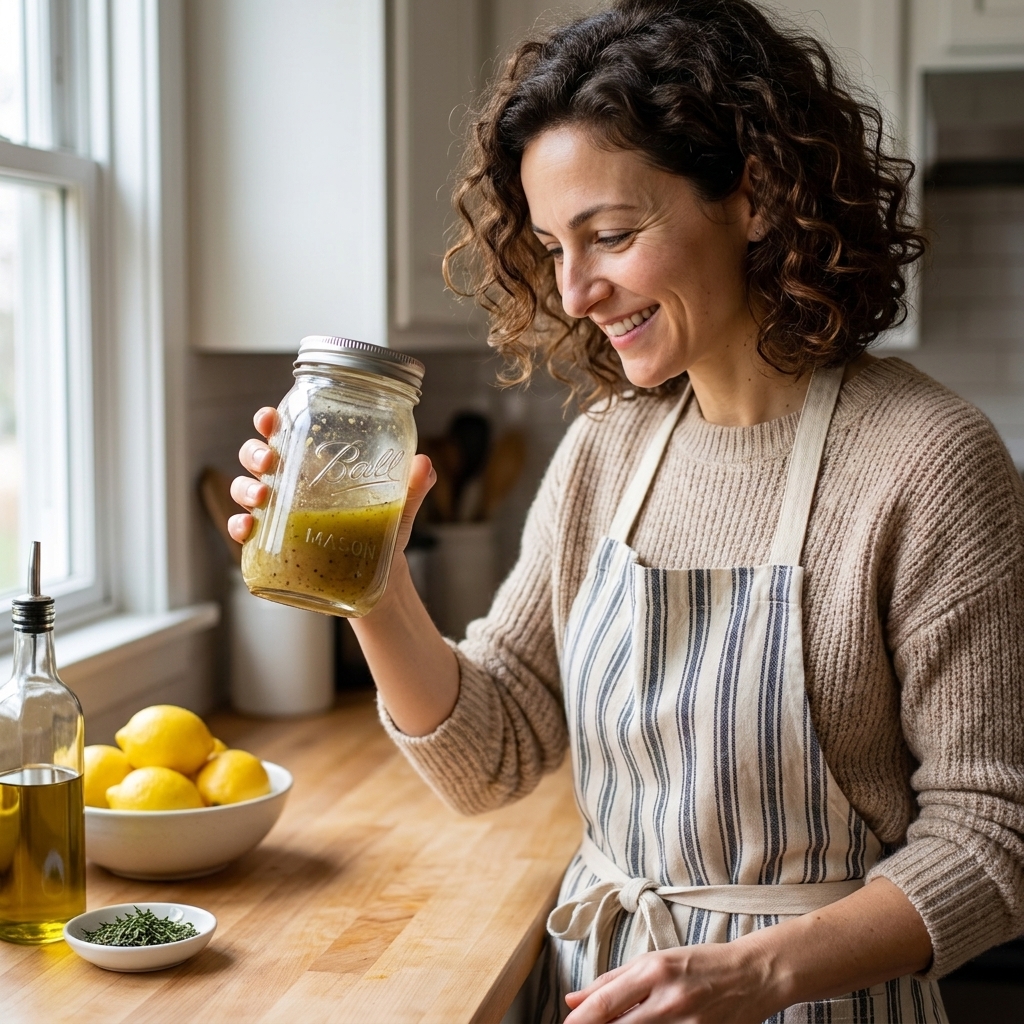
Time-saving tip: Use a jar with a lid. Add ingredients, shake, done. No blender cleanup.
7) Do a 15-minute produce reset
This is the unglamorous habit that makes weekday cooking dramatically faster. Right after groceries come home:
- Wash and spin greens, then store with a paper towel
- Rinse berries, then dry well and refrigerate
- Slice cucumber and peppers for grab-and-go crunch
- Steam or microwave a bag of broccoli if you love a fast add-in
It takes 15 minutes once, and it saves you from doing it five times when you are tired and hungry.
8) Pack mix-and-match lunches
Identical lunches feel efficient, but they often backfire when you are not in the mood for that exact meal on day three.
Instead, pack like a grown-up lunchable:
- Protein (chicken, tofu, tuna, eggs, beans)
- Carb (grain, pita, crackers, fruit)
- Color (raw veg, roasted veg, salad)
- Fat and flavor (hummus, olives, nuts, dressing)
Storage tip: Keep wet stuff separate. Dress salads right before eating, and store sauces in their own small containers so everything stays crisp.
This reduces decision fatigue at lunchtime, while still giving you variety.
9) Cook once, freeze twice
Freezer meals are your future self’s best friend, especially on weeks when work blows up or someone gets sick.
When you cook something freezer-friendly, automatically freeze 2 portions:
- Chili, soups, and stews
- Cooked shredded chicken or pulled pork
- Turkey meatballs
- Cooked grains (cool completely first, then freeze flat in bags)
Label with masking tape: name + date. Your freezer should not be a mystery novel.
10) Plan for cleanup
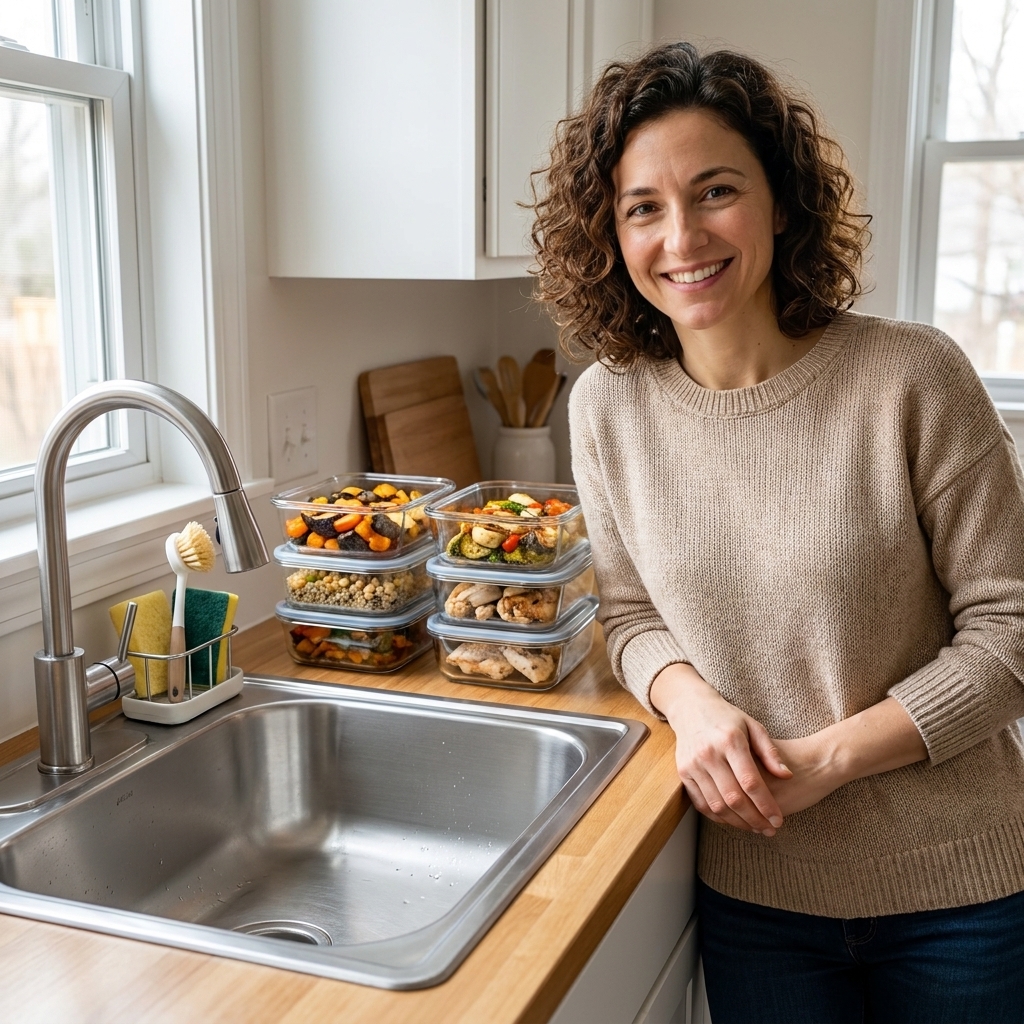
This sounds boring, but it is the biggest reason people dread meal prep. If cleanup feels endless, you will avoid cooking next weekend.
- Line sheet pans with parchment or foil
- Use one cutting board for produce first, then proteins (or separate boards)
- Soak the “worst dish” immediately (usually the blender or roasting rack)
- Run the dishwasher once mid-prep if you have it
My rule: if the kitchen is reset before you sit down, Monday you will feel the difference.
A simple 60-minute prep plan
If you want a realistic starting point, here is a streamlined prep flow that works for many busy professionals:
- Minute 0 to 10: Preheat oven (often 425°F, or whatever your sheet-pan recipe calls for). Start rice cooker or Instant Pot. Set out containers.
- Minute 10 to 25: Chop veggies. Season protein. Load sheet pan.
- Minute 25 to 45: While the oven works, make 1 to 2 sauces and do a quick produce reset (greens, berries).
- Minute 45 to 60: Portion components, cool slightly, refrigerate. Quick cleanup.
Notice what is missing: five different recipes. That is intentional.
Food safety and storage basics
- Cool fast: Get hot food into shallow containers so it cools quickly, then refrigerate promptly.
- Rice matters: Cooked rice is a common culprit for foodborne illness when it sits out. Cool it quickly, refrigerate, and reheat until steaming hot.
- Use the 3 to 4 day rule as a guideline: Many cooked proteins, grains, and roasted veggies keep well for about 3 to 4 days when stored properly, but some foods (especially seafood) are best used sooner.
- Reheat well: Heat leftovers until they are steaming hot, and stir halfway through if you are microwaving.
- Fridge check: A colder fridge keeps food safer. If yours runs warm, plan a midweek cook or freeze extra portions.
FAQ
How long should meal prep last in the fridge?
For many meals, 3 to 4 days is a solid target if food is cooled quickly and stored in sealed containers. If you are prepping for a full week, plan for a midweek freezer option or use no-cook meals later in the week (like salads with canned fish, or breakfast-for-dinner). For seafood, I usually plan to eat it earlier for best quality.
How do I keep meal prep from getting boring?
Change the flavor, not the whole meal. Keep the same base components and rotate sauces, toppings, and formats (bowl one day, wrap the next). A different sauce can make the same chicken feel like a completely different dinner.
What if I have zero motivation on Sundays?
Aim for the smallest prep that makes the biggest impact: wash greens, cook one protein, and make one sauce. Even that tiny trio can carry you through several fast meals.
Platepathy reminder: Meal prep is not a test of willpower. It is a support system you build for your real life. Choose the shortcuts that make it sustainable, and let “good enough” be the goal.