12 fiber-rich breakfast ideas that are actually doable on busy mornings. Think oats, yogurt bowls, eggs, smoothies, and make-ahead options designed for fulln...
Platepathy
Steel-Cut vs. Rolled vs. Instant Oats for Meal Prep
Steel-cut, rolled, or instant oats: which is best for meal prep? Compare cook time, fridge texture, satiety, cost, plus tips for overnight oats and batch cooking.

Elena Rossi
Elena Rossi writes Platepathy's meal planning guides, translating nutrition research into approachable, delicious meal plans for real, busy lives.
Published November 18, 2026
In my twenties, I was the kind of project manager who thought breakfast was “whatever I can eat while opening my laptop.” That usually meant a muffin, a sugary coffee, or nothing. Fast forward to dietetics school and then motherhood, and I learned two things the hard way: oats are one of the most forgiving, nourishing breakfasts on the planet, and the type of oat you buy can make or break whether meal prep actually works for your week.
If you have ever made a gorgeous pot of oatmeal on Sunday that turned into a gluey brick by Wednesday, this one is for you.
The three oat types
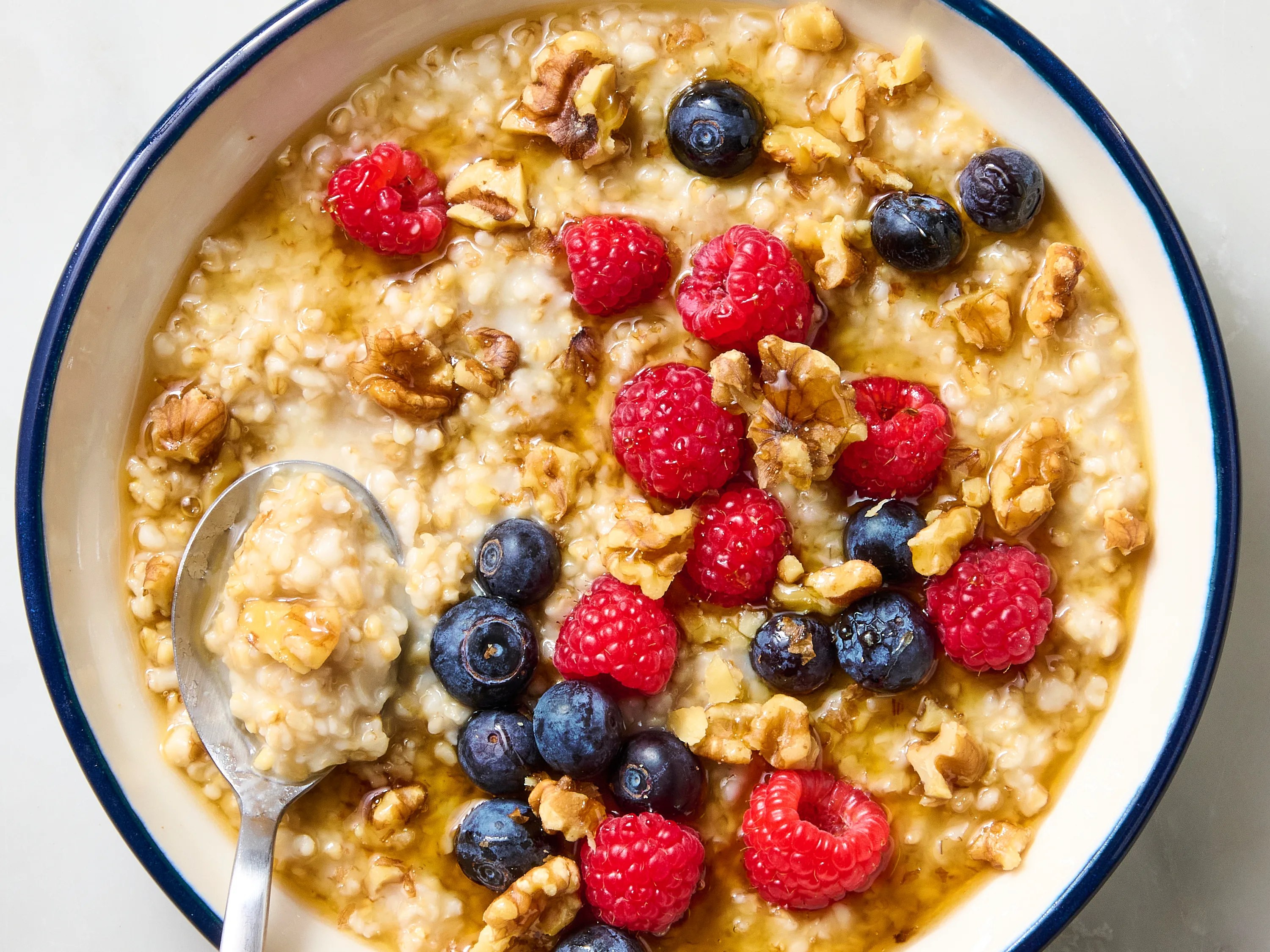
All oats start as the same whole grain (oat groats). The difference is how much they are cut, steamed or heat-treated for shelf stability, and flattened. More mechanical processing usually means faster cooking and a softer texture.
- Steel-cut oats: groats chopped into small pieces. Less mechanically processed than rolled or instant, longer cook time, chewiest.
- Rolled oats (old-fashioned): groats are steamed and flattened into flakes. Moderate cook time, creamy but still hearty.
- Instant oats: rolled oats that are cut thinner and pre-cooked, then dried. Fastest, softest, easiest to overdo.
Quick oats vs instant
This is where people get tripped up at the store.
- Quick oats: rolled oats cut thinner (and often steamed longer) so they cook faster than old-fashioned. They are not always the same as single-serve packets.
- Instant packets: instant oats plus flavorings, sweeteners, and sometimes powdered milk. Convenient, but the nutrition and cost depend heavily on the brand.
- Quick-cooking steel-cut: steel-cut oats that are cut smaller (or partially pre-cooked) so they cook faster than traditional steel-cut. Handy for weeknights, but the texture is usually a bit less chewy.
Quick comparison for meal prep
Here is what matters most when you are prepping breakfasts for real life: time, texture after refrigeration, and how well they reheat.
| Type | Typical cook time | Texture after 3 to 4 days refrigerated | Satiety notes | Cost per serving |
|---|---|---|---|---|
| Steel-cut | 20 to 45 minutes simmer (quick-cooking versions can be closer to 10 to 20), or hands-off slow cooker/pressure cooker | Holds shape best, stays pleasantly chewy; thickens a lot | Many people find the chewiness more satisfying | Often comparable to rolled; store brands or bulk can be the best deal |
| Rolled | 5 to 10 minutes simmer (or no-cook overnight oats) | Creamy, soft; can get a bit pasty if too thick | Comforting texture; easy to bulk up with protein and fat | Often the best value and widely available |
| Instant | 1 to 3 minutes with hot water or microwave | Gets very soft, can turn gummy; best eaten within 1 to 2 days if pre-mixed | Can be filling, but the texture is less satisfying for many people | Often highest (single-serve packets especially) |
A note on fiber: In nutrition databases, steel-cut and rolled oats are very similar nutritionally when you compare the same dry weight. Labels and serving sizes vary by brand, but the big-picture story is the same. What changes for many people is the eating experience. Chewier oats tend to slow you down and feel more substantial, which can help with satisfaction even if the fiber number is similar on paper.
Meal prep ratios
I am not giving you a full recipe here, just a baseline that keeps you out of brick territory. (You can always thicken later. Un-bricking is harder.)
- Steel-cut oats (stovetop): start around 1 part oats to 3 to 4 parts liquid.
- Rolled oats (stovetop): start around 1 part oats to 2 parts liquid.
- Overnight oats (rolled): start around 1 part oats to 1 to 1.5 parts liquid, then adjust based on add-ins like yogurt, chia, or protein powder.
For reheating, plan on adding a splash of milk or water. Oats keep absorbing liquid as they sit, and that is both the magic and the nuisance.
Cook time
Steel-cut oats
Steel-cut oats are the “Sunday simmer” oats. You can absolutely cook them on a weekday, but it is usually a choice, not an accident. If you have a calm morning, they are wonderful. If you are trying to pack lunches, sign a permission slip, and find a missing shoe, they are less wonderful.
- Stovetop: 20 to 45 minutes depending on brand and how creamy you like them. (Quick-cooking steel-cut can be much faster.)
- Hands-off hacks: slow cooker overnight, or pressure cooker for quicker cooking with minimal stirring.
Rolled oats
Rolled oats are the weekday workhorse. They cook quickly on the stove and also shine as overnight oats. This is the oat I keep stocked even when I am in my “I swear I will batch cook” era.
- Stovetop: 5 to 10 minutes.
- No-cook: overnight oats in the fridge.
Instant oats
Instant oats are the emergency pair of sneakers by the door. Not fancy, but they get you out the door. If you choose plain instant oats (not the sugary packets), you can still build a really balanced breakfast in under five minutes.
- Hot water or microwave: 1 to 3 minutes.
Fridge texture
Oats keep absorbing liquid as they sit. That is the entire magic of overnight oats, and also the reason leftover oatmeal can feel like spackle.
Steel-cut
If you want to cook once and reheat all week, steel-cut oats usually hold up the best. They thicken in the fridge, but they do not collapse into mush. Reheating with a splash of milk or water brings them right back.
Meal prep tip: Store steel-cut oats a little looser than you want to eat them. You can always simmer or microwave them thicker, but you cannot un-brick a brick.
Rolled
Rolled oats reheat well, but they are more likely to become uniformly soft by day 3 or 4. If that texture bothers you, keep mix-ins crisp and textured: toasted nuts, cacao nibs, diced apples, or granola added right before eating.
Instant
Instant oats are meant to be eaten right after adding hot liquid. If you prep them ahead fully mixed, the texture can get gummy quickly. If you want to use instant oats for meal prep, think “assemble, do not pre-mix.”
- Portion dry instant oats into containers.
- Add a pinch of salt and any dry flavorings (cinnamon, cocoa, ground flax).
- Add hot liquid in the morning.
Cost per serving
Oats are generally a budget win, but the format changes the price fast.
- Best value most of the time: large containers of rolled oats.
- Often a great deal: steel-cut oats, especially store brands or bulk.
- Most expensive: single-serve instant packets, especially flavored varieties.
If you love the convenience of instant packets, try buying a canister of plain instant oats and making your own “packet” flavors with pantry staples. You keep the speed without paying the convenience tax or accidentally turning breakfast into dessert every day.
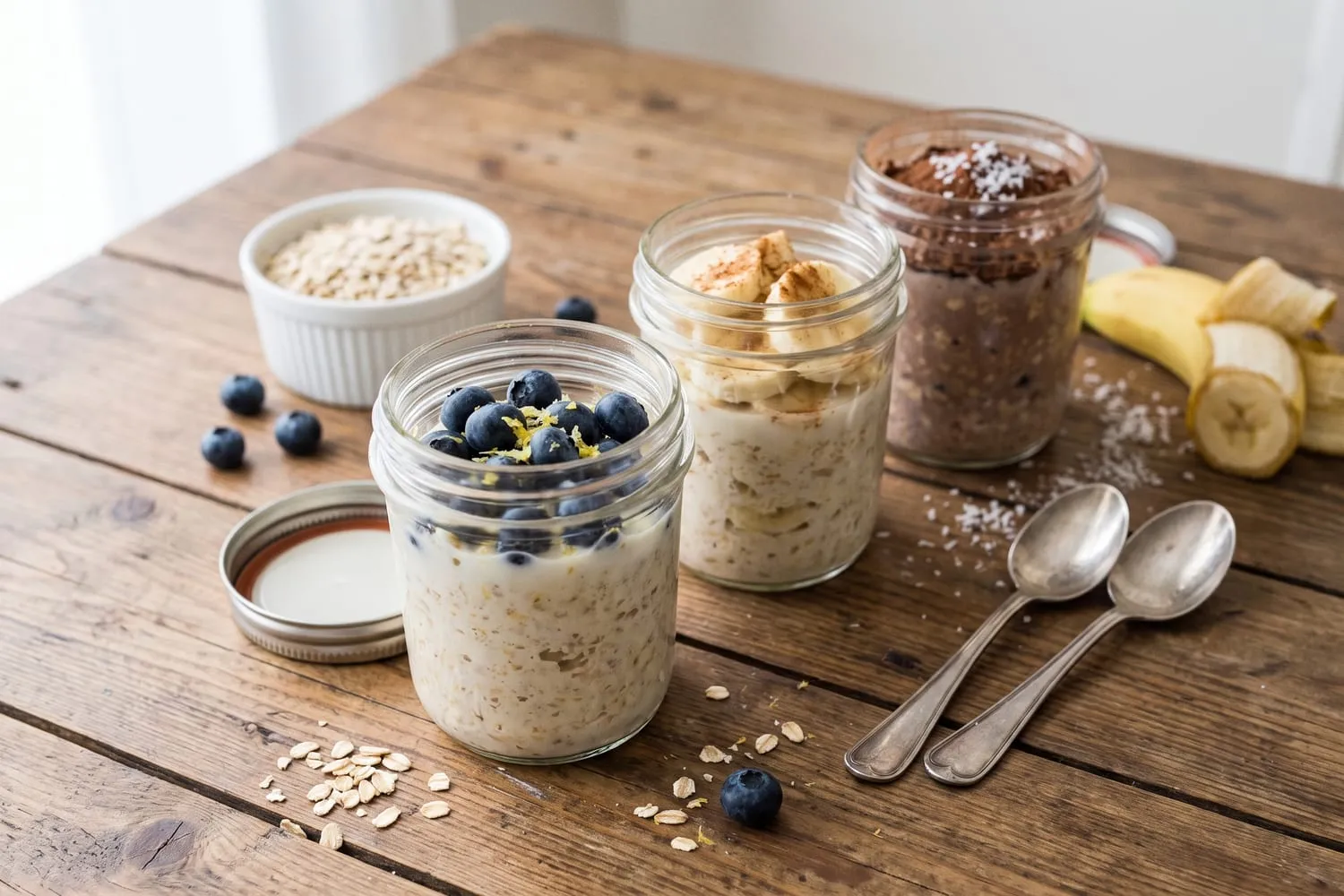
Best oats for overnight oats
Overnight oats are basically cold-soaked oats that soften in the fridge. Not all oats soak the same.
Best: rolled oats
Rolled oats hit the sweet spot. By morning, they are tender and creamy but still feel like food you can chew. They also hold well for 2 to 4 days depending on your add-ins.
Okay: instant oats
Instant oats will soften a lot, so the jar can turn pudding-like. Some people love that. If you do not, use less liquid, stir in Greek yogurt for structure, or mix half instant and half rolled.
Not ideal: steel-cut oats
Steel-cut oats do not fully soften with a simple overnight soak. You can make them work with a soak-then-quick-cook approach, or by using a method designed for steel-cut overnight oats (often involving boiling water and a longer rest). For most busy mornings, rolled oats are easier.
Best oats for batch cooking
If your goal is “make a pot once, reheat in 90 seconds all week,” here is the simplest match:
- Best overall: steel-cut oats for chewy texture and week-long resilience.
- Best for a shorter prep window: rolled oats if you are happy eating them within 2 to 3 days and like a creamier bowl.
- Best for zero-cook assembly: instant oats portioned dry, then made hot fresh each morning.
How I build a balanced bowl
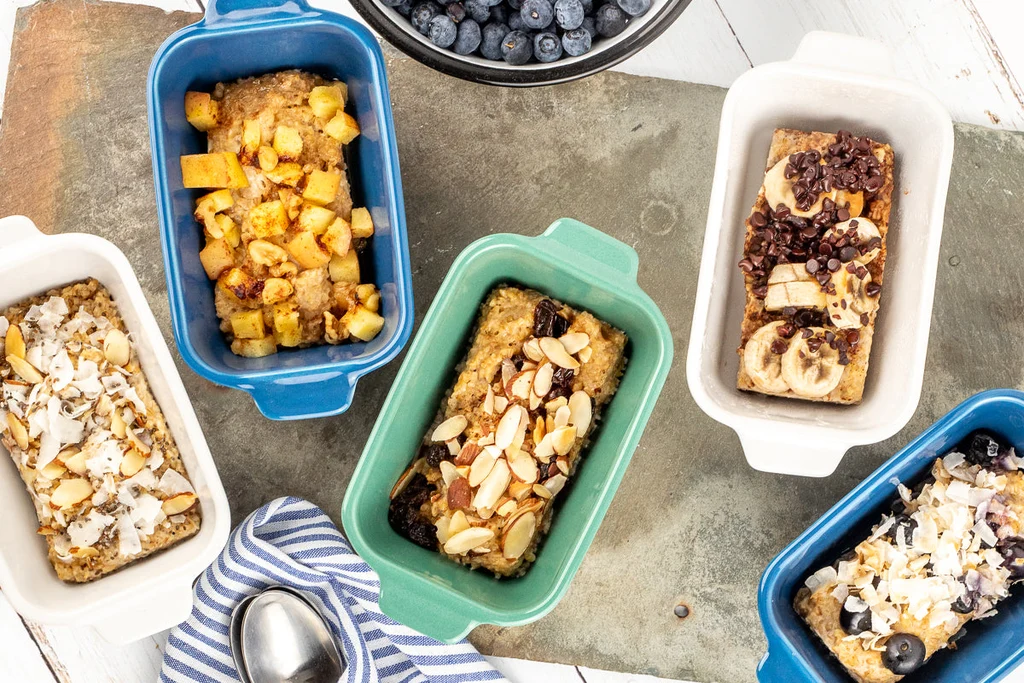
Oats are a fantastic base, but they feel a lot better when they are not a lonely beige carb. My Platepathy approach is simple: add protein, add color, add satisfaction.
- Protein: Greek yogurt, cottage cheese stirred in, milk instead of water, soy milk, or a scoop of protein powder you actually like.
- Color and fiber: berries, sliced banana, grated apple, pumpkin puree, or frozen cherries.
- Satisfaction: nut butter, chopped nuts, seeds, a drizzle of maple syrup, or dark chocolate chips.
And please, add a pinch of salt to oatmeal. It makes everything taste more like itself.
A simple rule
If you only remember one thing, make it this:
If your morning is rushed, choose rolled or instant. If your morning can simmer or you want the best reheat-all-week texture, choose steel-cut.
More specifically:
- Rushed mornings (0 to 5 minutes): instant oats made fresh, or overnight oats with rolled oats.
- Normal mornings (5 to 10 minutes): stovetop rolled oats.
- Slow mornings or Sunday prep (20+ minutes once): steel-cut oats, portioned and reheated all week.
Whichever oat you pick, you are doing something quietly powerful: giving future-you a steadier start. That is Platepathy in a bowl.
FAQ
Do steel-cut oats have more fiber than rolled oats?
Per equal dry weight, they are very similar. Steel-cut oats often feel more filling because they stay chewier and take longer to eat.
How long do cooked oats last in the fridge?
Generally 3 to 5 days in an airtight container. If you add dairy and fruit directly to the pot, aim for the shorter end, and always use your senses for freshness.
Why do my meal-prepped oats get so thick?
Oats keep absorbing liquid as they sit. Store them looser than your ideal texture and add a splash of milk or water when reheating.
Can I freeze cooked oatmeal?
Yes. Portion into freezer-safe containers, freeze up to about 2 to 3 months for best quality, and reheat with extra liquid. Steel-cut tends to freeze and reheat with the best texture.
Are oats gluten-free?
Oats do not contain gluten naturally, but they are often grown or processed near wheat. If you have celiac disease or need to avoid gluten strictly, look for oats labeled certified gluten-free.