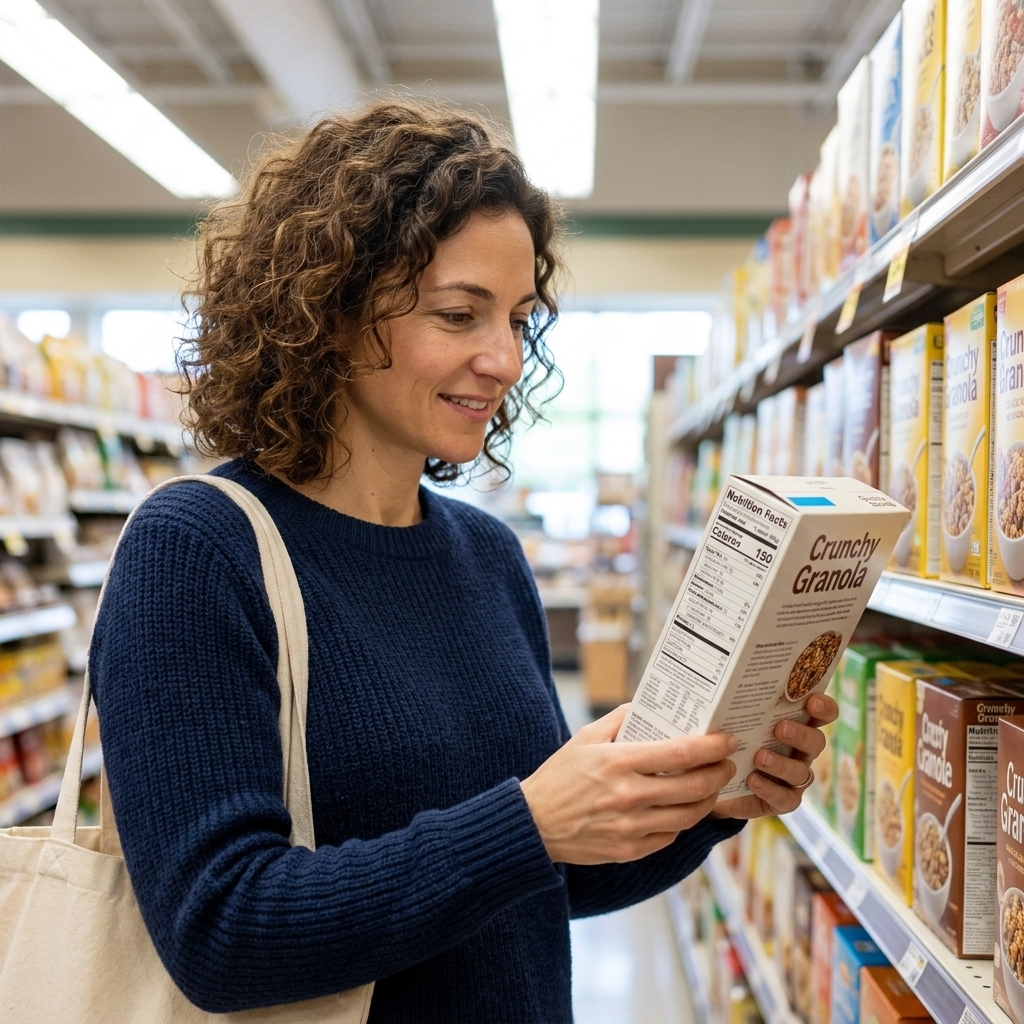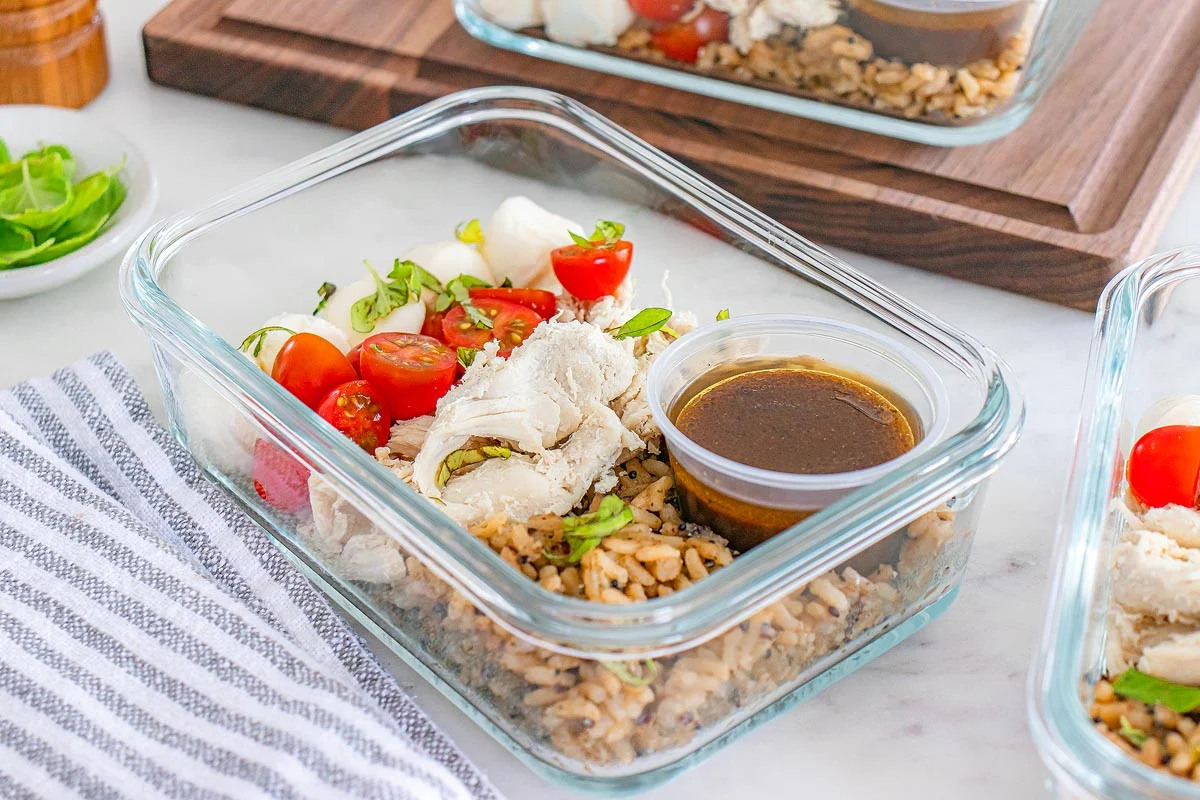
A gentle, practical approach to raising fiber: estimate where you are, choose one modest upgrade, hydrate appropriately, use gut-friendly prep, and log how y...
Platepathy
How Many Grams of Fiber Do You Need a Day?
Most adults need about 25 to 38 grams of fiber per day. Here’s how that target changes with age, sex, and calories, plus an easy way to hit it at breakfast, lunch, dinner, and snack.

Elena Rossi
Elena Rossi writes Platepathy's meal planning guides, translating nutrition research into approachable, delicious meal plans for real, busy lives.
Published November 14, 2026
Fiber is one of those nutrition topics that gets talked about like a personality trait, but what most of us really want is a number. A daily target we can actually use on a regular Tuesday, when dinner needs to happen by 6 PM and someone is asking for a snack right now.
For most adults, the sweet spot is 25 to 38 grams of fiber per day. Where you fall in that range depends mostly on sex, age, and (practically speaking) how many calories you tend to eat.
The daily fiber target
In the U.S., the most commonly used fiber goals come from the National Academies of Sciences, Engineering, and Medicine Dietary Reference Intakes (DRIs) for fiber (Adequate Intake). You will also see these numbers echoed in Dietary Guidelines for Americans style guidance and clinical handouts.
Here is what those adult targets look like:
- Women ages 19 to 50: about 25 g/day
- Men ages 19 to 50: about 38 g/day
- Women 51 and up: about 21 g/day
- Men 51 and up: about 30 g/day
If you want a simple fallback: aim for 25 to 30 grams per day and adjust from there. Many people report feeling better (digestion, fullness, steadier energy) when they move from “low fiber” to “consistent, moderate fiber,” but bodies vary.
Why the target changes
Those daily gram targets are tied to typical energy needs. A handy rule of thumb often used in nutrition planning is:
About 14 grams of fiber per 1,000 calories you eat.
So someone eating around 1,800 calories might land near 25 grams. Someone eating 2,700 calories might land closer to 38 grams.
Why does the target drop after age 50? Not because fiber stops being helpful. It largely tracks lower calorie needs on average, and the DRI framework is built from the best available evidence on health outcomes and typical intake patterns.
Real-life translation: If you are very active, pregnant, breastfeeding, or simply eat more food overall, your fiber “sweet spot” might be toward the higher end. If you have a smaller appetite, the lower end can still be a solid goal.
Hit your goal across the day
Trying to cram 30 grams of fiber into one meal is a fast track to feeling uncomfortable. The calmer approach is to divide your goal into meal-sized chunks.
Here are two easy distributions that work well for busy schedules:
- If your goal is 25 g/day: 7 g breakfast + 7 g lunch + 7 g dinner + 4 g snack
- If your goal is 30 to 35 g/day: 8 to 10 g breakfast + 8 to 10 g lunch + 8 to 10 g dinner + 4 to 6 g snack
You do not need perfection at every eating moment. Think “daily average.” If lunch was a bit light, you can nudge dinner or snack up with one high-fiber add-on.
What 25 to 38 grams looks like
Below is a realistic, no-weird-ingredients example day using the foods you probably already recognize: oats, beans, berries, whole-grain bread, and vegetables. (Fiber amounts are approximate and vary by brand and portion size.)
Breakfast (aim: 7 to 10 g)
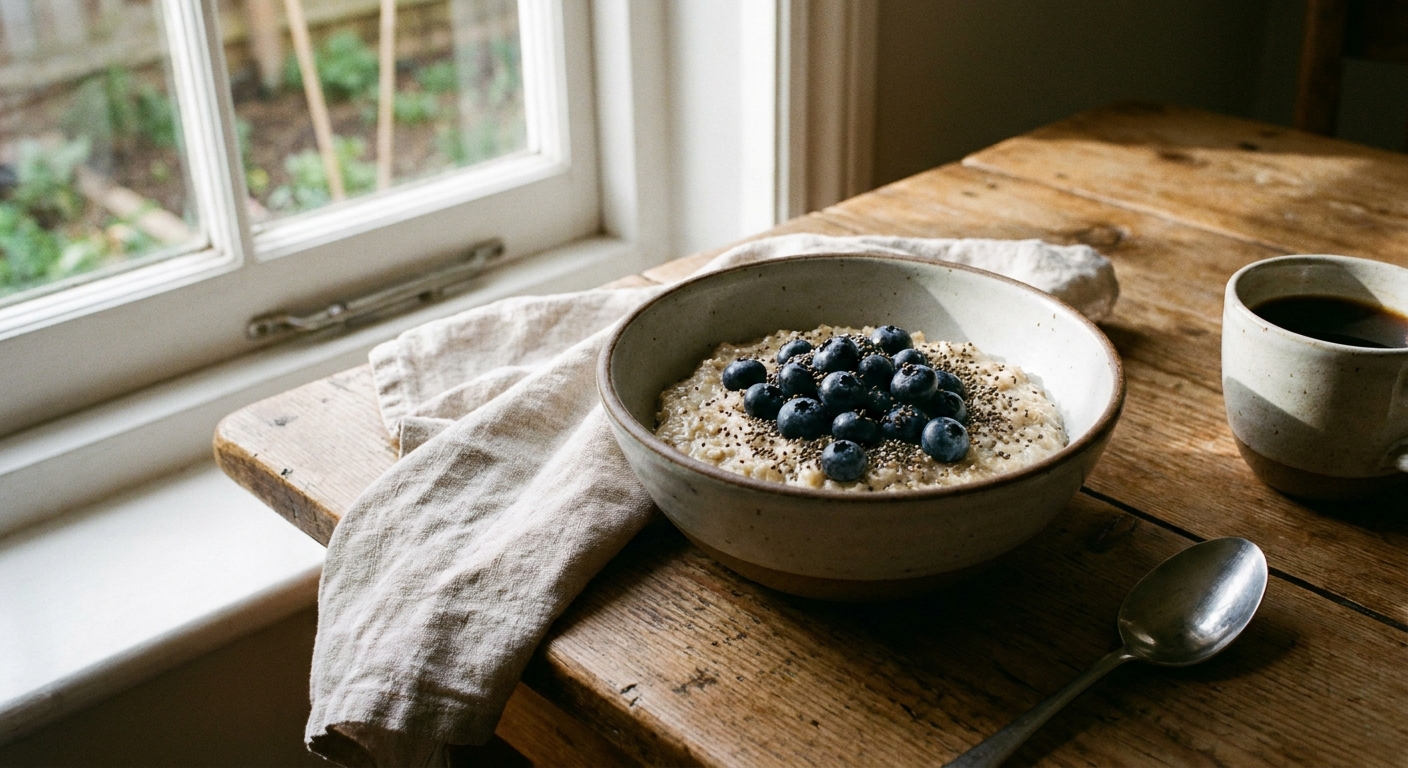
- Oatmeal made with 1/2 cup dry oats (about 4 g)
- Blueberries, 1/2 to 1 cup (about 2 to 4 g)
- Chia seeds, 1 tablespoon stirred in (about 4 to 5 g) or skip if that feels like too much and add a banana instead
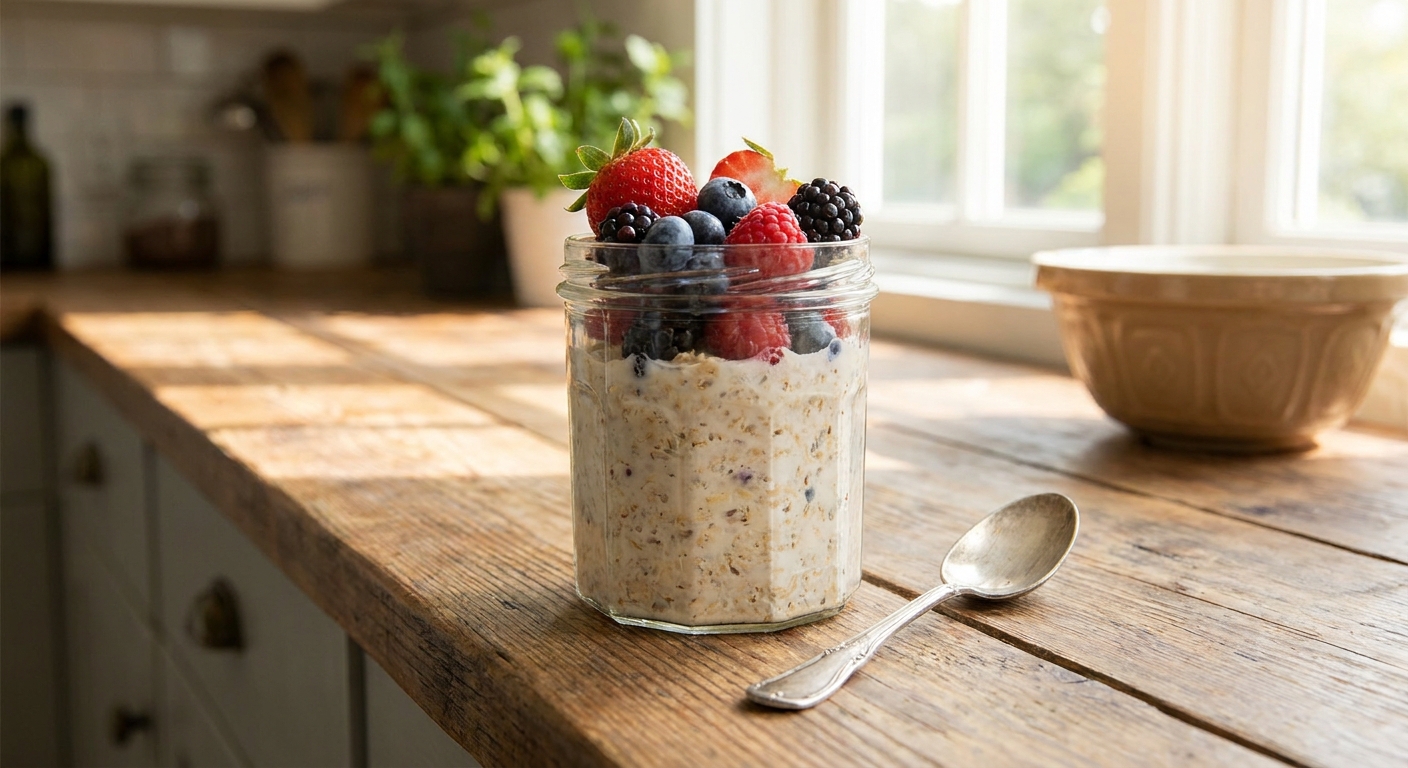
Platepathy note: Around here, Platepathy is basically “make the helpful choice easier.” If mornings are chaos, overnight oats count. So does reheated oatmeal from Sunday batch-cooking.
Lunch (aim: 7 to 10 g)
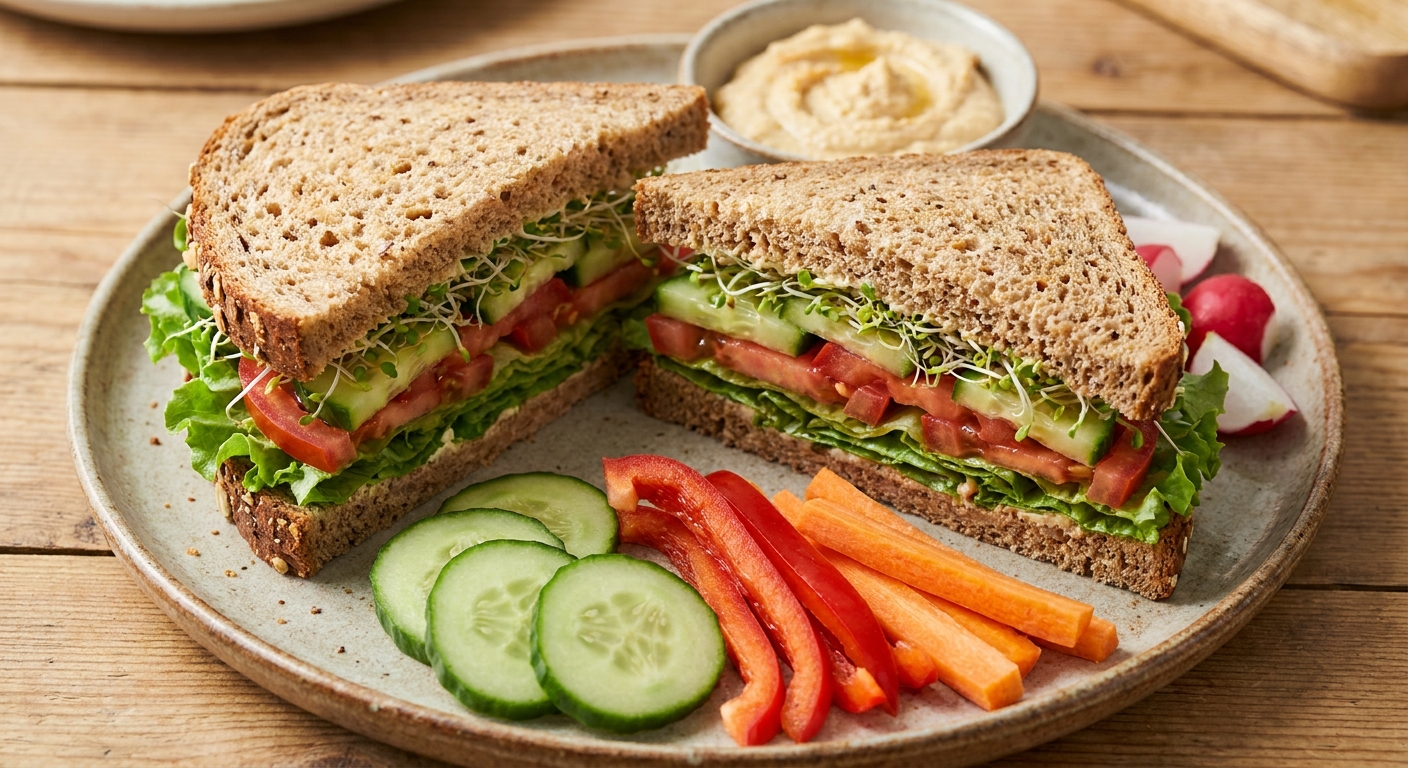
- Sandwich on whole-grain bread (2 slices, often about 5 to 7 g, but check labels because some “whole wheat” breads are lower)
- Add veggie crunch: lettuce, tomato, cucumber, shredded carrots (about 1 to 3 g depending on portion)
- Optional easy booster: hummus as a spread (about 2 g for a few tablespoons)
If you are more of a “bowl” person: build a grain-and-veg bowl and include 1/2 cup beans (often 6 to 8 g of fiber by itself).
Dinner (aim: 7 to 10 g)
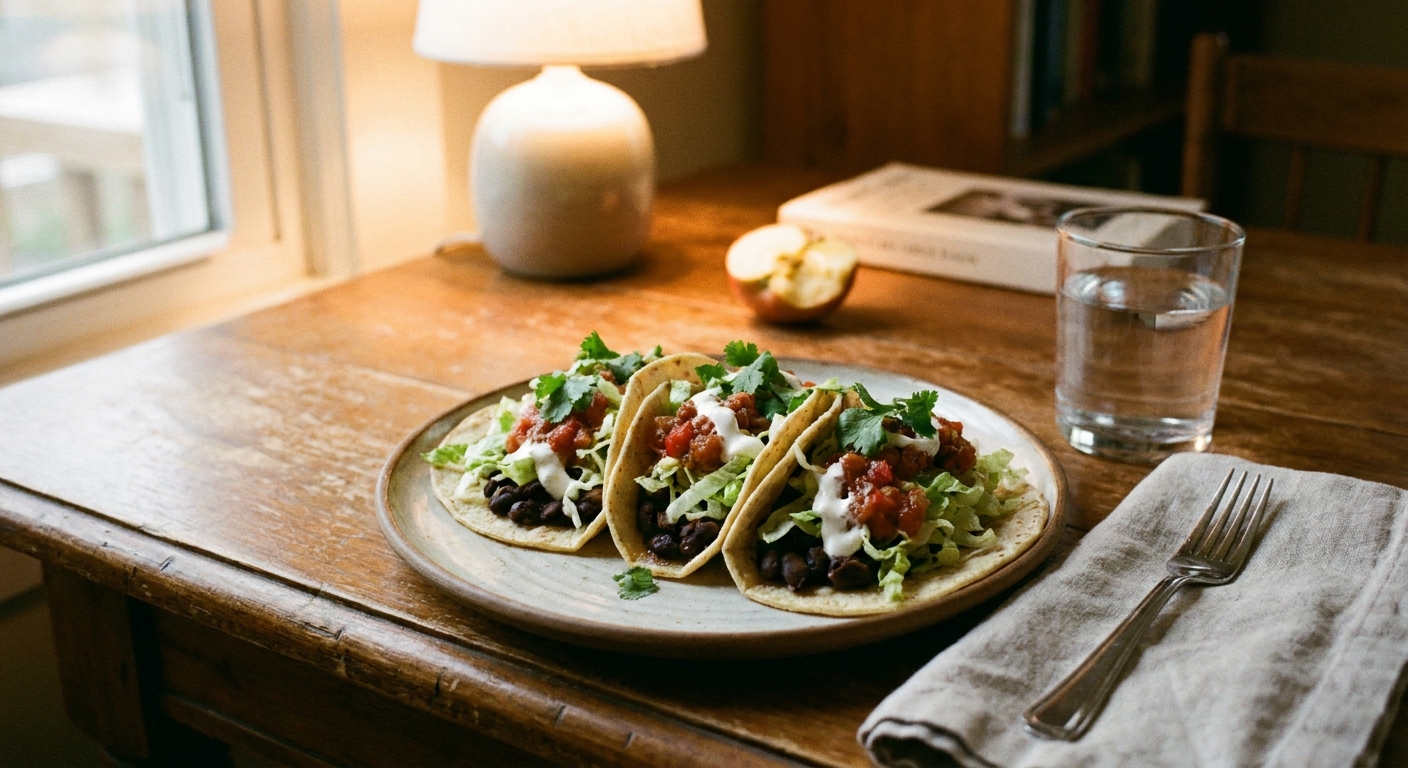
- 1/2 cup beans in tacos, chili, or a rice bowl (about 6 to 8 g)
- 1 to 2 cups vegetables (roasted broccoli, sautéed peppers and onions, a big salad, or frozen veg you microwave and butter) (for example, 1 cup cooked broccoli is around 5 g)
- If you want: swap in a whole grain base sometimes, like brown rice, quinoa, or whole-wheat pasta for an extra nudge
This is why beans are such a Platepathy hero food: they are budget-friendly, weeknight-friendly, and they do a lot of fiber work without requiring you to eat a mountain of produce.
Snack (aim: 4 to 6 g)
- Apple (about 4 g) with peanut butter
- Raspberries, 1 cup (about 8 g) if you want a bigger fiber bump
- Air-popped popcorn, 3 cups (about 3 to 4 g)
- Carrots plus hummus (about 4 to 6 g depending on portion)
If you only remember one snack strategy: fruit plus a little protein or fat tends to be more satisfying and steadier on energy than a snack that is all crunch and no staying power.
Quick signs you may be low
Fiber needs are personal, but these are common clues your intake may be lower than your body would like:
- You rarely eat whole grains, beans, lentils, berries, or vegetables
- You feel hungry again very soon after meals (even when meals are reasonably sized)
- Bowel movements are infrequent, hard, or uncomfortable
And a gentle reminder: if you suddenly jump from low fiber to very high fiber overnight, your digestion may protest. More fiber is not “better” if it makes you miserable. Consistency wins.
Increase fiber without the regret
This site already goes deeper on gradual increases, but here’s the condensed version I give friends:
- Add 3 to 5 grams at a time for a few days before adding more.
- Pair fiber with fluids. Fiber works best when it has enough water to do its job.
- Use the “one upgrade” rule: change one thing at a time (swap bread, add beans, add berries), not your entire diet in one day.
One more practical detail: if you rely on a lot of added or isolated fibers (like in fiber bars, “keto” tortillas, or some protein products), the label number can look impressive but your gut may tolerate it differently than fiber from beans, oats, and produce. Use those products as helpers, not the whole plan.
If you have IBS, IBD, significant reflux, a history of bowel obstruction, or you are on a medically prescribed low-fiber diet, it is worth checking with a clinician for individualized guidance. Also, if you use fiber supplements or you make a big fiber jump, ask your pharmacist about spacing fiber and certain medications or minerals, since timing can matter for absorption.
Fiber goal cheat sheet
- Most adult women: about 25 g/day (21 g/day after 50)
- Most adult men: about 38 g/day (30 g/day after 50)
- Simple rule: 14 g per 1,000 calories
- Best strategy: aim for about 7 to 10 g per meal on average plus a fiber-friendly snack
If you want the most impact with the least mental load, start with two moves: oats or whole-grain bread at breakfast, and beans at lunch or dinner. Those two habits alone can get you surprisingly close to the daily number.
FAQ
Is 20 grams of fiber a day enough?
For many adults, 20 grams is a decent start but often below the recommended target. If you are currently much lower, aiming for 20 consistently can be a great stepping stone toward 25 to 30 grams.
Should I count fiber grams exactly?
You can, but you do not have to. I like using “fiber anchors” instead: oats, beans or lentils, berries or fruit, whole grains, and vegetables. If you include a few of those daily, the grams usually take care of themselves.
Do fiber supplements count?
They can help in specific situations, but I generally prefer food-first fiber because you also get vitamins, minerals, and plant compounds along with it. If you do use a supplement, start low, increase slowly, drink enough water, and consider taking it at a different time than certain medications.
What’s the difference between soluble and insoluble fiber?
Both matter. Soluble fiber (found in oats, beans, chia, many fruits) forms a gel-like texture in the gut and can support cholesterol and blood sugar. Insoluble fiber (found in wheat bran, many vegetables, nuts) adds bulk and helps keep things moving. You do not need to micromanage the split if you eat a variety of plants.