A gentle, practical approach to raising fiber: estimate where you are, choose one modest upgrade, hydrate appropriately, use gut-friendly prep, and log how y...
Platepathy
How Much Water Should You Drink a Day?
Most adults need about 2 to 3 liters of beverages daily, plus fluid from food. Learn practical targets, what counts, what not to rely on, and an easy hydration routine tied to meals.

Elena Rossi
Elena Rossi writes Platepathy's meal planning guides, translating nutrition research into approachable, delicious meal plans for real, busy lives.
Published November 12, 2026
I used to treat water like an optional accessory: a few sips between meetings, a coffee (or three), and then I would wonder why I felt headachy, snacky, and weirdly tired by 3 PM. These days, as a dietitian and a mom trying to get dinner on the table by 6, I think about hydration the same way I think about meals: not perfect, not fussy, just steady and kind.
So how much water should you drink a day? The most helpful answer is not one magic number. It is a starting range, plus a few real-life adjustments.
A realistic daily target for most adults
For healthy adults, a solid ballpark comes from the National Academies of Sciences, Engineering, and Medicine. Their “adequate intake” numbers are for total water (that includes drinks plus water from foods):
- Women: about 2.7 liters per day (around 11.5 cups)
- Men: about 3.7 liters per day (around 15.5 cups)
Most people get about 20% of that from food, so the amount you need from beverages often works out to roughly:
- Women: about 2.2 liters (around 9 cups)
- Men: about 3.0 liters (around 13 cups)
If you love a simple rule, try this: aim for 8 to 12 cups of fluid a day (about 8 ounces or 240 mL per cup) for many adults, then adjust up or down based on your body and your day. If you are smaller, sedentary, and in a cool climate, you will likely land toward the lower end. If you are larger, active, pregnant or breastfeeding, or in heat, you will likely need more.
Platepathy note: Hydration is not a moral scorecard. It is a support system for energy, digestion, and mood. “Better than yesterday” counts.
How needs change day to day
Body size
Bigger bodies generally need more fluid. A practical way to personalize your target is to start with the ranges above, then notice patterns: are you consistently thirsty, getting headaches, or seeing dark urine? That usually means you need more.
Activity and exercise
Movement increases fluid needs through sweat and heavier breathing. A simple, no-calculator approach:
- Add 1 to 2 extra cups on more active or sweaty days (as a starting point).
- If you are exercising for more than an hour, especially in heat, consider fluids plus electrolytes (more on that below).
Hot weather and dry climates
Heat and low humidity can sneak up on you. You may not “feel” sweaty, but you are still losing water. In hot weather, plan on adding at least 1 to 3 extra cups across the day, more if you are outdoors or sweating.
Illness
Fever, vomiting, and diarrhea can increase fluid losses quickly. In those situations, staying hydrated becomes more urgent. If you cannot keep fluids down, feel dizzy, have very little urine, or have signs of dehydration, it is time to contact a clinician.
What counts toward fluids
Good news: hydration is not “water only.” Many foods and beverages contribute meaningfully.
Drinks that count
- Plain water, sparkling or still
- Unsweetened tea (herbal or caffeinated)
- Coffee in moderate amounts (yes, it counts)
- Milk and unsweetened fortified soy milk
- Broth-based soups
- Oral rehydration solutions when truly needed (like stomach flu)
What about caffeine? In normal amounts, coffee and tea still contribute to hydration. If caffeine makes you jittery, anxious, or running to the bathroom, scale back for comfort, not because it “doesn’t count.”
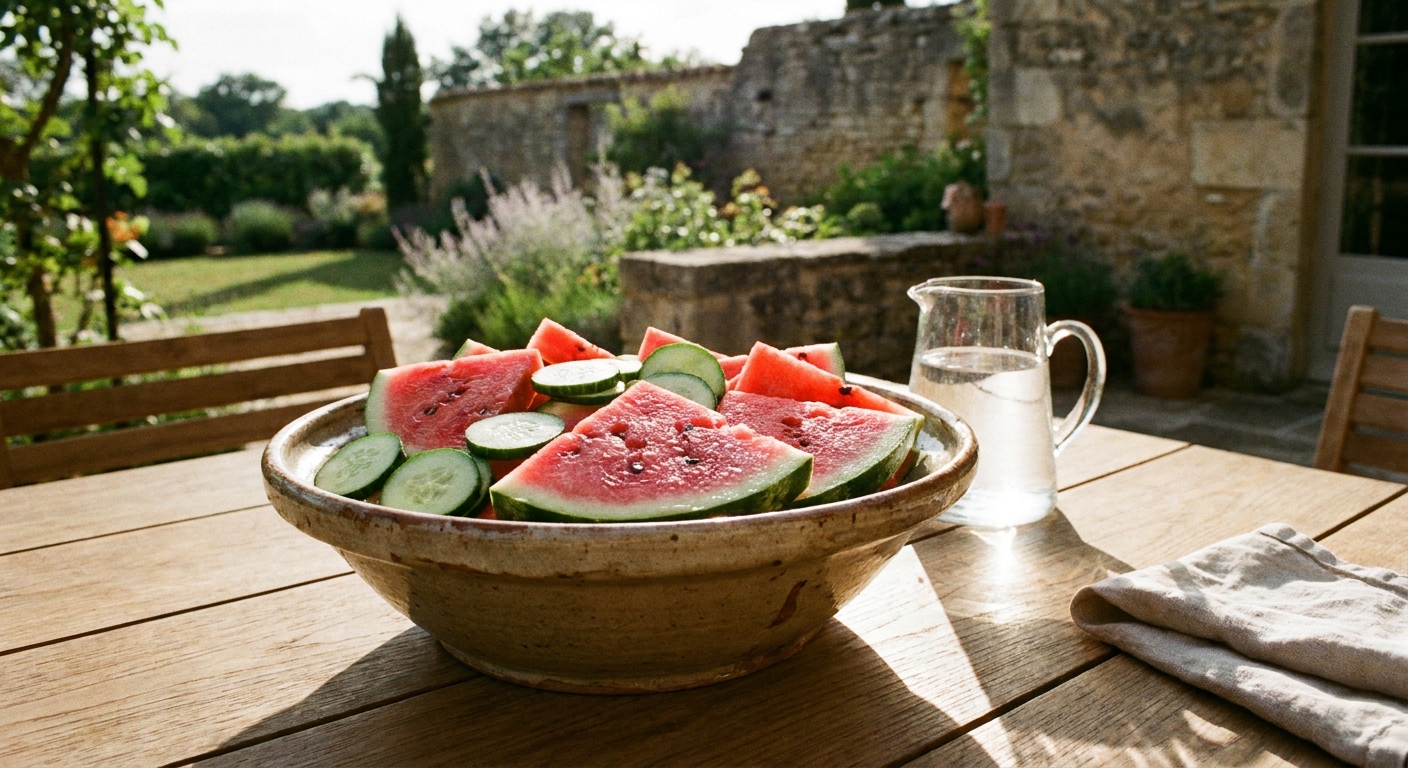
High-water foods that help
Foods will not replace drinking entirely, but they can make hydration easier, especially if you struggle with remembering to sip.
- Fruits: watermelon, oranges, strawberries, grapes, peaches
- Veggies: cucumber, lettuce, tomatoes, zucchini, bell peppers
- Other: yogurt, applesauce, smoothies, soups
What not to rely on
I am not here to villainize anyone’s favorite drink, but it helps to know what hydrates well and what is more of a “bonus” than a base.
- Alcohol: can have a diuretic effect, especially at higher amounts. If you drink, pair it with water and do not rely on it as your hydration strategy.
- Very sugary drinks: soda, sweet tea, energy drinks, and juice cocktails can technically add fluid, but the high sugar load is not ideal as your main hydration source.
- “Dry” snacks alone: crackers, chips, granola bars, and toast do not provide meaningful fluid. If these are your go-to afternoon bites, add a drink alongside.
Electrolyte drinks can be useful for heavy sweating, endurance exercise, or illness, but most everyday hydration can be handled with water and regular meals. (Your food provides electrolytes too.)
An easy routine tied to meals
If you have ever tried to “just drink more” and then promptly forgot until bedtime, you are not alone. The most reliable strategy is attaching sips to things you already do: meals, snacks, and transitions.
Morning
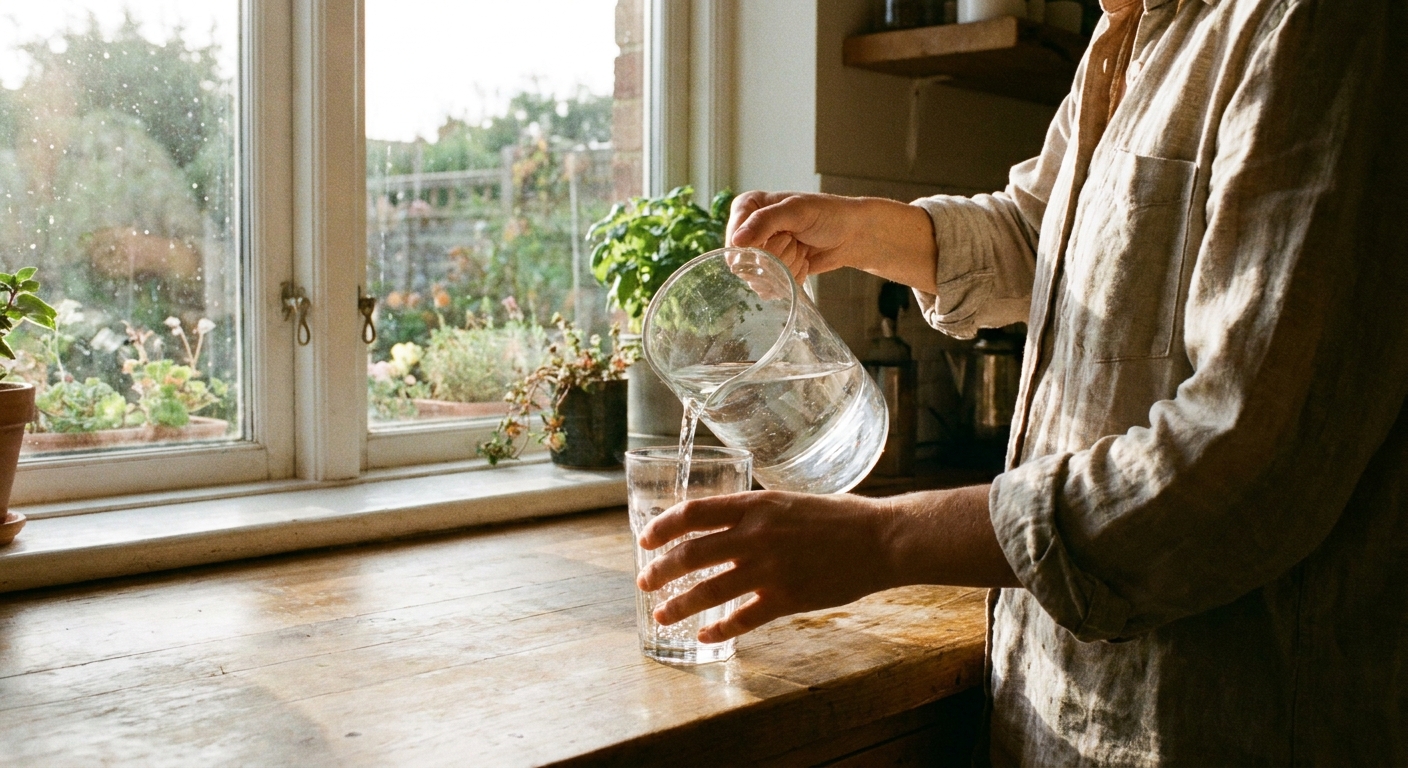
- After waking: 1 glass of water while coffee brews or breakfast heats.
- With breakfast: another glass, or tea plus water.
Midday
- Late morning: a few long sips during a work break or the school drop-off/pick-up loop.
- With lunch: 1 to 2 cups of water or unsweetened iced tea.
Afternoon
- With your afternoon snack: pair it with a drink automatically. This is my “headache prevention” habit.
- Before workouts or errands: a quick glass before you head out.
Evening
- With dinner: 1 glass of water.
- After dinner: herbal tea or water if you are still thirsty. If nighttime bathroom trips are an issue, shift more of your fluids earlier in the day.
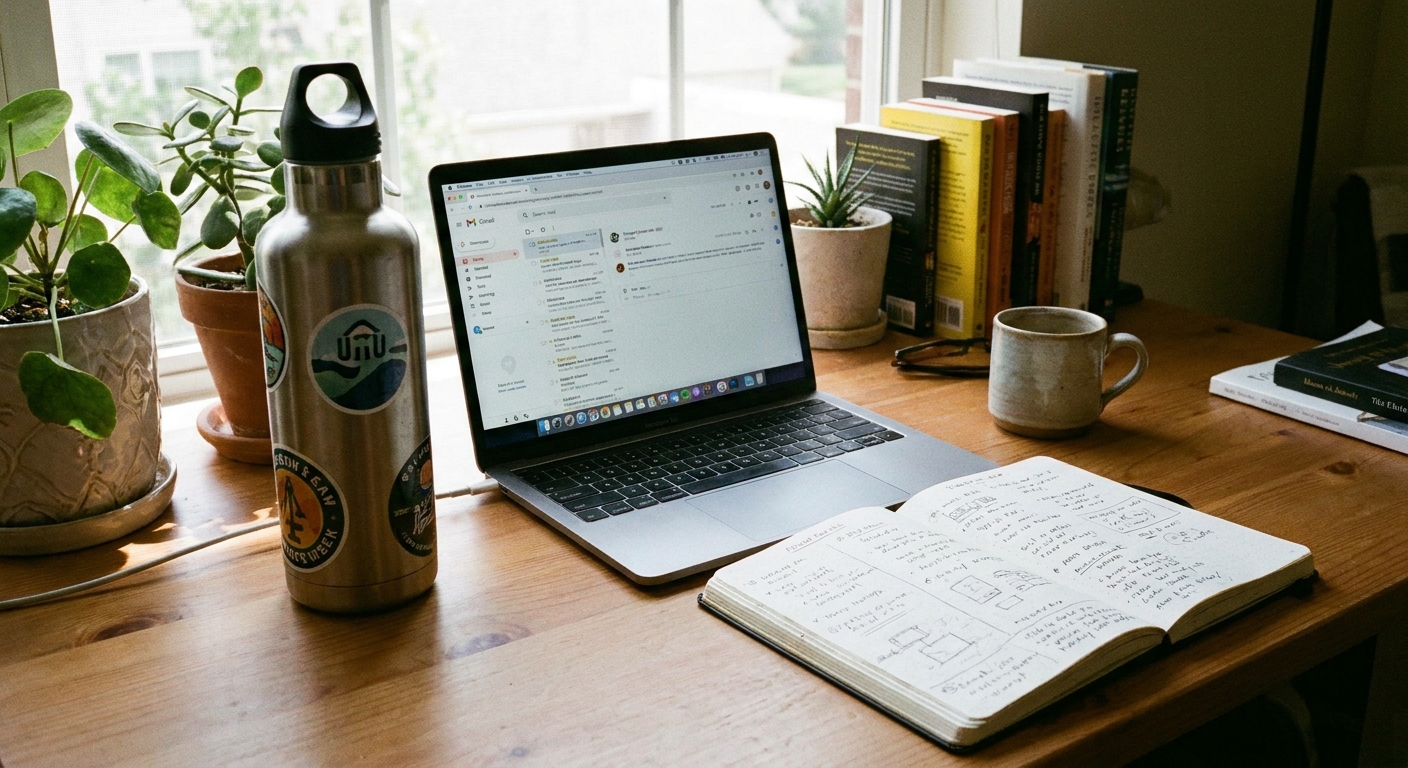
Make it easier: keep a bottle you actually like where you actually live. For me that is one by the stove when I am cooking, one by my computer, and one in the car cupholder.
Signs you need more
Your body gives feedback. Hydration does not need to be a spreadsheet.
- You feel thirsty often or suddenly realize you are parched.
- Urine is consistently dark yellow or you are peeing infrequently.
- Headaches, especially later in the day.
- Dry mouth or dry lips.
- Constipation or harder stools.
- Fatigue and “brain fog”, especially with low appetite for actual meals.
One gentle check: aim for urine that is pale yellow most of the time. First-morning urine is often darker and that can be normal.
Signs you might be overdoing it
Overhydration is less common, but it can happen, especially if someone is chugging huge amounts quickly, drinking constantly “just because,” or overdoing water during long exercise without electrolytes.
- Urine is very clear most of the day and you are peeing very frequently.
- You feel sloshy, nauseated, or bloated from fluids.
- Headache, confusion, or worsening nausea after extreme water intake, especially with prolonged sweating.
Urine color is not a perfect test. Some medications, supplements, and health conditions can change it. If you ever have concerning symptoms (confusion, severe headache, vomiting) after excessive water intake or during endurance exercise, seek medical care.
When to ask your clinician
Some people need a personalized fluid plan. Check with your clinician if you have:
- Kidney disease or a history of low sodium (hyponatremia)
- Heart failure or significant heart disease
- Liver disease with fluid retention
- Use of diuretics or other medications that affect fluid balance
- Pregnancy or breastfeeding and you are struggling with thirst, dizziness, or frequent headaches
- Older age with low thirst cues or repeated dehydration
Hydration FAQs
Do I really need 8 glasses a day?
Not necessarily. Some people need less, some need more. Use 8 glasses as a starting point, then adjust for your size, activity, and climate.
Is sparkling water as good as still?
Yes. Unsweetened sparkling water hydrates just fine. If carbonation bothers your stomach, choose still.
Does drinking water help with weight loss?
Water can support appetite regulation and energy, and sometimes thirst feels like hunger. But it is not a “trick.” Think of hydration as helping your body run smoothly so meals can do their job.
Should I add electrolytes daily?
Most people do not need electrolytes every day. Consider them if you are sweating heavily for long periods, exercising for over an hour, working in heat, or recovering from vomiting or diarrhea. If you have been told to limit fluids or sodium, follow your clinician’s guidance.
The bottom line
Most adults do well with roughly 2 to 3 liters of beverages a day, plus the fluid you get from food. On average, that lines up with about 2.7 liters (11.5 cups) total water for women and 3.7 liters (15.5 cups) total water for men, with more needed for bigger bodies, sweaty days, pregnancy or breastfeeding, and hot weather.
If you want one Platepathy-friendly goal to start today: drink something with every meal and snack. Your future self at 3 PM will thank you.