A clear, realistic way to choose a daily protein goal based on your body and activity level, plus easy meal strategies to reach it using everyday foods.
Platepathy
Greek Yogurt vs. Cottage Cheese for Weekly Meal Prep
Greek yogurt or cottage cheese? Compare protein, calories, sodium, texture, cost, and fridge life after opening. Plus the best picks for sweet bowls, savory lunches, and high-protein dips.

Elena Rossi
Elena Rossi writes Platepathy's meal planning guides, translating nutrition research into approachable, delicious meal plans for real, busy lives.
Published November 16, 2026
Every Sunday, I stand in front of the dairy case with my meal prep list in one hand and a kid asking for “the yogurt with the fun lid” in the other. And I still pause at the same fork in the road: plain Greek yogurt or cottage cheese?
Both are high-protein, weekday-saving staples. Both can swing sweet or savory. And both can absolutely make your breakfast and snack game easier, as long as you pick the one that matches how you actually eat during the week.

The quick answer
- Choose plain Greek yogurt if you want a smooth base for sweet bowls, overnight oats, smoothies, baking swaps, and creamy dressings, and you generally want an easier time keeping sodium lower.
- Choose cottage cheese if you want a more filling, savory-leaning protein with a “chunky” texture that works well in lunches, toast, egg scrambles, and whipped dips.
- Buy both when you prep both sweet breakfasts and savory snacks, or when you want variety without adding a ton of new ingredients.
Nutrition basics
Exact numbers vary by brand, milkfat level, and whether it is an “extra protein” or low-sodium version. The ranges below are common for plain products in U.S. grocery stores, but your label is the one that counts.
| Category (typical) | Plain Greek yogurt | Cottage cheese |
|---|---|---|
| Serving size used by many labels | 170 g (about 3/4 cup) | 113 g (1/2 cup) |
| Protein | ~15 to 20 g per 170 g | ~12 to 15 g per 1/2 cup |
| Protein (quick fairness check) | Serving sizes differ, so compare per 100 g or use protein per calorie on the labels you buy. | |
| Calories | ~90 to 170 (nonfat to whole) | ~80 to 120 (low-fat to full-fat) |
| Sodium | Commonly ~60 to 120 mg (brand-dependent) | Regular is often ~300 to 500+ mg; low-sodium versions exist |
| Texture | Thick, creamy, smooth | Curds in a creamy base, can be watery |
| Flavor | Tangy | Mild, slightly salty |
How to read that table in real life:
- Protein: Greek yogurt often edges higher per typical serving, but label serving sizes are not the same. If you want a true head-to-head, look at protein per 100 g or, even better, protein per calorie.
- Calories: Both can fit easily into breakfast or snack prep. Your biggest calorie swing is usually the fat level and what you add (granola, honey, olive oil, chips).
- Sodium: Regular cottage cheese is usually the higher-sodium option. If you are limiting sodium for blood pressure or fluid retention based on your clinician’s guidance, Greek yogurt is often the simpler default, or you can seek out low-sodium cottage cheese.
If you want the most accurate comparison for your routine, pick two products you actually buy and compare protein per calorie and sodium per serving. Those two numbers tell the “weekly staple” story fast.
Texture counts
I have never met a parent who had time for a breakfast they secretly hate. Texture is usually the deciding factor.
- Greek yogurt: creamy and uniform. It stirs into chia pudding, spreads into a wrap sauce, and disappears into smoothies.
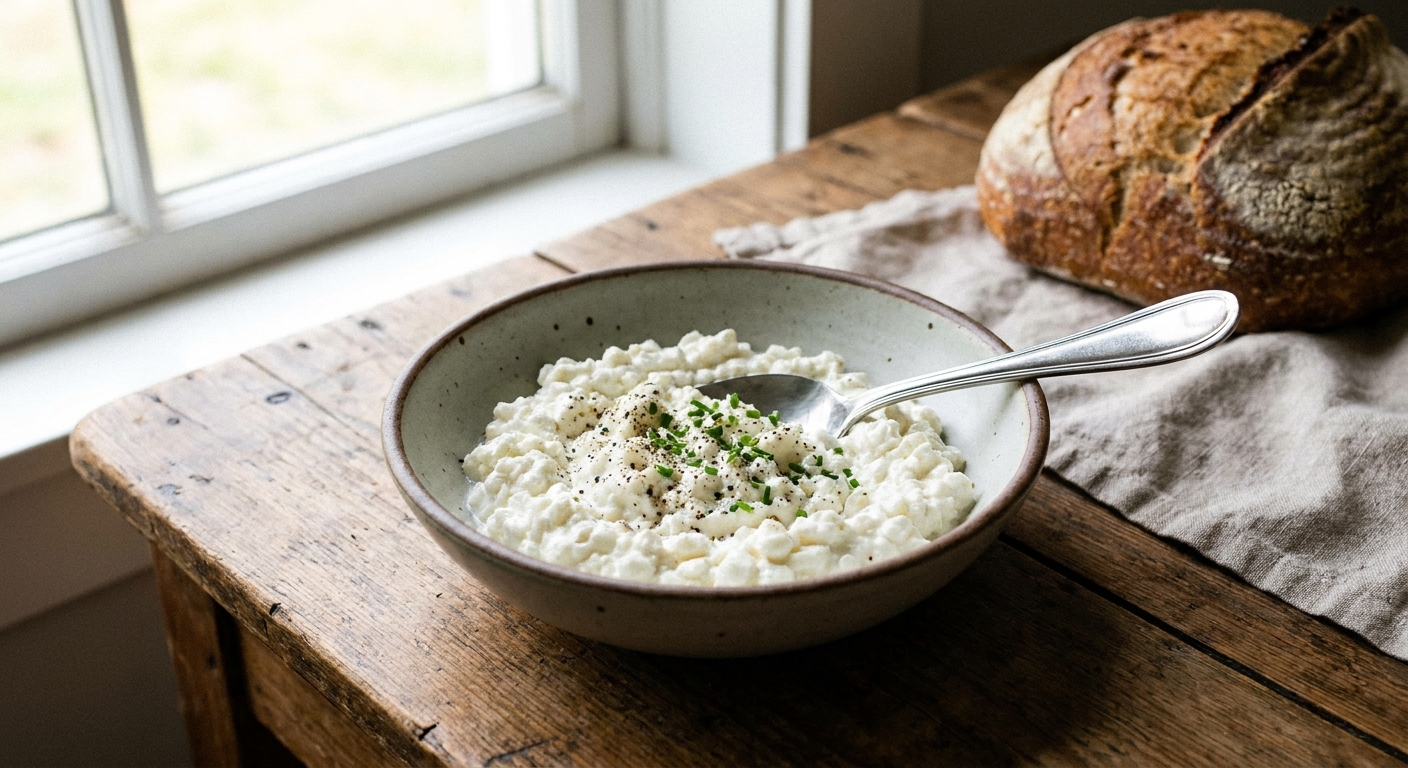
- Cottage cheese: curds. Some people love them, some people do not. If curds bother you, blend cottage cheese until smooth and use it like a thick, neutral cream.
Cost per serving
Prices vary wildly by region and brand, but in many stores:
- Cottage cheese is often a bit cheaper per serving, especially in larger tubs and store brands.
- Greek yogurt can cost more per ounce, and the price climbs with ultra-filtered “extra protein” versions.
My practical budget rule: if you are using it primarily as a protein anchor (a daily snack you rely on), cottage cheese often gives you more protein-for-dollars. If you are using it as a multi-use ingredient (sauces, marinades, baking swaps, breakfast bowls), Greek yogurt earns its keep by replacing several other items.
Best meal prep uses
Sweet breakfasts
Winner: Greek yogurt. That tangy, creamy base was basically made for sweet add-ins and it holds up well in the fridge without weeping as much as cottage cheese.
Meal prep ideas that stay good for 3 to 4 days:
- Greek yogurt parfait jars: yogurt + berries + nuts. Keep granola separate until eating for best crunch.
- High-protein overnight oats: swap part of the milk for Greek yogurt for thickness and protein.
- “Cheesecake” yogurt bowl: Greek yogurt + vanilla + a spoon of jam + crushed nuts or graham crumbs. Dessert-for-breakfast energy, but still practical.
Savory lunches and snacks
Winner: cottage cheese. It plays really well with tomatoes, cucumbers, roasted veg, deli turkey, olives, and everything that makes a “fridge tapas” lunch feel satisfying.
Meal prep ideas:
- Cottage cheese lunch bowl: cottage cheese + cherry tomatoes + cucumbers + cracked pepper + a drizzle of olive oil.
- Toast or rice cake topper: cottage cheese + sliced peaches and cinnamon, or cottage cheese + everything bagel seasoning and tomatoes.
- Protein box: cottage cheese + crackers + fruit. Add a handful of nuts if you need it to hold you longer.
Dips, dressings, and spreads
It depends on the dip.
- Pick Greek yogurt for tzatziki, ranch-style dips, cilantro lime sauce, and salad dressings. It is naturally smooth and tangy, so you need less fussing.
- Pick cottage cheese when you want a thicker, higher-protein “whipped” dip. Blend it with garlic, lemon, herbs, or roasted red peppers. It turns into a surprisingly fluffy, satisfying spread.
Two go-to formulas:
- Fast tzatziki: Greek yogurt + grated cucumber (squeezed dry) + garlic + lemon + dill + salt.
- Whipped cottage cheese dip: cottage cheese + lemon + garlic + pinch of salt + herbs, blended until smooth. Thin with a splash of milk if needed.

How long they last after opening
In general, both products are safest and best-quality when kept cold, sealed well, and handled with a clean spoon every time. Manufacturer guidance and your own fridge habits matter a lot here.
- Plain Greek yogurt: often keeps best quality for about 7 to 14 days after opening when refrigerated properly. It may release some liquid (whey). Stir it back in.
- Cottage cheese: often keeps best quality for about 5 to 10 days after opening. It can get watery and pick up fridge odors faster than yogurt.
My “busy-week” storage habits that help:
- Use a clean spoon every time (double-dipping is where tubs go to die).
- Keep the tub in the coldest part of the fridge, not the door.
- If you meal prep portions, store them in small airtight containers so the main tub is opened less often.
When to toss: if you notice mold, a strong yeasty smell, pink or orange discoloration, or a distinctly fizzy taste, it is time to let it go. “Best by” dates matter less than what is happening in the container, and when in doubt, throw it out.
What to buy weekly
If you want one simple rule you can actually remember in the dairy aisle, here it is:
If your week is mostly sweet breakfasts and sauces, buy plain Greek yogurt. If your week is mostly savory snacks and lunch bowls, buy cottage cheese.
Buying both is worth it if you:
- eat a sweet breakfast most days but want a savory afternoon snack that does not feel like “another yogurt,”
- need a smooth ingredient (Greek yogurt) and a scoopable topping (cottage cheese) for different meals,
- get bored easily and find variety is what keeps you consistent.
My personal default is Greek yogurt because it is my fastest “make it creamy” tool for breakfast bowls and quick sauces. But when I know lunches will be chaotic, I add cottage cheese too, because it turns a handful of produce into a real meal with almost no cooking. That is plate empathy in action: choose the tub that makes feeding yourself feel easier, not stricter.
FAQ
Is cottage cheese or Greek yogurt better for protein?
Both are high-protein. Greek yogurt often edges higher per typical serving, but label serving sizes vary. If you want the fairest comparison, check protein per 100 g or protein per calorie on the brands you actually buy.
Which is better for meal prep if I hate cottage cheese texture?
Go with Greek yogurt, or blend cottage cheese until smooth and use it as a dip base. Texture preference is a perfectly valid deciding factor.
Which one is lower in sodium?
Plain Greek yogurt is usually much lower in sodium than regular cottage cheese. If sodium is a concern, compare labels, consider Greek yogurt as your default, or look for low-sodium cottage cheese.
Can I swap one for the other in recipes?
Sometimes. Greek yogurt swaps well for sour cream, mayo in some dressings, and as a creamy base. Cottage cheese can work in blended dips, lasagna fillings, or baked dishes, but its curds and higher moisture can change texture unless blended and, in some cases, lightly drained.
What if I am lactose sensitive?
Tolerance varies. Some people do better with Greek yogurt because it is fermented and strained, while others prefer cottage cheese or need lactose-free versions of either. If dairy bothers you, look for lactose-free options and test portions on a low-stakes day.
Does it matter if it is flavored?
Yes. For everyday meal prep, I default to plain, unsweetened and add my own fruit or seasonings. Flavored yogurts can add a lot of sugar quickly, and cottage cheese can vary a lot in sodium, so labels are worth a two-second glance.