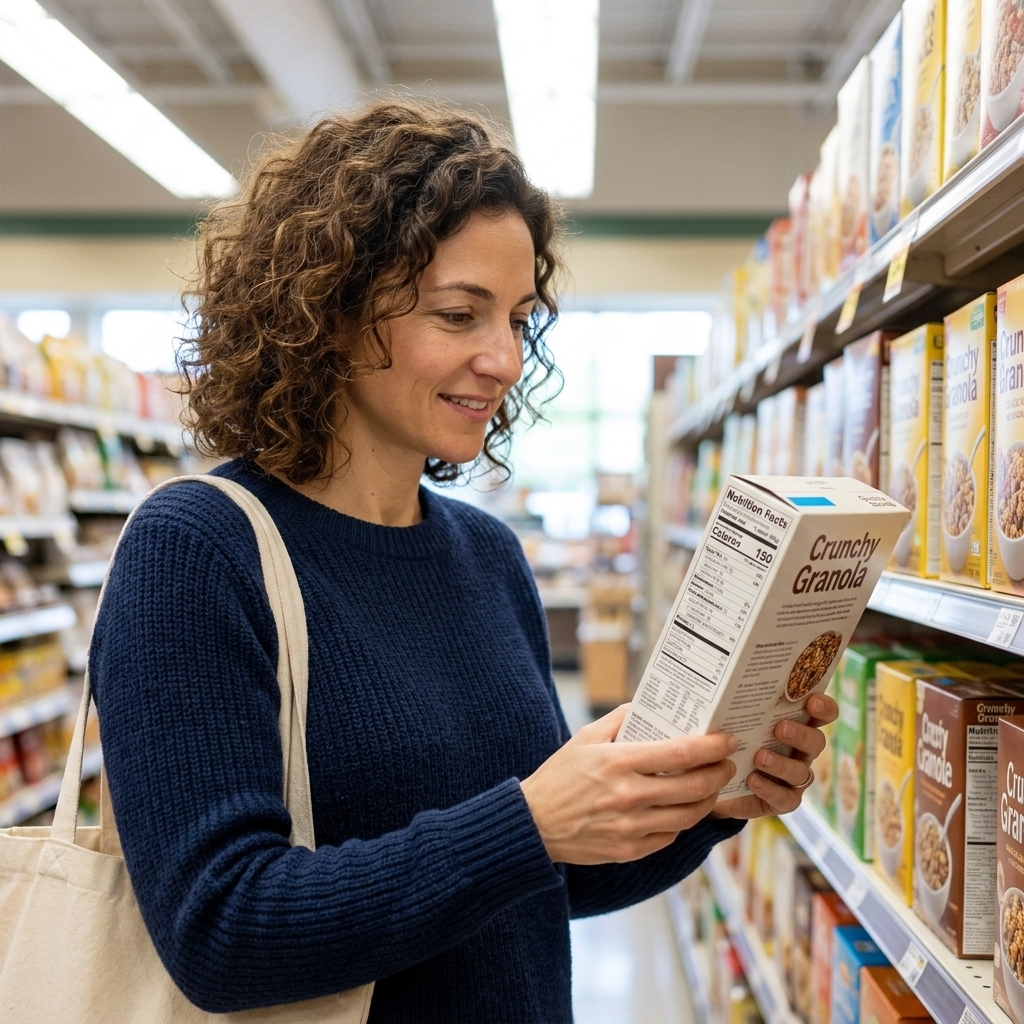
A clear, step-by-step guide to decoding the Nutrition Facts panel and ingredient list so you can make healthier grocery choices without overthinking it.
Platepathy
How Much Sodium Should You Eat a Day?
Most adults should aim for under 2,300 mg sodium per day, with 1,500 mg as a lower target for many. Learn where sodium hides in staples and how to budget it across meals.

Elena Rossi
Elena Rossi writes Platepathy's meal planning guides, translating nutrition research into approachable, delicious meal plans for real, busy lives.
Published November 15, 2026
I used to think “watch your sodium” meant skipping the salt shaker and calling it a day. Then I became the kind of person who batch-cooks on Sundays with two kids orbiting my ankles, and I realized the truth: most sodium isn’t coming from the pinch you add at dinner. It’s quietly baked into the foods that make meal prep possible, like bread, broth, canned beans, jarred sauce, deli meat, and cheese.
The goal here is not to fear sodium. Your body needs it. The goal is to understand your daily target and make small, doable swaps so you land near it most days without turning dinner into a chemistry project.
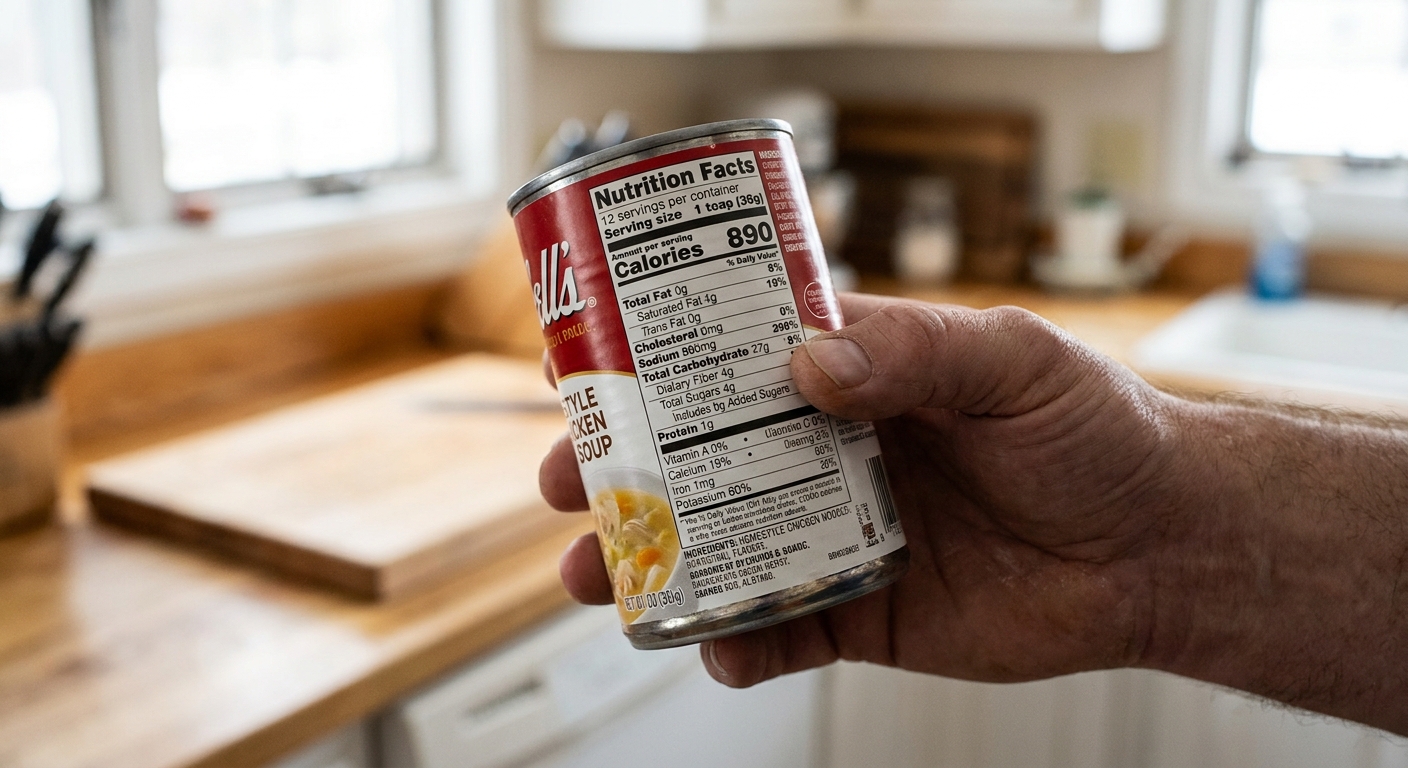
Daily sodium limits for most adults
Sodium recommendations are usually given in milligrams (mg) per day.
- General limit for adults: 2,300 mg sodium/day (this is the widely used upper limit in U.S. guidance).
- Lower target that benefits many people: 1,500 mg sodium/day. This level is often suggested for people with high blood pressure and can be a helpful “aim for” target if your clinician recommends it.
For context, 1 teaspoon of table salt has about 2,300 mg of sodium. That surprises a lot of people, but remember: you are rarely eating a teaspoon of salt from the shaker alone. You are inheriting sodium from your ingredients all day long.
If it helps to think in smaller units, 1/4 teaspoon salt is about 575 mg sodium (since 2,300 mg divided by 4 is 575).
A quick note on individual needs: If you have kidney disease, heart failure, cirrhosis, uncontrolled high blood pressure, or you are on certain medications, your sodium target may be different. And if you are doing heavy endurance training in heat and sweating a lot, your needs can be higher. When in doubt, follow your clinician’s guidance.
How staples spend your sodium before dinner
Here’s the part I wish someone had shown me back when I was eating “healthy” by assembling quick meals from store-bought basics: it is easy to burn through 2,300 mg without ever touching the salt shaker.
Below are typical sodium ranges you’ll see in common meal-prep foods. Brands vary a lot, so consider these “ballpark” numbers to help you scan labels faster.
Common sodium amounts
- Bread (1 slice): ~120 to 250 mg
- Tortilla (1 medium): ~200 to 500 mg
- Breakfast cereal (1 serving): ~0 to 300 mg (some are surprisingly low, some are not)
- Canned beans (1/2 cup):
- Regular, not rinsed: often ~300 to 600 mg
- Drained and rinsed: often ~100 to 300 mg
- No-salt-added: can be very low
- Broth or stock (1 cup): ~600 to 900 mg (low-sodium can be anywhere from ~150 to 500 mg)
- Jarred pasta sauce (1/2 cup): ~300 to 600 mg
- Deli meat (2 oz): ~600 to 1,000+ mg
- Cheese (1 oz): ~150 to 350 mg (some varieties are higher)
- Frozen meal (1 entree): ~700 to 1,500+ mg
- Restaurant sandwich or burrito: often 1,500 to 3,000+ mg
None of these foods are “bad.” Platepathy is about plate empathy, not purity, which is a fancy way of saying: make sustainable choices, not perfect ones. But these numbers show why sodium can creep up fast when you build meals from multiple packaged components.
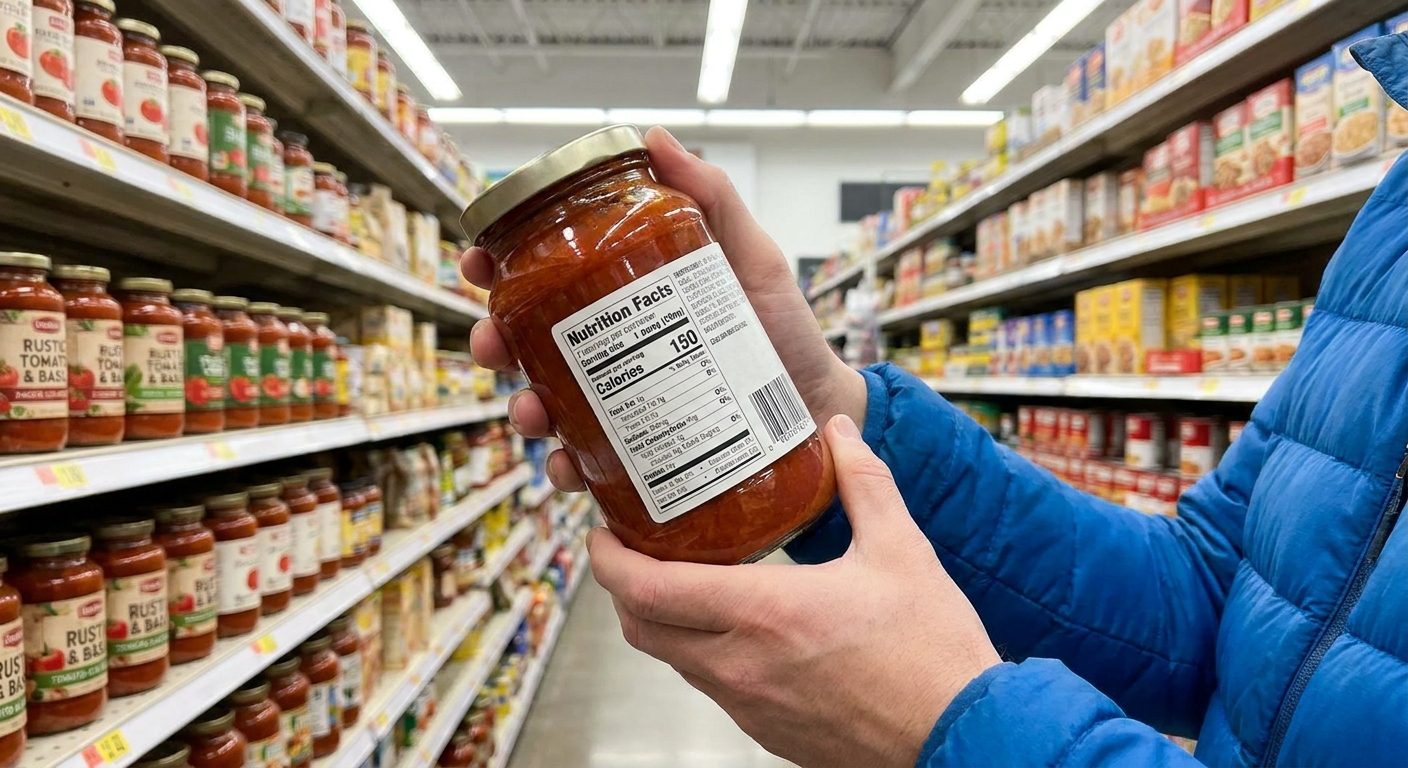
A realistic example: sodium adds up fast
Let’s walk through a very normal weekday pattern using packaged staples. This is not worst-case. This is just… Tuesday.
Breakfast
- 2 slices toast (~300 to 500 mg)
- 2 tbsp peanut butter (~50 to 150 mg depending on brand)
- 1 scrambled egg (naturally low sodium, but salting at the table can add roughly ~100 to 200 mg or more depending on your hand)
Breakfast subtotal: ~450 to 850 mg
Lunch
- Turkey sandwich: deli turkey 2 to 3 oz (~600 to 1,200 mg)
- Bread 2 slices (~240 to 500 mg)
- Cheese 1 oz (~150 to 350 mg)
- Condiments like mustard, pickles, or sauce (~100 to 400 mg)
Lunch subtotal: ~1,100 to 2,400 mg
Now dinner shows up…
If you start dinner already near (or over) 2,300 mg, even a seemingly light meal can push you far past the daily limit. This is why people feel confused when they “don’t eat that salty.” The saltiness you taste is only part of the story.
Where sodium hides in meal prep favorites
These are the staples I see most often in my own batch-cooking and in readers’ meal plans. You do not need to eliminate them. Think of this as a choose-your-own-adventure of small improvements.
Bread and wraps
Why it matters: Bread is rarely very salty tasting, but it is eaten often and in multiples.
- Try: Use open-faced sandwiches sometimes (1 slice instead of 2).
- Try: Compare brands. Sodium can vary dramatically for the same style of bread.
- Try: Balance the rest of the sandwich with lower-sodium fillings (fresh chicken, avocado, hummus, veggies).
Canned beans
Why it matters: They are healthy, affordable, and a huge win for busy dinners, but standard cans often come salted.
- Try: Choose no-salt-added when you can.
- Try: If you have regular canned beans, drain and rinse. This can reduce sodium a lot, especially if the liquid is salty.
Broth and bouillon
Why it matters: Soups, rice, quinoa, slow-cooker meals, and shredded chicken can pick up hundreds of mg per cup.
- Try: Buy low-sodium broth and add flavor with garlic, onion, lemon, vinegar, herbs, and parmesan rind (if that fits your sodium plan).
- Try: Dilute regular broth with water (even half and half) and season to taste.
Deli meat
Why it matters: Deli meats are among the fastest ways to hit a day’s sodium ceiling.
- Try: Rotate in lower-sodium proteins a few days per week: leftover roasted chicken, tuna (check labels), eggs, hummus, or beans.
- Try: Use deli meat as an accent instead of the main protein, like one slice in a wrap plus extra roasted veggies.
Cheese
Why it matters: Cheese adds sodium, but it also adds satisfaction. That matters for sustainability.
- Try: Use a smaller amount of a bolder cheese (a little goes far).
- Try: Pair cheese with naturally low-sodium foods (fruit, unsalted nuts, vegetables) rather than stacking it with deli meat and salty crackers.
Jarred sauces and seasoning mixes
Why it matters: Pasta sauces, curry simmer sauces, taco seasoning, and “all-purpose” blends can be sodium heavy.
- Try: Look for lower-sodium jarred sauces, or stretch a regular sauce by adding crushed tomatoes, sauteed veggies, or lentils.
- Try: Use salt-free seasoning blends and add your own measured salt if needed.
One more label tip that saves a lot of frustration: “reduced sodium” does not always mean “low sodium.” It just means the product has less than the regular version. “No salt added” usually means no salt was added during processing, but it can still contain some sodium naturally. When in doubt, the numbers on the Nutrition Facts label win.
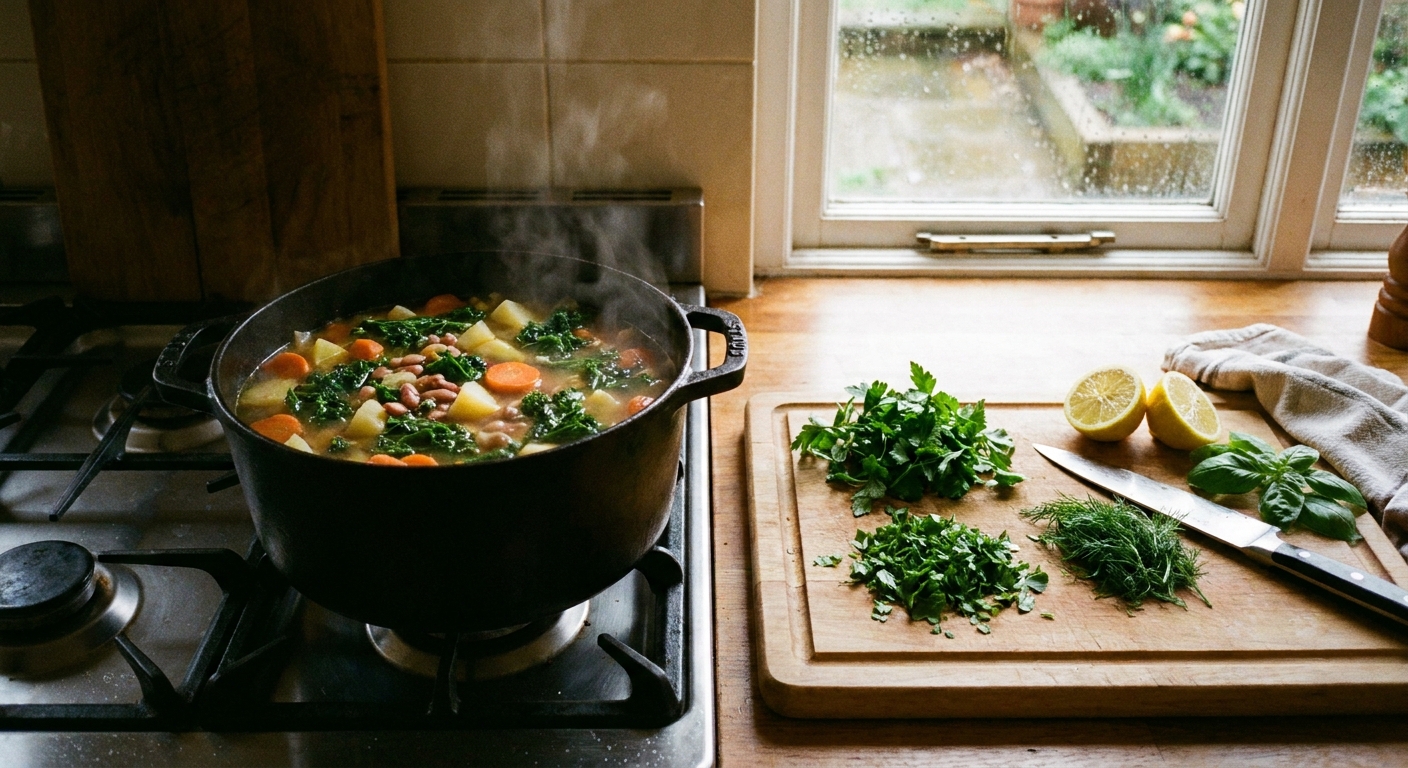
A simple sodium budget
If you like having a practical target without obsessing over every label, try this flexible “budget” approach.
If your limit is 2,300 mg/day
- Breakfast: ~400 to 600 mg
- Lunch: ~600 to 800 mg
- Dinner: ~800 to 1,000 mg
- Snacks and wiggle room: ~200 to 400 mg
This leaves space for real life. Like the fact that you might want olives in your salad sometimes. Or you end up at a school event eating whatever is available.
One thing that helps: remember that sodium on labels is per serving, and plenty of packaged foods contain 2 or more servings in one container.
If you are aiming closer to 1,500 mg/day
- Breakfast: ~250 to 350 mg
- Lunch: ~400 to 500 mg
- Dinner: ~500 to 600 mg
- Snacks and wiggle room: ~100 to 200 mg
This tighter budget is absolutely doable, but it usually requires more intentional grocery choices (low-sodium broth, no-salt-added canned goods, fewer deli meals, and more cooking from basic ingredients).
Yes, you can use the salt shaker
I like to give people permission to season their food. When meals taste good, you are more likely to cook at home and eat balanced plates. The trick is to be intentional.
Here’s a simple method:
- Cook with lower-sodium building blocks when possible (low-sodium broth, no-salt-added beans, reduced-sodium sauces).
- Finish with a measured pinch at the table if the meal needs it.
What is a “measured pinch?” For most adults, a pinch of table salt is often estimated around 1/16 teaspoon, or roughly 140 to 150 mg sodium. The important part is that pinches vary by hand size and salt type, so treat it as a learning tool, not a lab value.
Try this: set out a 1/4 teaspoon measuring spoon for a week and use it to learn what your “pinch” looks like. You will get better at seasoning without overshooting your budget.
Platepathy mindset shift: If you lower sodium in the background (packaged staples), you can keep flavor in the foreground (a little salt, herbs, acid, aromatics) and meals feel satisfying instead of punishing.
Lower-sodium meals without bland food
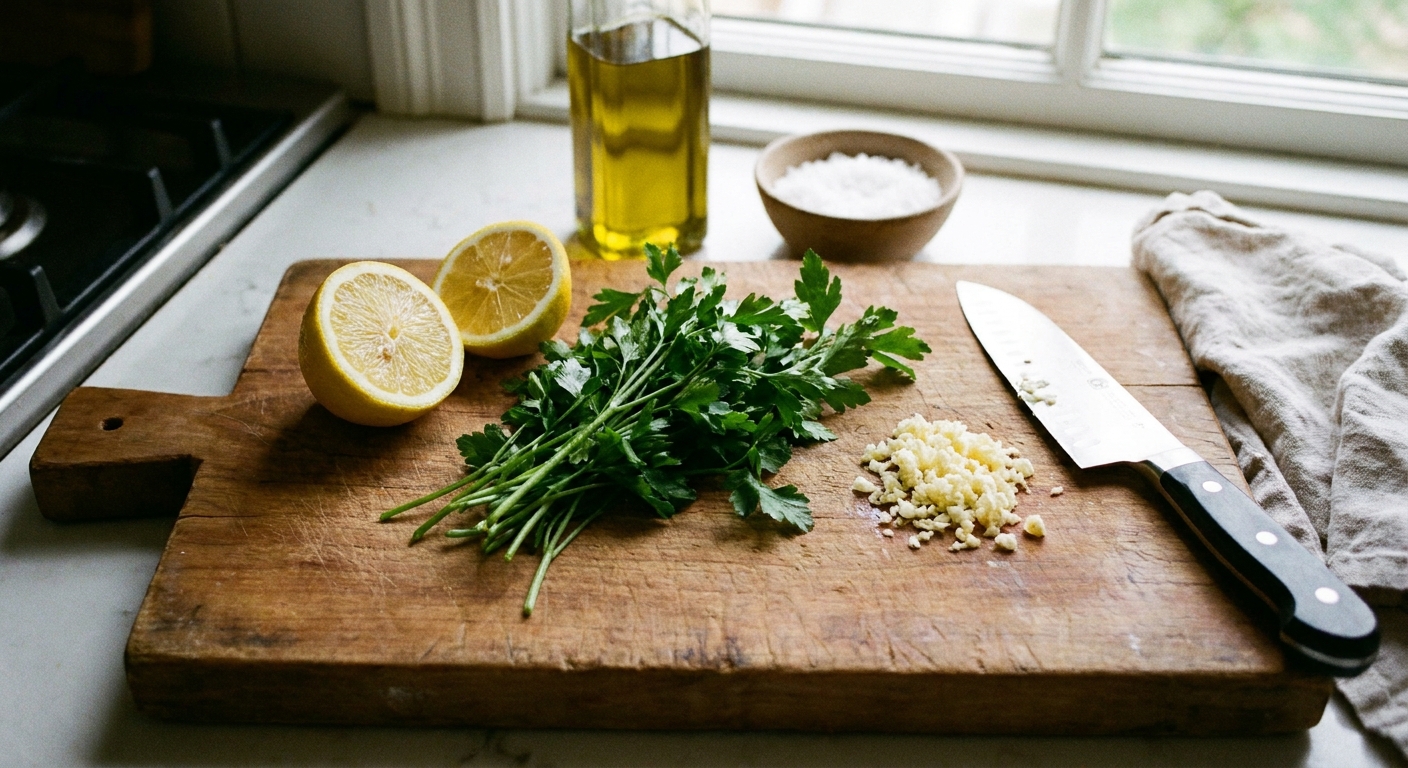
Sodium is one flavor tool. You can lean on others to make meals pop:
- Acid: lemon, lime, vinegar, pickled onions (check sodium), tomatoes
- Aromatics: garlic, onion, scallions, ginger
- Herbs: basil, cilantro, parsley, dill
- Spices: smoked paprika, cumin, curry powder, chili flakes
- Texture: toasted nuts (unsalted), crunchy veggies, crispy chickpeas (seasoned lightly)
- Umami without going overboard: mushrooms, caramelized onions, a small amount of parmesan
FAQ
Is sodium the same thing as salt?
Not exactly. Salt is sodium chloride. Sodium is one part of salt. Nutrition labels list sodium (mg), not salt (teaspoons). That is why understanding mg on labels is so helpful.
What if I eat very little sodium?
Sodium is essential for fluid balance and nerve and muscle function. Most people in the U.S. get more than enough because sodium is abundant in packaged and restaurant foods. If you are restricting sodium aggressively, do it with medical guidance, especially if you take diuretics or have health conditions that affect fluid balance.
Does sea salt have less sodium than table salt?
Usually, no. Sea salt, kosher salt, Himalayan salt, and table salt are all mostly sodium chloride, so they provide similar sodium by weight. The main difference is crystal size and density, which changes how much fits in a teaspoon.
How do I tell if a food is high sodium?
A quick label check that works for many people: 20% Daily Value (DV) or more per serving is considered high. Around 5% DV or less is low. Also check the serving size. It is easy to eat two servings of something like soup or sauce.
What is the easiest change that makes a big difference?
If I had to pick just one: switch to low-sodium broth and no-salt-added canned beans when possible. Those two swaps can save hundreds of mg per meal without changing how you cook.
The takeaway
For most adults, 2,300 mg of sodium per day is the upper limit, and 1,500 mg is a lower target that can be beneficial for many people when recommended. The real trick is recognizing that sodium is often hiding in everyday staples long before you get to dinner.
Start by choosing one or two lower-sodium swaps, then give yourself permission to use a measured pinch of salt at the table so your meals still feel like meals. Consistency beats perfection, especially on a Tuesday.