Make high-protein eating easy for a full week. This beginner meal prep guide includes simple recipes, mix-and-match meals, a streamlined shopping list, and f...
Platepathy
How Much Protein Do You Need a Day?
Find your daily protein target based on body weight and activity, then learn simple ways to hit it with normal foods across meals and snacks without obsessive tracking.

Elena Rossi
Elena Rossi writes Platepathy's meal planning guides, translating nutrition research into approachable, delicious meal plans for real, busy lives.
Published November 13, 2026
When I was a project manager in my twenties, I ate like my calendar. Fast, random, and usually from a takeout container at my desk. Protein was either something I forgot about entirely or something I chased in extremes thanks to whatever diet was popular that month. Neither helped. I was still tired, still hungry, and still stressed about food.
Now, as a dietetics-trained meal planner and a mom who is trying to get dinner on the table by 6 PM, I like a calmer approach: pick a realistic daily protein target, then build a few repeatable meal patterns that get you there without turning your life into a tracking app.
What protein does day to day
Protein is not just for bodybuilders. It is a building block for muscles, skin, enzymes, and hormones. In normal-life terms, getting enough protein tends to support:
- Steadier fullness after meals
- Muscle maintenance as we age, especially after 30 and during weight loss
- Recovery from workouts and busy days on your feet
- Better meal balance when it nudges you toward satisfying plates (not just carbs or just salad)
You do not need perfection. You need “enough, consistently.”
The baseline: protein by body weight
The most widely used minimum recommendation for generally healthy adults is 0.8 grams of protein per kilogram of body weight per day. This is the classic RDA-style baseline used in many national guidelines. It is designed to meet the needs of most healthy adults, not necessarily to optimize satiety, strength, or body composition for every lifestyle.
For many adults, a more practical, commonly used day-to-day range in sports nutrition and weight-management settings is:
- 0.8 g/kg: minimum baseline
- 1.2 to 1.6 g/kg: often helpful for active people, people trying to lose fat while keeping muscle, and many adults who want better fullness
- Up to 2.2 g/kg: a high-end range sometimes used in physique or intense training phases. This is not a formal safety limit, just a practice range that is typically used with context and support.
If you prefer pounds, here is the quick conversion:
- Minimum baseline: about 0.36 g per pound
- Common “sweet spot” range: about 0.55 to 0.73 g per pound
Pick your target fast
Choose the description that fits most days. Pick a range, not a single perfect number:
- Mostly sedentary (desk job, little intentional exercise): aim for 0.8 to 1.0 g/kg
- Somewhat active (walks, workouts 2 to 4 times/week): aim for 1.2 to 1.4 g/kg
- Very active (hard training 4 to 6+ times/week, physical job): aim for 1.4 to 1.6 g/kg
If you are in a fat-loss phase, are over 40, or you notice you are always snacky at night, I typically start closer to 1.2 to 1.6 g/kg and see how it feels.
Protein targets: real-number examples
Here are examples using body weight. (If you know your weight in pounds, divide by 2.2 to get kilograms.)
| Body weight | Minimum (0.8 g/kg) | Common active range (1.2 to 1.6 g/kg) |
|---|---|---|
| 55 kg (121 lb) | 44 g/day | 66 to 88 g/day |
| 68 kg (150 lb) | 54 g/day | 82 to 109 g/day |
| 82 kg (181 lb) | 66 g/day | 98 to 131 g/day |
| 95 kg (209 lb) | 76 g/day | 114 to 152 g/day |
Platepathy note (my realistic rule): you do not have to hit an exact number every day. If your target is 100 g, living between 90 and 110 g most days is doing the job.
Higher body weight: what to do
This is where protein advice online can get confusing fast.
Protein needs are tied to body size, but they are also closely related to lean mass (muscle and other fat-free tissue). If you are in a larger body, calculating protein from total body weight can sometimes overshoot what is necessary or comfortable.
A simple, non-obsessive option is to calculate using a goal weight or reference weight that feels realistic for you, then choose 1.2 to 1.6 g/kg from there. Another option is to aim for a protein-per-meal pattern (more on that below) and let the daily total land where it lands.
If you have kidney disease or reduced kidney function, have been told to limit protein, or you have diabetes or uncontrolled high blood pressure and you do not know your kidney status, get individualized guidance from your clinician or a registered dietitian. For generally healthy adults, higher-protein patterns are widely used and are generally considered safe, but pre-existing conditions change the conversation.
The easiest way: a protein rhythm
If tracking makes you spiral, you are not alone. I am a numbers-capable person, and I still prefer a routine.
For outcomes like satiety and supporting muscle (especially with strength training), many people find protein works best when it is spread across the day instead of saved for one giant dinner.
A practical rhythm looks like:
- Breakfast: 20 to 35 g
- Lunch: 25 to 40 g
- Dinner: 25 to 40 g
- Snack (optional): 10 to 20 g
That pattern easily lands you around 80 to 135 g without any complicated math.
Quick protein portions
Instead of counting grams all day, keep a few anchors in your head. These are typical amounts (brands and serving sizes vary):
- Chicken, turkey, lean beef, pork: 3 to 4 oz cooked is often 25 to 35 g
- Fish: 4 oz cooked is often 25 to 30 g
- Eggs: 2 large eggs are about 12 g
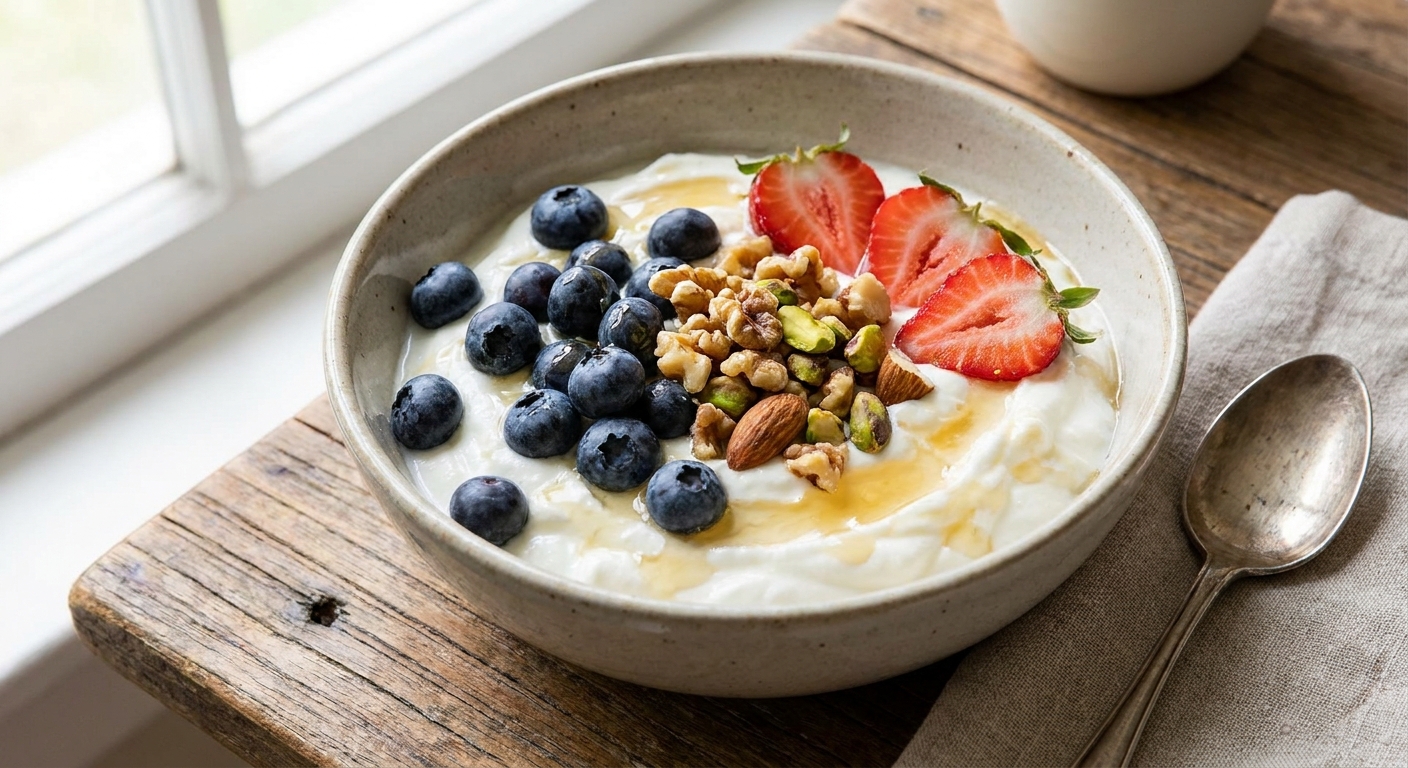
- Greek yogurt: 1 cup is often 17 to 25 g
- Cottage cheese: 1 cup is often 24 to 28 g
- Milk or soy milk: 1 cup is about 8 g (soy is often similar)
- Tofu: 1/2 block (about 7 oz) is often 20 g+
- Tempeh: 3 oz is often 15 to 17 g
- Seitan: 3 oz is often 18 to 25 g (varies by brand)
- Lentils: 1 cup cooked is about 18 g
- Beans: 1 cup cooked is often 14 to 16 g
- Edamame: 1 cup is about 17 g
- Peanut butter: 2 Tbsp is about 7 to 8 g
For plant-forward meals, you can absolutely meet your needs. It is usually just a protein density thing, meaning portions may need to be a bit bigger or you may want to pair proteins (tofu plus edamame, lentils plus a sprinkle of cheese, beans plus Greek yogurt) to reach the same totals comfortably.
Meal formulas that add up
Breakfast without the protein bar vibe
- Greek yogurt bowl: 1 cup Greek yogurt + fruit + nuts or seeds
- Eggs plus: 2 eggs + 1 to 2 egg whites + toast + avocado
- Overnight oats upgrade: oats made with milk or soy milk + stirred-in Greek yogurt
- Smoothie that actually satisfies: milk or soy milk + Greek yogurt + frozen fruit + nut butter
Lunch that does not collapse into snack plates
- Big salad, real protein: greens + chopped veggies + 4 oz chicken or chickpeas + feta
- Leftovers on purpose: dinner protein doubled so lunch is already handled
- Sandwich with a protein core: turkey or tuna, or mashed chickpea salad, plus a side of yogurt
- Soup and a side: lentil soup plus a grilled cheese or cottage cheese cup
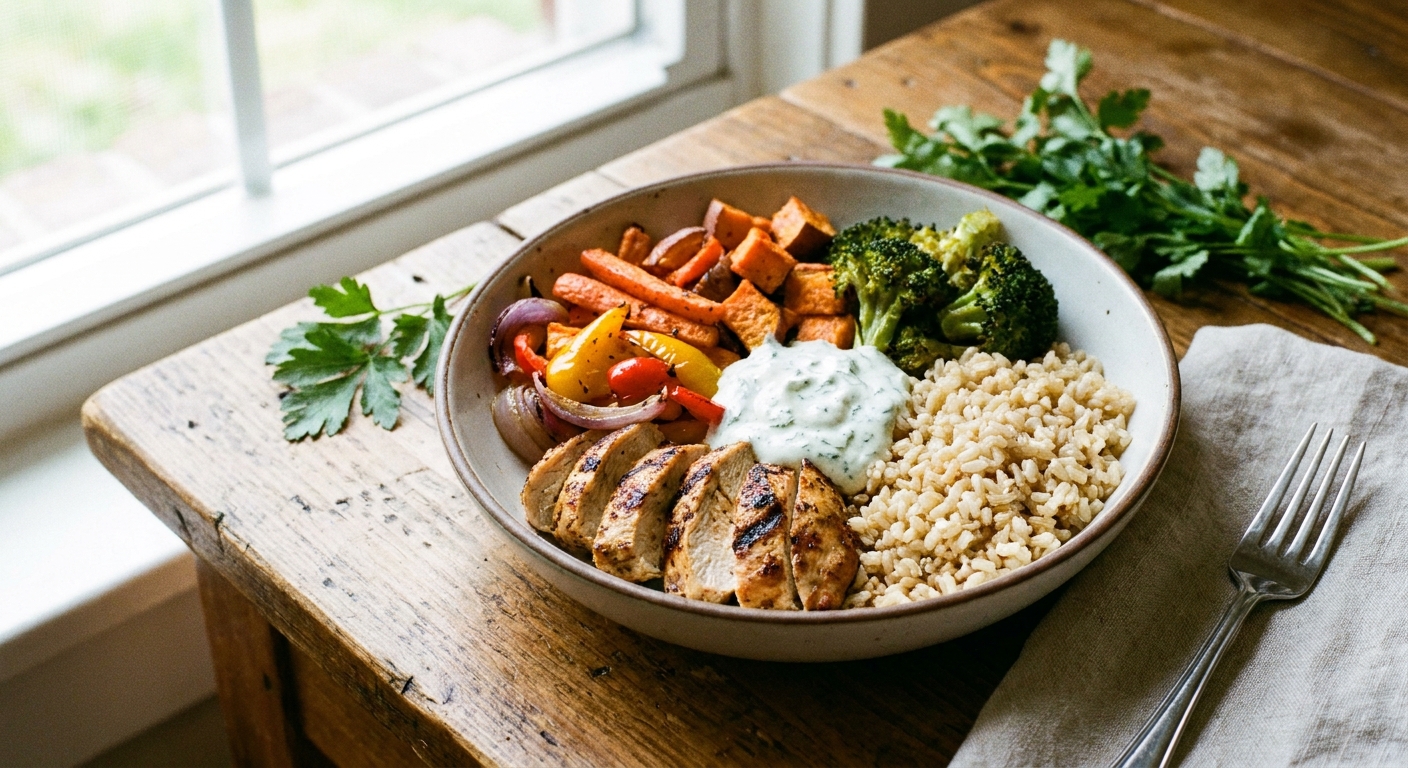
Dinner: the Platepathy no-drama plate
If you are staring into the fridge at 5:42 PM, aim for this:
- 1 palm or two of protein (depending on your needs)
- 1 to 2 fists of produce (fresh, frozen, or roasted)
- 1 cupped hand of carbs (rice, potatoes, pasta, bread, corn)
- 1 thumb of fat (olive oil, pesto, nuts, avocado)
Repeatable dinners are not boring, they are peaceful.
Protein snacks that feel like food
Snacks are optional. If you like them, they can be the difference between “I am fine” and “I am eating tortilla chips over the sink.” A few easy options:
- Cottage cheese with sliced peaches or tomatoes
- Greek yogurt with cinnamon and a drizzle of honey
- Edamame with salt and chili flakes
- Turkey and cheese roll-ups
- Roasted chickpeas plus a latte made with milk or soy milk
- Hummus with pita and a hard-boiled egg
Make protein easier
Use protein prep, not full meal prep
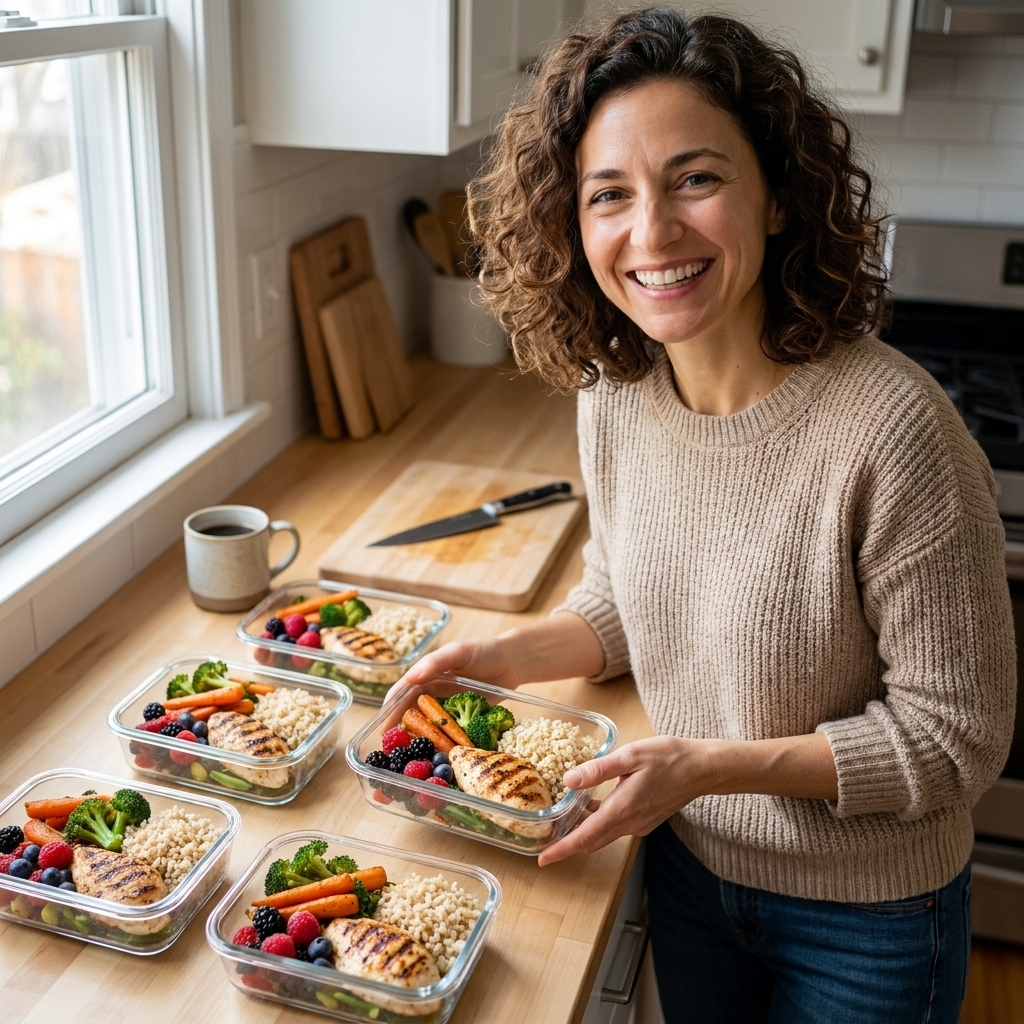
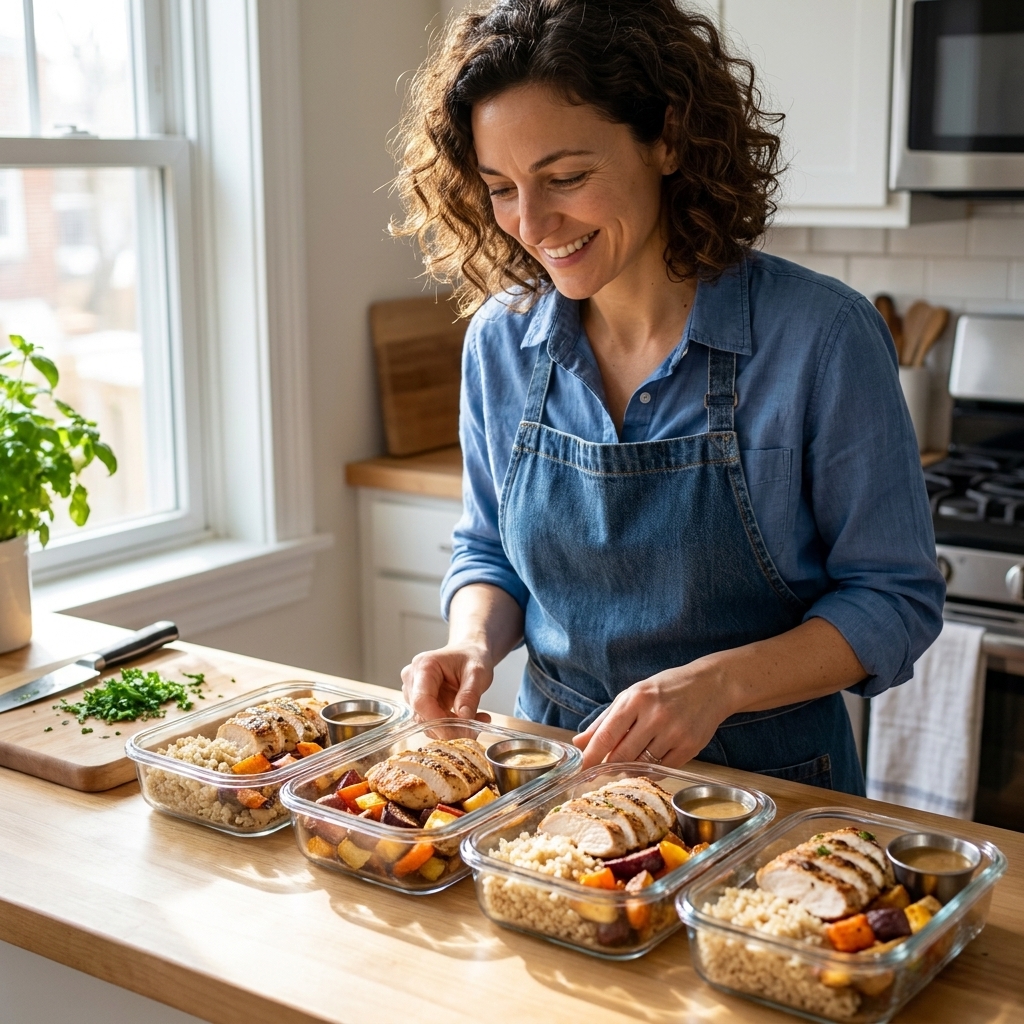
On Sundays, I batch-cook one or two proteins, not five complete meals. Examples:
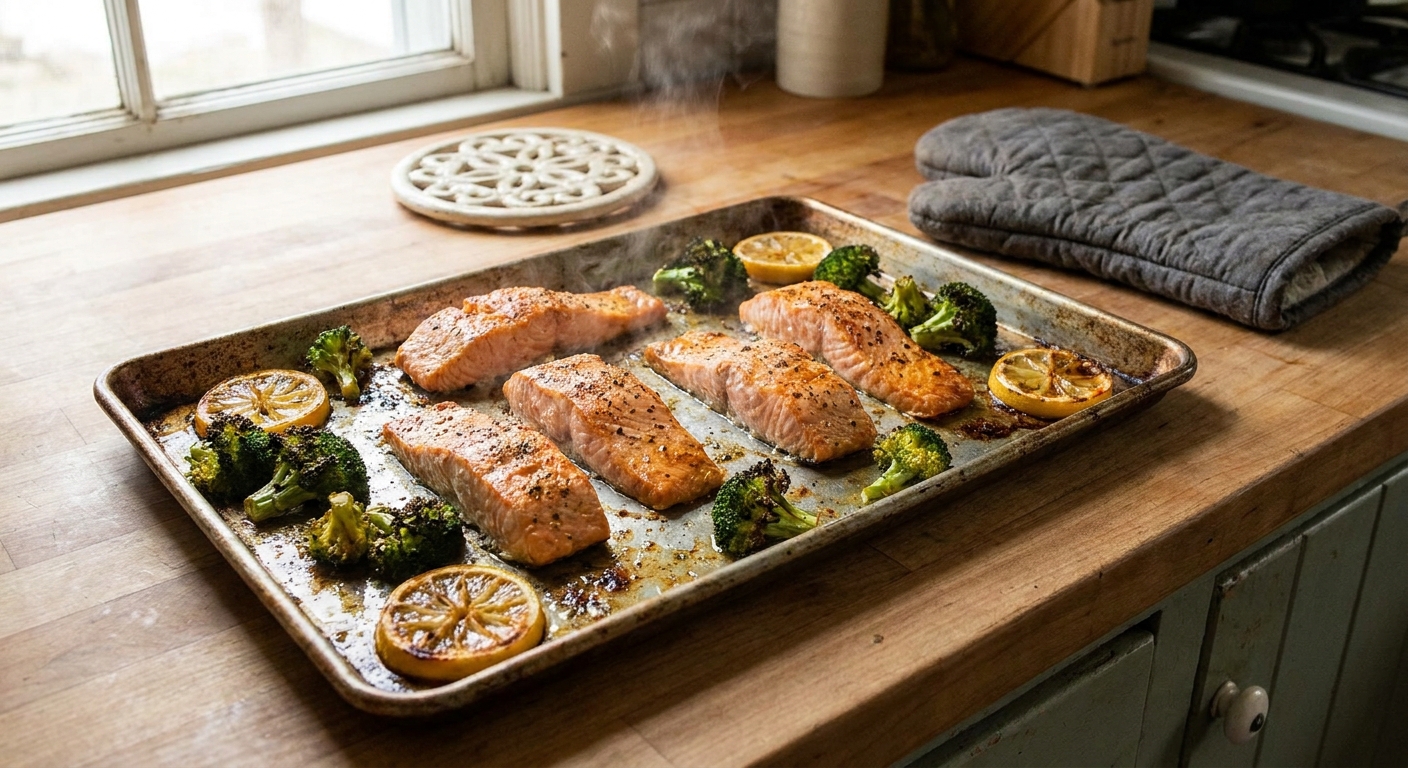
- A sheet pan of chicken thighs
- A pot of lentils
- Hard-boiled eggs
- Marinated tofu baked until crisp
Then mix and match all week with salads, wraps, grain bowls, pasta, or stir-fries.
Keep two high-protein staples visible
My fridge always has some combination of Greek yogurt, cottage cheese, eggs, tofu, or a cooked protein. When it is right in front of you, it becomes the default.
Level up one meal first
If you are currently getting most of your protein at dinner, start with breakfast. A higher-protein breakfast often reduces the constant grazing feeling later.
Do not forget fiber and fluids
When people bump up protein without also keeping produce, beans, and whole grains in the picture, constipation can sneak in. Your best move is simple: keep protein, and keep the plants. Drink enough fluids for your normal needs, too.
Signs you might need more
No single symptom proves low protein, but these are common clues that your meals may be protein-light:
- You are hungry again within 60 to 90 minutes of eating
- You feel like you cannot stop snacking in the afternoon or evening
- You struggle to recover from workouts or feel unusually sore
- You are losing weight and also feeling weaker or “softer” (a sign muscle may be dropping too)
Quick reality check: those can also happen with too little overall food, low fiber, poor sleep, high stress, or meals that are mostly quick carbs.
Before you blame willpower, try adding 10 to 20 grams of protein to the meal where you feel least satisfied and see what changes.
Example day: about 100 grams
If you want to see what the “protein rhythm” looks like in real life, here is one day that lands around 100 grams without fancy products:
- Breakfast (about 30 g): 1 cup Greek yogurt + berries + chopped nuts
- Lunch (about 30 g): big salad with 4 oz chicken (or tofu) + veggies + olive oil dressing
- Snack (about 15 g): 3/4 cup cottage cheese with tomatoes, or edamame
- Dinner (about 30 g): salmon or chicken + roasted broccoli + rice or potatoes
Swap the proteins and carbs as needed. The pattern is the magic, not the exact foods.
FAQ
Is 100 grams of protein a day too much?
For many adults, 100 g/day is a very normal, helpful target, especially if you are active. Whether it is right for you depends on your body size and needs. A 150 lb (68 kg) adult aiming for 1.2 to 1.6 g/kg lands around 82 to 109 g/day, so 100 g fits neatly in that range.
Do I need protein right after a workout?
If you ate a protein-containing meal within a few hours of training, you are likely covered. If workouts leave you ravenous later, a simple post-workout snack with 15 to 25 g protein can help with recovery and appetite.
Can I meet my protein needs without meat?
Yes. It is typically easier when you plan for it by using higher-protein plant foods (tofu, tempeh, edamame, lentils, seitan) and protein-rich dairy or fortified soy options if you eat them. Plant-based days often benefit from adding an extra protein booster like edamame, Greek yogurt, cottage cheese, or a second legume.
Should I count grams exactly?
Not unless it helps you. Most people can get excellent results by using a daily target range and a protein-at-each-meal routine. Consistency beats precision.
Do protein needs change with age or life stage?
They can. Older adults often benefit from prioritizing protein to support muscle, and pregnancy, postpartum, and breastfeeding also shift nutrition needs. Teens and kids have their own targets. If that is you, consider using this article as a starting point and getting individualized guidance from your clinician or a registered dietitian.
Your Platepathy takeaway
If you want the simplest, most sustainable plan:
- Pick a daily target based on body weight and activity, often 1.2 to 1.6 g/kg for active adults.
- Spread it across the day by building 3 protein-centered meals (plus an optional snack).
- Use normal foods you actually enjoy and can repeat on busy weeks.
Protein should feel like support, not homework. If you tell me your approximate weight, activity level, and whether you prefer animal proteins, plant proteins, or a mix, I can suggest a realistic target and a day of meals that hits it in a very Platepathy way.