A realistic guide to choosing fresh vs. frozen vegetables based on nutrients, cost, waste, and how you actually cook during a busy week. Includes a simple ca...
Platepathy
Organic vs. Conventional Produce: What’s Worth It
Trying to meal prep on a budget? Here’s what “organic” really changes, which produce often has higher pesticide residues, and a simple rule to prioritize organic buys each week.

Elena Rossi
Elena Rossi writes Platepathy's meal planning guides, translating nutrition research into approachable, delicious meal plans for real, busy lives.
Published November 13, 2026
I remember standing in the produce aisle in my twenties, exhausted after another long project-management day, staring at two identical-looking strawberries. One was organic and cost enough to make me mutter out loud. The other fit my budget, but I had that nagging feeling that I was choosing the “worse” option.
Now, as a dietitian and a working mom who batch-cooks on Sundays (often with a kid tugging on my sleeve), I see this choice differently. Organic versus conventional is not a moral test and it is not all-or-nothing. It is a weekly strategy question: where does paying more actually move the needle for your family’s health, and where does it mostly drain the grocery budget you need for protein, whole grains, and the rest of dinner?
What “organic” means (and what it doesn’t)
In the U.S., “USDA Organic” is a regulated label. For produce, it generally means:
- GMOs are prohibited under USDA Organic standards.
- Most synthetic pesticides and fertilizers are prohibited, with limited exceptions allowed on the National List.
- Soil and farming practice standards that emphasize soil health and ecological balance.
What it does not mean:
- Pesticide-free. Organic farming can use certain pesticides (often naturally derived), and residues can still be present.
- Automatically more nutritious. Nutrient content varies more with ripeness, variety, storage, and how long ago it was harvested than with the organic label alone.
- Guaranteed “better” for everyone. The best produce is the produce you can afford and will actually eat, cook, and enjoy.
Nutrition: is organic more nutrient-dense?
Most research finds that organic and conventional produce are nutritionally similar in the ways that matter most for everyday health: fiber, vitamins, minerals, and the big protective pattern of eating more plants.
Some studies show slightly higher levels of certain antioxidants or polyphenols in some organic crops, but the differences are usually modest, and they do not outweigh the basics like eating enough fruits and vegetables in the first place.
For weekly meal prep, the biggest nutrition lever is usually this:
- How much produce you buy (and actually use before it spoils)
- How you prepare it (roasted vegetables and fruit-forward breakfasts beat “I meant to eat a salad”)
- How consistent you are week to week
If going all-organic forces you to buy less produce overall, that is usually a nutrition step backward. My rule as a dietitian: more plants, less pressure.
Pesticides: why people choose organic
For most shoppers, the most meaningful difference between organic and conventional produce is usually pesticide type and residue patterns.
Here’s the practical, not-scary version:
- Conventional produce may have residues from approved synthetic pesticides. Residues are monitored and have legal limits designed to be safe.
- Organic produce tends to show lower frequency and lower levels of synthetic pesticide residues, though it can still have residues from permitted organic pesticides or from environmental drift.
So why do some families still prioritize organic? Common reasons include:
- Reducing exposure to certain pesticide residues over time, especially for kids and during pregnancy
- Supporting farming practices that emphasize soil health and biodiversity
- Personal preference for flavor or peace of mind
My take as a dietitian: if you want to reduce pesticide residues on a budget, you do not need to buy everything organic. You need to be selective.
Meal prep: what is most worth organic
When I’m planning a week of breakfasts, lunches, and sheet-pan dinners, I prioritize organic for produce that checks one or more of these boxes:
- Thin skin or edible peel (harder to wash off residues completely, and you eat the outer layer)
- Grows close to the ground (more contact with soil and splash)
- Often eaten raw (no cooking step that might reduce some surface residues)
- My kids eat a lot of it (repeat exposure adds up)
Often worth the premium (if you buy it often)
These are common “higher priority” choices for many households because they are frequently eaten raw and often show up with higher residue findings in residue-monitoring data (it varies by year and by sample):
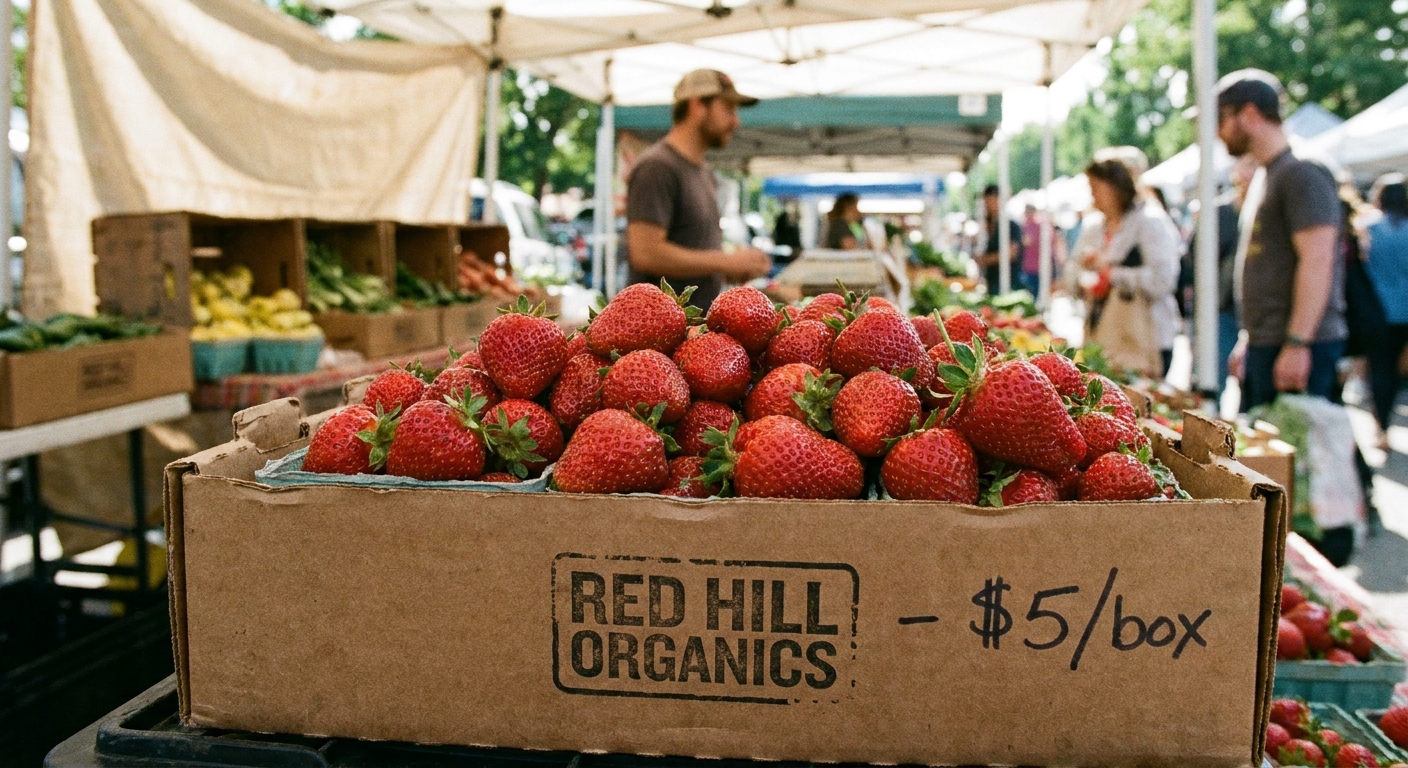
- Strawberries (also freeze beautifully for meal prep smoothies)
- Spinach and leafy greens (think: salads, smoothies, quick sautés)
- Apples (kid lunchbox staple)
- Grapes
- Peaches and nectarines
- Pears
- Bell peppers
- Cherries
- Blueberries
If you are only going to upgrade a few items for the week, I would start with berries and leafy greens because they show up in meal prep constantly: yogurt bowls, overnight oats, smoothies, salads, wraps, and dinner sides.
What is usually fine conventional
For budget-focused meal prep, I’m very comfortable going conventional on produce with a protective peel or thicker skin that you usually discard. These also tend to show lower residues in monitoring data.
Often a “save your money” category
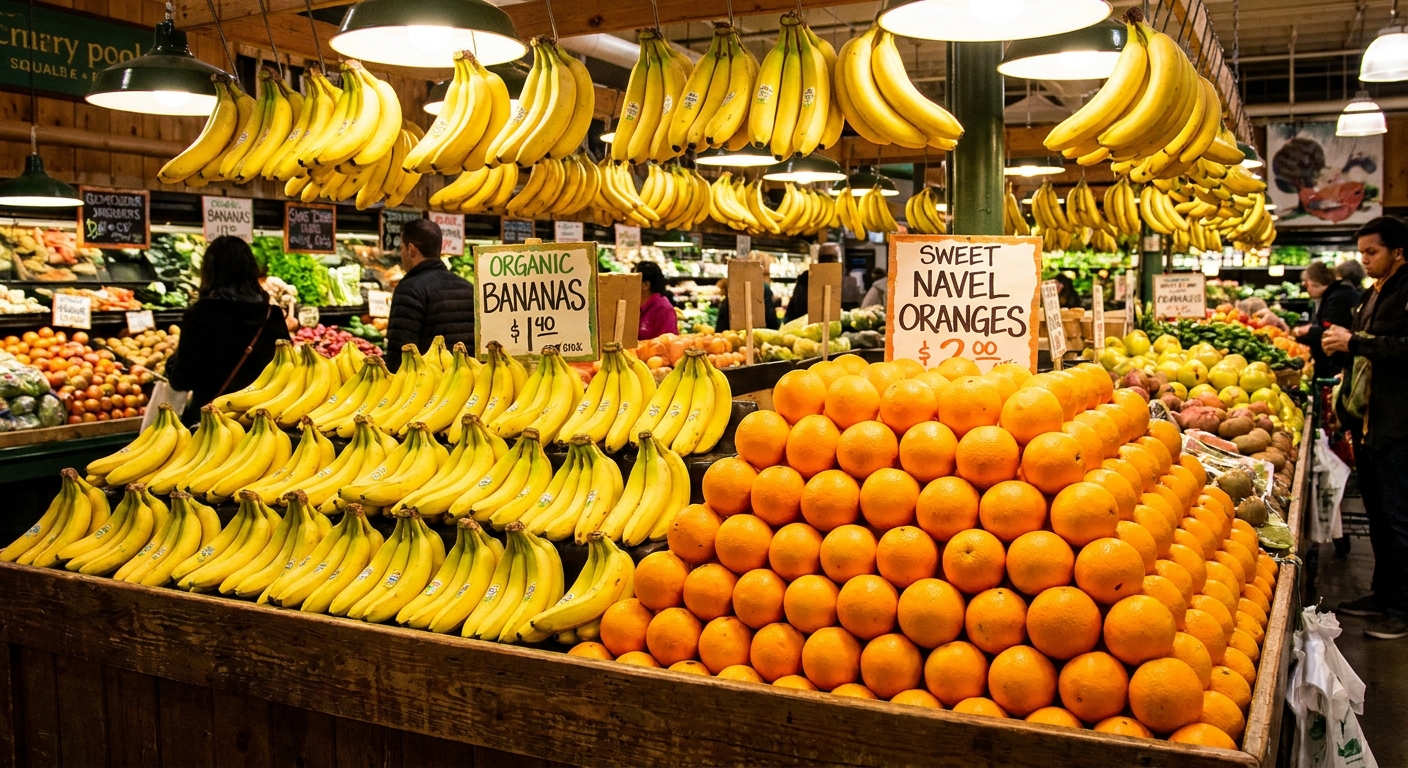
- Bananas
- Oranges, mandarins, grapefruit
- Avocados
- Pineapple
- Mango
- Onions
- Garlic
- Cabbage
- Sweet potatoes
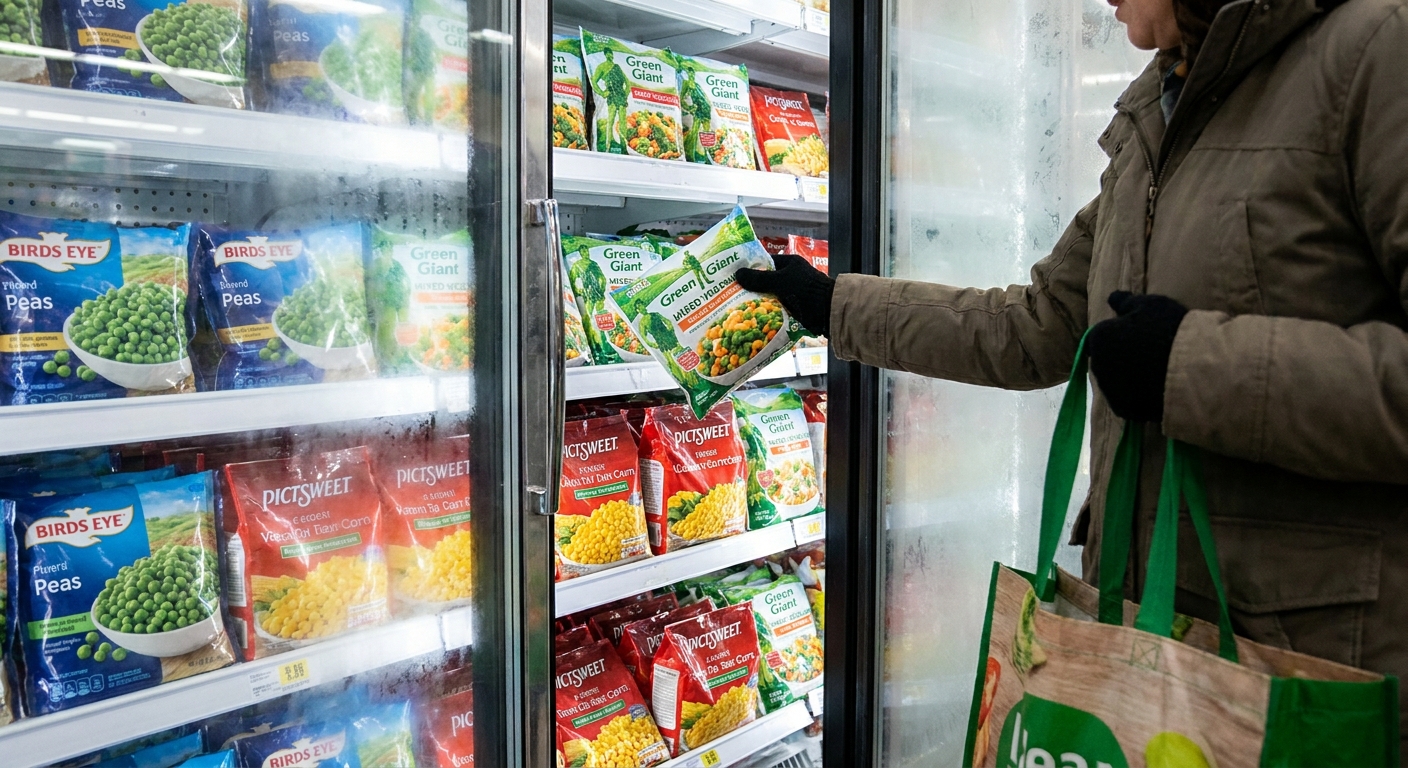
Also, for meal prep specifically, I often choose frozen fruits and vegetables (organic or conventional) when the price is better. Frozen produce is typically picked ripe and frozen quickly, and it can reduce food waste, which is a sneaky budget win.
About “dirty” and “clean” lists
You have probably seen list-style guidance online that ranks produce by pesticide residues. I think these lists can be a helpful starting point, as long as you use them with empathy and common sense.
Two important caveats:
- They do not measure risk perfectly. A residue detection does not automatically mean a food is unsafe. The dose and the specific pesticide matter, and regulators set tolerance limits with safety margins.
- They can accidentally shame people out of buying produce. If a list makes you feel like conventional strawberries are “not worth it,” but strawberries are the only fruit your toddler reliably eats, buy the strawberries.
Use rankings as a budgeting tool, not a fear tool.
Lower residues no matter what you buy
If you are doing weekly meal prep, you are already set up for success here because you are washing and prepping in a batch.
My realistic wash routine
- Wash hands first and clean your sink or a large bowl.
- Rinse produce under running water and rub gently with your hands. This helps remove dirt, microbes, and some surface residues.
- Use a produce brush for firm items like cucumbers, potatoes, and apples.
- Dry with a clean towel to remove additional surface residue and help produce keep longer.
Skip washing produce with soap, bleach, or household detergents. Those are not meant for food and can leave their own residues behind.
For leafy greens: if they are not pre-washed, I swish them in a big bowl of cold water, lift them out (so grit stays behind), then rinse and spin dry.
Budget meal prep math
When your budget is limited, every “upgrade” should protect the whole plan.
Here’s how I think about it at the store:
- If organic forces you to buy less produce, choose conventional and buy enough to actually hit your meal-prep targets.
- If organic forces you to skip protein (beans, eggs, chicken, tofu, fish), choose conventional produce and keep the protein. Balanced meals keep you full and make meal prep feel worth it.
- If an item spoils faster and you end up tossing it, consider frozen, or consider paying more for the version that lasts longer in your kitchen.
Sometimes the “worth it” upgrade is not organic. It is pre-washed greens that actually make it into lunches, or frozen berries that prevent the sad compost-bin berry situation by Thursday.
One quick note before we go further: this article focuses on produce. Organic decisions around meat, dairy, and eggs can involve a different set of tradeoffs (like feed rules and certain animal-health restrictions), and they deserve their own conversation.
A rule to reuse every trip
If you only remember one thing, make it this:
Go organic for thin-skinned, often-eaten raw produce (especially berries and leafy greens). Go conventional for thick-peel produce. Then buy the amount you will actually eat.
In practice, that might look like:
- Organic strawberries + organic spinach
- Conventional bananas + conventional avocados
- Frozen vegetables (organic or conventional) to round out dinners
That approach keeps your grocery bill steady while still letting you be intentional where it counts.
Quick FAQ
Is organic produce safer?
Organic produce generally has lower synthetic pesticide residues. Conventional produce is monitored and typically meets regulatory safety limits. If “safer” means “lowest residues,” organic often wins. If “safer” means “I can afford enough fruits and vegetables to eat them daily,” conventional can be the better choice.
Should I buy organic for kids?
If budget allows, prioritizing organic for berries and leafy greens is a reasonable strategy because kids often eat these frequently and in smaller body sizes. If budget does not allow, keep buying produce. The long-term health win is kids eating fruits and vegetables consistently.
Do organic foods taste better?
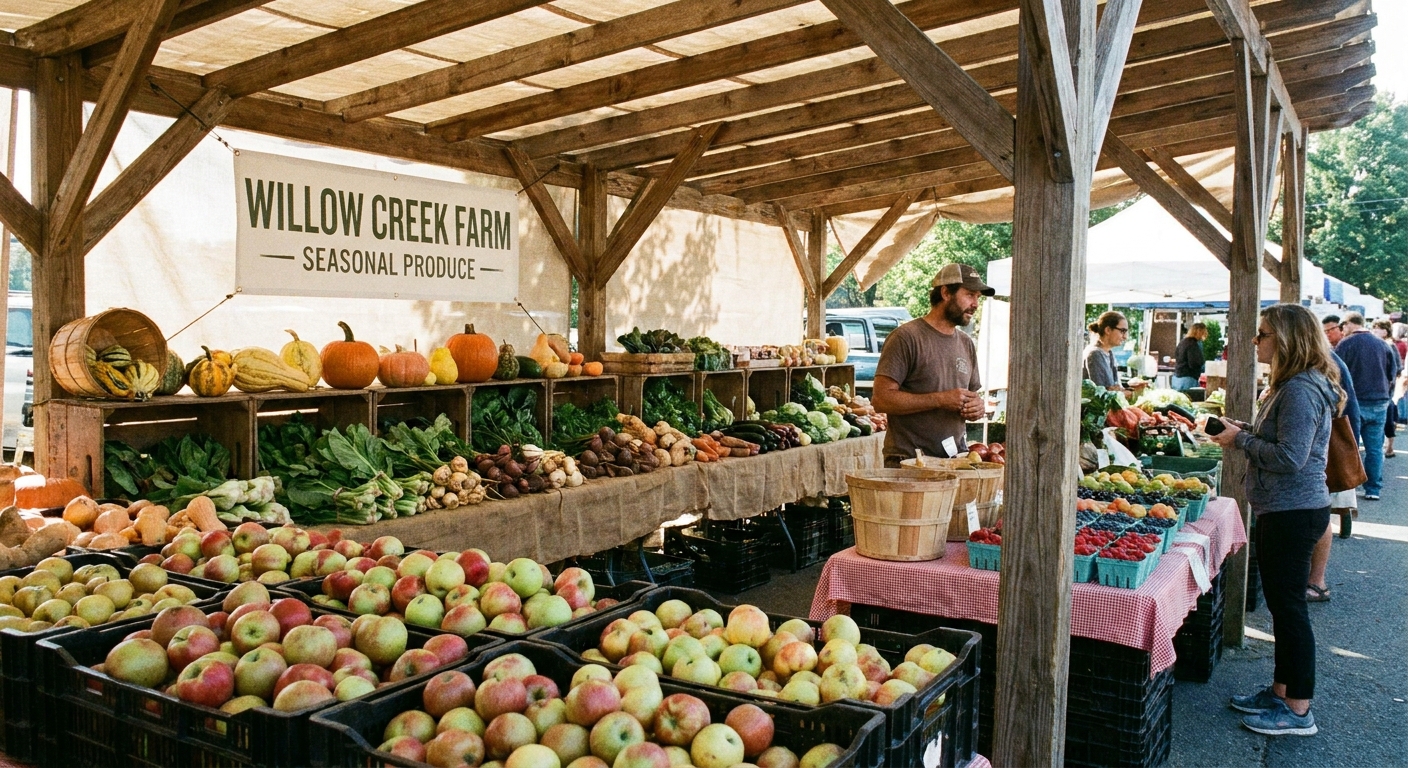
Sometimes. Flavor is more tied to freshness, variety, ripeness, and season than to organic status. Farmers market produce often tastes better because it is fresher, not strictly because it is organic.
For meal prep: does organic last longer?
Not consistently. Shelf life depends on handling, transport time, and how ripe it was at purchase. Drying greens well, storing berries unwashed until use (or washing then drying thoroughly), and using airtight containers often matters more than the label.
Is local the same as organic?
No. Local produce can be organic or conventional. For meal prep, local conventional can be a great middle ground because it is often fresher, which can mean better flavor and less waste.