A no-math, no-stress guide to building balanced meals with half veggies, a quarter protein, and a quarter complex carbs, plus smart fats and flavor.
Platepathy
Nutrition for PCOS: Balanced Eating That Supports Hormones
A practical PCOS nutrition guide focused on balanced macros and whole foods to support steadier blood sugar, hormone health, and sustainable meal planning for busy lives.

Elena Rossi
Elena Rossi is a Registered Dietitian and meal prep expert who believes that healthy eating shouldn't feel like a second job. Through Platepathy, she translates complex nutrition science into approachable, delicious meal plans designed for real, busy lives.
Published October 18, 2026
Last updated October 18, 2026
PCOS can feel like your body is playing by rules no one explained. One week your energy is steady and your cravings are calm. The next, you are ravenous at 3 PM, your skin is flaring, and your cycle feels unpredictable. If you have ever been told to “just lose weight” or “cut carbs,” I want you to know this: food can absolutely support PCOS symptoms, but it should not turn your life into a full-time nutrition spreadsheet.
From a dietitian perspective, the most consistent wins for PCOS tend to come from the least dramatic approach: balancing blood sugar and building meals that support hormones through enough protein, fiber-rich carbohydrates, and healthy fats. This is the Platepathy approach: realistic structure, not rigid rules.
PCOS and food goals
PCOS is a hormonal condition with a wide range of symptoms, and not everyone experiences PCOS the same way. Some people have clear insulin resistance, others do not. Some are primarily navigating irregular cycles or fertility concerns. Others are most affected by acne, unwanted hair growth, or hair thinning. Nutrition cannot “cure” PCOS, but it can meaningfully support the drivers that often make symptoms louder.
Common nutrition-sensitive factors
- Insulin resistance: Many people with PCOS have reduced insulin sensitivity. When insulin runs high, it can influence ovarian hormone production and make cravings and weight changes harder.
- Blood sugar swings: Spikes and crashes can show up as fatigue, irritability, and intense cravings.
- Inflammation: In many studies, PCOS is linked with higher inflammatory markers. An overall anti-inflammatory eating pattern can support cardiometabolic and reproductive health.
- Androgen-related symptoms: Elevated androgens can contribute to acne, unwanted hair growth, and hair thinning. Supporting blood sugar and insulin can be part of the picture here.
So our “PCOS food strategy” is less about cutting out entire food groups and more about making meals that keep glucose steadier, supporting digestion and regularity (think: enough fiber and fluids, not “detoxes”), and lowering overall inflammation.
Gentle reality check: If you have PCOS, you deserve medical care that takes your symptoms seriously. Nutrition can be powerful, but it works best alongside individualized guidance from your clinician, especially if you are trying to conceive, have prediabetes or diabetes, take glucose-lowering medications, or are managing disordered eating.
Macros that help most
If I could teach one PCOS-friendly skill that makes the biggest day-to-day difference, it would be this: build each meal around protein, add high-fiber carbs, then finish with healthy fats. This combo slows digestion, supports satiety, and can reduce post-meal blood sugar spikes.
And yes, you will see some gram ranges below. Consider them optional training wheels. If counting stresses you out, skip it and use the hand guides.
Protein: the steadying anchor
Aim for a meaningful protein portion at breakfast, lunch, and dinner. Many people with PCOS feel noticeably better when breakfast is not carb-only.
- Why it helps: Protein improves fullness and can blunt glucose spikes when eaten with carbs.
- Easy sources: eggs, Greek yogurt, cottage cheese, chicken, turkey, fish, tofu, tempeh, edamame, lentils, beans, lean beef, protein-enriched pasta.
- Practical target: Many adults do well with 25 to 35 grams per meal, but your needs vary based on body size, activity, and appetite. Hand guide: 1 to 2 palm-sized portions per meal.
Carbs: keep them, upgrade them
Carbohydrates are not the enemy in PCOS. The type and pairing matter. Choose carbohydrates that bring fiber, nutrients, and slower digestion.
- Best bets: oats, quinoa, brown rice, farro, barley, sweet potatoes, beans and lentils, fruit, starchy veggies, whole grain bread, higher-fiber tortillas.
- What to watch: liquid sugars and refined carbs eaten alone can spike glucose more easily for many people with insulin resistance. You do not have to ban them, but you might notice your body feels better when they are less frequent and paired with protein and fat.
- Fiber goal: work toward 25 to 35 grams per day gradually, with plenty of fluids.
Fats: hormone-supportive and satisfying
Healthy fats help meals “stick” and support the absorption of fat-soluble vitamins. They also make food taste good, which is not optional if you want sustainability.
- Great choices: olive oil, avocado, nuts, nut butters, seeds (chia, flax, hemp, pumpkin), fatty fish (salmon, sardines), olives.
- Omega-3s matter: Omega-3 fats may support inflammation and triglycerides. Try fatty fish twice per week, or consider discussing a supplement with your clinician if needed.
Foods to prioritize
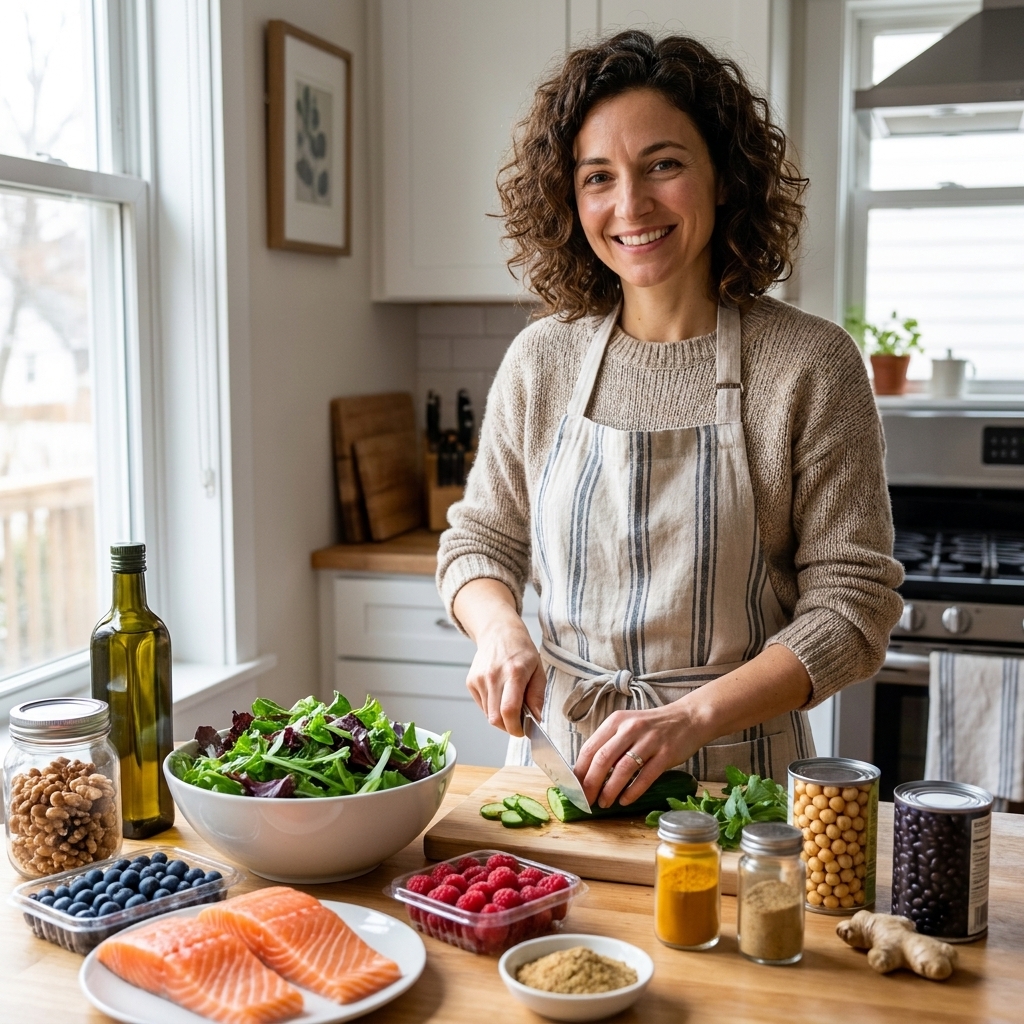
No single ingredient fixes PCOS, but certain foods show up again and again in research-backed patterns that support insulin sensitivity, inflammation, and gut health.
1) Non-starchy vegetables
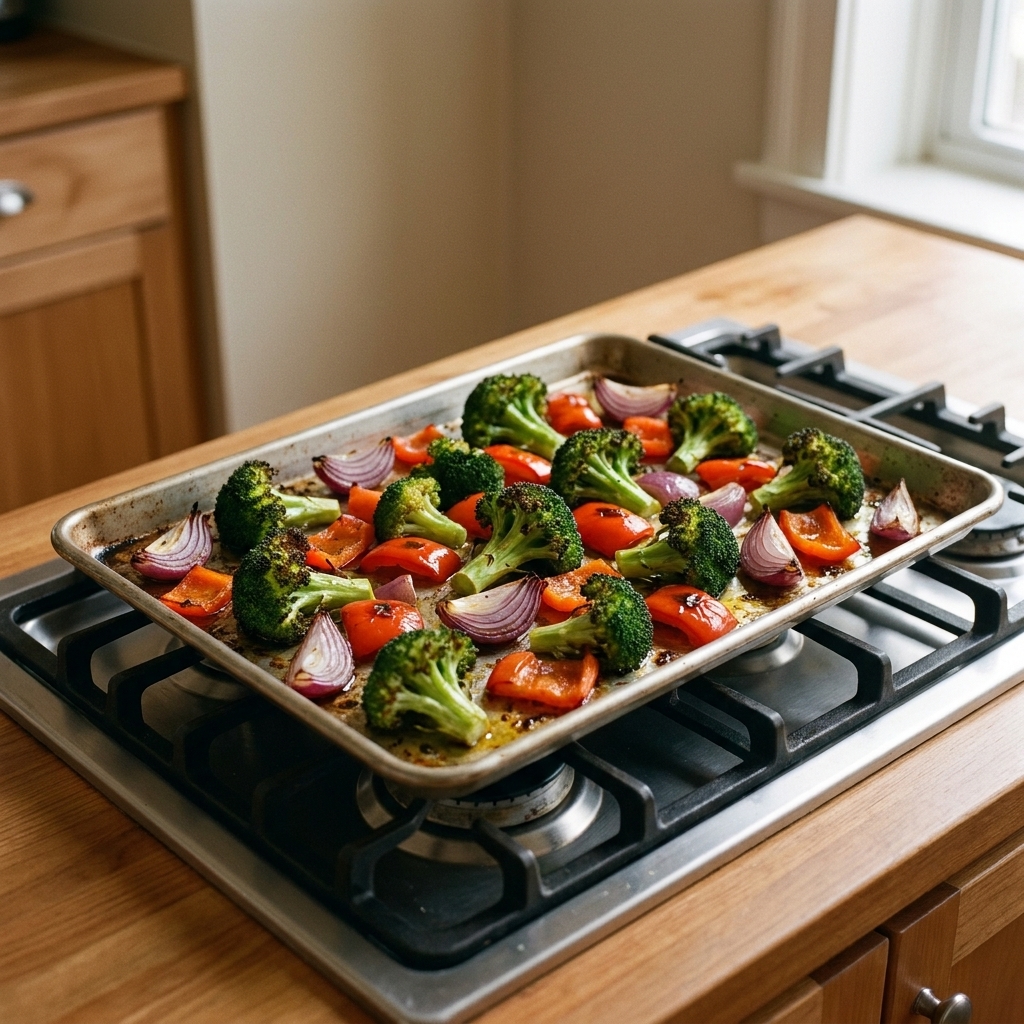
Think leafy greens, broccoli, cauliflower, peppers, mushrooms, zucchini, asparagus, green beans, tomatoes. Roasting a sheet pan of vegetables on Sunday is one of my favorite “future me” gifts.
2) Beans and lentils
Legumes are a PCOS powerhouse because they deliver slow-digesting carbs, resistant starch, and plant protein.
- Add chickpeas to salad kits.
- Use lentils in bolognese or tacos.
- Blend white beans into soups for creaminess without heavy cream.
3) Fruit that is high-fiber and lower glycemic impact
Fruit is absolutely allowed. Berries, citrus, and apples are popular choices because they are fiber-forward and often have a gentler glycemic impact in typical portions. Serving size still matters, and ripeness can change how fruit hits your blood sugar.
If you notice you get hungry quickly after fruit, pair it with protein or fat.
- Try: berries + Greek yogurt, apple + peanut butter, orange + string cheese.
4) Whole grains you actually enjoy
Oats, quinoa, barley, brown rice, buckwheat, and whole wheat pasta bring fiber and minerals that are linked with metabolic function.
5) Nuts and seeds
Walnuts, almonds, chia, flax, and pumpkin seeds add fats, fiber, and minerals. If you want a simple PCOS add-on, try 1 to 2 tablespoons ground flax in oatmeal or yogurt.
6) Fermented foods (if you like them)
Gut health is not a magic switch, but it is a meaningful lever for inflammation and metabolism. If fermented foods agree with you, add one a day a few times per week: yogurt or kefir, kimchi, sauerkraut, miso.
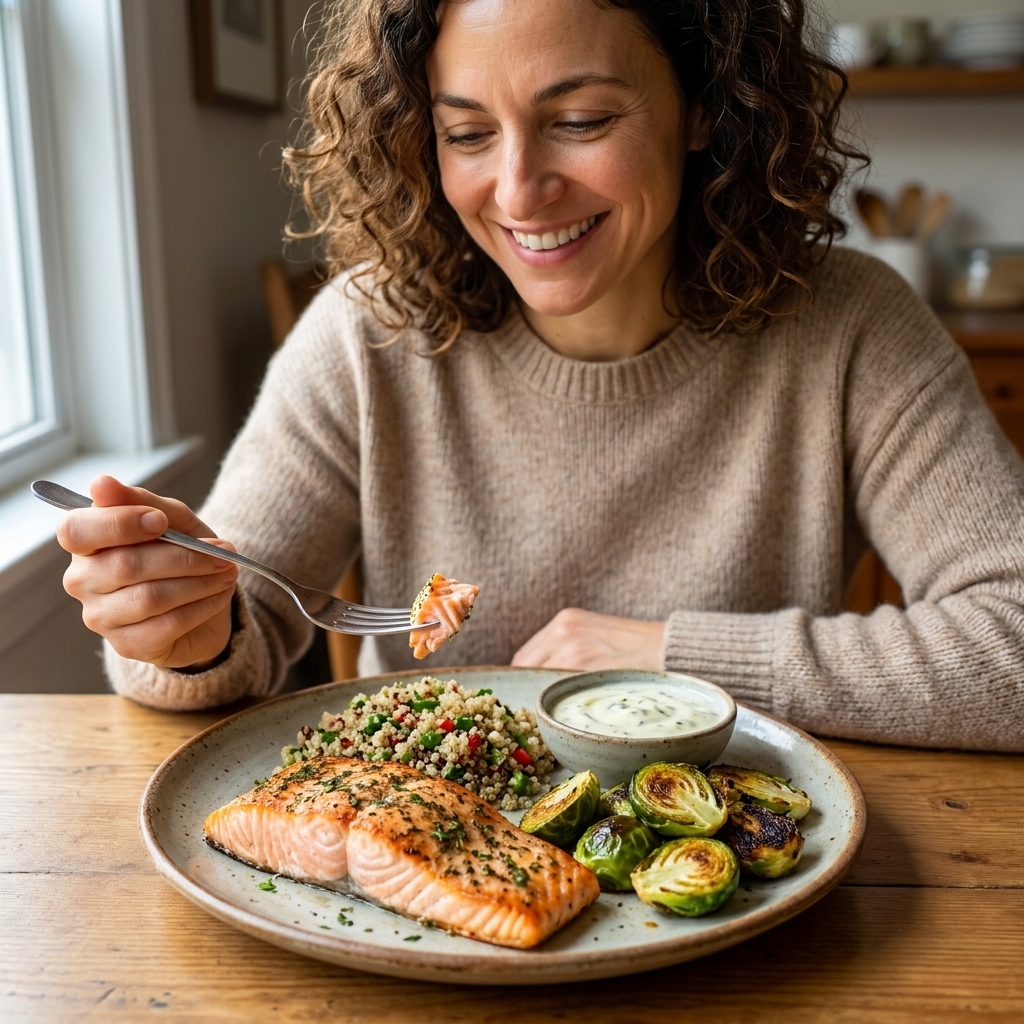
Build a PCOS plate
This is the Platepathy method I use in real life when I am feeding kids, answering emails, and trying to keep my blood sugar from crashing mid-afternoon.
The plate formula
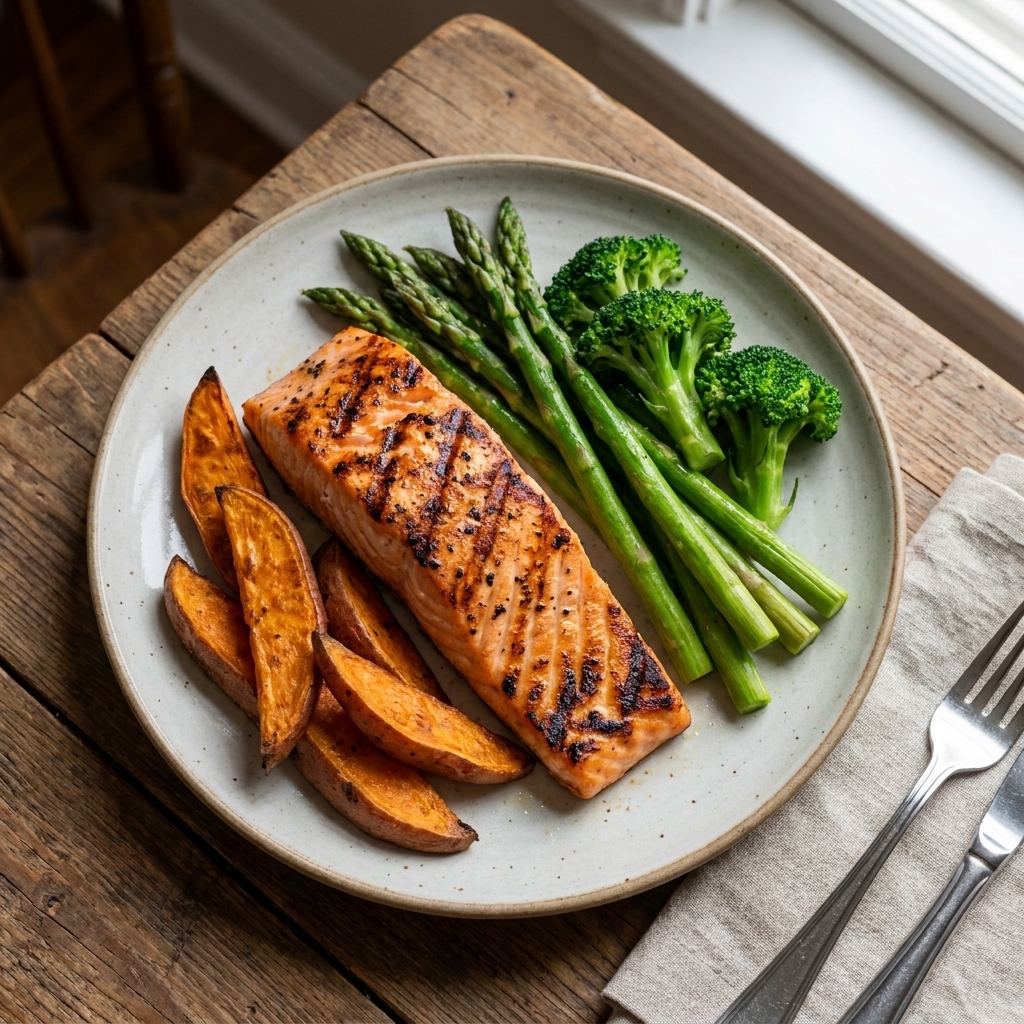
- Half the plate: non-starchy vegetables (raw or cooked)
- Quarter of the plate: protein (animal or plant)
- Quarter of the plate: high-fiber carbs (whole grains, beans, fruit, starchy veg)
- Add: a thumb-sized portion of healthy fat (or cook with olive oil)
Snack formula (a high-impact shift)
If you snack, try to avoid “naked carbs” most of the time. Build snacks like mini meals:
- Protein + fiber: hummus + veggies, cottage cheese + berries, edamame + mandarin
- Protein + fat: Greek yogurt + walnuts, turkey roll-ups + avocado
- Fiber + fat: apple + peanut butter, chia pudding
Meal timing and breakfast
I am not here to police your eating window. Meal timing is not one-size-fits-all, and it is not a PCOS “rule.” But if you struggle with cravings, energy crashes, or a chaotic appetite later in the day, an earlier, protein-forward breakfast is a simple experiment that helps many people.
Try this for 2 weeks
- If it works for your schedule and appetite, eat within 1 to 2 hours of waking.
- Include 20 to 30 grams of protein at breakfast.
- Build lunch with protein and a vegetable, even if it is a “desk salad” situation.
Fast PCOS-friendly breakfasts
- Greek yogurt bowl: Greek yogurt + berries + chia + a drizzle of nut butter
- Eggs and toast: 2 eggs + whole grain toast + sliced tomato + olive oil
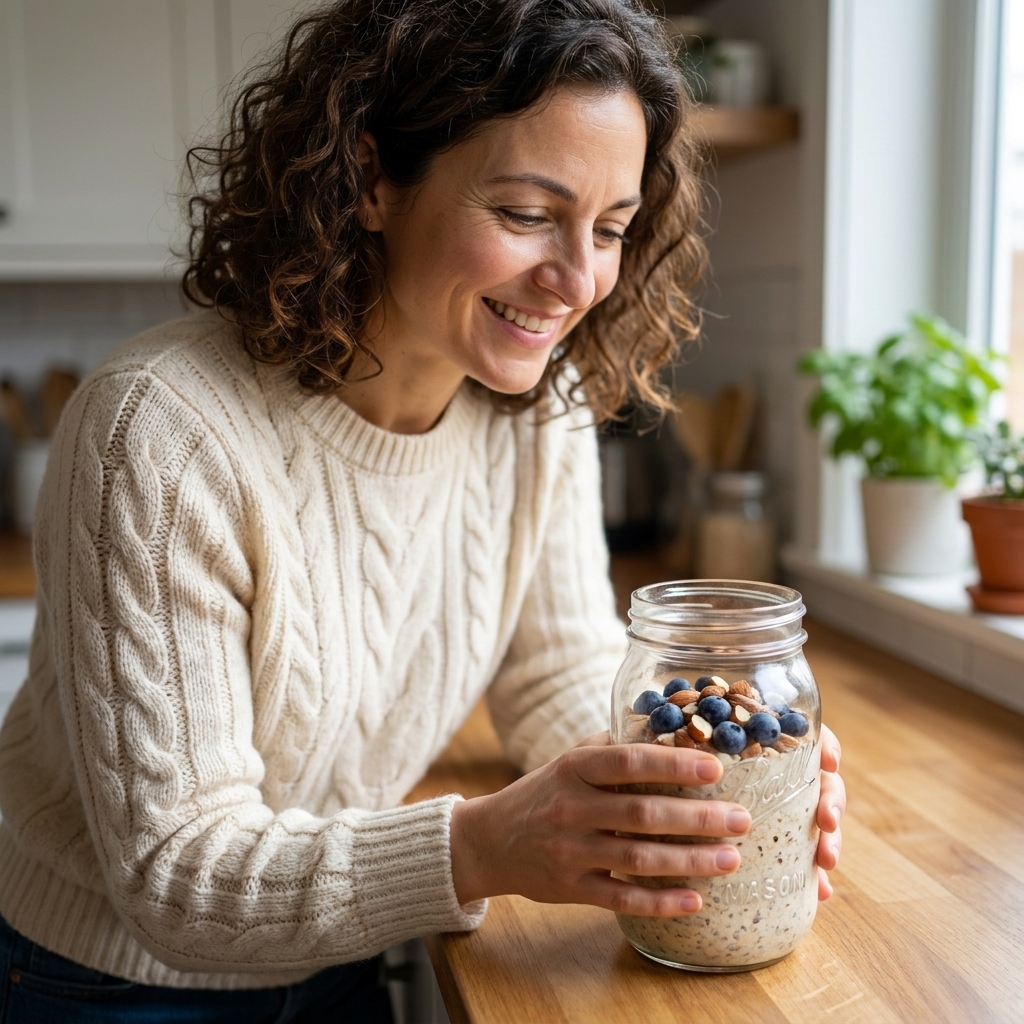
- Overnight oats upgrade: oats + milk + chia + protein powder or skyr + berries
- Savory microwave bowl: frozen cauliflower rice + pre-cooked chicken + salsa + avocado
Anti-inflammatory basics
An anti-inflammatory pattern is less about a single food and more about what you do most days.
More of these
- Colorful produce (aim for 2 to 3 colors per meal when possible)
- Fatty fish, extra virgin olive oil, nuts and seeds
- Legumes and whole grains
- Herbs and spices like cinnamon, ginger, turmeric, garlic
Less emphasis on these
- Sugary drinks (including sweetened coffee drinks)
- Highly refined snacks that are easy to overeat and hard to feel satisfied from
- Alcohol in larger amounts, especially if it worsens sleep or cravings
Notice what is not on this list: total restriction. You can have dessert and still eat in a PCOS-supportive way. Often the most helpful shift is portion plus pairing, like enjoying something sweet after a balanced meal instead of on an empty stomach.
Meal prep that works
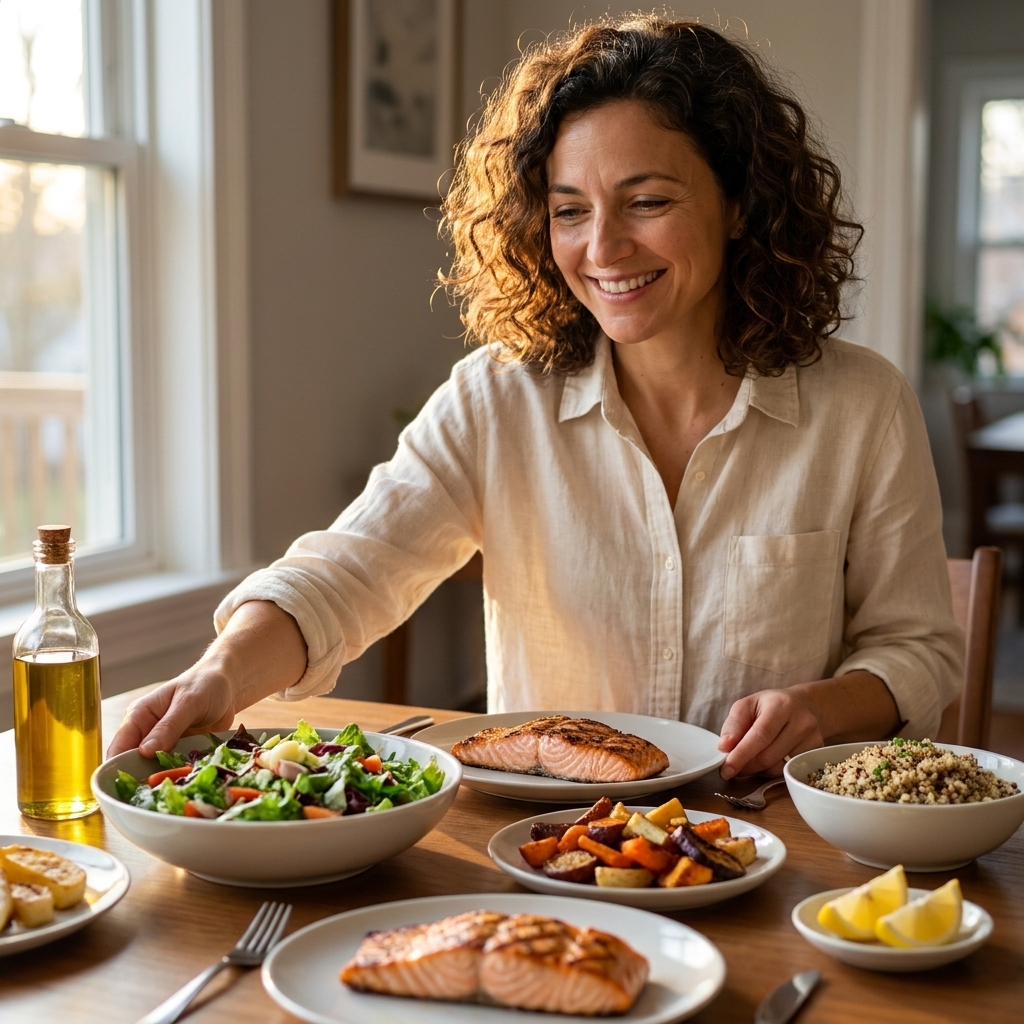
The best PCOS meal plan is the one you can repeat on your busiest week. I like a “mix-and-match” prep that creates options without requiring you to eat the same bowl five days in a row.
Prep blueprint (60 to 90 minutes)
- Protein: bake a tray of chicken thighs or tofu, or brown turkey with taco seasoning
- Carb: cook quinoa or brown rice, or roast sweet potatoes
- Veg: roast a sheet pan of broccoli, peppers, and onions
- Sauce: whisk tahini lemon sauce or a Greek yogurt ranch
- Bonus: wash berries and chop cucumber and carrots for fast snacks
3 fast dinners from the same prep
- Grain bowl: quinoa + chicken or tofu + roasted veg + tahini sauce
- Taco night: turkey + peppers and onions + black beans + avocado in high-fiber tortillas
- Big salad: greens + leftover protein + roasted sweet potato + pumpkin seeds + olive oil vinaigrette
Questions I hear a lot
Do I need to go low-carb?
Not necessarily. Some people feel better with a lower carbohydrate approach, especially if insulin resistance is significant. But many do great with moderate carbs that are high in fiber and consistently paired with protein and fat. The “best” carb level is the one that supports your symptoms, labs, energy, and relationship with food.
Is dairy bad for PCOS?
Dairy is not universally inflammatory. If you tolerate it, options like Greek yogurt, skyr, and cottage cheese can be very helpful for protein. If you do not tolerate lactose or you notice acne flares with certain dairy products, try lactose-free options or reduce and reassess.
What about gluten?
Unless you have celiac disease or a diagnosed gluten sensitivity, gluten does not need to be eliminated for PCOS. Many people feel better simply by shifting from refined grains to higher-fiber choices.
Can I lose weight with PCOS through food changes?
Some people do lose weight with PCOS-focused nutrition, but I like to reframe the goal as improving insulin sensitivity, labs, and symptom control. Those changes can happen with or without weight loss, and they matter.
Should I take supplements?
Supplements can be useful, but they are individualized. Evidence-supported options that are commonly discussed with clinicians include myo-inositol (and sometimes combinations that include D-chiro-inositol), vitamin D if you are low, and omega-3s. The best evidence is not “everyone needs this,” but that certain supplements may help specific outcomes for some people, such as ovulation, insulin markers, or triglycerides. Please check with your healthcare team, especially if you are pregnant, trying to conceive, or on medications.
Nutrition plus lifestyle
I would be doing you a disservice if I pretended food is the only lever. PCOS symptoms are strongly influenced by sleep, stress, and movement.
- Strength training and walking can support insulin sensitivity and appetite regulation.
- Sleep affects hunger hormones, cravings, and glucose control. If sleep is a mess, food changes feel 10 times harder.
- Stress can raise cravings and disrupt cycles for some people. It is not “in your head.” Your body keeps score.
Think of nutrition as the foundation, and these as the multipliers.
Simple 1-day menu
Use this as inspiration, not a rulebook.
Breakfast
- Greek yogurt + berries + chia + chopped walnuts
Lunch
- Big salad: mixed greens + chicken or chickpeas + quinoa + cucumber + tomatoes + olive oil and lemon
Snack
- Apple + peanut butter, or carrots + hummus
Dinner
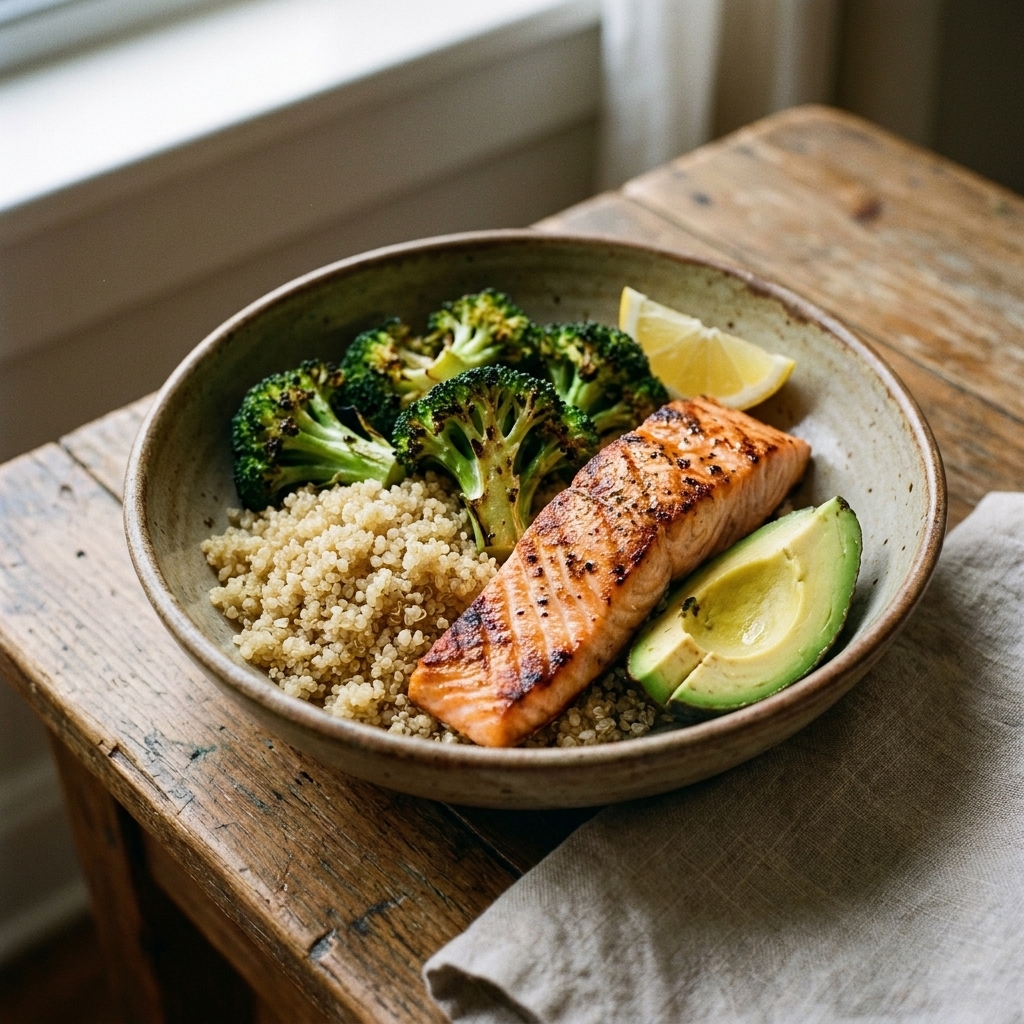
- Baked salmon (or tofu) + roasted broccoli + brown rice, finished with olive oil and lemon
Dessert (if you want it)
- Chocolate squares with strawberries, or a small scoop of ice cream after dinner
Bottom line
If PCOS has you feeling like your body is “difficult,” I want to offer a gentler lens. Your body is communicating. Balanced meals, enough protein, fiber-forward carbs, and satisfying fats can turn down the noise in a very real way.
Start with one change that feels doable this week. Maybe it is a protein-forward breakfast. Maybe it is adding beans to two meals. Maybe it is building snacks that actually hold you. Small, repeatable steps are how we build hormone-supportive habits that last.