A clear, step-by-step guide to decoding the Nutrition Facts panel and ingredient list so you can make healthier grocery choices without overthinking it.
Platepathy
How Much Added Sugar Should You Eat a Day?
Most adults do best keeping added sugar low, ideally around 25 to 36 grams a day, with a broader cap of under 10% of calories. Learn what “added sugar” means, where it hides, and simple meal-prep swaps to stay on track.

Elena Rossi
Elena Rossi writes Platepathy's meal planning guides, translating nutrition research into approachable, delicious meal plans for real, busy lives.
Published November 16, 2026
I spent most of my twenties doing what I thought was “being healthy”: skipping meals, white-knuckling through workdays on coffee, then “rewarding” myself with takeout and something sweet at night because I was exhausted and hungry. It was not a character flaw. It was a setup. And one of the sneakiest parts of that setup was added sugar showing up everywhere, not just in dessert.
So let’s answer the question you came for in plain numbers, then make it practical with a simple Monday to Friday example and some swaps that still taste like real life.

The daily added sugar limit
In the US, two benchmarks get referenced most often, and they come from two different places.
1) American Heart Association (AHA) daily targets
The American Heart Association (AHA) recommends keeping added sugar low for heart health. Their guidance is often phrased as “no more than” and sometimes “ideally,” but these are the targets people use most:
- Women: aim for 25 grams of added sugar per day (about 6 teaspoons)
- Men: aim for 36 grams of added sugar per day (about 9 teaspoons)
2) Dietary Guidelines for Americans (DGA) population-level cap
The Dietary Guidelines for Americans set a broader cap for everyone: keep added sugar to less than 10% of your daily calories. On a 2,000 calorie pattern, that works out to under 50 grams per day.
Why there are two numbers: The AHA targets are generally stricter than the Dietary Guidelines cap. I like thinking of it as: AHA is a great everyday goal, and the 10% rule is the “please do not make this your normal” upper limit.
My Platepathy take: If you like a simple target, use 25 to 36 grams as an everyday goal. And if you want a simple ceiling, the DGA-aligned cap is under 50 grams on a 2,000-calorie day. If you eat more or less than 2,000 calories, that 10% number shifts. Real life shifts too, based on health goals and conditions. The point is to keep added sugar as a “sometimes” ingredient, not a baseline.
Quick conversion: 4 grams of sugar equals about 1 teaspoon (for granulated sugar).
Added sugar vs. natural sugar
Added sugar is sugar that is added during processing, cooking, or at the table. Think: cane sugar in granola, honey in a salad dressing, syrups in coffee drinks, or fruit juice concentrate in a snack bar.
Naturally occurring sugar is sugar that comes packaged with nutrients your body can use. The classic examples are:
- Fruit: fructose plus fiber, water, vitamins, and phytochemicals
- Milk and plain yogurt: lactose plus protein, calcium, and often vitamin D
That “packaging” changes how your body processes it and how satisfied you feel afterward. An apple and apple-flavored gummies can have similar grams of sugar, but they do very different things in your day.
One nuance: Fruit is great. But juice is different from whole fruit because the fiber is mostly removed. And while labeling rules vary by country, in real-life eating, products sweetened with fruit juice concentrate often act like added sugar because they make the food more sugar-dense and easier to overdo.
Also worth knowing: A food can have a higher Total Sugars number and still have 0 g added sugar. Plain milk, plain yogurt, and fruit are common examples.

Where your sugar budget goes
Added sugar tends to slip in through “health halo” foods and convenience upgrades. Here’s a very normal pattern I notice with readers (and in my own life) when someone first starts tracking added sugar. Not all of these show up every day, but even two or three can add up fast.
These are examples I commonly see on labels, but brands and portions vary, so treat this as a way to spot patterns, not a perfect database.
Common sources (example ranges)
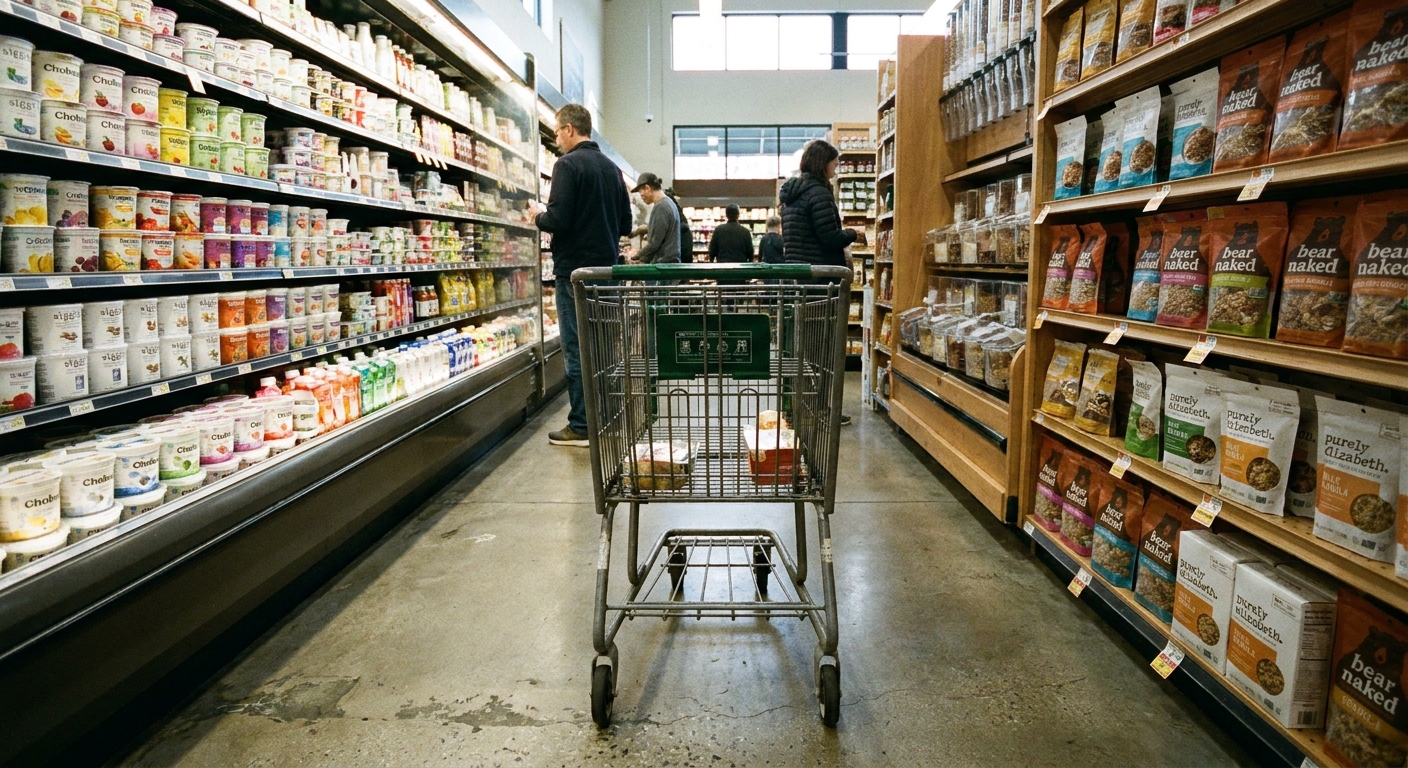
- Flavored yogurt cup (5.3 oz): often around 10 to 18 g added sugar
- Granola (1/3 to 1/2 cup): often around 6 to 12 g added sugar
- Coffee drink: a flavored latte or bottled coffee is often 10 g and up, and some are 30+ g
- Pasta sauce (1/2 cup): often 2 to 8 g added sugar
- Salad dressing (2 Tbsp): often 2 to 6 g added sugar
- Protein bar or snack bar: often 5 to 15 g added sugar
- Drink with lunch or afternoon: sweetened iced tea, sports drink, soda, or juice blend is often 15 g and up, and some are 40+ g
Now let’s add just a few of those together:
- Flavored yogurt (14 g) + granola (8 g) = 22 g
- Pasta sauce (5 g) + salad dressing (4 g) = 9 g
- Snack bar (10 g) = 10 g
Total: 41 grams of added sugar, and we did not even include a sweetened drink.
This is why I prefer the idea of a sugar budget rather than a moral judgment. You get to decide what is worth it to you. You just want the math to be on your side, day after day, because these choices stack up over a week.
How to spot added sugar fast
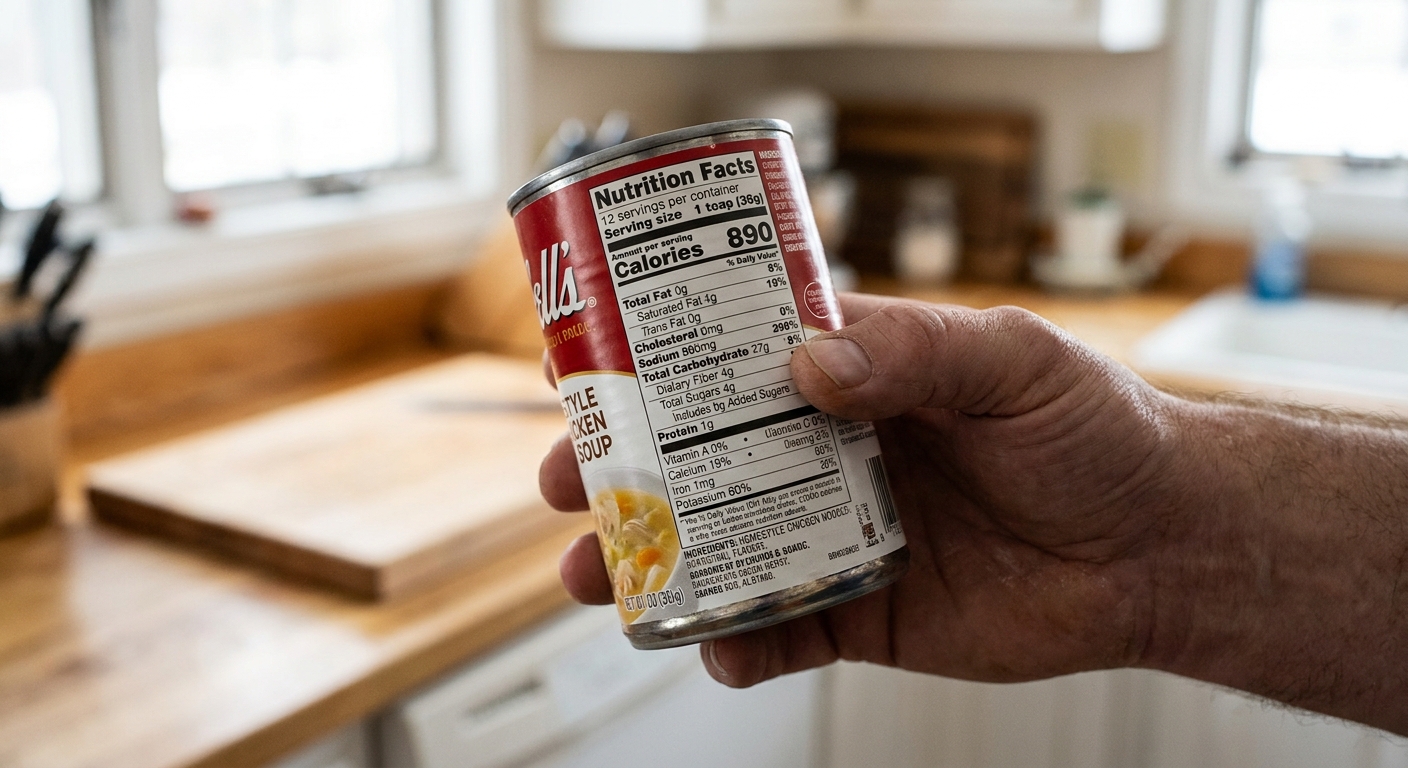
If you are in the US, Nutrition Facts labels list Total Sugars and, underneath it, Includes X g Added Sugars. This is part of the updated label rules that phased in over time, and it makes budgeting much easier.
- Total sugars includes both natural and added sugars. For example, lactose in milk counts toward total sugars.
- Added sugars is the number you are budgeting for this article.
If added sugar is not listed (common outside the US), scan the ingredients list. Added sugar can show up as:
- sugar, cane sugar, brown sugar
- corn syrup, high fructose corn syrup
- honey, maple syrup, agave
- malt syrup, rice syrup, invert sugar
- molasses
- fruit juice concentrate
Speed tip: Ingredients are listed by weight. If a sweetener shows up in the first 3 ingredients, the product is often spending a meaningful chunk of your daily budget. There are exceptions, so check the grams when you can.
A low added sugar week
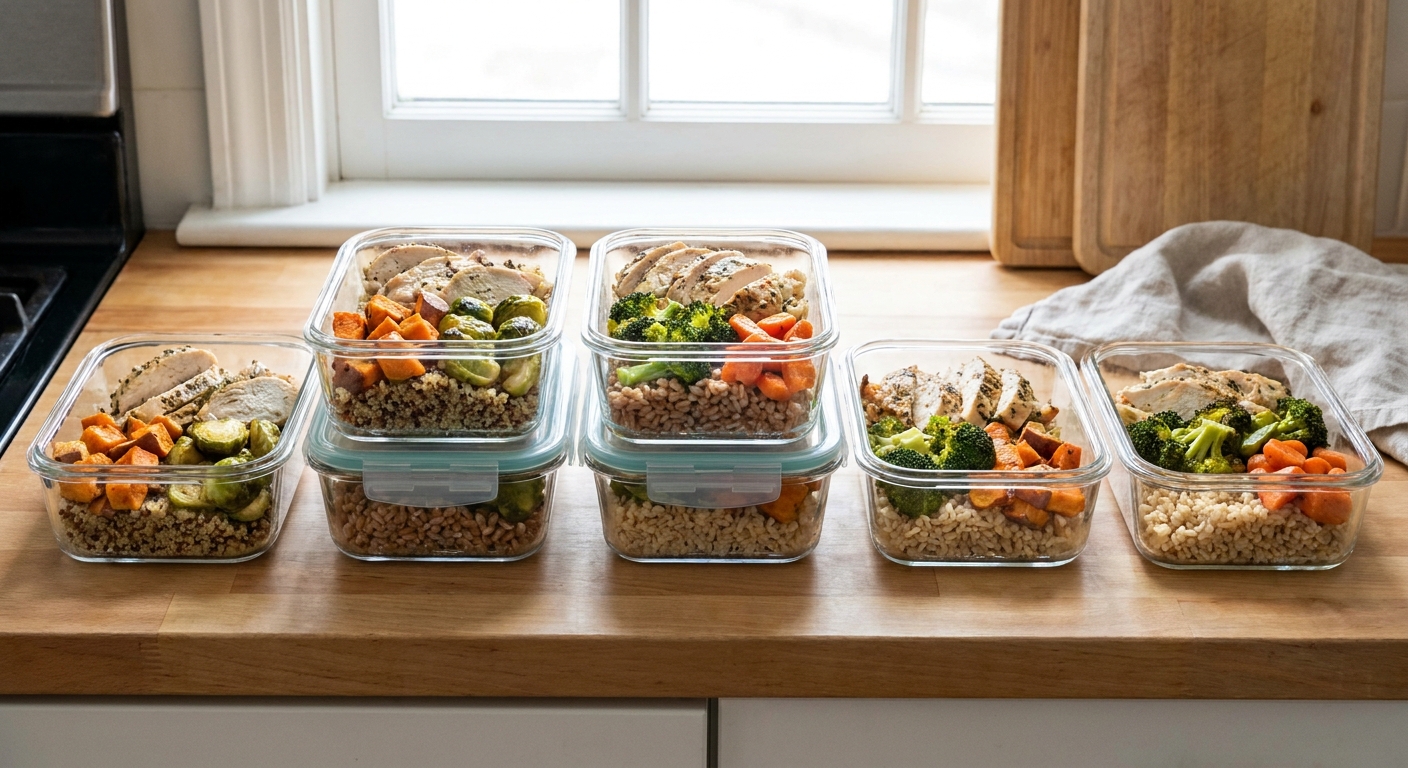
When I batch-cook on Sundays, I am not trying to be perfect. I am trying to make weeknight Elena feel cared for. One of the easiest ways to keep added sugar reasonable is to set up breakfasts and snacks that are naturally sweet, then let your favorite treat fit on purpose instead of sneaking in by accident.
Also, a quick reality check: added sugar is not the only nutrition concern. Overall diet quality matters. But added sugar is one of the fastest, easiest levers for more steady energy because it shows up in so many daily defaults.
My Sunday prep (simple)
- Wash berries or slice fruit
- Make a big batch of roasted veggies
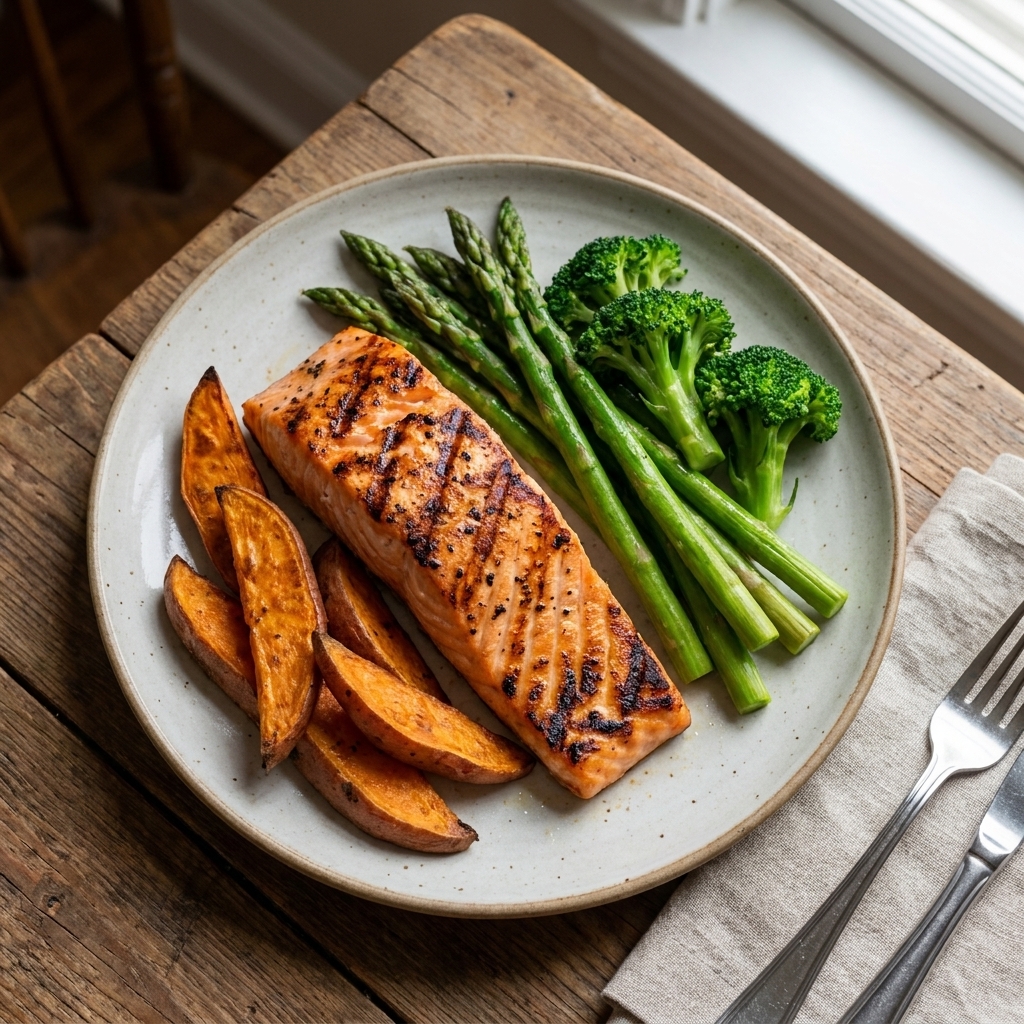
- Cook one protein (chicken, tofu, beans, or salmon)
- Cook one starch (rice, quinoa, potatoes)
- Pick one low-sugar sauce or dressing you have checked once
Monday to Friday example
This is not a rigid plan, just a realistic way to keep added sugar steady without thinking about it all day.
- Mon: Plain Greek yogurt + berries + cinnamon + nuts. Lunch bowl with olive oil and lemon. Dinner: protein + roasted veggies + rice. Treat: 2 squares dark chocolate (often around 5 to 12 g added sugar depending on brand and percent cacao, so check your label once).
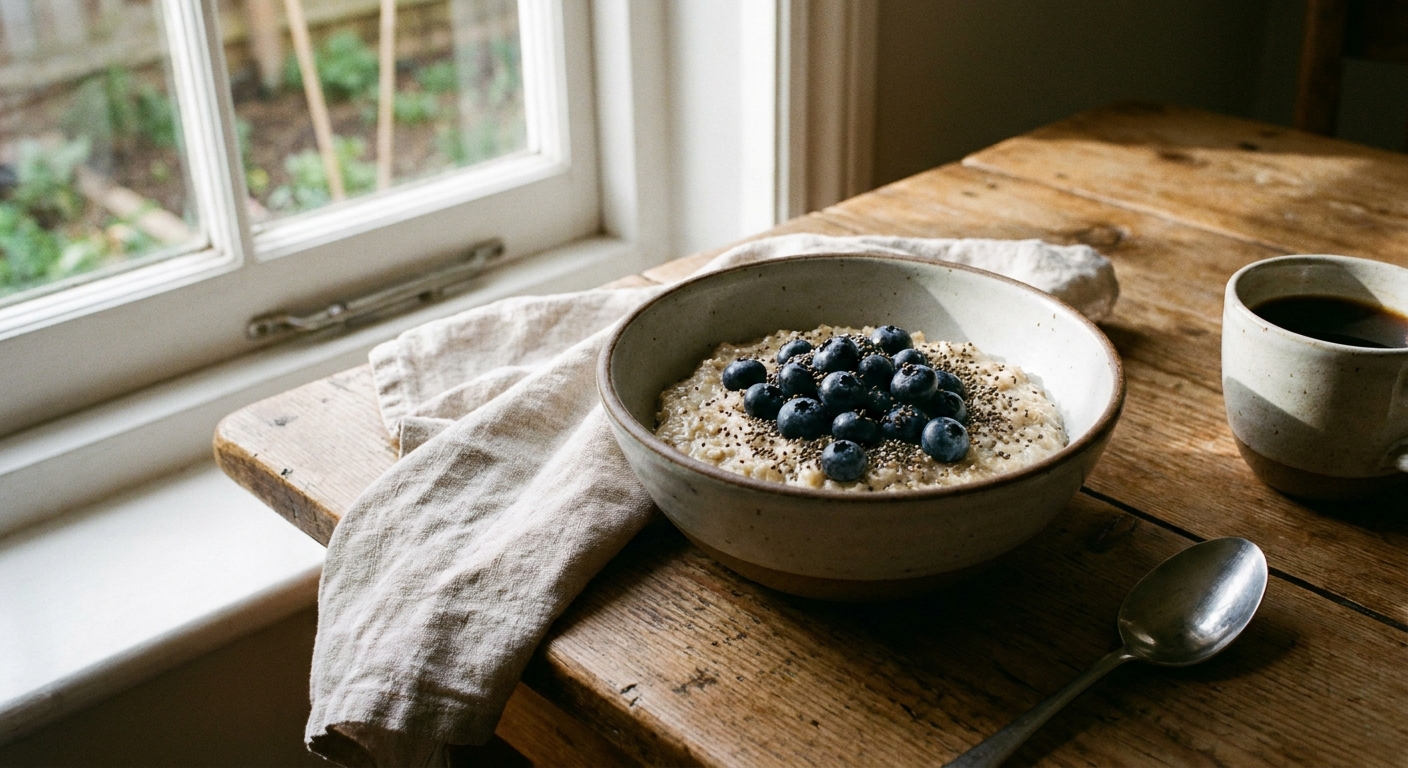
- Tue: Overnight oats with milk, chia, and banana (no added sugar). Lunch leftovers. Dinner: taco bowls with salsa you checked once (many are 0 g added sugar, some are not). Treat: small cookie (often around 10 to 15 g).
- Wed: Eggs and toast + fruit. Salad with a 0 to 2 g added sugar dressing. Dinner: pasta with a “no sugar added” sauce. Treat: small scoop of ice cream (often 10 to 15 g).
- Thu: Cottage cheese or plain yogurt + fruit. Grain bowl leftovers. Dinner: stir-fry with soy sauce and ginger. Treat: sweetened coffee drink, small size, on purpose (check the label or app once, then make it an occasional choice).
- Fri: Smoothie with unsweetened milk and frozen fruit. Lunch out: choose water or unsweetened tea. Dinner: takeout night, but skip the sweetened drink. Treat: whatever you actually want, within a 10 to 15 g budget.
Breakfast: keep the base low sugar
- Swap: flavored yogurt + sugary granola
- For: plain Greek yogurt + berries + cinnamon + chopped nuts, plus a small sprinkle of lower-sugar granola if you want crunch
This often takes breakfast from 20+ grams added sugar down to 0 to 5 grams, depending on what you add.
Lunch: watch sauces and drinks
- Swap: sweetened bottled tea or juice drink
- For: sparkling water, unsweetened iced tea, or water with citrus slices
For meal-prep bowls and salads, choose dressings with 0 to 2 grams added sugar when you can, or make a quick one at home (olive oil + vinegar or lemon + Dijon + salt and pepper).
Dinner: go “no sugar added” where it matters
- Swap: pasta sauce with 6 to 8 grams added sugar
- For: a sauce labeled “no sugar added” or one with 0 to 2 grams added sugar
If you like a sweeter sauce, build sweetness with sautéed onions, carrots, or roasted red pepper, which brings flavor without burning through your sugar budget.
Snacks: satisfying beats sweet
Bars are convenient, but many function like “quiet candy.” Not always bad, just easy to default to daily.
- Swap: a bar with 10 to 15 grams added sugar
- For: a bar with 0 to 5 grams added sugar, or a snack like cheese and crackers, nuts and fruit, edamame, hummus and veggies, or peanut butter on toast
Treats: make them intentional
If you love something sweet, it can absolutely fit. I just want it to be the thing you chose, not the thing that happened to you because everything else in your day was already sweetened.
Try this mindset: save 10 to 15 grams of your budget for something you actually look forward to. Roughly, that can look like two squares of chocolate, a small cookie, or a small scoop of ice cream, depending on the brand.
Easy swaps that add up
These are the changes that tend to have the biggest impact with the least heartbreak.
Flavored yogurt
- Choose plain and add fruit.
- If plain tastes too tangy at first, mix half plain with half flavored for a week, then gradually shift.
Granola
- Use granola like a topping, not the whole bowl.
- Try toasted oats, nuts, and seeds with cinnamon instead of a very sweet granola.
Pasta sauce
- Look for “no sugar added” or compare labels and choose the lowest added sugar you can find.
- Boost flavor with garlic, herbs, olives, capers, or a sprinkle of parmesan.
Salad dressing
- Use oil and vinegar or lemon most nights.
- If you buy bottled, compare brands. The difference between 1 gram and 6 grams per serving adds up fast.
Snack and protein bars
- Aim for 5 grams added sugar or less for an everyday bar.
- Choose bars with protein and fiber so you are not hungry again in 30 minutes.
Drinks
- Make sweetened drinks a sometimes choice. They are the fastest way to blow past 25 to 36 grams.
- Try unsweetened tea, sparkling water, or a splash of juice in seltzer if you want flavor.
If you are over the limit
Nothing is wrong with you. It usually just means your current routine was built for convenience, not for your long-term energy.
Start with one lever for one week:
- If you drink sugar, start there.
- If breakfast is your sweet spot, change that first.
- If you live on sauces and packaged snacks, pick two products to swap and keep everything else the same.
Progress looks like finding your high impact sources and making them work for you, not against you.
If you have a medical condition that affects blood sugar or heart health, you may benefit from a lower target, but that is a conversation for your clinician. For most of us, the win is building a pattern that is steady and sustainable.
FAQ
Is added sugar worse than natural sugar?
It is less about “worse” and more about what it replaces. Added sugar tends to crowd out fiber, protein, and micronutrients, and it is easy to eat quickly without feeling full. Sugar in whole fruit and plain dairy comes with nutrients and is generally easier for your body to handle as part of a balanced meal.
Do I need to hit zero added sugar?
No. Zero is rarely necessary and often makes food feel stressful. The sweet spot for most people is keeping added sugar low enough that it supports steady energy and heart health, while still leaving room for enjoyment.
What about honey or maple syrup?
They are still added sugars from a budgeting standpoint. They can be delicious, and they can fit, but your body counts them similarly to table sugar.
Does sugar cause diabetes?
Type 2 diabetes risk is influenced by many factors, including genetics, overall diet quality, activity, sleep, stress, and body weight. Added sugar is one piece of the puzzle because it can contribute to excess calorie intake and lower diet quality, especially through sugary drinks. The goal is not fear. The goal is a pattern that feels good and is sustainable.
My simplest under-limit day
If you want a starting point that works for a lot of busy households, try this:
- Breakfast: plain Greek yogurt + berries + nuts (0 to 5 g added sugar)
- Lunch: leftovers bowl or salad with a low-sugar dressing, water or unsweetened tea (0 to 5 g)
- Dinner: protein + veg + starch, with a sauce you have checked once (0 to 8 g)
- Snack: fruit + cheese or nuts, or a lower-sugar bar (0 to 5 g)
- Treat budget: 10 to 15 g for something you actually enjoy
That structure usually lands you around 20 to 35 grams added sugar without feeling like you are dieting. That is the Platepathy goal: kind, doable, and delicious.