Learn plant-based nutrition basics, how to build balanced meals without stress, and five staple recipes you can batch-cook and remix all week.
Platepathy
Flexitarian Meal Planning for Beginners
A beginner-friendly flexitarian guide with nutrition basics, a staple grocery list, and a balanced 7-day meal plan that helps you eat more plants without giving up meat.

Elena Rossi
Elena Rossi is a Registered Dietitian and meal prep expert who believes that healthy eating shouldn't feel like a second job. Through Platepathy, she translates complex nutrition science into approachable, delicious meal plans designed for real, busy lives.
Published October 18, 2026
Last updated October 18, 2026
If you have ever wanted to eat more plant-forward meals but felt stuck in the all-or-nothing mindset, welcome. Flexitarian eating is exactly what it sounds like: mostly plants, with room for meat, poultry, and seafood when it makes sense for your life, your culture, and your cravings.
As a dietitian and a busy mom, I love flexitarian meal planning because it is realistic. It does not require perfection. It rewards consistency. And it can make weeknight dinners feel simpler because plants (especially beans, frozen veggies, and whole grains) are some of the most low-lift, budget-friendly ingredients in the store.
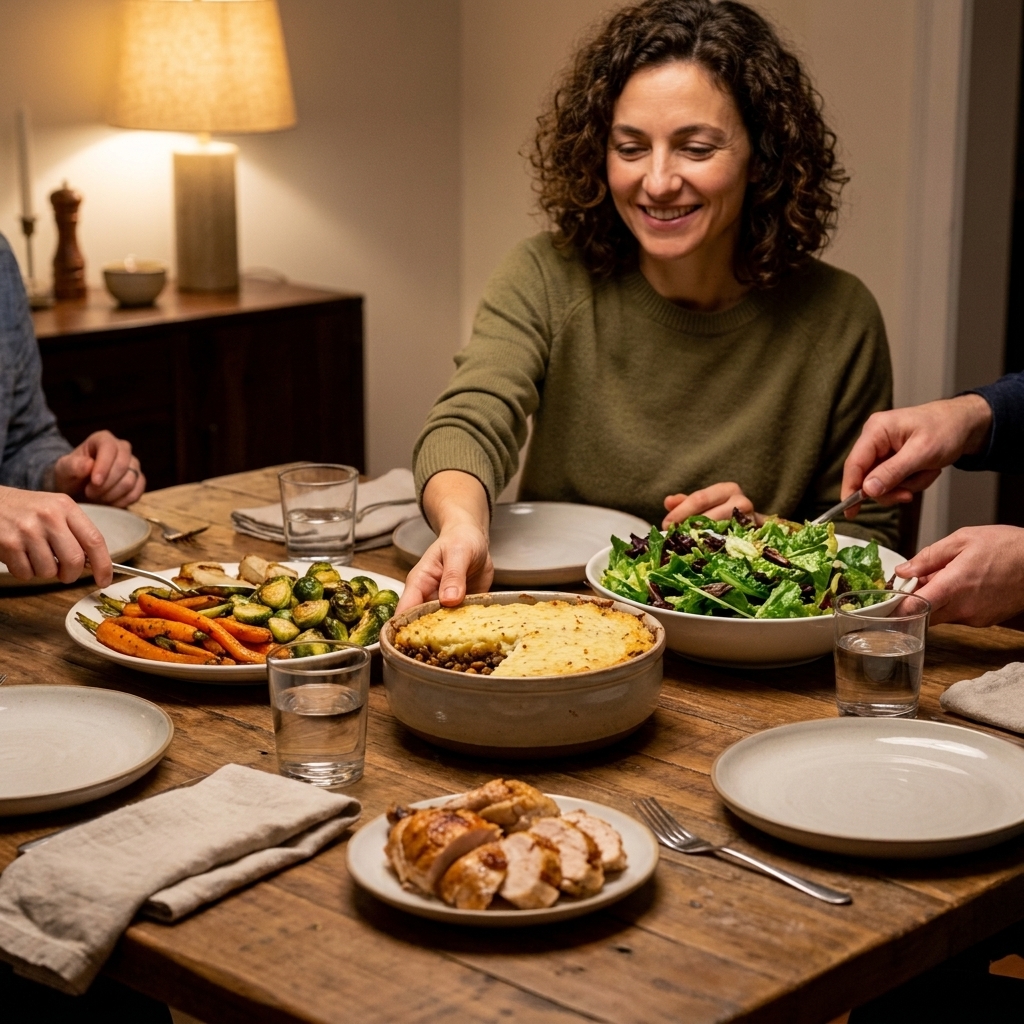
What “flexitarian” means
A flexitarian pattern is vegetarian-leaning but flexible. There is no official rulebook, no membership card, and no one grading your plate. The common thread is that plants do most of the heavy lifting.
- Most meals: vegetables, fruits, beans, lentils, soy foods, whole grains, nuts, seeds
- Sometimes: eggs, dairy, fish, poultry, meat
- Goal: more fiber and plant variety without giving up the foods you enjoy
If you like structure, you can think of it as a sliding scale:
- Beginner: 1 to 2 meatless meals per week
- Comfortable: 3 to 5 meatless meals per week
- Mostly plant-based: meat appears occasionally, often as a smaller portion or flavor component
Flexitarian nutrition basics
You do not need “special” foods to eat flexitarian, but you do want your meals to feel satisfying. These are the nutrition levers that make the biggest difference.
1) Protein: aim for a source at most meals
Plant proteins count. Full stop. The easiest flexitarian protein staples include:
- Beans and lentils (canned or cooked from dry)
- Chickpeas and hummus
- Tofu, tempeh, edamame
- Greek yogurt, cottage cheese, kefir
- Eggs
- Fish, chicken, turkey, lean meats (as desired)
Practical portion guide: Many adults feel best when each meal includes a solid protein hit, often somewhere around 20 to 35 grams. It is a flexible target, not a rule. Your needs vary based on body size, age, activity level, pregnancy or breastfeeding, and medical goals.
2) Fiber: the flexitarian superpower
Fiber supports gut health, heart health, steady energy, and fullness. Many adults do not hit fiber targets most days, and flexitarian eating makes it easier to get more without trying too hard.
Simple fiber boosters: add beans to salads, choose whole grains, top meals with berries or avocado, toss frozen veggies into soups, keep chia or ground flax for oatmeal and smoothies.
3) Nutrients to keep on your radar
- Iron: lentils, beans, tofu, pumpkin seeds, fortified cereals, spinach. (Spinach has iron, but it is not the most absorbable option. Legumes and fortified grains tend to make a bigger dent.) Pair iron-rich foods with vitamin C foods (citrus, bell peppers, strawberries) to boost absorption.
- Vitamin B12: found naturally in animal foods; also in fortified plant milks and nutritional yeast. If you rarely eat animal products, discuss supplementation with your clinician.
- Calcium and vitamin D: dairy, fortified soy milk, fortified plant yogurts, canned salmon with bones, calcium-set tofu. Vitamin D may require fortified foods and/or a supplement depending on labs and sun exposure.
- Omega-3 fats: salmon, sardines, trout; plant sources include chia, flax, walnuts. (Plant omega-3 is ALA, which converts inefficiently to EPA and DHA. If you eat fish, having it a couple times per week can be a helpful option. If you are pregnant, breastfeeding, or on blood thinners, ask your clinician what is best for you.)
- Zinc: beans, lentils, pumpkin seeds, dairy, meat, whole grains
Platepathy reminder: Platepathy is my way of saying gentle nutrition without guilt. The goal is not to “replace meat.” The goal is to build meals you genuinely like that happen to include more plants.
Build a flexitarian plate
When you are planning on autopilot, this simple visual helps keep meals balanced:
- Half your plate: non-starchy vegetables and/or fruit
- One quarter: protein (beans, tofu, eggs, yogurt, fish, chicken, meat)
- One quarter: carbs with staying power (whole grains, potatoes, corn, whole wheat pasta)
- Plus: a little fat for flavor and satisfaction (olive oil, avocado, nuts, seeds, cheese)
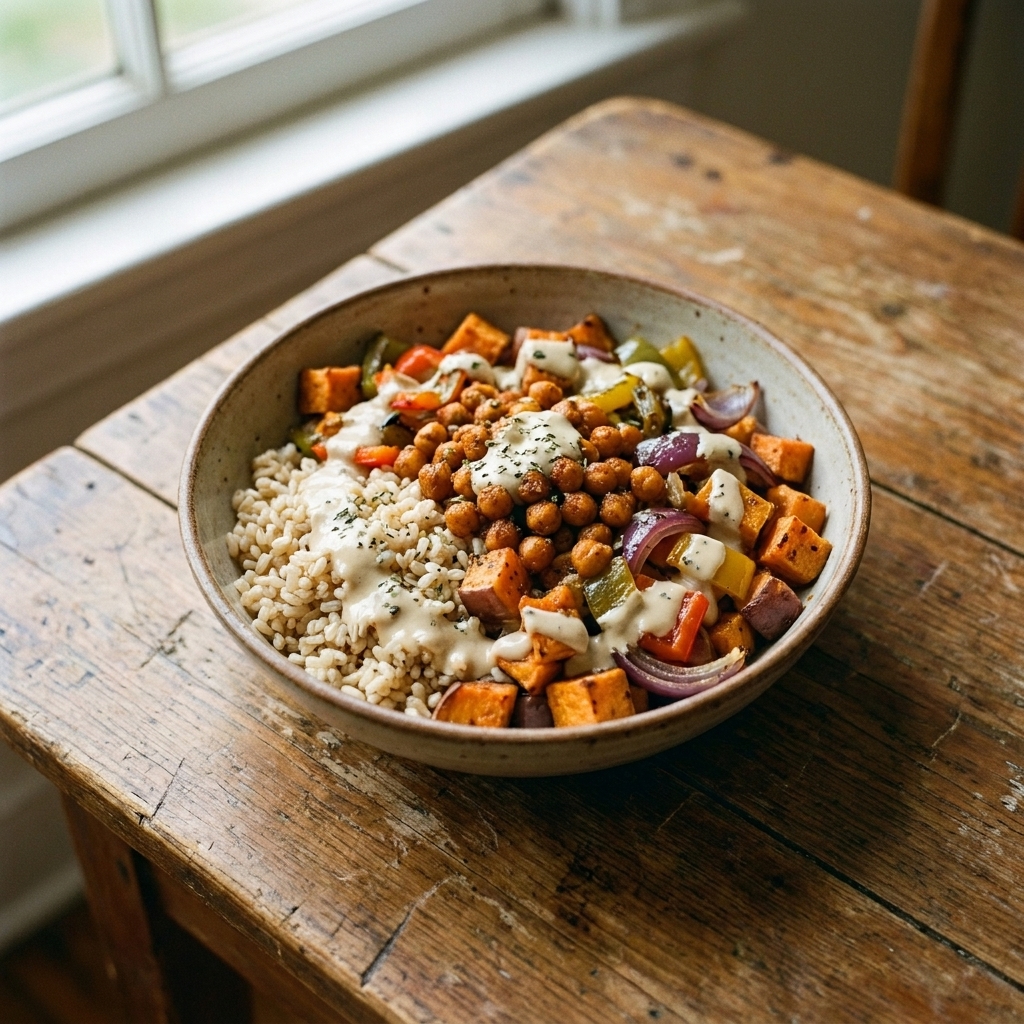
Flexitarian meal planning system
The easiest way to start is not a complete overhaul. It is a small set of repeatable decisions.
Step 1: Pick plant-forward anchors
Choose 3 to 5 meals you already like that are either meatless or easy to make meat optional. Examples:
- Taco night (beans plus optional chicken or beef)
- Pasta night (marinara with lentils, or half meat and half mushrooms)
- Stir-fry (tofu or edamame, or chicken if you want)
- Big salad (chickpeas, tuna, or hard-boiled eggs)
- Breakfast-for-dinner (veggie omelet plus fruit)
Step 2: Decide where meat fits
Some households prefer meat on busy nights for familiarity. Others like meat on weekends and plant-forward during the week. There is no wrong answer. Try one of these approaches:
- Meat as the accent: a little sausage in a veggie pasta, chicken in a big soup
- Meat on purpose: choose 2 dinners with meat you truly enjoy, then plant-forward the rest
- Mix-and-match: cook one protein (like shredded chicken) and use it as an optional add-on
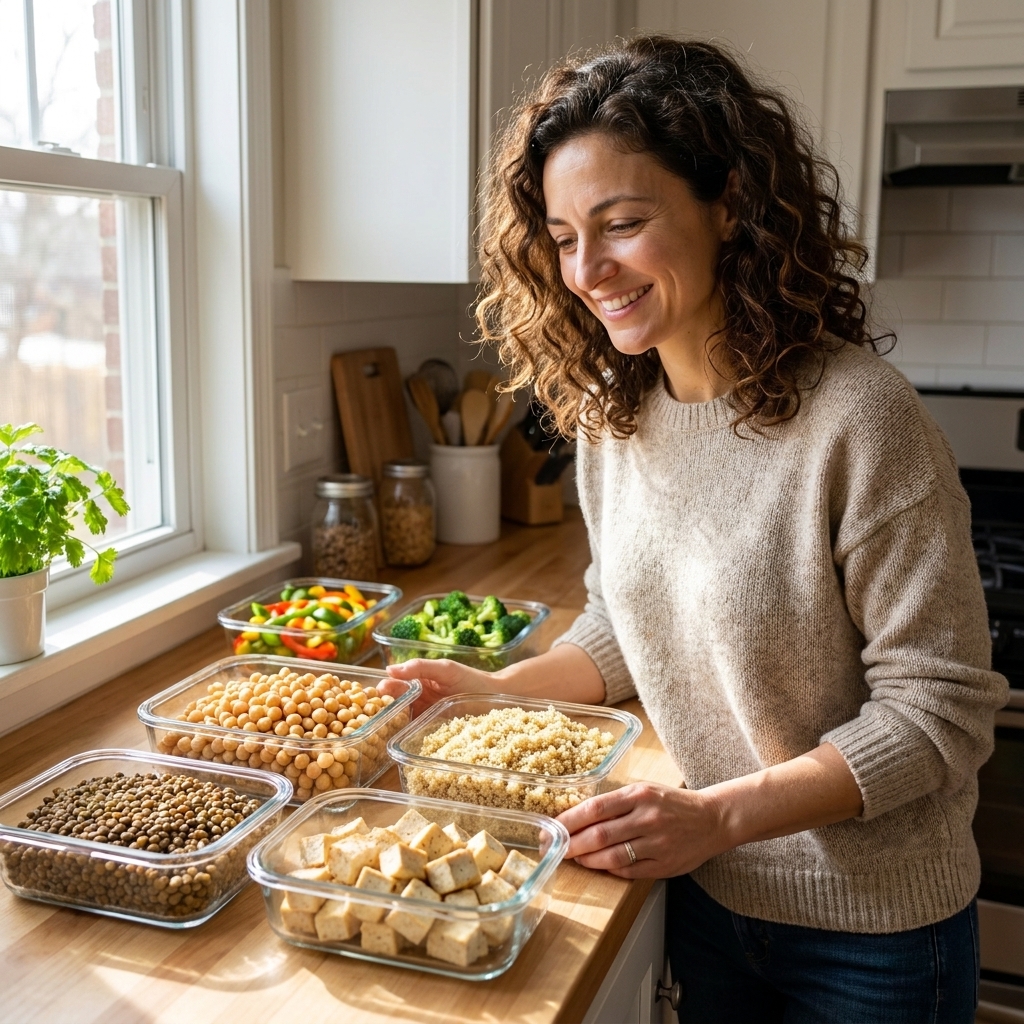
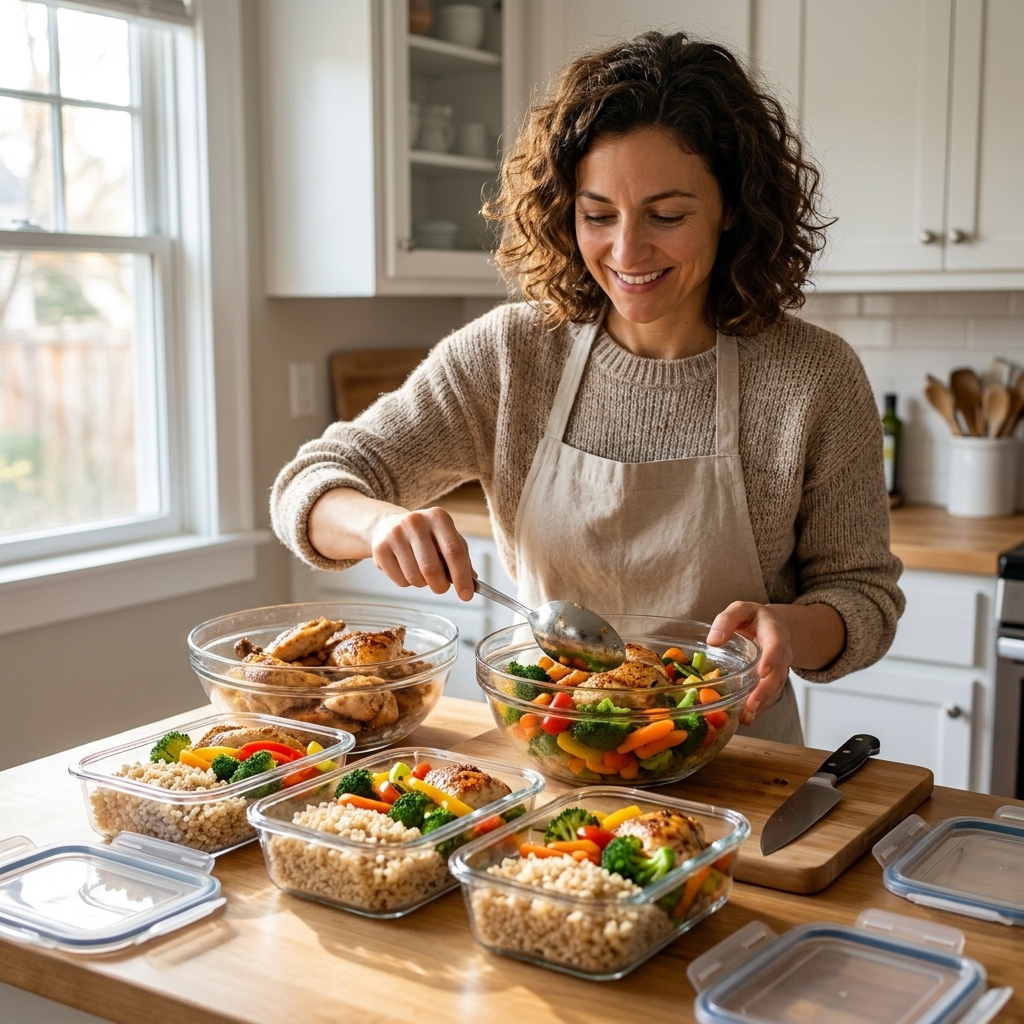
Step 3: Batch-cook one thing
If meal prep makes you feel trapped, keep it light. Pick one batch element each week:
- A pot of grains (brown rice, quinoa)
- A sheet pan of roasted veggies
- A protein (lentils, tofu, hard-boiled eggs, chicken)
- A sauce (tahini dressing, pesto, salsa)
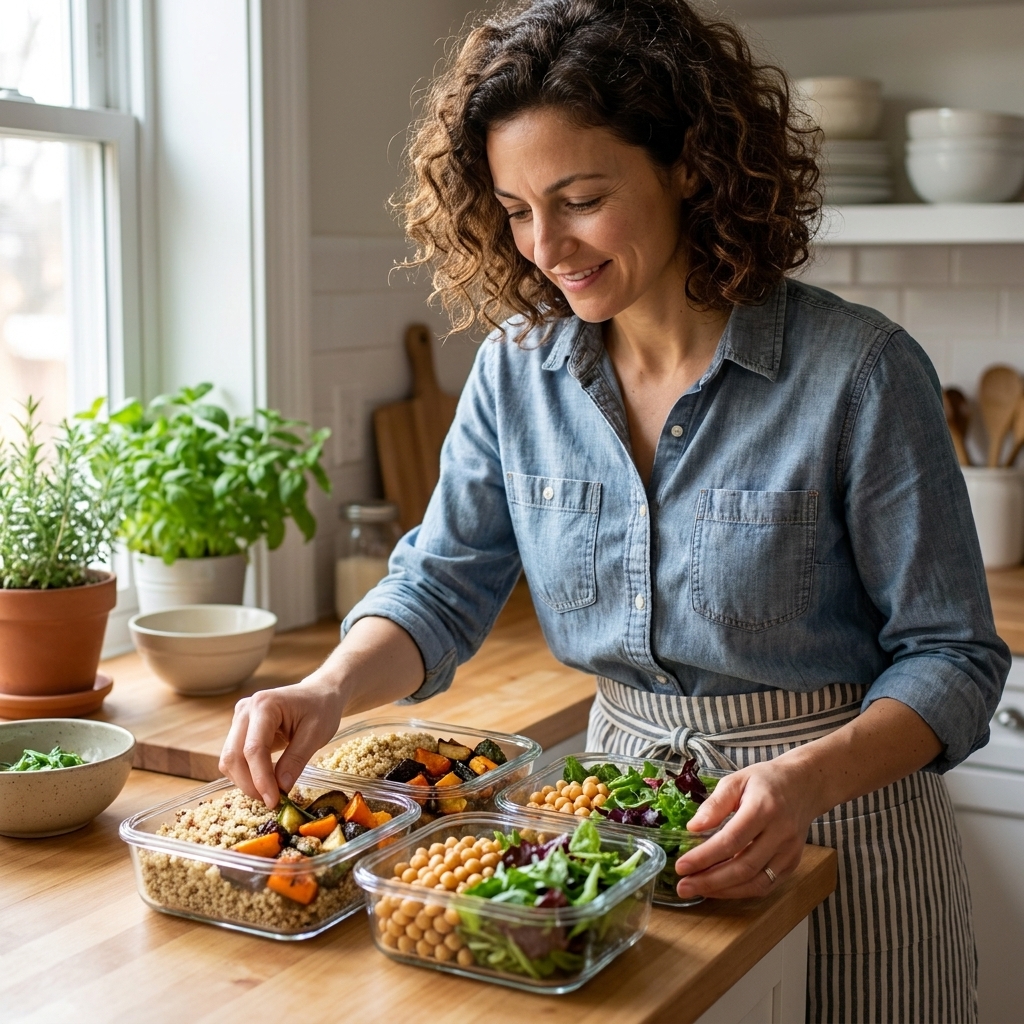
Step 4: Build mix-and-match lunches
Flexitarian lunches are a dream when you use components:
- Greens + roasted veggies + protein + dressing
- Grain bowl + beans + salsa + avocado
- Soup + whole grain toast + fruit
Quick storage and food safety
- Cool cooked grains, beans, and proteins promptly, then refrigerate in airtight containers.
- Use most leftovers within 3 to 4 days. If you will not get to them in time, freeze portions.
- Reheat soups, beans, and grains until steaming hot.
Flexitarian staple grocery list
Think of this as your flexitarian pantry and freezer safety net. You do not need all of it at once. Add a few staples each week until your kitchen starts doing more of the work for you.
Pantry
- Beans: black beans, chickpeas, cannellini, lentils (canned and/or dry)
- Whole grains: brown rice, quinoa, oats, whole wheat pasta, farro or barley
- Canned tomatoes: diced, crushed, marinara
- Broth (low sodium if possible)
- Tuna or salmon packets or cans (optional but handy)
- Nut butter (peanut, almond)
- Nuts and seeds: walnuts, pumpkin seeds, chia, ground flax
- Olive oil, vinegar, soy sauce or tamari
- Spices: cumin, smoked paprika, garlic powder, Italian blend, chili flakes
Freezer
- Frozen mixed vegetables
- Frozen broccoli, cauliflower rice, spinach
- Frozen fruit for smoothies and oatmeal
- Edamame
- Veggie burgers or falafel (look for options with decent protein)
Fridge
- Eggs
- Greek yogurt or a high-protein yogurt alternative
- Milk or fortified soy milk
- Hummus
- Tofu or tempeh
- Fresh veggies you will actually use (baby spinach, cucumbers, bell peppers)
- Flavor helpers: salsa, pesto, kimchi, pickles, lemon
Optional meat and seafood
- Rotisserie chicken for shortcuts
- Chicken thighs or breasts
- Ground turkey or lean ground beef
- Salmon, shrimp, or canned sardines
Budget and sodium tip
Canned beans and broths are flexitarian heroes. If sodium is a concern for you, choose low-sodium options when you can and rinse canned beans in a colander to wash off some of the salt.
Simple swaps for allergies and preferences
- Soy-free protein ideas: lentils, beans, chickpeas, eggs, dairy, quinoa, nuts and seeds (plus fish, poultry, or meat if you include them)
- Dairy-free options: fortified soy milk is typically the closest nutrition match to dairy milk; fortified pea protein milks and plant yogurts can also help
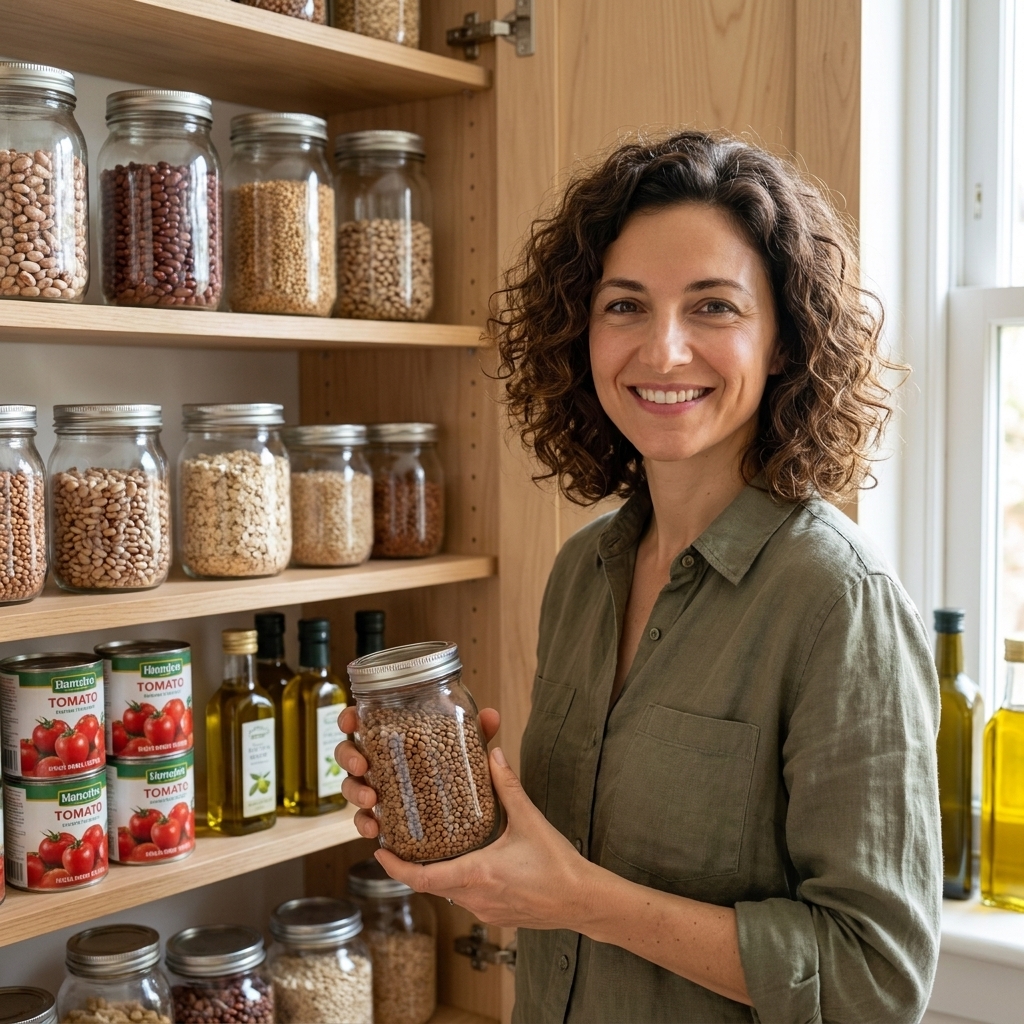
7-day flexitarian meal plan
This plan is designed to help you practice flexitarian patterns without feeling like you are living on salads. Portions should match your appetite. Add snacks if you are hungry between meals, especially if you are active, pregnant, breastfeeding, or navigating a growth-spurt season in your house.
Day 1
- Breakfast: Greek yogurt bowl with berries, chia seeds, and granola
- Lunch: Mediterranean chickpea salad (chickpeas, cucumber, tomato, feta, olive oil, lemon) with whole grain pita
- Dinner: Sheet pan salmon (or tofu) with broccoli and sweet potatoes
Day 2
- Breakfast: Peanut butter banana oatmeal with ground flax
- Lunch: Leftover salmon or tofu over greens with extra veggies
- Dinner: Black bean tacos with sautéed peppers and onions, avocado, and optional shredded chicken
Day 3
- Breakfast: Veggie egg scramble with whole grain toast and fruit
- Lunch: Lentil soup (store-bought or homemade) plus a side salad
- Dinner: Veggie stir-fry with edamame or tofu over brown rice
Day 4
- Breakfast: Smoothie with fortified soy milk, frozen berries, spinach, and peanut butter
- Lunch: Grain bowl: quinoa, roasted vegetables, chickpeas, tahini dressing
- Dinner: Whole wheat pasta with marinara, mushrooms, and a handful of white beans (optional turkey meatballs if you want)
Day 5
- Breakfast: Cottage cheese (or yogurt) with pineapple and walnuts
- Lunch: Leftover pasta with a side of veggies
- Dinner: Big chopped salad with mixed greens, roasted veggies, pumpkin seeds, and hard-boiled eggs (optional: add tuna)
Day 6
- Breakfast: Avocado toast with an egg, plus fruit
- Lunch: Hummus and veggie wrap with a side of lentil or bean salad
- Dinner: Chicken and vegetable soup (or white bean and kale soup) with crusty whole grain bread
Day 7
- Breakfast: Protein pancakes (your favorite recipe) topped with berries and yogurt
- Lunch: Leftover soup and a simple salad
- Dinner: Flexible bowl night: brown rice, roasted veggies, a protein choice (beans, tofu, chicken, or fish), and a sauce you love
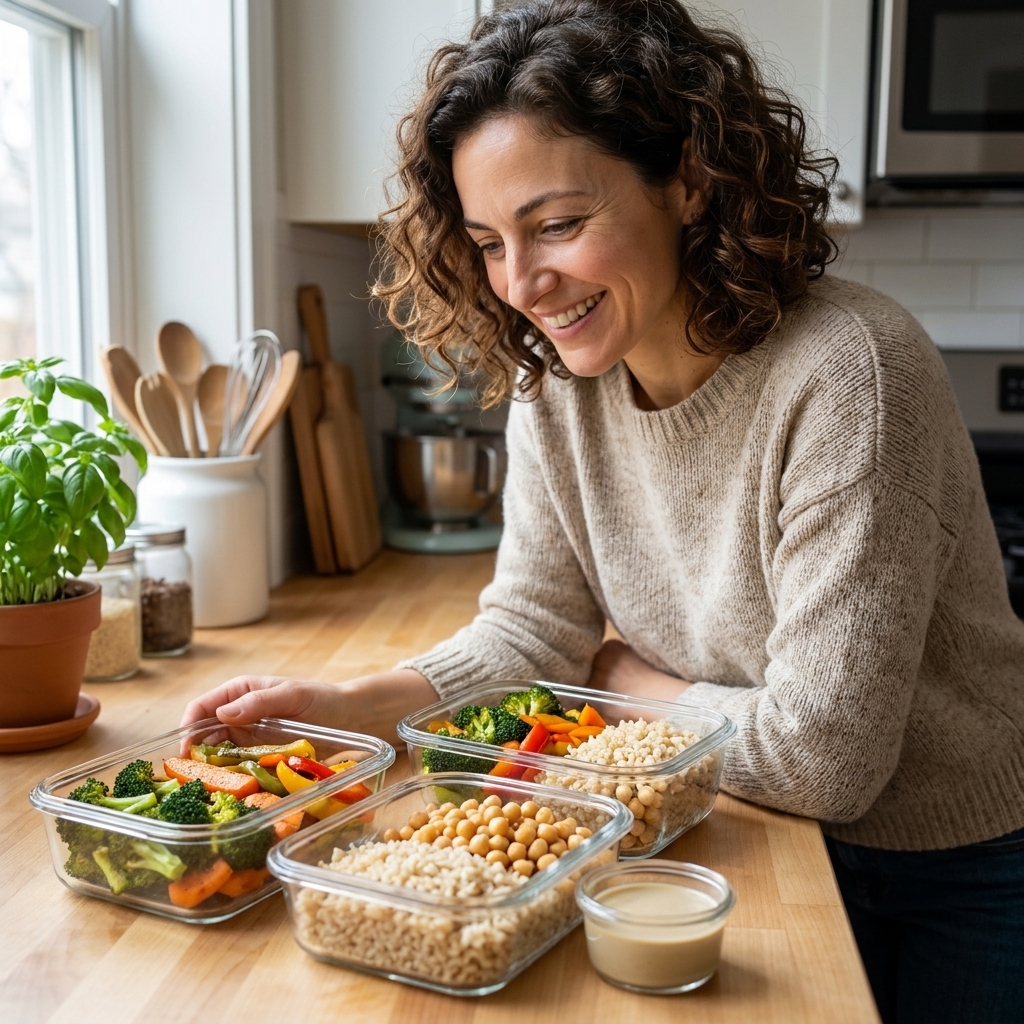
Make it work for your household
Flexitarian meal planning gets dramatically easier when you stop trying to get everyone to eat the exact same bowl.
Use base plus toppings dinners
- Tacos: beans, veggies, optional meat, cheese, salsa
- Baked potato bar: beans or chili, broccoli, Greek yogurt, cheddar
- Pasta: marinara plus optional meat, plus veggies on the side
- Rice bowls: veggies, edamame, optional chicken, sauce
Try the half-and-half trick
If your family is meat-and-potatoes loyal, blend plants in without making it a thing:
- Half ground beef, half lentils in taco filling
- Half pasta, half zucchini noodles (only if you like them)
- Extra mushrooms and onions in burgers or meat sauce
Keep a protein backup
On nights when everyone is hangry, it helps to have an easy add-on:
- Hard-boiled eggs
- Greek yogurt dip
- Frozen shrimp
- Rotisserie chicken
Common questions
Is a flexitarian diet healthy?
For most people, yes. A flexitarian approach tends to increase fiber, plant variety, and micronutrients while still allowing nutrient-dense animal foods if you enjoy them. The biggest predictor of success is whether it feels sustainable for you.
Will I get enough protein without eating meat daily?
Most people can, especially when they include beans, lentils, tofu, edamame, eggs, dairy, and seafood (if they eat it). Building each meal around a clear protein source is the simplest way to feel confident.
What is the easiest way to start?
Pick two dinners this week that are naturally plant-forward (like bean tacos and a tofu stir-fry) and keep everything else the same. That is a win.
Do I have to buy meat substitutes?
No. They can be convenient and tasty, but they are optional. Whole foods like beans, lentils, tofu, eggs, and dairy can cover a lot of ground.
Can I do flexitarian on a budget?
Absolutely. Beans, lentils, oats, rice, frozen vegetables, and in-season produce are some of the most budget-friendly staples available. If you eat meat, using it as an accent instead of the centerpiece can also lower costs.
Your next step
If you want a simple starting point, here is a Platepathy-friendly flexitarian challenge:
- Choose 2 plant-forward dinners for the week.
- Buy 1 new plant protein (lentils, tofu, edamame, or a new bean).
- Batch-cook 1 component on Sunday (grain, veggies, or a sauce).
That is it. No food guilt, no perfection pressure, and no giving up foods you love. Just a steadier, more plant-rich rhythm that still fits real life.