Make high-protein eating easy for a full week. This beginner meal prep guide includes simple recipes, mix-and-match meals, a streamlined shopping list, and f...
Platepathy
7 Days of High-Protein, Low-Carb Dinners
Seven easy, satisfying high-protein, low-carb dinners designed for real weeknights. Includes prep tips, smart swaps, storage guidance, and fiber-forward sides.

Elena Rossi
Elena Rossi is a Registered Dietitian and meal prep expert who believes that healthy eating shouldn't feel like a second job. Through Platepathy, she translates complex nutrition science into approachable, delicious meal plans designed for real, busy lives.
Published October 18, 2026
Last updated October 18, 2026
If you are aiming for a lower-carb dinner, I want it to feel like a relief, not a spreadsheet. The goal is not to fear carbs. It is to build a plate that may keep your energy steadier: plenty of protein, lots of high-fiber vegetables, and just enough fat and flavor to make it satisfying.
This 7-day plan gives you dinners that are naturally lower in carbs (think non-starchy veggies instead of big servings of rice or pasta) while still prioritizing protein and fiber. Each recipe is written for real weeknights, with make-ahead options and simple swaps so you can keep going even when the day goes sideways.
Macro note (so you know what these ranges mean): The macro ranges below assume 4 equal servings, typical cooked yields, and common grocery-store ingredients. Your numbers can shift with portion size, fat level, sauce brands, and yogurt type. If you track closely, plug ingredients into your preferred calculator and treat the ranges as general guidance.
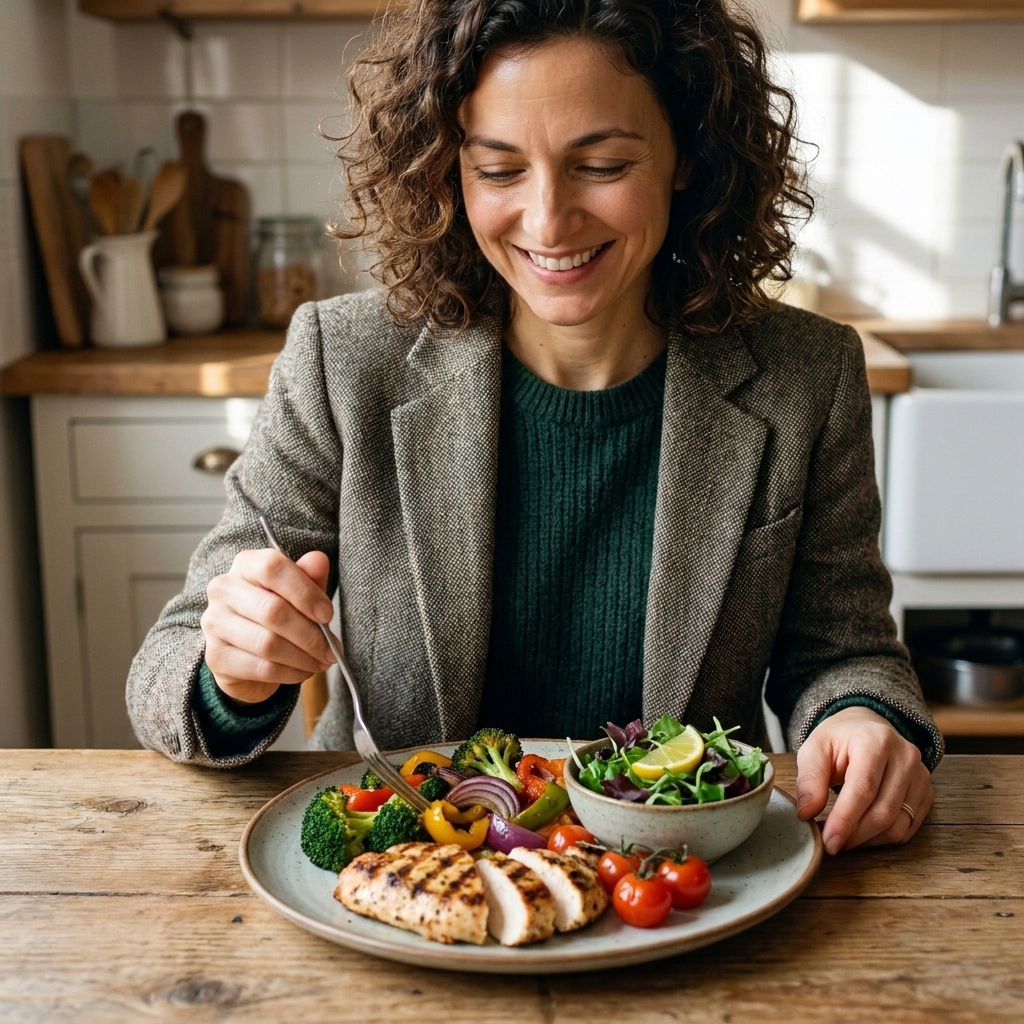
What “high-protein, low-carb” means here
There is no single medical definition that fits everyone, so here is the Platepathy approach:
- Protein-forward: Most dinners are designed to can land in the neighborhood of 25 to 45 grams of protein per serving, depending on your portion size and the brands you use.
- Lower carb, not zero carb: We lean on non-starchy vegetables and keep starch portions optional. You will still see carbs from veggies, dairy, and sauces because those come with nutrients.
- Fiber matters: Low-carb does not have to mean low-fiber. You will see plenty of greens, cruciferous veggies, peppers, mushrooms, and seeds to help keep digestion and satiety happy.
A note on nutrition numbers: You will see macro ranges (not exact counts) because brands, serving sizes, and cooked weights vary a lot. If you track closely, plug ingredients into your preferred calculator and treat these as general guidance.
If you are managing diabetes, taking glucose-lowering medication (especially insulin or sulfonylureas), or have kidney disease, check in with your clinician for personalized carbohydrate and protein targets. Lowering carbs can change medication needs, and high protein may require individualized limits for CKD.
How to make this week easy (Sunday prep, 45 minutes)
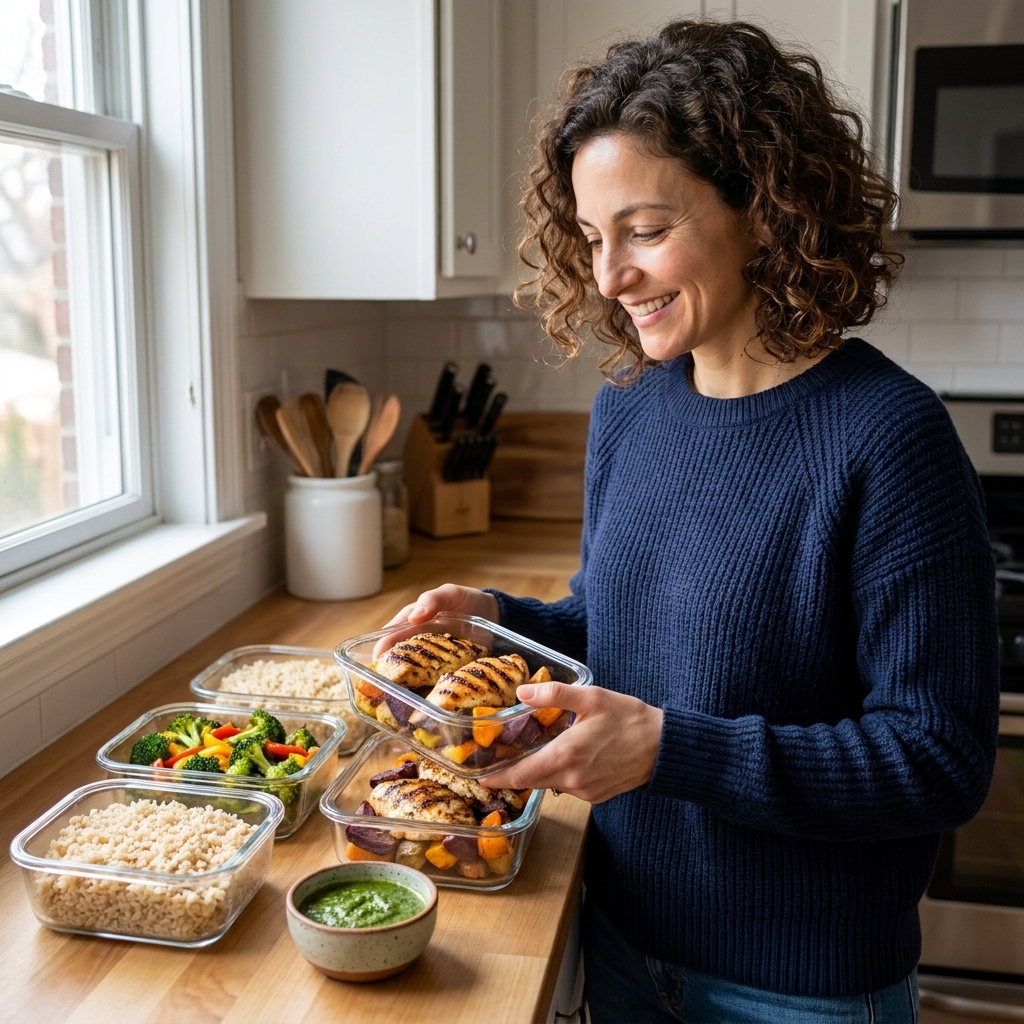
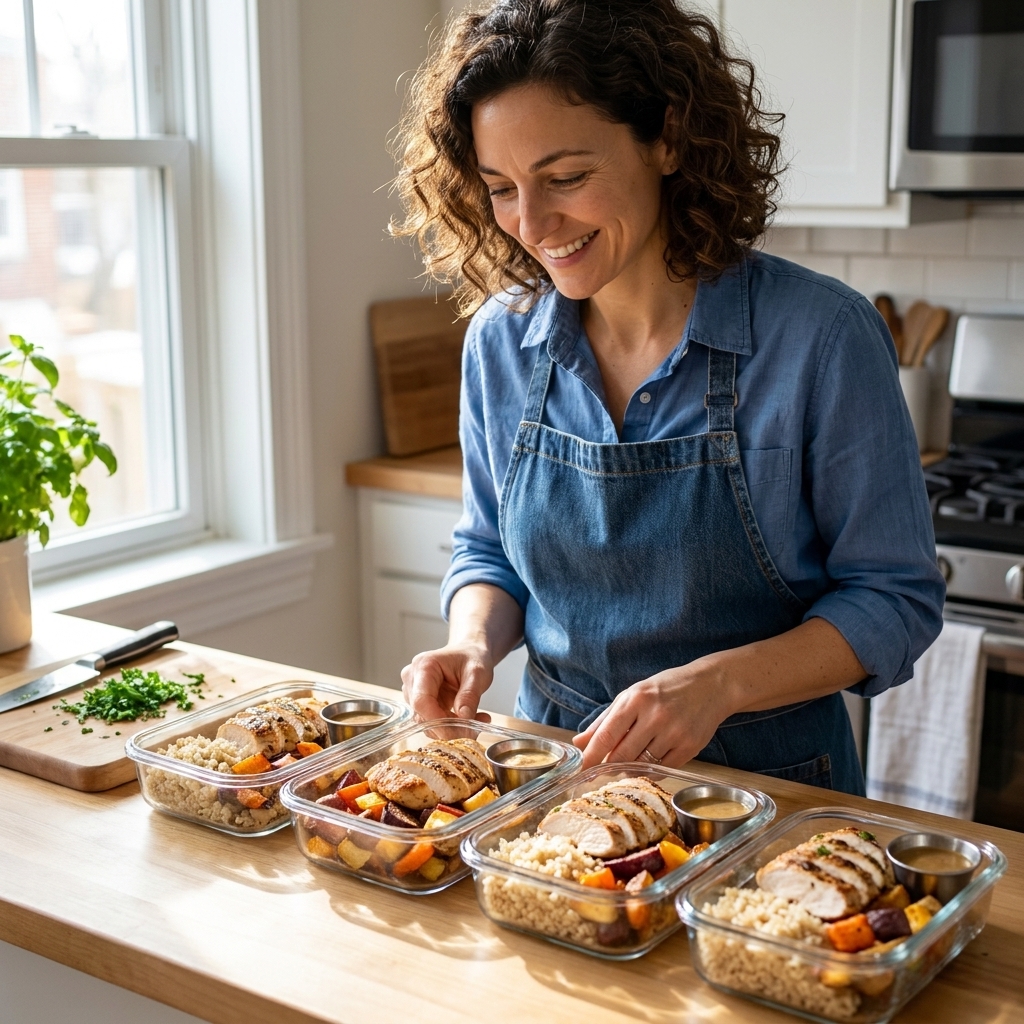
As a former project manager, I love a tiny bit of planning that pays off all week. If you have time, do this once. The goal is to prep components, not to fully cook every dinner ahead.
- Prep 2 proteins (no cooking required):
- Lemon-garlic chicken: Mix the Day 1 marinade in a container and add raw chicken. Refrigerate up to 24 hours.
- Taco seasoning base: Mix your taco seasoning (or measure it into a small jar) so Day 2 is fast.
- Prep 2 veggies: Chop broccoli florets, slice peppers and onions, trim asparagus, and spiralize or ribbon the zucchini (store with a paper towel to absorb moisture).
- Make 1 sauce: Stir together a simple yogurt sauce (plain Greek yogurt, lemon, garlic, salt). It can double as a dip, a dressing, or a creamy topping later in the week.
- Stock smart add-ons: Bagged slaw mix, frozen cauliflower rice, pre-washed greens, shredded cheese, and jarred salsa are not “cheats.” They are tools.
Food safety notes: Marinate raw chicken in the fridge, never on the counter, and discard used marinade (do not reuse it as a sauce). Keep raw proteins sealed and on the lowest fridge shelf to avoid drips. When in doubt, rely on internal temperature as your doneness cue (165°F for chicken).
If you prefer cooking ahead: You can absolutely roast chicken or brown ground meat on Sunday. If you do, treat the daily recipes as cooking instructions the first time, and as reheat and assemble guidelines for leftovers.
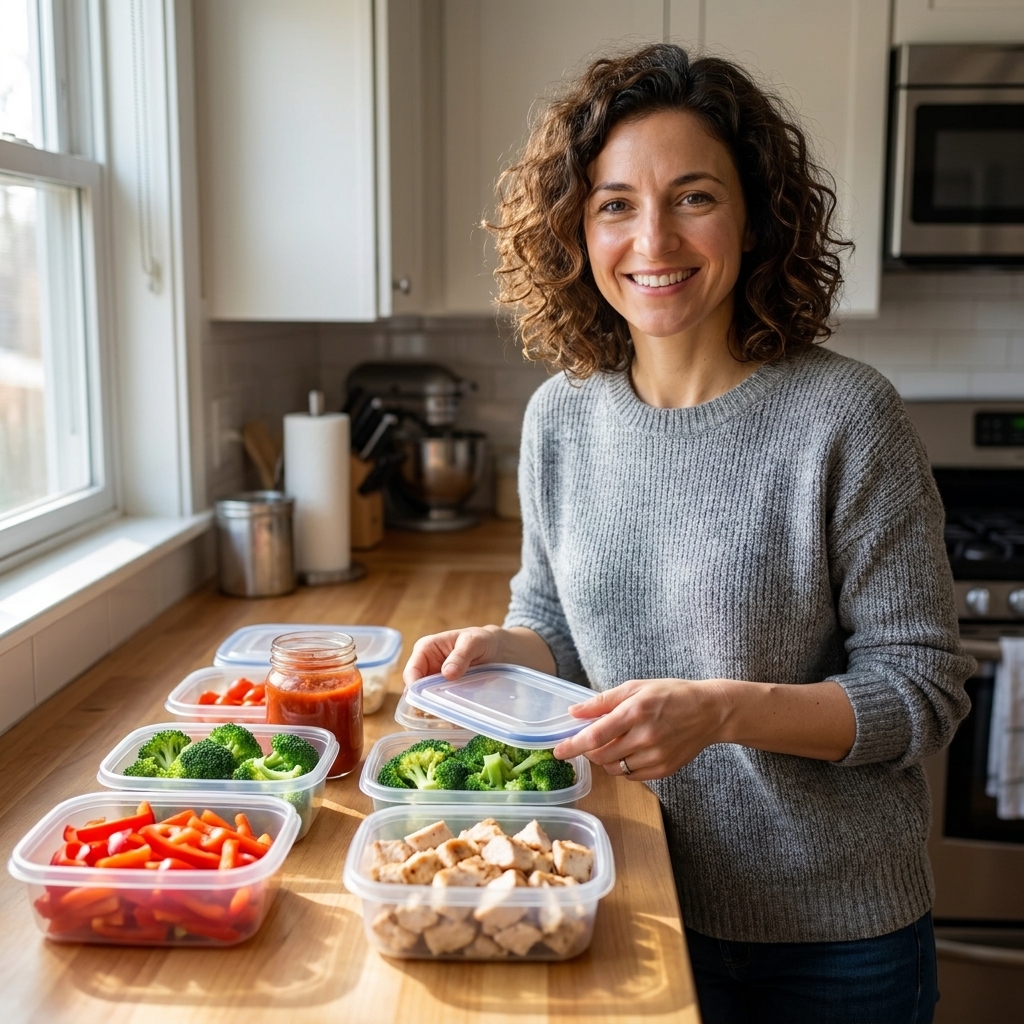
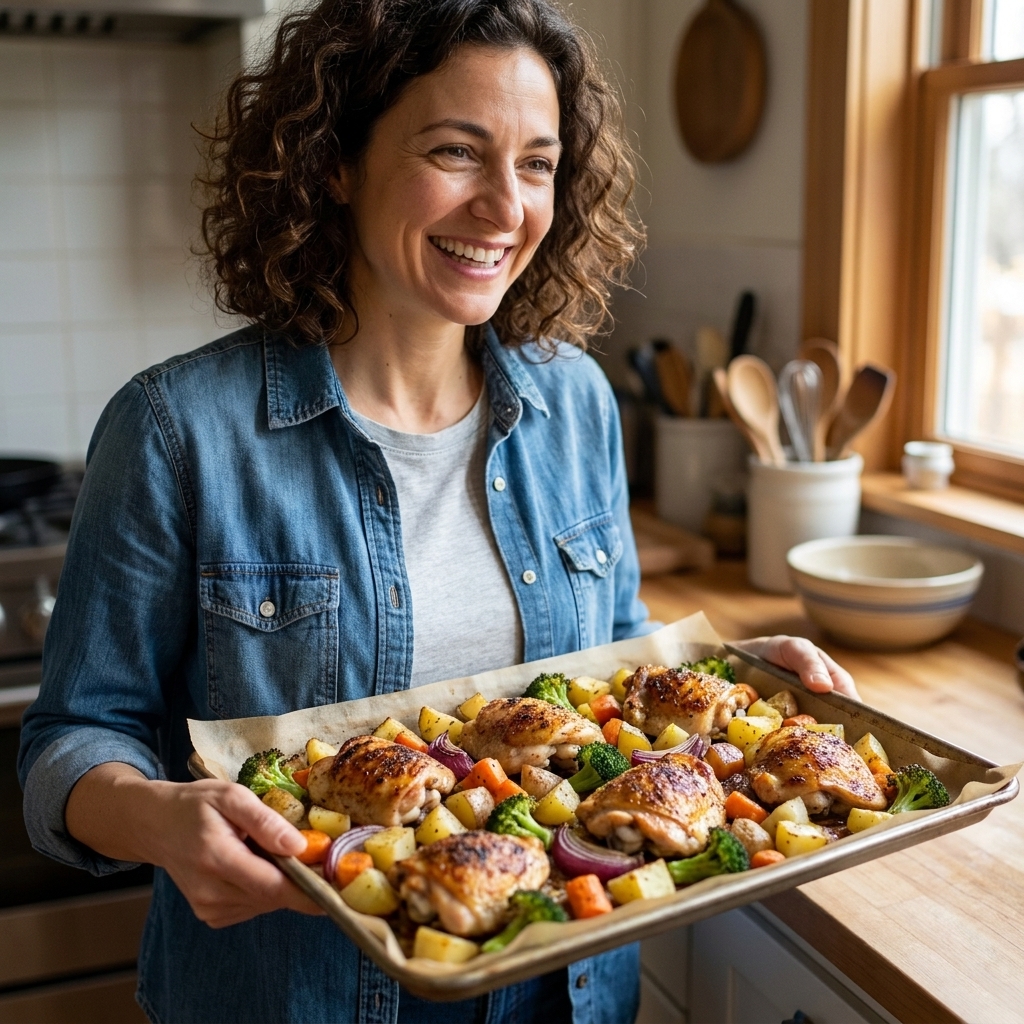
Day 1: Lemon-Garlic Chicken and Sheet Pan Veggies
Time: 35 to 40 minutes
Equipment: sheet pan, mixing bowl
Why you will like it: Minimal chopping, big flavor, and leftovers that reheat well.
Ingredients (serves 4)
- 1.5 lb boneless skinless chicken thighs (or breasts)
- 3 tbsp olive oil, divided
- 1 lemon (zest and juice)
- 3 cloves garlic, minced
- 1 tsp dried oregano
- 1 tsp kosher salt, plus more to taste
- 1/2 tsp black pepper
- 4 cups broccoli florets
- 2 bell peppers, sliced
- 1 small red onion, sliced
Directions
- Heat oven to 425°F.
- Toss chicken with 2 tbsp olive oil, lemon zest and juice, garlic, oregano, salt, and pepper. (If you marinated it on Sunday, you can go straight to the pan.)
- On a sheet pan, toss broccoli, peppers, and onion with remaining 1 tbsp oil and a pinch of salt.
- Nestle chicken among veggies. Roast until chicken reaches 165°F, about 22 to 28 minutes for thighs. If using breasts, start checking around 18 to 20 minutes to avoid drying out.
Fiber boost: Add a quick side salad or extra roasted broccoli.
Estimated macros (per serving): Protein can land in the 30 to 45 g range. Net carbs are typically moderate to low and depend mostly on veggie portions.
Storage and reheat: Refrigerate leftovers up to 3 to 4 days. Reheat on a sheet pan at 350°F until warmed through, or microwave in short bursts so the chicken stays tender.
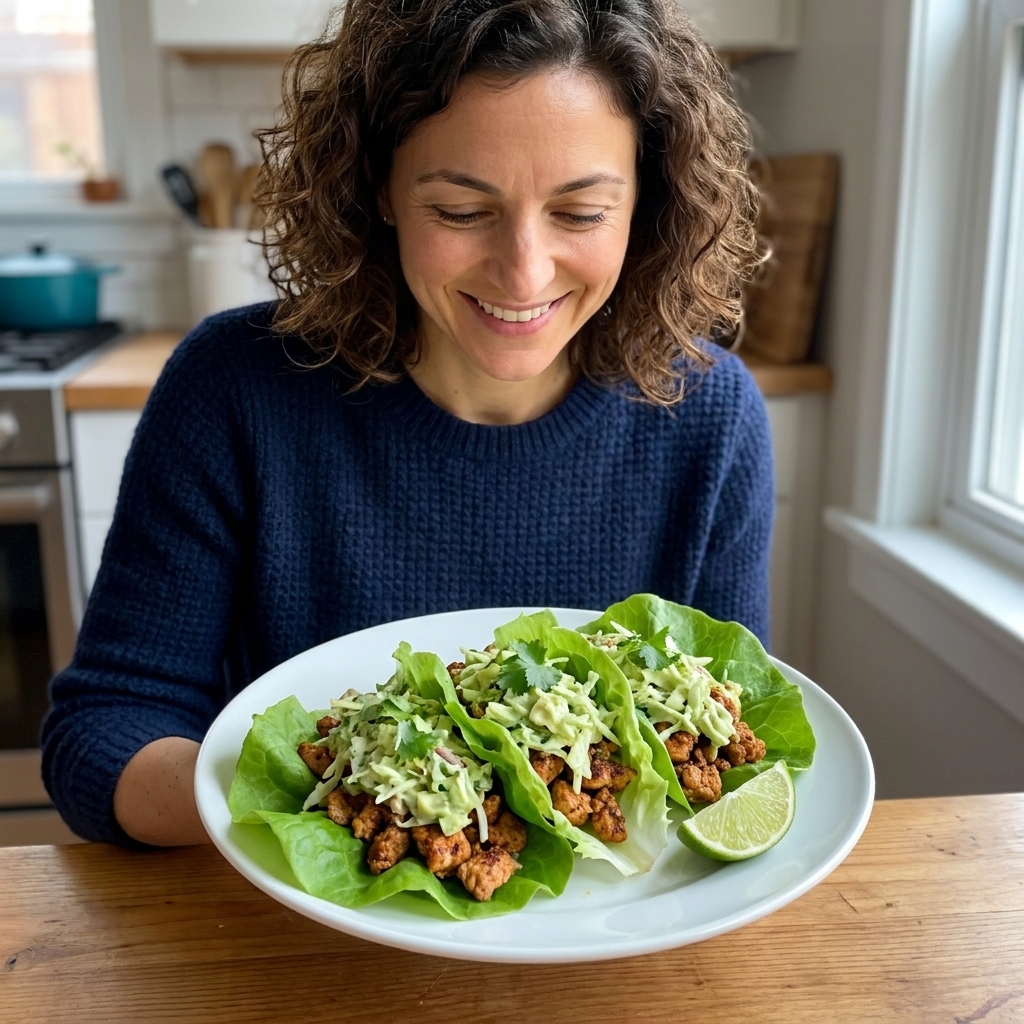
Day 2: Turkey Taco Lettuce Wraps and Avocado Slaw
Time: 20 to 25 minutes
Equipment: skillet, mixing bowl
Why you will like it: Taco night energy with fewer dishes and a crunchy, fiber-forward base.
Ingredients (serves 4)
- For higher protein portions: 1.5 lb ground turkey (93 to 99% lean)
- 1 tbsp olive oil
- 2 tbsp taco seasoning (store-bought or DIY)
- 1/2 cup salsa
- 1 bag shredded slaw mix (about 12 oz)
- 1 avocado
- 1 lime (juice)
- 1/3 cup plain Greek yogurt
- 8 to 12 large romaine leaves or butter lettuce cups
- Optional toppings: shredded cheese, cilantro, pickled jalapeños
Directions
- Brown turkey in olive oil. Stir in taco seasoning and salsa. Simmer 3 to 5 minutes.
- In a bowl, mash avocado with lime juice and yogurt. Toss with slaw. Add salt to taste.
- Spoon taco turkey into lettuce cups and top with slaw.
Portion note: If you want this to reliably feel protein-forward, aim for about 5 to 6 ounces cooked turkey per person and use the slaw like a crunchy topping, not the main event.
Make it stretch: Serve with cauliflower rice, or add black beans for family members who want more carbs and fiber.
Estimated macros (per serving): With the portions above, protein can land around 30 to 40 g. Carbs vary with salsa, seasoning, and toppings.
Storage and reheat: Store turkey and slaw separately. Reheat turkey in a skillet with a splash of water or in the microwave. Slaw is best within 1 to 2 days.
Day 3: Salmon, Dill Yogurt Sauce, and Asparagus
Time: 20 minutes
Equipment: sheet pan, small bowl
Why you will like it: Omega-3 rich, fast cooking, restaurant-level vibes in 20 minutes.
Ingredients (serves 4)
- 4 salmon fillets (5 to 6 oz each)
- 1 tbsp olive oil
- 1 tsp kosher salt
- 1/2 tsp pepper
- 1 lb asparagus, trimmed
- 1 cup plain Greek yogurt
- 2 tbsp chopped fresh dill (or 2 tsp dried)
- 1 tbsp lemon juice
- 1 small garlic clove, grated
Directions
- Heat oven to 425°F. Place salmon and asparagus on a sheet pan. Drizzle with olive oil, season with salt and pepper.
- Roast 10 to 12 minutes (depending on thickness).
- Mix yogurt, dill, lemon juice, garlic, and a pinch of salt. Spoon over salmon.
Weeknight win: Make extra sauce for leftover veggies, salad dressing, or as a creamy topping for Day 6.
Estimated macros (per serving): Protein can land in the 35 to 45 g range depending on fillet size.
Storage and reheat: Refrigerate salmon up to 2 to 3 days. Reheat gently (low microwave power or a 300°F oven) to avoid drying it out. Sauce keeps 3 to 4 days.
Day 4: Beef and Broccoli Stir-Fry
Time: 25 to 30 minutes
Equipment: large skillet or wok
Why you will like it: Takeout feel, steadier energy for many people. No added sweetener needed.
Ingredients (serves 4)
- 1.5 lb flank steak, sirloin, or ground beef
- 5 to 6 cups broccoli florets
- 2 tbsp avocado oil (or olive oil), divided
- 3 cloves garlic, minced
- 1 tbsp grated fresh ginger
- 1/3 cup low-sodium soy sauce (or tamari for gluten-free)
- 1 tbsp rice vinegar
- 1 tsp toasted sesame oil
- 1 tsp cornstarch (optional, for thickening)
- Optional: chili flakes, sliced scallions, sesame seeds
Directions
- Whisk soy sauce, vinegar, sesame oil, and cornstarch (if using).
- Sear beef in 1 tbsp oil. Remove to a plate.
- Add remaining oil, then add broccoli and a splash of water. Cover and steam-sauté 3 to 5 minutes until bright green and just tender.
- Uncover, add garlic and ginger, and cook 30 to 60 seconds until fragrant.
- Return beef to pan, pour in sauce, toss 1 to 2 minutes until glossy.
Serve with: Cauliflower rice, sautéed cabbage, or zucchini noodles.
Estimated macros (per serving): Protein can land around 35 to 50 g, depending on the cut and fat level. Carbs vary by sauce brand and broccoli portion.
Storage and reheat: Refrigerate up to 3 to 4 days. Reheat in a skillet with a splash of water to loosen the sauce.
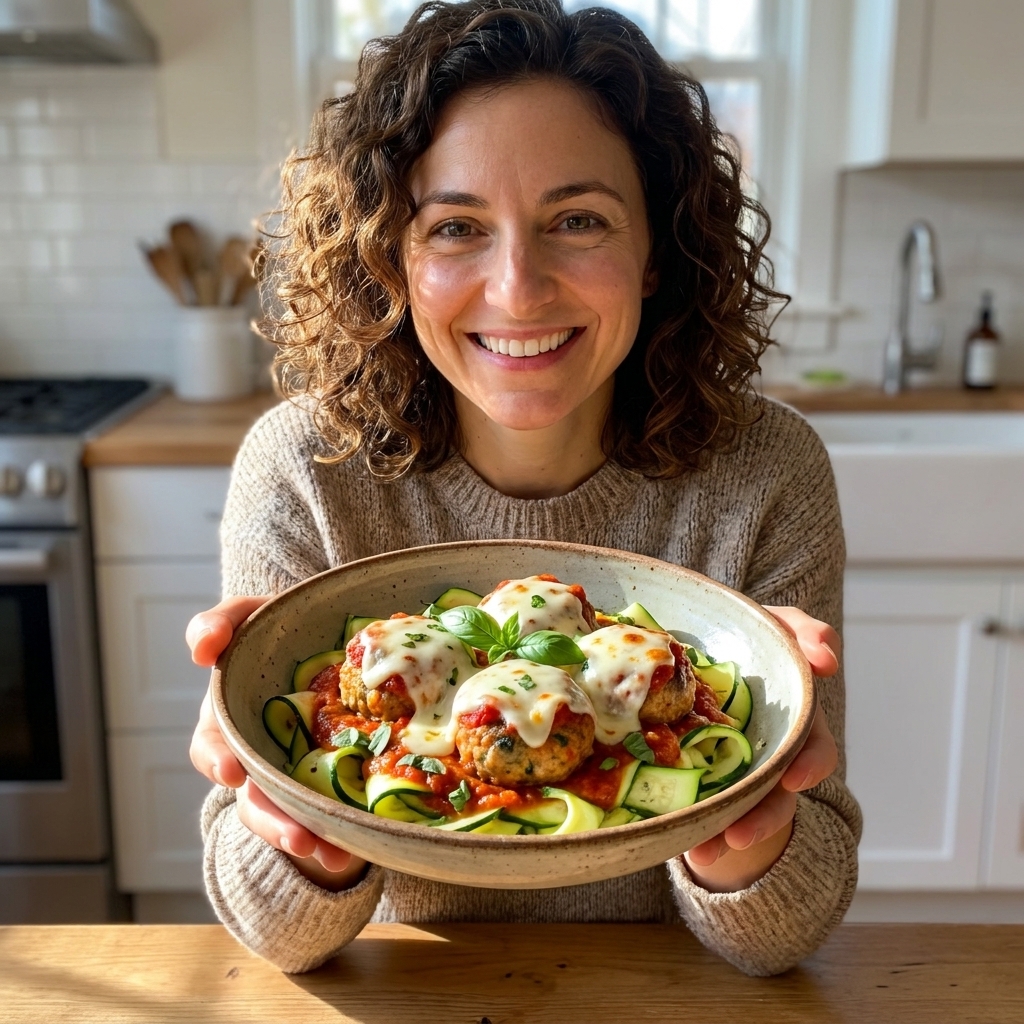
Day 5: Chicken Parm Meatballs and Zucchini
Time: 35 to 45 minutes
Equipment: sheet pan, saucepan, skillet
Why you will like it: All the comfort, less carb heaviness. Kids usually approve.
Ingredients (serves 4)
- 1.5 lb ground chicken
- 1/2 cup grated Parmesan
- 1/2 cup almond flour (or regular breadcrumbs if not strictly low-carb)
- 1 egg
- 1 tsp Italian seasoning
- 1 tsp kosher salt
- 2 cups marinara (choose no added sugar if possible)
- 1 to 1.5 cups shredded mozzarella
- 4 to 6 medium zucchini, spiralized or peeled into ribbons (about 6 to 8 cups)
- 1 tbsp olive oil
Directions
- Heat oven to 400°F. Mix chicken, Parmesan, almond flour, egg, seasoning, and salt. Roll into meatballs.
- Bake 18 to 20 minutes.
- Warm marinara, add meatballs, top with mozzarella, and broil 2 to 3 minutes to melt.
- Quick sauté zucchini ribbons in olive oil for 2 to 3 minutes, just until tender. Serve meatballs and sauce over zucchini.
Meal prep tip: Meatballs freeze beautifully. Double the batch if you can.
Estimated macros (per serving): Protein can land in the 35 to 45 g range. Carbs vary widely with marinara brand and portion size.
Storage and reheat: Refrigerate meatballs and sauce up to 3 to 4 days. Freeze meatballs up to 3 months. Reheat gently on the stove or in the microwave.
Day 6: Shrimp Fajita Skillet
Time: 15 to 20 minutes
Equipment: large skillet
Why you will like it: Fastest dinner in the lineup. High protein, lower-carb, tons of volume.
Ingredients (serves 4)
- 1.5 lb peeled, deveined shrimp
- 2 tbsp olive oil
- 3 bell peppers, sliced
- 1 large onion, sliced
- 2 tsp chili powder
- 1 tsp cumin
- 1/2 tsp smoked paprika
- 1/2 tsp salt, plus more to taste
- Juice of 1 lime
- Optional toppings: Greek yogurt, guacamole, salsa
- Optional creamy swap: leftover dill yogurt sauce from Day 3
Directions
- Sauté peppers and onion in 1 tbsp oil until tender-crisp, about 6 to 8 minutes.
- Add shrimp, remaining oil, and spices. Cook 3 to 5 minutes until shrimp are pink and opaque.
- Finish with lime juice. Add toppings.
Serve it: In bowls over chopped romaine, or with cauliflower rice. If your family wants tortillas, offer them on the side.
Lower-carb note: This stays very low-carb if you skip tortillas and keep toppings unsweetened. Peppers, onions, and salsa still add carbs, which is totally fine, just worth knowing if you are tracking.
Estimated macros (per serving): Protein can land around 35 to 45 g. Carbs depend mostly on peppers, onions, and toppings.
Storage and reheat: Shrimp is best fresh, but leftovers keep 1 to 2 days. Reheat gently so it stays tender.
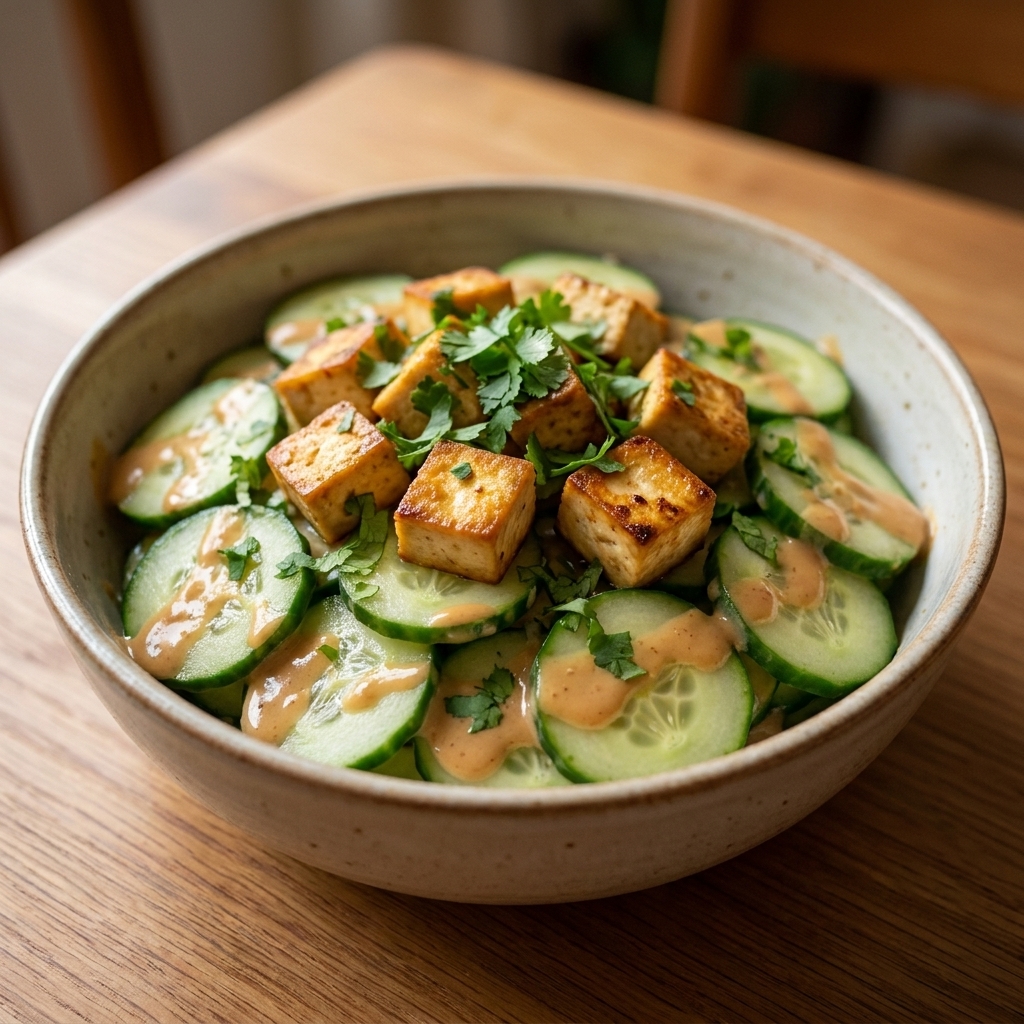
Day 7: Baked Tofu or Chicken and Cucumber Salad
Time: 30 to 40 minutes
Equipment: sheet pan, mixing bowl
Why you will like it: A fresh, crunchy reset night that still hits protein goals.
Ingredients (serves 4)
- Option A (tofu): 3 blocks extra-firm tofu (about 14 oz each), pressed and cubed
- Option B (chicken): 1.5 lb chicken breast, cubed
- 2 tbsp avocado oil
- 2 tbsp soy sauce or tamari
- 1 tbsp rice vinegar
- 1 tsp garlic powder
- 2 large cucumbers, thinly sliced
- 1/2 cup shredded carrots (optional)
- 2 tbsp peanut butter
- 1 tbsp lime juice
- 1 to 2 tbsp warm water (to thin)
- Optional: cilantro, crushed peanuts, chili flakes
Directions
- Press the tofu (if using): Press 15 minutes in a towel with a heavy pan on top, or use a tofu press. Drier tofu crisps better.
- Heat oven to 425°F. Toss tofu or chicken with oil, soy sauce, vinegar, and garlic powder. Spread on a sheet pan.
- Bake tofu 25 to 30 minutes (toss halfway) or chicken 16 to 20 minutes (until 165°F).
- Whisk peanut butter, lime juice, and water into a drizzleable sauce. Taste for salt.
- Toss cucumbers (and carrots) with half the sauce, top with protein, and drizzle more on top.
Protein note: Tofu protein varies by brand. If you want this meal to feel as protein-forward as the chicken version, either use the larger tofu amount listed, increase your portion, or add shelled edamame on the side.
Estimated macros (per serving): Chicken version can land around 35 to 45 g protein. Tofu version is often lower unless you use higher-protein tofu and larger portions.
Storage and reheat: Keep salad and protein separate. Reheat tofu or chicken in the oven or air fryer for crispness. Leftover peanut sauce keeps 4 to 5 days.
Shopping list (1 week)
Proteins
- Chicken thighs or breasts (3 to 4 lb)
- Ground turkey (1.5 lb)
- Salmon (4 fillets)
- Beef (1.5 lb flank, sirloin, or ground)
- Shrimp (1.5 lb)
- Extra-firm tofu (3 blocks) optional
- Greek yogurt (large tub)
- Eggs (1)
- Shredded mozzarella and Parmesan
Produce
- Broccoli (large heads or bagged florets)
- Asparagus
- Zucchini (4 to 6)
- Bell peppers (6 to 8)
- Onions (2 to 3)
- Romaine or butter lettuce
- Cucumbers (2)
- Lemons (2) and limes (3 to 4)
- Garlic, ginger
- Fresh dill (optional)
- Slaw mix (1 bag)
Pantry
- Olive oil or avocado oil
- Taco seasoning
- Marinara (no added sugar if you can find it)
- Salsa
- Soy sauce or tamari
- Rice vinegar
- Sesame oil
- Peanut butter
- Italian seasoning, oregano, chili powder, cumin, smoked paprika
- Almond flour (or breadcrumbs)
Easy swaps and allergy notes
- Dairy-free: Use an unsweetened dairy-free yogurt for sauces and slaw (coconut or almond based), or swap to an olive oil and lemon vinaigrette.
- Gluten-free: Use tamari or certified gluten-free soy sauce.
- Nut-free: Swap peanut butter for sunflower seed butter (taste and salt as you go).
- Fish-free: Replace salmon with chicken or shrimp and keep the same sheet-pan format.
- Extra vegetarian protein: Add edamame, tempeh, or a side of cottage cheese or Greek yogurt (if you eat dairy) to bump protein without adding much carb.
How to keep it sustainable
- Pick your carb dial. Some nights you might do cauliflower rice, other nights you might want a small baked potato. Both can fit. Energy and consistency matter more than perfection.
- Do not skip vegetables to be lower-carb. Most non-starchy veggies are naturally low in carbs and high in fiber. They are the easiest way to make a low-carb dinner feel like a real dinner.
- Use sauces with intention. A little honey in a sauce is not a moral failing. If your energy crashes after very sweet sauces, try lower-sugar versions most nights and keep the classics for when you really want them.
- Plan for leftovers on purpose. Double one dinner (meatballs or sheet-pan chicken) so you have a low-effort night later.
Plate empathy reminder: A good dinner is the one you can make on a Tuesday, eat with enjoyment, and move on from without stress.
FAQ
Is low-carb OK for long-term energy?
For many people, a lower-carb dinner may support steadier evening energy and fewer late-night cravings, especially when it includes enough protein, fiber, and overall calories. If you feel wired, tired, or ravenous, it may be a sign you went too low in carbs or too low in total intake. Try adding a small portion of a higher-fiber carb (beans, fruit, quinoa, sweet potato) and see how you feel.
How much protein should I aim for at dinner?
A practical range for many adults is 25 to 45 grams at dinner, depending on body size, activity, and total daily intake. If you are strength training or trying to maintain muscle while losing weight, you may benefit from the higher end of that range.
What if I do not eat meat?
Seafood, eggs, Greek yogurt, cottage cheese, tofu, tempeh, and edamame are your best low-carb leaning options. Beans and lentils are higher in carbs but also high in fiber and protein, and can still fit depending on your goals.
Any quick side ideas that stay low-carb?
- Bagged salad plus olive oil and vinegar
- Microwaved frozen broccoli with Parmesan
- Sautéed spinach with garlic
- Cucumber and tomato salad with feta
- Roasted cauliflower with curry powder