Ten budget-friendly vegetarian and vegan proteins, with no-fuss prep tips, storage advice, and simple ways to use each one all week.
Platepathy
7-Day High-Protein Vegetarian Meal Plan (with Sunday Prep)
A full week of high-protein vegetarian breakfasts, lunches, dinners, and snacks, plus a streamlined Sunday prep schedule and grocery list for busy lives.

Elena Rossi
Elena Rossi is a Registered Dietitian and meal prep expert who believes that healthy eating shouldn't feel like a second job. Through Platepathy, she translates complex nutrition science into approachable, delicious meal plans designed for real, busy lives.
Published October 18, 2026
Last updated October 18, 2026
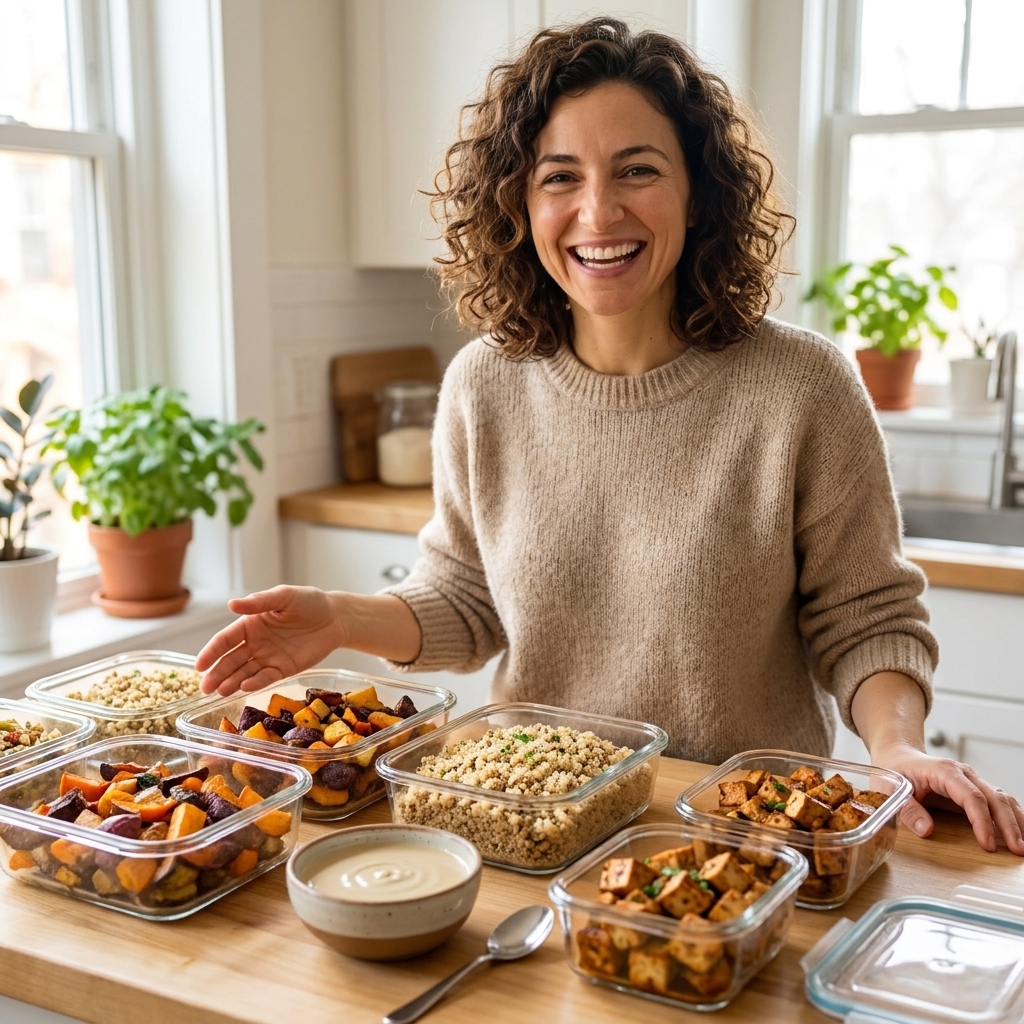
If you have ever stared into the fridge at 5:32 PM thinking, “I need dinner to be healthy, high-protein, and fast,” welcome. This is the kind of plan I wish I had back in my project-manager-takeout era. It is vegetarian, high in protein, and built for real life: repeatable components, minimal midweek chopping, and meals that still taste like something you want to eat.
How this plan works: You will cook a few versatile proteins and staples on Sunday, then mix-and-match them into quick meals all week. Each day includes breakfast, lunch, dinner, plus one snack option. Portions are written for one adult. Double for two, and for families use the “batch notes” under each dinner.
Protein targets, without diet-culture noise
“High-protein” can mean a lot of things. A common, practical target many people use is aiming for about 25 to 35 grams of protein per meal and about 10 to 20 grams for snacks.
Real-life caveat: needs vary with body size, age, activity, and goals. Use these numbers as a helpful starting point, not a moral scorecard.
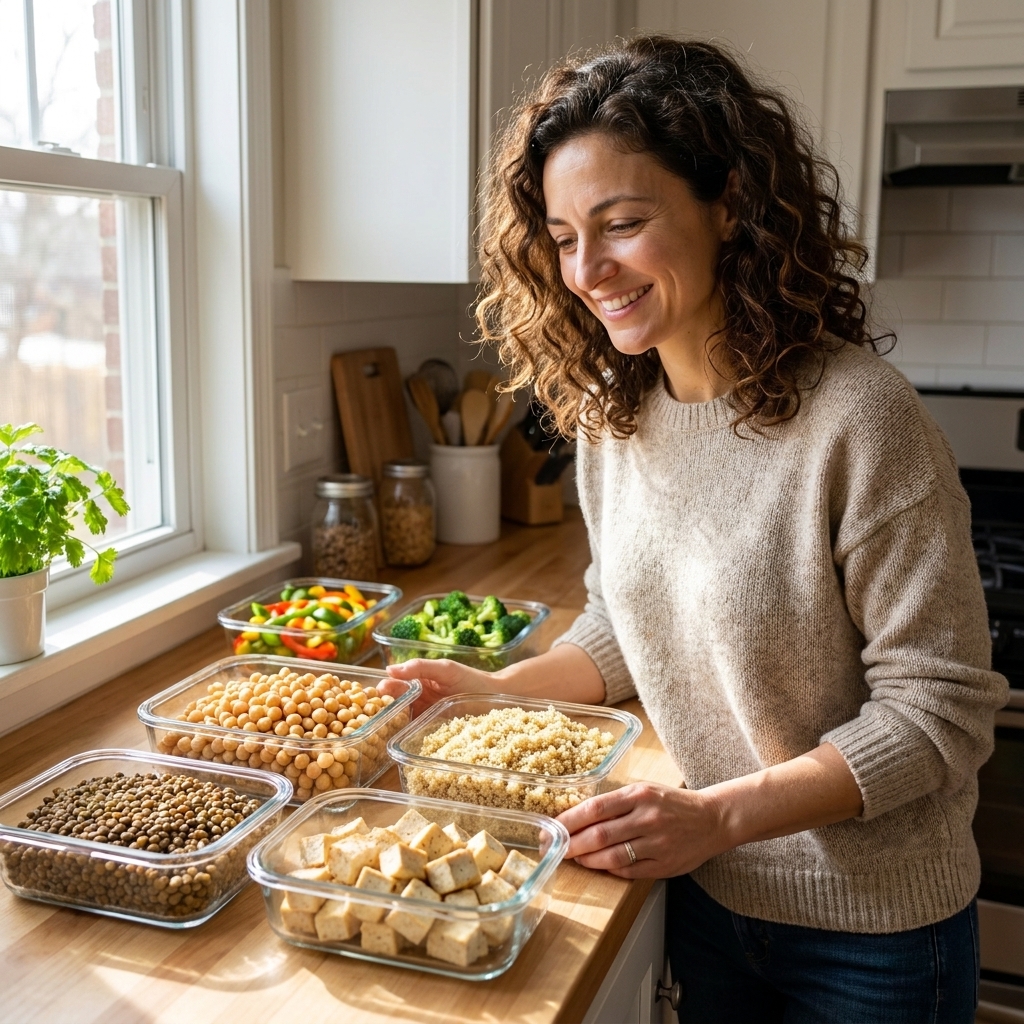
This plan leans on evidence-based vegetarian protein staples:
- Greek yogurt and cottage cheese (if you include dairy)
- Eggs
- Tofu and tempeh
- Edamame
- Lentils, chickpeas, black beans
- Seitan (if gluten works for you)
- Protein pasta (like chickpea or lentil pasta)
- Nuts and seeds (great add-ons, not usually the main protein)
Plate empathy reminder: You do not need to “earn” your food or hit a perfect number. Protein is a tool. We use it here because it keeps you full, supports muscle, and makes vegetarian meals feel truly satisfying.
Quick portion anchors
If protein math makes your eyes glaze over, these “anchor” portions help keep meals reliably filling:
- Greek yogurt: 3/4 to 1 cup (about 170 to 225 g)
- Cottage cheese: 3/4 to 1 cup
- Tofu: 6 to 8 oz per main meal
- Tempeh: 4 to 6 oz per main meal
- Beans or lentils: about 1 cup cooked (or a generous 1/2 can, drained)
- Edamame: 1 cup shelled
These are not rules. They are training wheels for busy weeks.
The 7-day meal plan (breakfast, lunch, dinner, snack)
Prep assumption: You will do the Sunday prep below. If you cannot, you can still follow the plan using store-bought shortcuts like microwavable grains, pre-chopped veggies, jarred sauces, and baked tofu.
Optional protein reality check: I included rough protein estimates for a few meals so you can see the plan in action. Numbers vary by brand and portion size, so check labels if you need precision.
Day 1 (Monday)
- Breakfast: Greek yogurt protein bowl with berries, chia, and granola
Protein note: 1 cup Greek yogurt can put you in the ballpark of ~20 g before add-ins.
Tip: Stir in 1 tablespoon peanut butter or 1 scoop protein powder if you want an extra boost. - Lunch: Lentil quinoa chopped salad with feta (optional) and lemon-tahini dressing
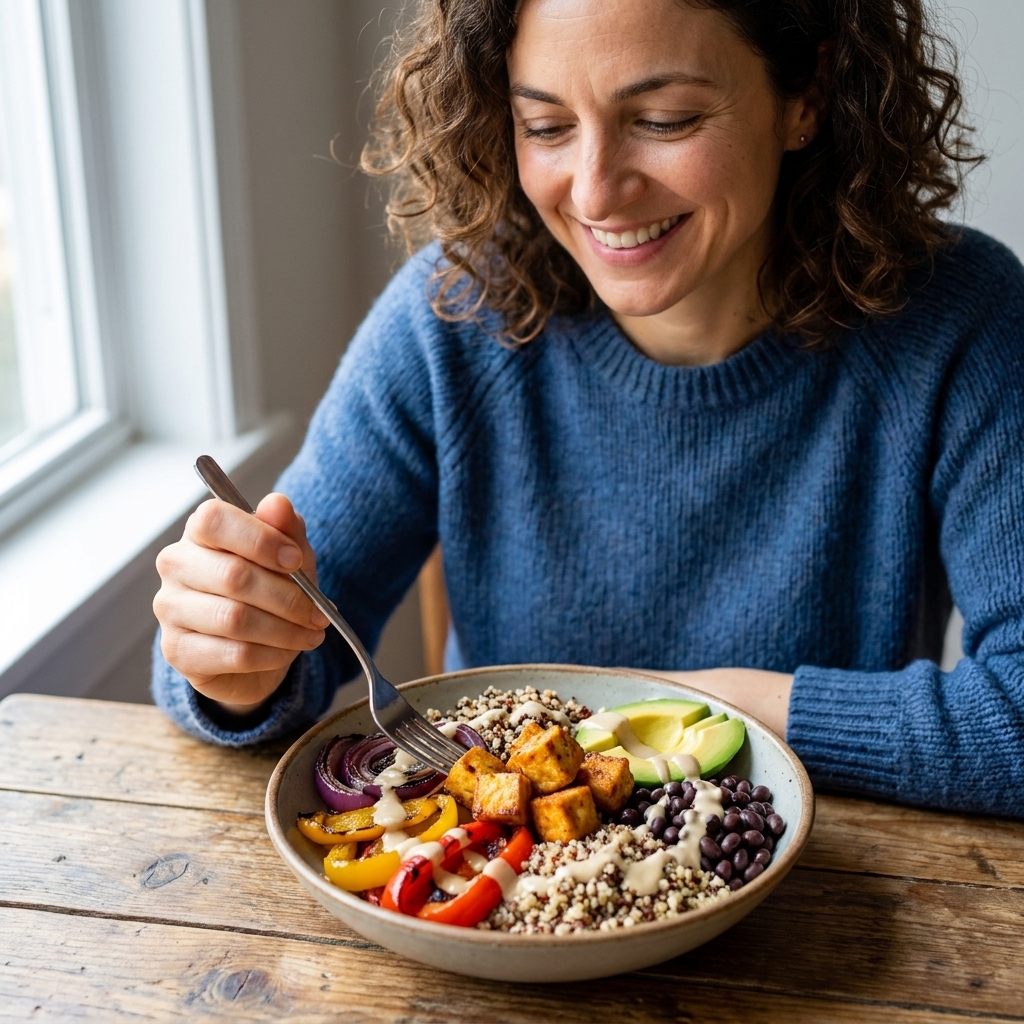
- Dinner: Sheet-pan tofu fajita bowls (tofu + peppers/onions) over brown rice, topped with avocado and salsa
Batch note: Make 2 bowls worth. Tomorrow, turn the extra into a fast lunch by serving it over greens with a squeeze of lime. Add black beans if you want it extra hearty. - Snack: Cottage cheese with pineapple (or peaches) and cinnamon
Day 2 (Tuesday)
- Breakfast: Veggie egg muffins (2 to 3) + fruit
- Lunch: Leftover tofu fajita bowl turned into a salad (serve over greens with extra beans if desired)
- Dinner: Red lentil pasta with spinach and garlicky marinara, plus roasted broccoli
Protein note: Protein pasta plus a hearty serving of sauce and spinach can land you around ~25 to 35 g depending on portions and brand.
Batch note: Cook extra pasta for Thursday lunch. - Snack: Roasted edamame or steamed edamame with flaky salt
Day 3 (Wednesday)
- Breakfast: Overnight oats with Greek yogurt, milk, chia, and frozen berries
- Lunch: Hummus and veggie wrap with added protein (sliced baked tofu or 2 hard-boiled eggs)
- Dinner: Chickpea and veggie curry over quinoa, topped with yogurt and cilantro (optional)
Batch note: Curry often tastes even better the next day. Make 2 to 3 servings. - Snack: Apple + 2 tablespoons peanut butter
Day 4 (Thursday)
- Breakfast: Savory cottage cheese toast with tomato, cucumber, and everything seasoning
Protein note: 3/4 to 1 cup cottage cheese typically brings this into the “actually filling” zone. - Lunch: Leftover red lentil pasta bowl with extra spinach and a sprinkle of parmesan (optional)
- Dinner: Tempeh “taco” lettuce wraps with black beans, corn, and quick yogurt-lime sauce
Protein note: A 4 to 6 oz tempeh portion plus beans is reliably high-protein.
Batch note: Use leftover filling for a Friday lunch quesadilla. - Snack: Protein smoothie (Greek yogurt + milk + frozen fruit + spinach)
Day 5 (Friday)
- Breakfast: Greek yogurt bowl with banana, walnuts, and cinnamon
- Lunch: Quesadilla with leftover tempeh filling + black beans + cheese (optional), served with salsa
- Dinner: High-protein “pantry” chili (beans + lentils) topped with Greek yogurt and crushed tortilla chips
Batch note: Freeze 1 to 2 portions for future-you. - Snack: Carrots + hummus, plus a handful of pumpkin seeds
Day 6 (Saturday)
- Breakfast: Breakfast burrito (egg + black beans + veggies) using prepped ingredients
- Lunch: Big “clean-out-the-fridge” power bowl: quinoa + roasted veggies + tofu or edamame + tahini dressing
- Dinner: Veggie stir-fry with edamame and seitan (or tofu) over rice, finished with sesame and soy-ginger sauce
- Snack: Trail mix (nuts + seeds + a few chocolate chips) or a skyr cup (high-protein yogurt)
Day 7 (Sunday)
- Breakfast: Protein pancakes (use eggs + cottage cheese blended, or a protein pancake mix) + berries
- Lunch: Leftover chili or curry
- Dinner: “Reset” salad bar night: greens + chopped veggies + quinoa + boiled eggs or tofu + beans + dressing of choice
Batch note: Use this dinner to finish anything that will not make it another week. - Snack: Greek yogurt with cocoa powder and a drizzle of honey
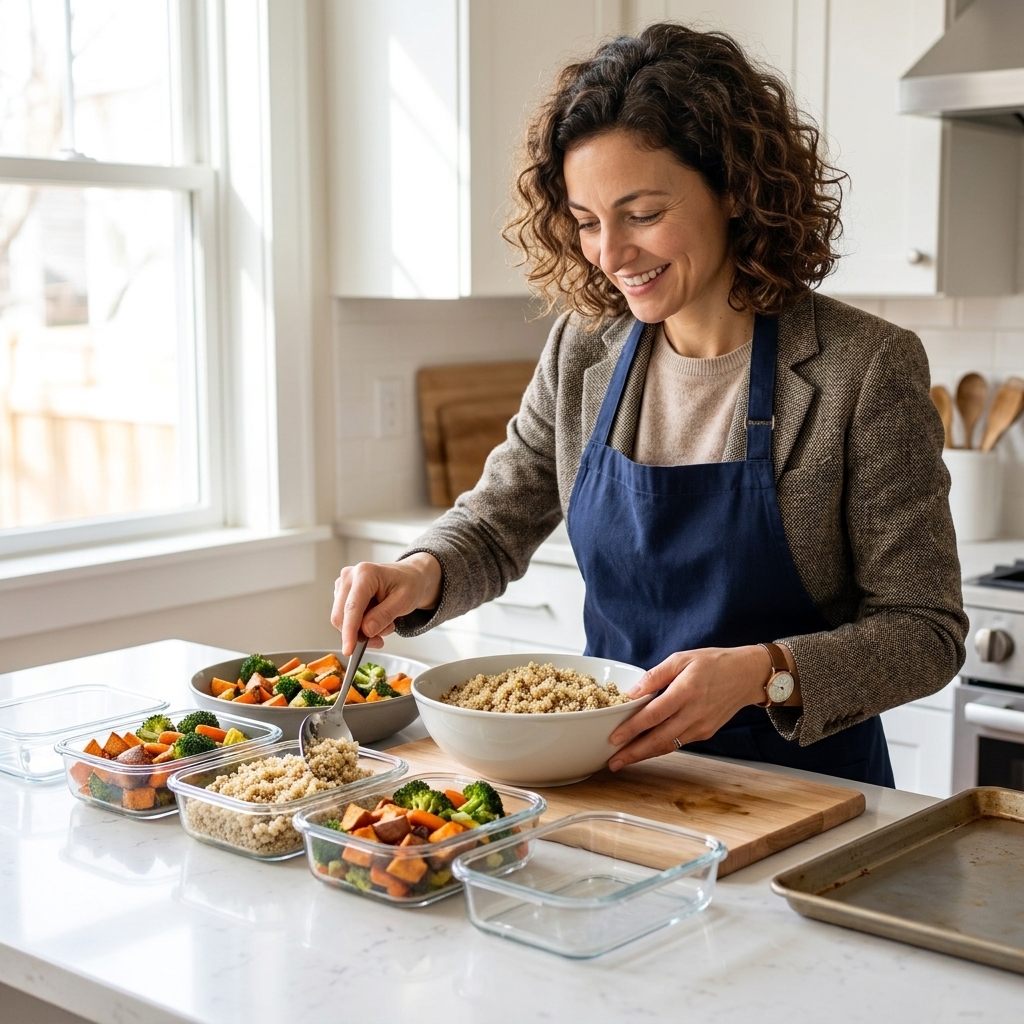
Sunday prep schedule (about 2 to 2.5 hours)
This is my favorite kind of prep: you set yourself up for the week without turning Sunday into an unpaid culinary internship.
How the timing works: Several steps overlap while things roast or simmer. If you are newer to meal prep, read through once, then start. It flows.
Step 1: Start the oven and grains (0:00 to 0:10)
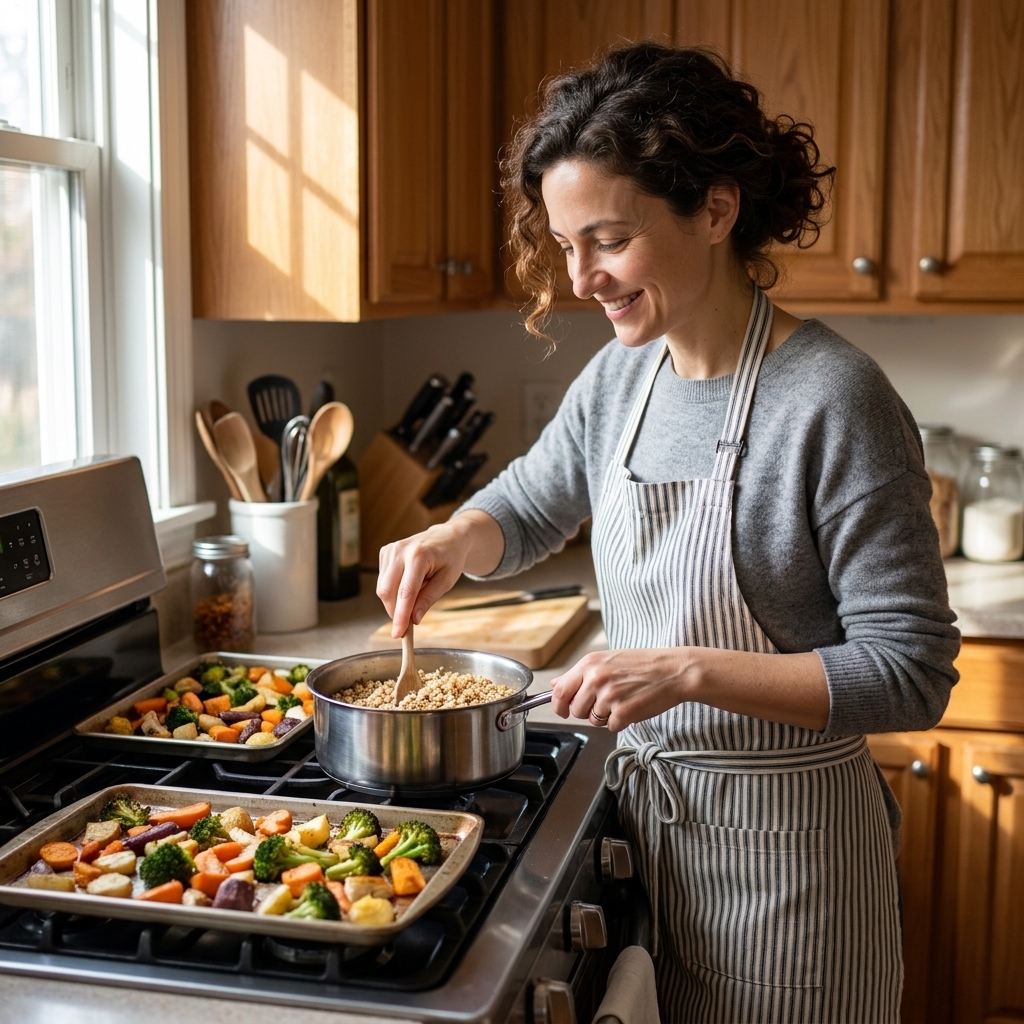
- Preheat oven to 425°F.
- Start quinoa (about 1.5 cups dry) and/or brown rice (about 1 cup dry) according to package directions.
Step 2: Roast veggies + bake tofu (0:10 to 0:55)
- Sheet pan 1: fajita veggies (sliced bell peppers + onions) with olive oil, salt, cumin, chili powder.
- Sheet pan 2: broccoli florets (or mixed veggies) with olive oil, salt, garlic powder.
- Tofu: press if you have time, cube, then toss with 1 tablespoon soy sauce, 1 teaspoon oil, and 1 tablespoon cornstarch (optional for crispness). Roast on one pan or a third pan.
Roast 20 to 30 minutes, stirring once, until browned.
Step 3: Make the lentil base (0:20 to 1:05)
- Cook green or brown lentils (about 1 to 1.5 cups dry) until tender. Drain and cool.
- Optional shortcut: use two 15-ounce cans lentils, rinsed and drained.
Step 4: Mix sauces (0:55 to 1:20)
- Lemon-tahini dressing: tahini + lemon juice + minced garlic + salt + water to thin.
- Yogurt-lime sauce: Greek yogurt + lime juice + pinch salt + cumin.
- Soy-ginger stir-fry sauce: soy sauce + rice vinegar + grated ginger + a little maple syrup or honey (optional).
Step 5: Prep breakfasts (1:20 to 2:05)
- Egg muffins: whisk 10 to 12 eggs with chopped spinach and peppers, bake in a greased muffin tin at 350°F for 18 to 22 minutes.
- Overnight oats: assemble 2 to 3 jars with oats + chia + milk + Greek yogurt + frozen berries.
Step 6: Portion and pack (2:05 to 2:30)
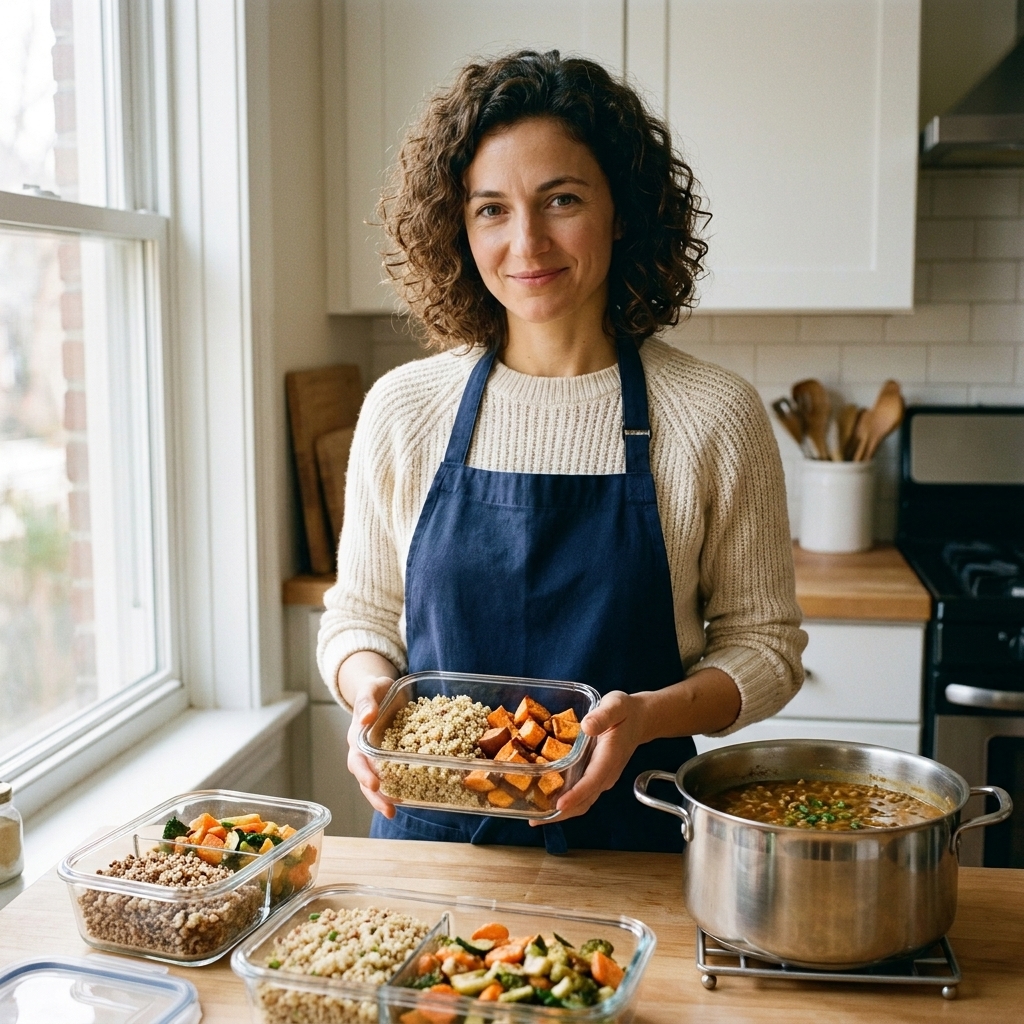
- Pack grains, roasted veggies, tofu, and lentils into containers you can grab quickly.
- Store sauces separately.
- Wash greens and herbs, then dry well for better shelf life.
Storage notes: Most cooked components are best within 3 to 4 days for peak freshness and conservative food safety, though many people find some items hold up to 5 days if cooled quickly and refrigerated promptly. When in doubt, freeze half your cooked grains or chili and thaw midweek.
Grocery list (1 adult, 7 days)
Adjust quantities for appetite and household size. If you already have staples like oil, spices, and soy sauce, you are ahead.
Produce
- 3 bell peppers
- 2 large onions
- 2 heads broccoli (or 2 bags florets)
- 2 cucumbers
- 1 pint cherry tomatoes
- 1 bag baby spinach (10 to 16 oz)
- 1 large mixed greens container
- 1 bunch cilantro (optional)
- 4 to 5 limes and 4 to 5 lemons
- 2 avocados
- 2 to 3 apples
- 3 bananas
- 2 cups berries (fresh or frozen)
- 1 small pineapple or 1 jar/can pineapple chunks
- Garlic and fresh ginger
Proteins
- 2 blocks extra-firm tofu
- 1 package tempeh (or extra tofu if preferred)
- 1 bag frozen shelled edamame
- 18 eggs (or 12 if skipping egg muffins)
- Greek yogurt, plain (32 oz)
- Cottage cheese (16 to 24 oz)
- Optional: seitan (1 package) or extra edamame/tofu
Canned and packaged
- Black beans (2 cans)
- Chickpeas (2 cans)
- Diced tomatoes (2 cans)
- Tomato sauce or marinara (1 to 2 jars)
- Coconut milk (1 can, for curry)
- Hummus (1 container)
- Roasted salsa (1 jar)
Grains and bread
- Quinoa (1 bag)
- Brown rice (1 bag) or microwavable rice
- Old-fashioned oats
- Lentil or chickpea pasta (1 box)
- Whole wheat tortillas or wraps
- Bread (for toast)
- Granola (or make your own)
Nuts, seeds, and pantry
- Tahini
- Chia seeds
- Peanut butter
- Walnuts or almonds
- Pumpkin seeds
- Olive oil
- Soy sauce (or tamari)
- Rice vinegar
- Maple syrup or honey (optional)
- Cornstarch (optional, for crispy tofu)
Spices and extras
- Cumin, chili powder, garlic powder
- Salt and black pepper
- Everything bagel seasoning
- Optional: nutritional yeast, parmesan, feta
Meal assembly shortcuts
- Protein bowl formula: grain + roasted veg + protein (tofu/edamame/beans) + sauce + crunchy topper (seeds, crushed chips, nuts).
- Fast lunch upgrade: add 1 cup edamame to almost any salad for an easy protein bump.
- Emergency dinner: lentil pasta + jarred marinara + a few handfuls spinach. Add cottage cheese on top for a creamy, high-protein twist.
- Make leftovers feel new: switch the sauce. Tahini one day, salsa the next, soy-ginger later.
Swaps for common needs
If you are dairy-free
- Use unsweetened soy yogurt, which is often higher-protein than many non-dairy alternatives. Check labels and choose what you like.
- Choose calcium-set tofu and edamame often. Look for calcium sulfate on the ingredient list if calcium is a priority for you.
- Skip cheese, or use a fortified plant-based option you enjoy.
If you are egg-free
- Replace egg muffins with tofu scramble (prep 3 to 4 servings).
- Use extra beans, tofu, tempeh, and soy yogurt for breakfast protein.
If you want even more protein
- Add 1 scoop protein powder to overnight oats or smoothies.
- Choose high-protein pasta and add edamame into the pot for the last 2 minutes of cooking.
- Use a bigger tofu portion at dinner (6 to 8 oz) if it feels good in your body.
Allergen notes
- Soy: tofu, tempeh, edamame, soy sauce, soy yogurt
- Dairy: Greek yogurt, cottage cheese, optional cheese
- Eggs: egg muffins, pancakes, burritos
- Gluten: seitan, some wraps/tortillas, some pastas (choose gluten-free if needed)
- Nuts: peanut butter, trail mix, walnuts, some sauces depending on brands
Sodium note
Meal prep can get salty fast with jarred marinara, salsa, soy sauce, and seasoned beans. If you are watching sodium, choose low-sodium canned goods, use reduced-sodium soy sauce, and brighten meals with lemon, lime, vinegar, garlic, and herbs instead of extra salt.
Food safety and storage
- Cool cooked foods within 2 hours and refrigerate in shallow containers for faster chilling.
- Keep sauces separate to avoid soggy bowls.
- For salads, store wet ingredients (tomatoes, dressing) apart until serving.
- Most leftovers are best within 3 to 4 days. If you will not get to it, freeze it.
- Freeze chili and curry in single portions for easy future meals.
FAQ
Is this plan suitable for weight loss?
It can be, but it is not designed as a weight loss program. It is designed for balanced, high-protein vegetarian eating that supports fullness and steady energy. If weight change is a goal, small portion adjustments and consistent routines usually matter more than “perfect” meals.
Can I make this vegan?
Yes. Swap Greek yogurt and cottage cheese for higher-protein soy yogurt, use tofu scramble instead of egg muffins, and lean more on tofu, tempeh, edamame, beans, lentils, and seitan.
How high is “high-protein” here, realistically?
Most lunches and dinners built around tofu, lentils, beans, Greek yogurt, and protein pasta can land in a high-protein range for vegetarian eating, especially if you use the portion anchors above. If you need higher amounts, use the “even more protein” swaps.
What if I hate tofu?
No problem. Sub in tempeh, seitan, edamame, or extra beans and lentils. You can also use paneer or halloumi if you eat dairy.
A gentle next step
If you want, start with just the Sunday prep and make Monday and Tuesday from this plan. That is often the sweet spot where momentum builds without overwhelm. Plate empathy first: the plan works for you, not the other way around.