A Sunday troubleshooting guide to juicy chicken all week: the real reasons meal-prep chicken dries out and six simple fixes, from even sizing to gentler rehe...
Platepathy
Chicken Breast vs. Chicken Thigh for Weekly Meal Prep
Choosing one chicken cut for a week of lunches and dinners? Here’s how boneless breast and boneless thigh compare for protein, calories, cost, and how well they slice or shred for bowls, wraps, and salads.

Elena Rossi
Elena Rossi writes Platepathy's meal planning guides, translating nutrition research into approachable, delicious meal plans for real, busy lives.
Published November 15, 2026
I used to treat the chicken aisle like a personality test. Chicken breast meant I was being “good.” Chicken thighs meant I was being “bad.” Then I became a working mom with a degree in dietetics and a calendar that does not care about my food guilt. Now I buy what will actually make it from Sunday prep to Thursday lunch without turning sad in the fridge.
If you are cooking one protein to split into lunches and dinners, boneless skinless chicken breast and boneless skinless chicken thighs both absolutely work. They just behave differently in your container, your budget, and your bite.
The quick answer
- Choose chicken breast when you want the leanest option, very high protein per calorie, and clean slices for salads and wraps.
- Choose chicken thighs when you want the most forgiving, juicy results over several days, especially for shredding into bowls, tacos, and saucy meals.
If you have time, keep reading for the details that matter for weekly meal prep: protein, calories, cost per serving, and how each cut holds up by day 4.
Nutrition: protein, calories, reheating
Nutrition labels vary by brand and trimming, and your final numbers depend on cooking method. But these are reliable ballpark comparisons for cooked boneless, skinless meat. Think of them as typical USDA-style estimates, not a promise for every package.
Typical macros per 4 oz cooked
- Chicken breast: about 170 to 190 calories, 32 to 36 g protein, 3 to 5 g fat
- Chicken thigh: about 200 to 230 calories, 24 to 28 g protein, 10 to 14 g fat
What that means in real life: breast gives you more protein for fewer calories, while thighs bring more fat, which usually means more flavor and better texture after reheating. That extra fat is not a moral issue. It is a practical one: it helps keep your chicken from feeling dry by Wednesday.
What changes when you reheat: cooked chicken loses moisture as it cools and sits, and microwaves tend to overheat the outer edges first. Lean breast has less wiggle room, so it can cross from tender to dry fast. Thighs handle reheating better because the higher fat content helps buffer that dryness.
If you are trying to hit a high-protein target without adding many calories, breast makes that simpler. If your goal is to keep meals satisfying (and not require a rescue sauce every time), thighs often make prep feel easier.
Microwave tip I actually use: reheat in short bursts at lower power, and add a small splash of water or broth to the container (or keep a spoonful of pan juices with the chicken). It helps both cuts, especially breast.
Cost: what you will pay
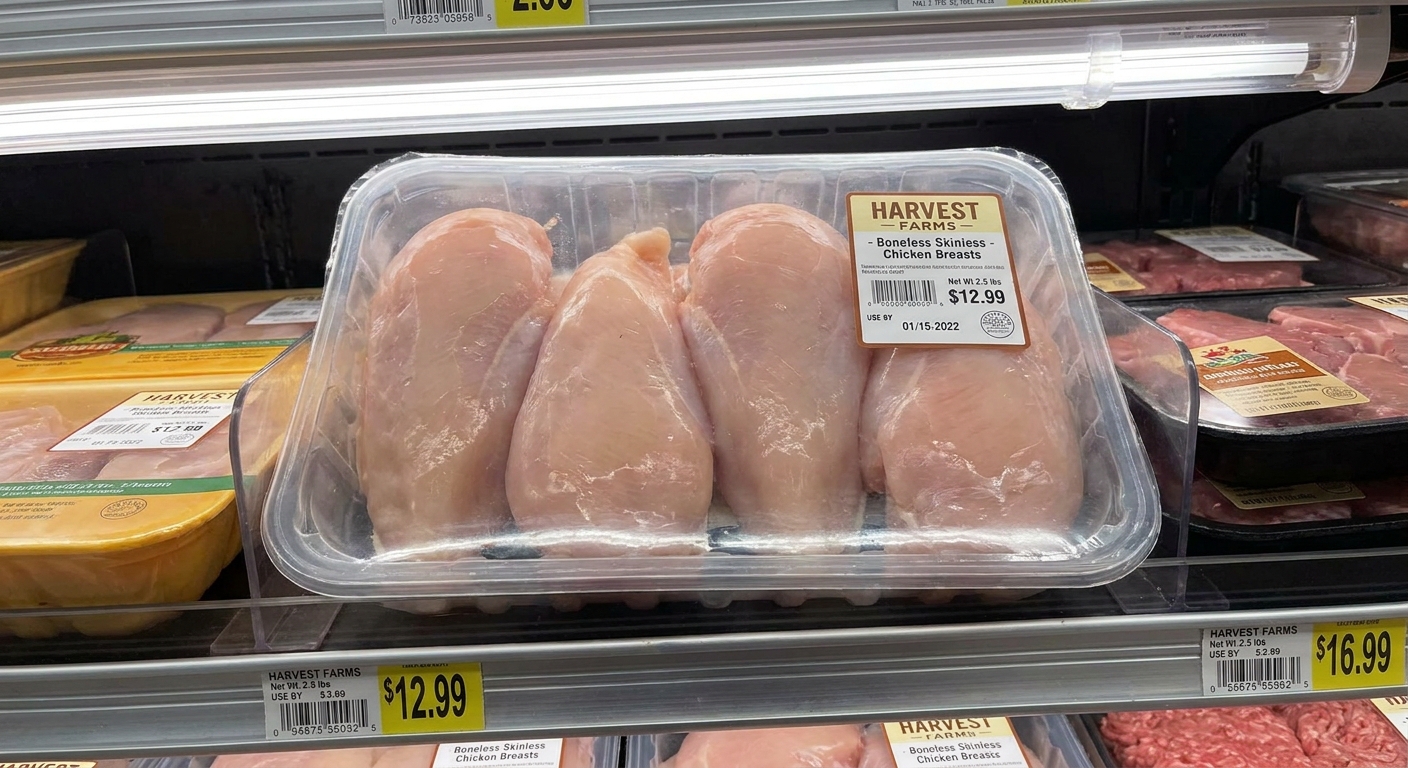
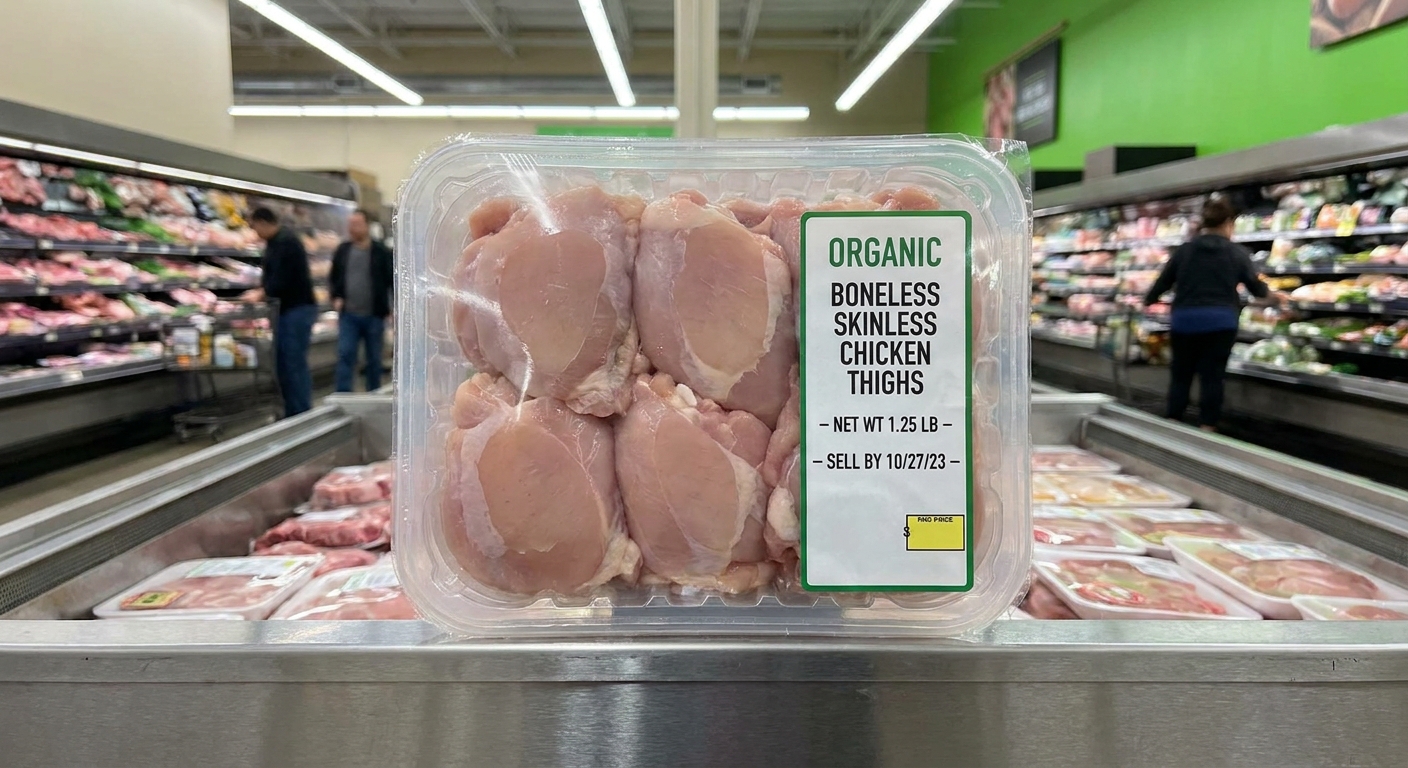
Prices swing by region, store, and whether you buy family packs. In many US grocery stores, boneless skinless thighs are often similar in price or slightly cheaper per pound than breasts, but sales can flip that quickly. I treat any dollar amount as a moving target and focus on a repeatable way to estimate.
Cost per cooked serving
If you want a quick, realistic number for meal prep, estimate cost per serving like this:
- Price per pound ÷ number of cooked servings per pound
Most of the time, 1 pound raw chicken yields about 0.7 to 0.8 pounds cooked depending on cut, how much it is trimmed, and how you cook it. That is roughly a 20 to 30 percent weight loss. Thighs often retain a bit more moisture than breast, but either way, planning with a range will keep your budget closer to reality.
For a typical 4 oz cooked portion, that usually lands somewhere around:
- Chicken breast: often falls around $1.00 to $2.00 per serving
- Chicken thigh: often falls around $0.90 to $1.80 per serving
If that feels too squishy (fair), skip the dollars. The main point is: use cooked portions for your math, and adjust next week based on what you actually ate.
Meal prep texture
This is where thighs and breasts really separate. Not because one is “better,” but because they solve different problems.
Chicken breast
- Slicing: excellent. Breast stays neat and uniform for salads, wraps, and grain bowls.
- Shredding: doable, but it can go stringy and dry if overcooked. Shredded breast wants sauce.
- By day 4: texture tends to dry out faster, especially if you microwave it too long or store it pre-sliced without moisture.
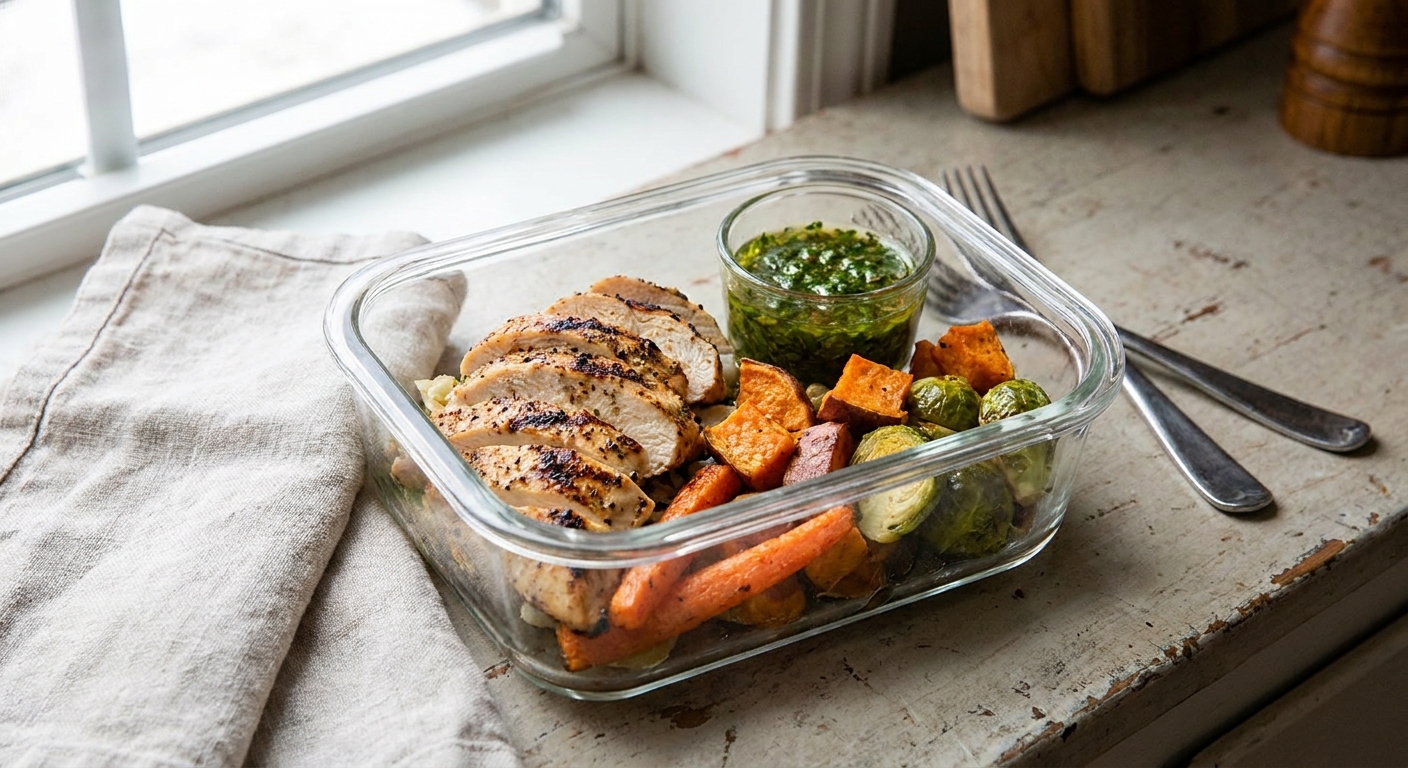
- Best meal prep forms: whole or thick-sliced pieces stored with a little cooking juice, salsa, broth, or dressing on the side.
Chicken thighs
- Slicing: good, but pieces are less uniform and can feel richer in cold salads.
- Shredding: fantastic. Thighs shred easily and stay tender, even after reheating.
- By day 4: more forgiving. The texture holds up, and it reheats without that “leftover chicken” sadness.
- Best meal prep forms: shredded for tacos, rice bowls, wraps, and saucy meals.
My real-life take: if you are the person who will absolutely reheat chicken a little too long because you are answering emails while the microwave runs, thighs will be kinder to you.
Best uses
When you are eating the same protein all week, small format choices matter. Here is how I match the cut to the meal so it stays appealing.
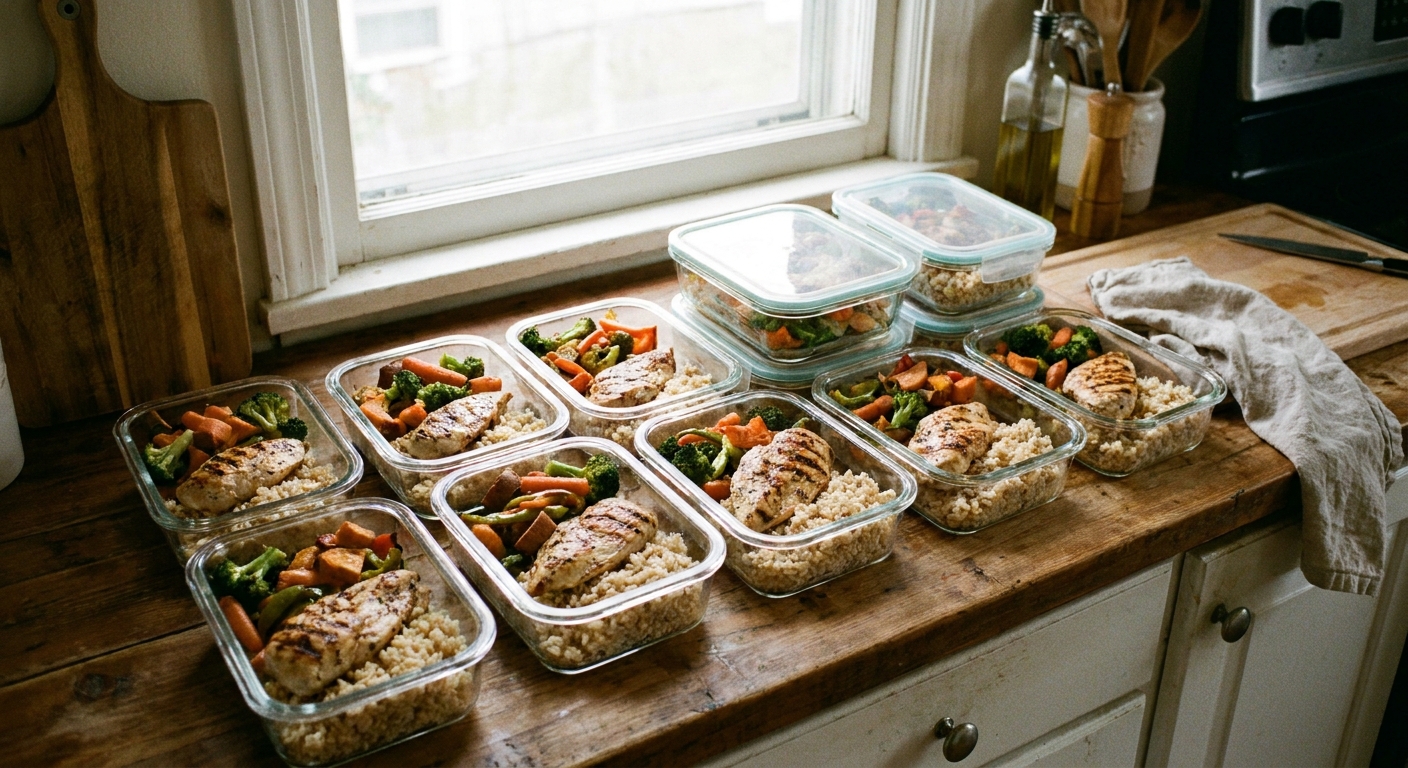
Bowls
- Breast: best when seasoned boldly and paired with moisture: salsa, pico, chimichurri, yogurt sauce, or a drizzle of olive oil and lemon.
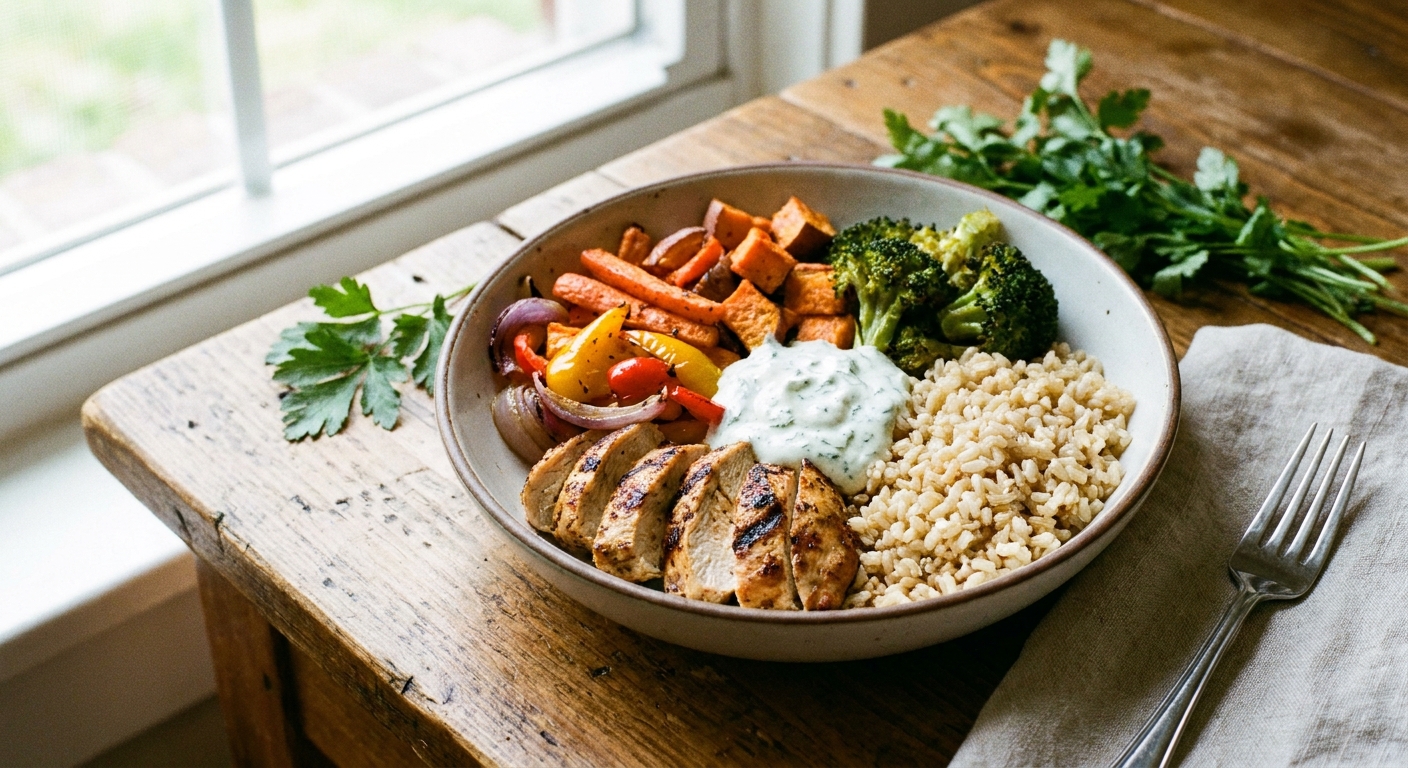
- Thigh: naturally bowl-friendly. Great with roasted veggies, curries, teriyaki, or anything saucy.
Wraps and sandwiches
- Breast: easiest to slice thin for even bites. Strong choice for Caesar wraps, Greek wraps, and simple lunchbox sandwiches.
- Thigh: excellent shredded in a wrap with slaw or greens, but can be a little rich if you are also using mayo-heavy sauces.
Salads
- Breast: the classic. Mild flavor, lean, and it tastes “clean” when chilled.
- Thigh: better in salads with stronger flavors and textures like crunchy cabbage, pickled onions, olives, feta, or peanut dressing.
Cooking temps that help
This is the boring little detail that makes meal prep taste better all week.
- Breast: cook gently and do not overshoot. I aim to pull it around 160 to 165°F and let it rest so it stays juicy.
- Thighs: more forgiving. They can be tasty at 165°F, but they often get even more tender when taken higher, around 175 to 185°F, especially if you are braising or doing anything saucy.
If you are a thermometer person, this is where it pays off. If you are not, thighs are the cut that forgives you.
Storage tips
Yes, cut choice matters. But these two habits matter even more for how your chicken tastes on Thursday.
- Store it in larger pieces. Slice or chop closer to eating when possible. More surface area means faster drying.
- Add a little moisture insurance. A spoonful of pan juices, broth, salsa, or a squeeze of lemon before storing helps both cuts. It is especially helpful for breast.
Food safety note: keep cooked chicken refrigerated in a sealed container and aim to eat within 3 to 4 days for best quality and safety. If you routinely prep beyond that, freeze two portions right away and thaw midweek.
The rule I use
Here is the rule I actually use when I am writing my Sunday prep list with two kids asking for snacks at the same time:
If the chicken needs to stay juicy and reheat-proof, buy thighs. If it needs to be lean, high-protein, and slice neatly for salads and wraps, buy breasts.
And if you want the most plate-empathy option of all (meaning the one you will still want to eat on Wednesday), pick the one you genuinely enjoy. Consistency does not come from perfect macros. It comes from food you will happily open at lunch.
FAQ
Is chicken thigh unhealthy compared to breast?
No. Thigh has more fat and calories, but it is still a high-quality protein. For many people, that extra richness improves satisfaction, which can make meals feel easier and more sustainable.
Which is better for weight loss?
Either can fit. Breast can make it easier to create lower-calorie meals with high protein. Thighs can make it easier to stick with your plan because the texture stays great and you may feel more satisfied. Choose the one that helps you stay consistent.
Do pre-marinated packs change the comparison?
They can. Store-seasoned or marinated chicken is convenient, but it often comes with more sodium and sometimes added sugar or oil, which can shift both flavor and nutrition. If you are tracking closely, check the label and compare it to plain chicken.
Can I meal prep both without getting bored?
Yes. If you are cooking one protein, change the flavor lane across the week: for example, lemon-herb chicken one night, then use leftovers with salsa for bowls, then finish in a wrap with crunchy veggies and a different sauce.