A practical, RD-written guide to storing meal prep: fridge and freezer timelines, smart container choices, cooling rules, thawing, and reheating tips that ke...
Platepathy
White Rice vs. Brown Rice for Weekly Meal Prep
Batch-cooking rice for the week? Here’s how white and brown rice compare on cook time, reheating, fiber, texture, and budget, plus a simple rule for what to buy.

Elena Rossi
Elena Rossi writes Platepathy's meal planning guides, translating nutrition research into approachable, delicious meal plans for real, busy lives.
Published November 14, 2026
When I was a burned-out project manager, rice was my little miracle. It was cheap, it stretched leftovers into “real meals,” and it made takeout feel less like a financial emergency. These days, as a dietitian and a mom trying to get dinner on the table by 6 PM, rice is still one of my favorite batch-cook staples because it plays nicely with almost any protein or veggie you have.
If you’re cooking one pot to portion into lunches and dinners all week, the white rice vs. brown rice question is not about which one is “good” and which one is “bad.” It’s about what fits your schedule, your taste buds, and your life.
The quick takeaway
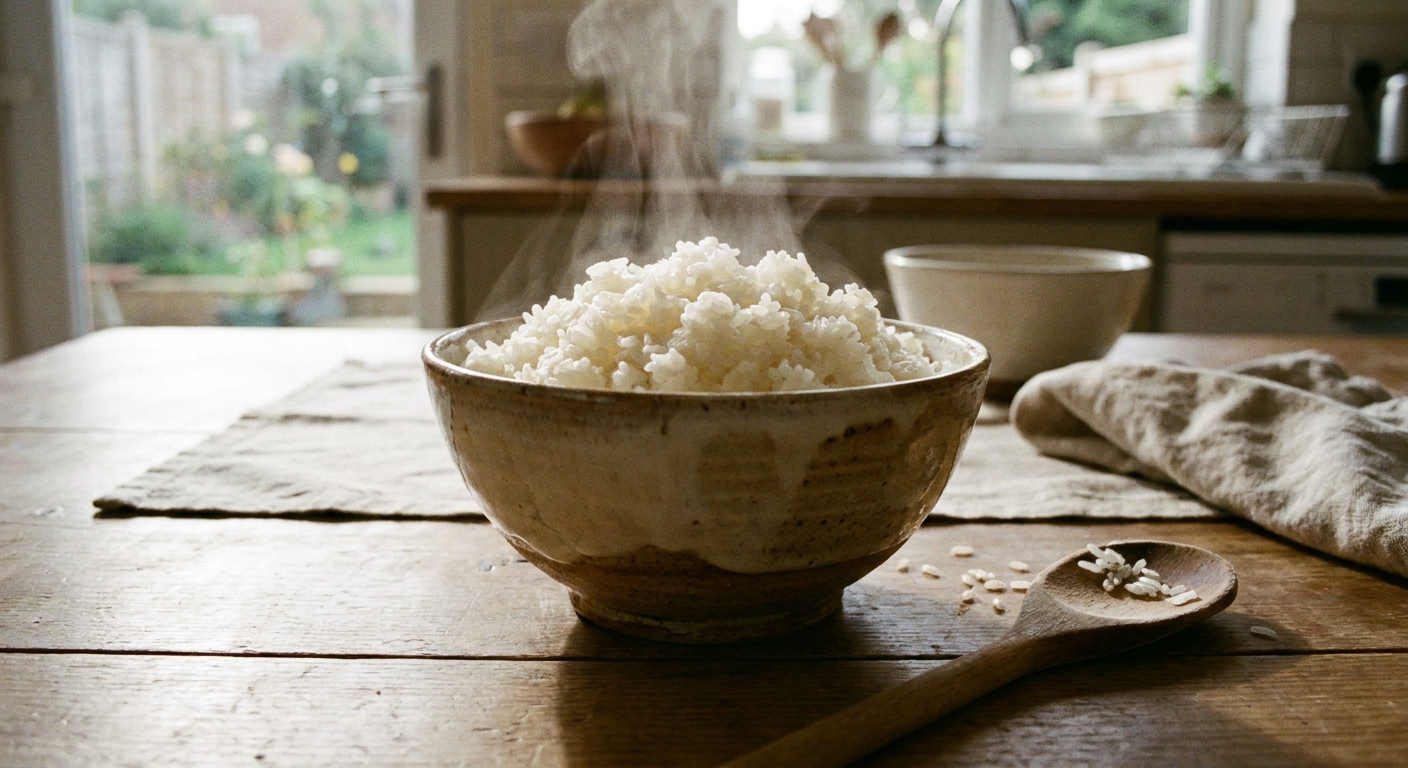
- Need speed and reliable reheating? White rice usually wins.
- Want more fiber and a heartier chew? Brown rice is often the better fit.
- On a tight grocery budget? White rice is typically cheaper per serving, though prices vary by brand and region.
- Most sustainable choice for busy weeks: Buy the rice you will actually cook and enjoy eating on day 4.
Cook time
For weekly meal prep, cook time is not just the minutes on the stove. It’s also the attention the pot needs and whether you have the patience after a long day.
White rice
- Typical stovetop time (long-grain white): often about 15 to 20 minutes simmering, plus a short rest.
- Why it feels easy: It cooks quickly and predictably, which is great when you are batch-cooking while also doing laundry, helping with homework, or answering “what’s for dinner” six times.
Brown rice
- Typical stovetop time (long-grain brown): often about 35 to 50 minutes simmering, plus a rest. Some varieties land closer to 30 minutes, and some take longer.
- Why it can be worth it: You get a sturdier grain with more fiber, and it tends to hold its shape well in hearty meal-prep bowls.
My real-life note: If you are the kind of person who skips meal prep because it feels like “one more thing,” white rice can be the difference between doing it and not doing it. That matters.
If brown rice is your goal but time is the issue: a rice cooker or Instant Pot can make it more hands-off, and soaking brown rice (even 30 minutes) can help it cook a bit more evenly.
Fridge life and reheating
This is the part most people do not talk about enough. Rice can be amazing on day 1 and disappointing by day 4 if you are not choosing and storing it with reheating in mind.
White rice in the fridge
White rice tends to reheat softly and evenly. It can dry out, but it’s usually easy to revive with a splash of water and a lid.
- Texture after 3 to 5 days: softer, sometimes a little drier, but generally still pleasant.
- Best for: stir-fries, saucy dishes, curries, burrito bowls, fried rice.
Brown rice in the fridge
Brown rice has a bran layer, which gives it that nutty flavor and chewy bite. After a few days refrigerated, it can feel firmer than you remember on day 1, but it also holds up well in bowls that need structure.
- Texture after 3 to 5 days: chewier and sometimes a bit tough if undercooked or reheated without moisture.
- Best for: grain bowls, meal-prep salads, sheet-pan chicken and veggies, chili, dishes where you want a hearty base.
My best reheating trick
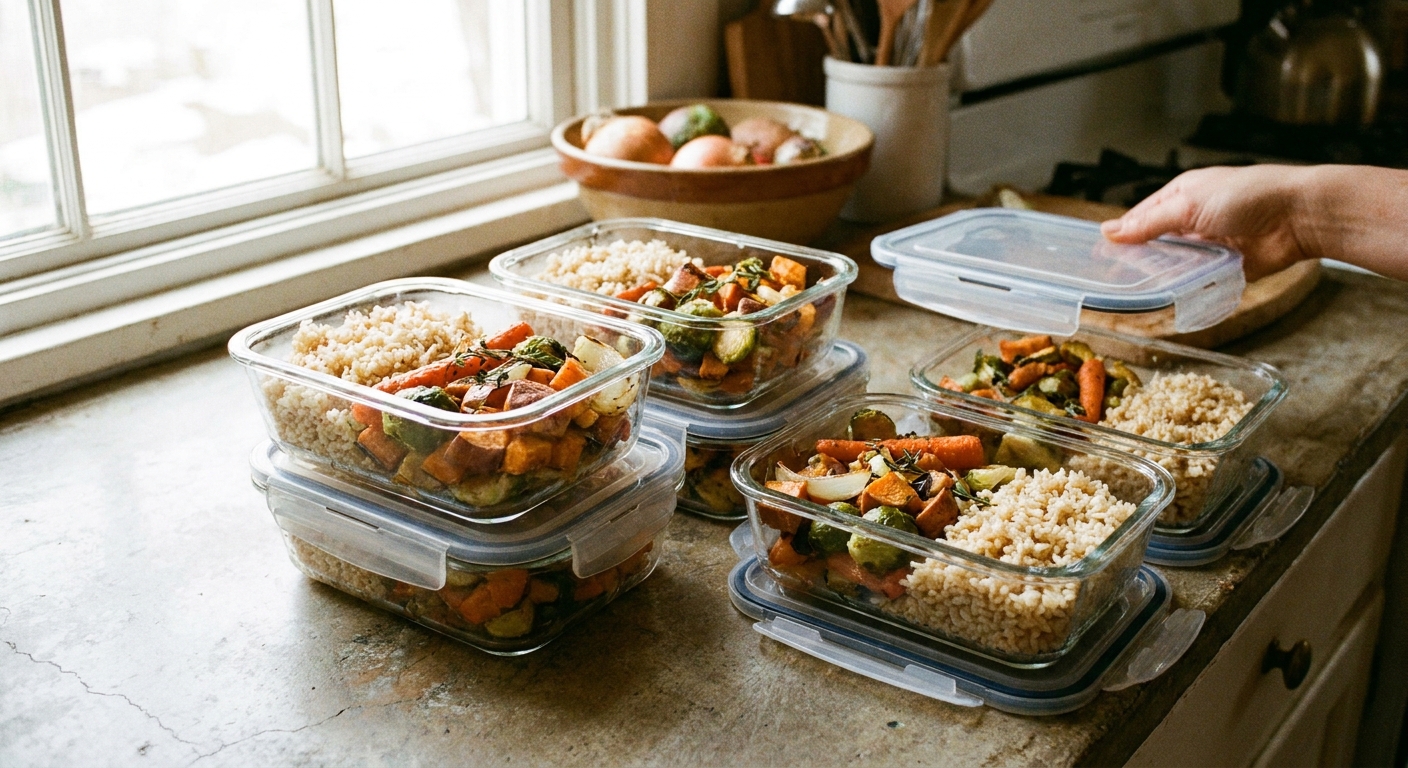
Portion your rice into containers once it has cooled slightly, then when reheating add 1 to 2 teaspoons of water per cup of rice, cover, and heat until steaming hot. If you use a thermometer, aim for 165°F (74°C).
One small detail that matters: texture on day 4 depends a lot on doneness and storage. Cook rice until it is fully tender (especially brown rice), and use containers with tight-fitting lids so it does not dry out in the fridge.
Fiber
Fiber is the part of plant foods that your body cannot fully break down. It helps you feel full and satisfied, supports regular digestion, and feeds beneficial gut bacteria. For many of us, more fiber also means fewer mid-afternoon snack emergencies.
Brown rice has more fiber than white rice because it keeps its bran and germ. White rice has those layers removed, so it’s softer and faster cooking, but lower in fiber.
What that means day to day
- If you tend to feel hungry again soon after a rice bowl: brown rice may keep you satisfied longer, especially when paired with protein and fat.
- If your digestion is sensitive: jumping from low-fiber to high-fiber too fast can cause bloating for some people. In that case, white rice can be a gentler base, or you can do a mix.
- If you are building balanced meals: either rice works. You can add fiber back in by pairing white rice with beans, lentils, veggies, avocado, nuts, or seeds.
My Platepathy truth: you do not need every ingredient to be the most nutrient-dense version for the meal to be nourishing.
Budget
In most grocery stores, white rice is often cheaper per pound than brown rice, and it’s often sold in larger, more budget-friendly bags. Because rice expands when cooked, even a small price difference can matter across weekly meal prep.
- Most budget-friendly option: a larger bag of plain long-grain white rice.
- Brown rice can still be budget-friendly: especially if you buy a larger bag, store it well, and actually eat it.
My money-saving mindset: The cheapest rice is the one that does not get shoved to the back of the pantry because you dread cooking it or do not like how it reheats. Consistency beats perfection.
Which should you cook?
Here are a few common meal-prep situations I see, plus the rice that tends to fit best.
Choose white rice if
- You need the quickest cook time.
- You love soft, fluffy rice that reheats easily.
- You are making saucy meals (curry, teriyaki, chili over rice, creamy bowls).
- Your budget is tight this week.
- Your stomach does better with lower-fiber grains right now.
Choose brown rice if
- You want more fiber without changing your meals much.
- You like a nutty flavor and a chewier bite.
- You are prepping grain bowls and salad-style lunches where structure matters.
- You want a base that feels hearty, especially for meatless meals.
The underrated option: mix them
If your household is split, or you like the benefits of brown rice but prefer the softness of white, try cooking a half-and-half blend. It gives you some extra fiber with a more familiar texture. Cook time will be closer to brown rice, so plan for that.
Food safety
Cooked rice is meal-prep gold, but it needs smart handling.
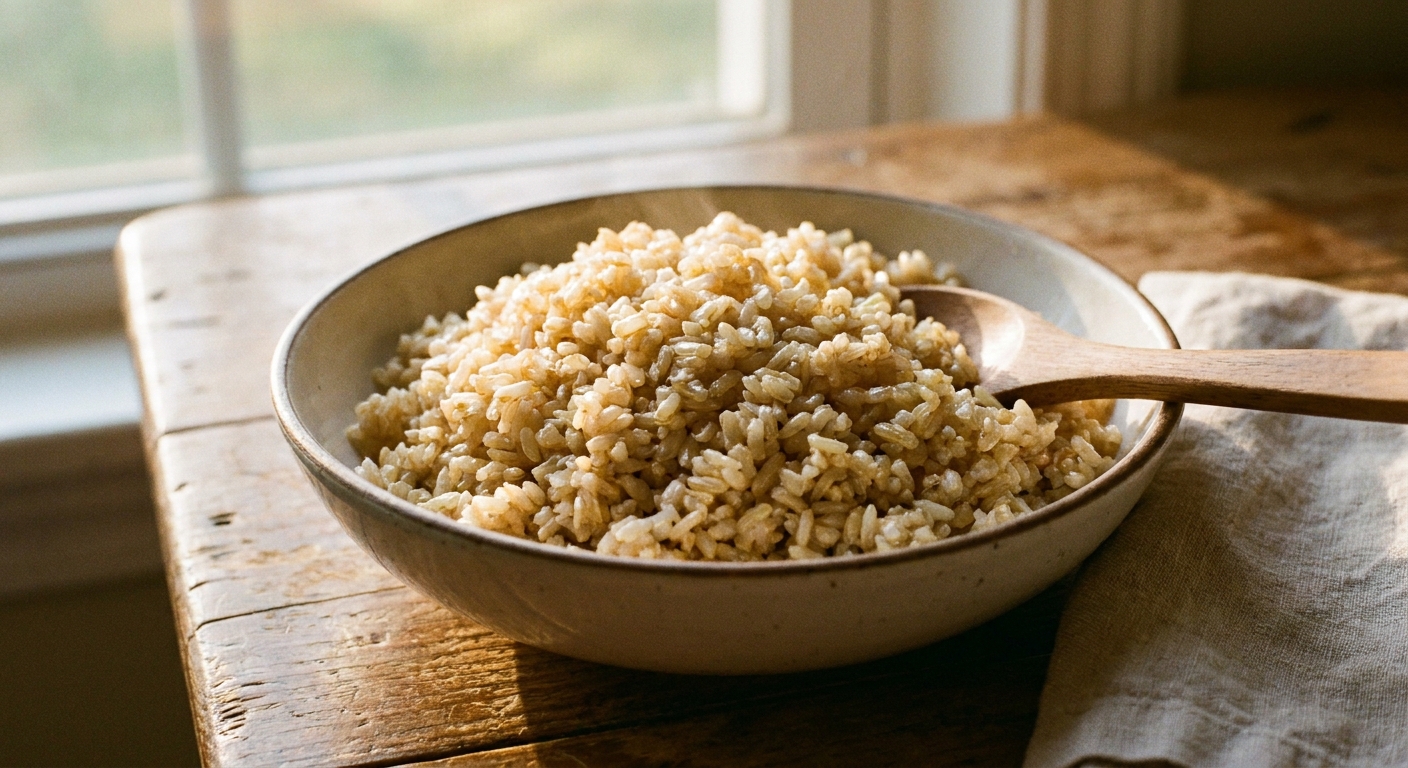
- Cool promptly: After cooking, portion and refrigerate within about 1 to 2 hours.
- Store cold: Keep rice refrigerated at 40°F or below.
- Reheat hot: Reheat until steaming hot (165°F or 74°C if you measure).
- Use a consistent window: For best quality and safety, aim to eat refrigerated cooked rice within 3 to 4 days. Texture may be fine out to day 5, but I do not plan for that.
If you want rice beyond that window, freeze portions. Rice freezes beautifully, especially if you freeze it in flat, thin layers that reheat fast.
My simple rule
If you need the easiest, most reliable meal-prep rice, buy white rice. You will cook it, you will eat it, and it will reheat well.
If you have the extra time and want more fiber with a heartier bite, buy brown rice.
And if you are standing in the aisle feeling like you “should” choose the healthier option, take a breath and choose the one that makes this week feel doable. A rice bowl you actually eat is always the better plan.