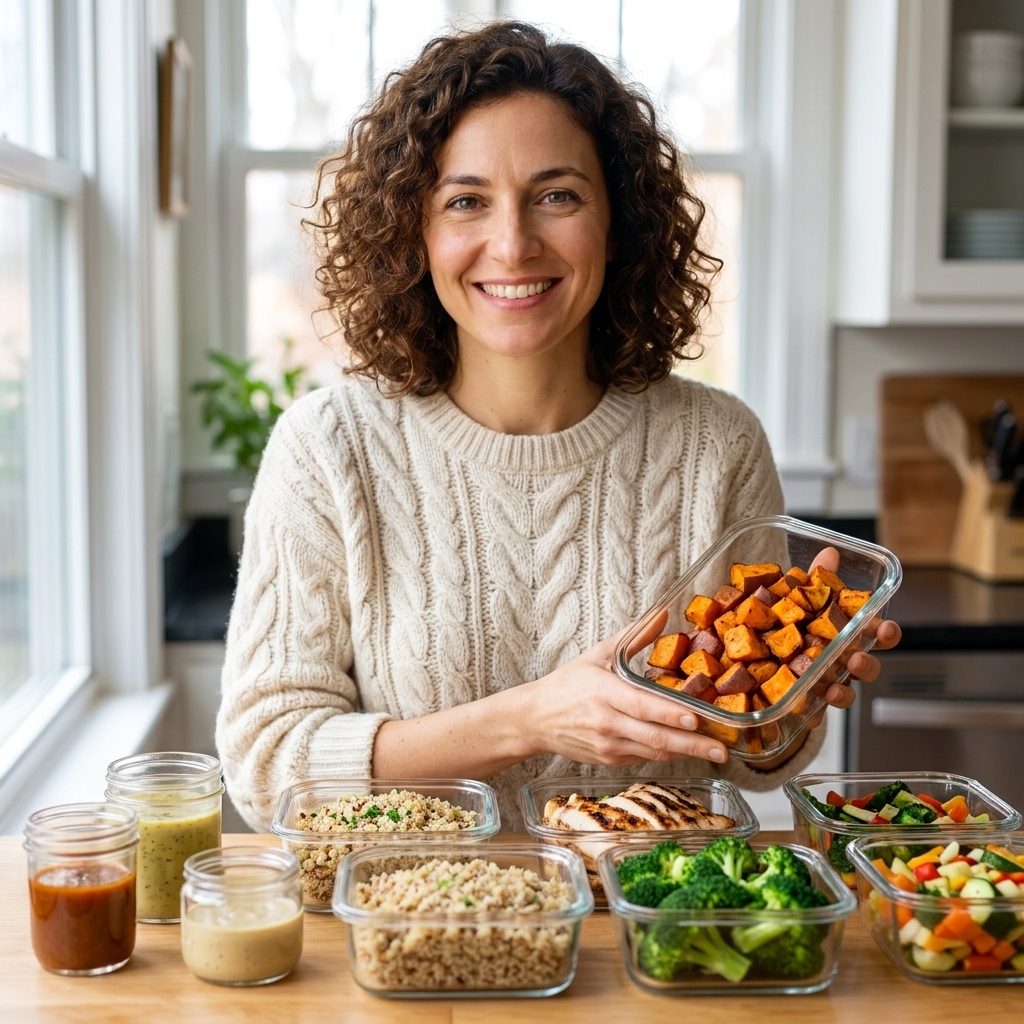
A step-by-step, no-perfection-needed guide to planning, shopping, prepping, and storing healthy meals for the week, even if you only have 60 to 90 minutes.
Platepathy
Low-FODMAP Meal Planning for Better Gut Health
A step-by-step, flavor-forward guide to building a balanced low-FODMAP meal plan during the elimination phase, with shopping lists, swaps, and a 7-day sample menu.

Elena Rossi
Elena Rossi is a Registered Dietitian and meal prep expert who believes that healthy eating shouldn't feel like a second job. Through Platepathy, she translates complex nutrition science into approachable, delicious meal plans designed for real, busy lives.
Published October 18, 2026
Last updated October 18, 2026
If your gut has been running the show lately, you are not alone. For many people with IBS-like symptoms, a low-FODMAP diet can be a powerful short-term tool to identify triggers and calm the chaos. The tricky part is the elimination phase, where the food rules can feel like a second job.
I am Elena, a Registered Dietitian and a very tired mom who loves a plan. In this guide, I will walk you through exactly how to build a low-FODMAP meal plan that still feels like real food: balanced, satisfying, and honestly enjoyable.
Low-FODMAP basics
FODMAPs are a group of fermentable carbohydrates that can be poorly absorbed in the small intestine for some people. In the large intestine, they can pull in water and ferment, which may contribute to bloating, gas, abdominal pain, and unpredictable bathroom habits.
The low-FODMAP process typically has three phases:
- Elimination (short-term): Temporarily reduce high-FODMAP foods to calm symptoms and create a clean baseline.
- Reintroduction (structured challenges): Systematically test FODMAP groups to learn which types and portions trigger symptoms.
- Personalization (long-term): Expand your diet as much as possible while keeping symptoms manageable.
Important: The elimination phase is not meant to be forever. The goal is information and symptom relief, not dietary restriction as a lifestyle.
Before you start
1) Make sure it is the right tool
Low-FODMAP is best studied for IBS. If you have red flag symptoms like unintentional weight loss, blood in stool, persistent vomiting, anemia, fever, or symptoms that wake you from sleep, check in with a clinician before changing your diet.
2) Plan for 2 to 6 weeks
Most people do the elimination phase for about 2 to 6 weeks, ideally with a dietitian. If symptoms are not improving after a few weeks of consistent elimination, it is worth reassessing rather than tightening restrictions.
3) Use a trusted portion guide
Portion sizes are part of the prescription. A food can be low-FODMAP in one serving and high-FODMAP in another. Use a credible database (many people rely on the Monash University app or FODMAP Friendly) and check portions for every new food and product.
4) Keep it simple and repeatable
The easiest low-FODMAP meal plan is built from a few repeatable templates:
- Protein + grain + vegetable + fat (plus a sauce you love)
- Egg-based meals with low-FODMAP veggies
- Bowls (rice, quinoa, or potatoes) with toppings
- Snack pairs (carb + protein or fat)
5) A quick, gentle note
If you have a history of disordered eating, or if food rules tend to ramp up anxiety for you, please do not do low-FODMAP on your own. It can be helpful, but it is still a restrictive protocol and it is best done with clinical support.
The Platepathy plate
Even during elimination, we want meals that support energy, mood, and regularity. Here is the simplest way to do it:
- Protein: chicken, turkey, eggs, fish, tofu (firm), tempeh (check ingredients and portions, products vary), lean beef, lactose-free Greek yogurt
- Carbs you can count on: rice, quinoa, oats (portion matters), corn tortillas, potatoes, gluten-free pasta (check ingredients)
- Low-FODMAP veggies: carrots, zucchini, bell peppers, spinach, cucumber, tomatoes, green beans, eggplant, lettuce, bok choy (portion-dependent)
- Fruit (portion matters): blueberries, grapes, oranges, kiwi, strawberries, pineapple (portion-dependent)
- Fats for satisfaction: olive oil, butter, avocado oil, nuts and seeds in low-FODMAP servings, avocado in small servings if tolerated
My “make it tasty” rule: If you remove onion and garlic, you must replace them with something. Flavor is not optional. We will use garlic-infused oil, scallion greens, chives, citrus, ginger, and spice blends to keep food exciting.

Build your meal plan
Step 1: Pick a small rotation
Rotation reduces decision fatigue and makes shopping easy. Choose 2 breakfasts, 2 lunches, and 3 dinners to rotate. Start with meals you already like and swap ingredients as needed.
Breakfast ideas (elimination-friendly):
- Overnight oats with lactose-free milk, chia seeds, blueberries, and walnuts (keep oat and nut portions aligned with your app)
- Egg scramble with spinach and red bell pepper, plus sourdough spelt toast (check your specific bread and serving size, sourdough is not automatically low-FODMAP)
Lunch ideas:
- Chicken and rice bowl with cucumber, tomato, feta (portion and tolerance matter), olive oil, lemon, and dill
- Tuna salad plate (use lactose-free yogurt or mayo) with rice cakes and carrots
Dinner ideas:
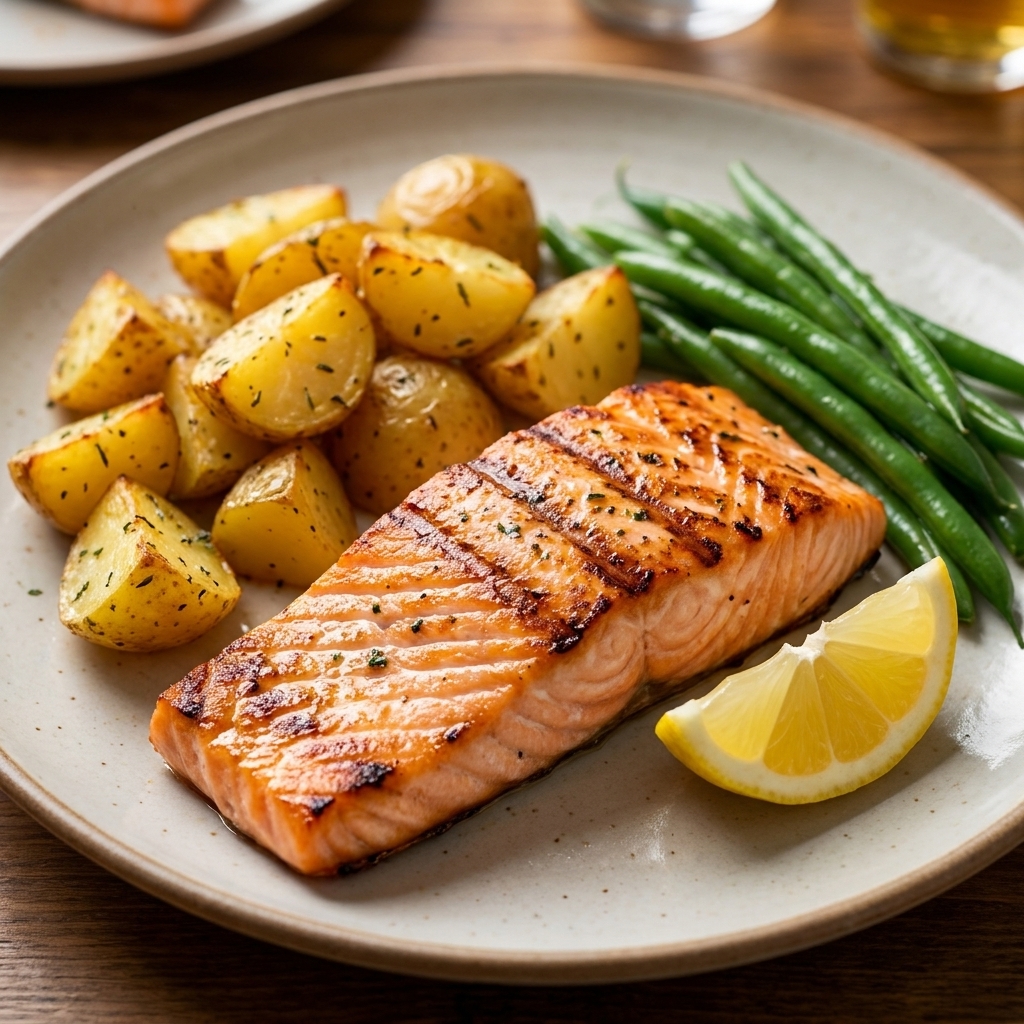
- Sheet pan salmon with roasted potatoes and green beans
- Turkey taco bowls with cumin-lime turkey, rice, lettuce, tomato, and a lactose-free yogurt drizzle
- Ginger-soy tofu stir-fry with zucchini and carrots over quinoa (use garlic-infused oil)
Step 2: Choose seasonings you trust
This is the part that makes the plan feel like normal life. Build a mini flavor toolkit:
- Garlic-infused oil: fructans are not oil-soluble, so properly prepared garlic-infused oil is typically low-FODMAP. Use commercially prepared versions or make your own and strain well, with no garlic pieces left in.
- Scallion greens and chives: a lower-FODMAP way to get that onion-like flavor
- Citrus and vinegar: lemon, lime, rice vinegar, red wine vinegar
- Spices: smoked paprika, cumin, coriander, chili powder (check for onion and garlic), turmeric, pepper
- Herbs: basil, parsley, dill, cilantro, rosemary
- Umami boosts: soy sauce or tamari, miso in small amounts (portion-dependent), parmesan or other hard cheeses in modest portions (often lower lactose, not lactose-free for everyone)
Label tip: onion powder and garlic powder sneak into seasoning blends, sauces, broths, and marinades. For elimination, keep a short list of trusted products and repeat them.
Step 3: Shop by categories
Once you choose your rotation meals, shop by categories instead of recipes. Here is a solid baseline list you can customize:
Proteins
- Eggs
- Chicken thighs or breasts
- Salmon or another fish
- Lean ground turkey
- Firm tofu
Carbs
- Jasmine or basmati rice
- Quinoa
- Old-fashioned oats
- Potatoes
- Corn tortillas or rice cakes
Vegetables
- Carrots
- Zucchini
- Bell peppers
- Green beans
- Spinach
- Cucumbers
- Tomatoes
Fruit
- Blueberries
- Grapes
- Oranges or clementines
- Kiwi
Dairy and alternatives
- Lactose-free milk or plant milk that fits your reference
- Lactose-free yogurt or lactose-free Greek yogurt
- Hard cheeses (often lower lactose) if tolerated
Fats and flavor
- Olive oil and garlic-infused oil
- Peanut butter or almond butter (portion-dependent)
- Walnuts, pumpkin seeds, or chia seeds (portion-dependent)
- Lemons and limes
- Fresh herbs

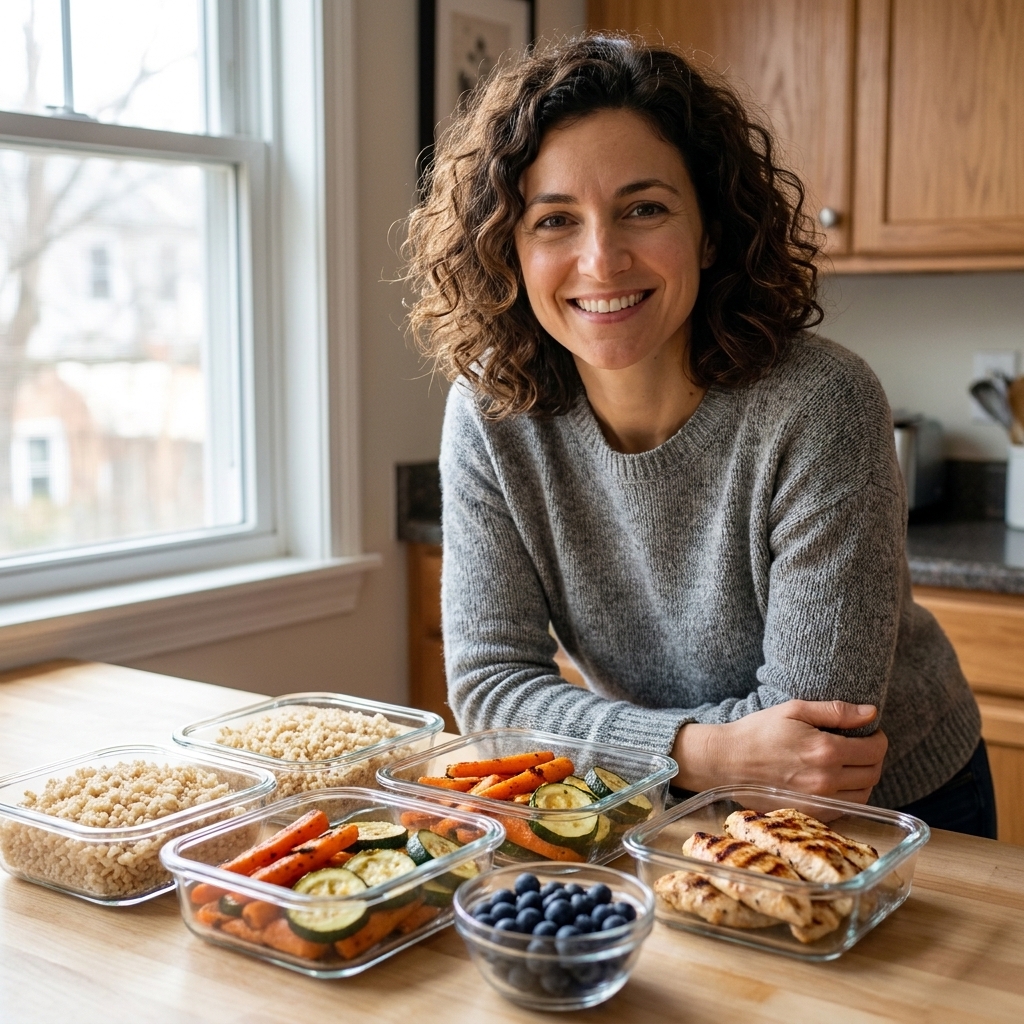
Step 4: Batch-cook the basics
This is my Sunday reset formula. It makes the week feel lighter.
- Proteins: bake a sheet pan of chicken and cook a pot of taco-seasoned turkey
- Carbs: cook rice and quinoa
- Veggies: roast carrots and zucchini in garlic-infused oil
Now you can mix-and-match bowls, salads, and quick stir-fries without cooking from scratch every night.
Step 5: Add two steady snacks
Low-FODMAP does not mean low-fiber or low-fuel. Snacks help keep blood sugar steadier and prevent “I am starving” dinner decisions.
Snack ideas (portion check included):
- Kiwi + lactose-free Greek yogurt
- Rice cakes + peanut butter (portion matters)
- Orange + walnuts (portion matters)
- Carrot sticks + lactose-free yogurt dip with lemon and herbs
- Oats-based energy bites made with maple syrup and peanut butter (portion and ingredient check needed)
Step 6: Track, briefly
A simple note once a day is enough: what you ate, stress level, sleep, and symptoms. IBS symptoms are not just about food, so this helps you see patterns without spiraling into perfectionism.
Step 7: Watch for non-food curveballs
If symptoms are not matching what you are eating, look for sneaky confounders: sugar alcohols in gum and mints, “diet” drinks, cough drops, inulin or chicory root added to bars and supplements, carbonated beverages, big caffeine doses, magnesium or fiber supplements, and new medications. These can all change gut symptoms, independent of FODMAPs.
7-day sample plan
Use this as a starting point. Portion sizes and specific “green servings” depend on the reference you are using, so keep that app or guide nearby. This matters most for foods like oats, nuts and seeds, avocado, some dairy, gluten-free pasta blends, miso, pineapple, and any beans or lentils.
Day 1
- Breakfast: Overnight oats with blueberries, chia, lactose-free milk
- Lunch: Chicken rice bowl with cucumber, tomato, lemon, olive oil, dill
- Dinner: Sheet pan salmon, roasted potatoes, green beans
- Snacks: Kiwi with lactose-free yogurt; grapes with walnuts
Day 2
- Breakfast: Spinach and pepper egg scramble + toast (check bread type and portion)
- Lunch: Tuna salad with rice cakes and carrots
- Dinner: Turkey taco bowl with rice, lettuce, tomato, lactose-free yogurt drizzle
- Snacks: Orange; peanut butter rice cake
Day 3
- Breakfast: Overnight oats with strawberries and pumpkin seeds
- Lunch: Leftover turkey taco bowl (add cucumber for crunch)
- Dinner: Ginger-soy tofu stir-fry with zucchini and carrots over quinoa
- Snacks: Lactose-free yogurt; blueberries
Day 4
- Breakfast: Egg scramble + sautéed spinach (garlic-infused oil) + toast
- Lunch: Chicken quinoa bowl with tomato, herbs, lemon
- Dinner: Simple grilled or baked fish tacos on corn tortillas with lettuce and lime
- Snacks: Kiwi; walnuts
Day 5
- Breakfast: Overnight oats with pineapple (portion matters) and chia
- Lunch: Tuna salad plate with cucumber and rice cakes
- Dinner: Chicken and roasted veggie bowls with rice and a lemon-herb sauce
- Snacks: Orange; lactose-free yogurt
Day 6
- Breakfast: Scramble with peppers and chives + toast
- Lunch: Leftover chicken bowl with quinoa and greens
- Dinner: Homemade fried rice with eggs, carrots, zucchini, scallion greens, tamari
- Snacks: Grapes; peanut butter rice cake
Day 7
- Breakfast: Overnight oats with blueberries and walnuts
- Lunch: Turkey taco salad (skip high-FODMAP add-ins, keep it simple)
- Dinner: Salmon or tofu with potatoes and sautéed green beans
- Snacks: Kiwi with lactose-free yogurt; strawberries
Meal prep shortcut: If you batch-cook rice, quinoa, roasted veggies, and one protein, most of this week becomes assembly, not cooking.
Flavor-forward swaps
- Onion and garlic: use garlic-infused oil, scallion greens, chives, asafoetida (hing) if you like it
- Wheat-heavy meals: swap to rice, quinoa, potatoes, oats, or a gluten-free pasta you have checked (ingredient check still matters)
- Milk: lactose-free milk or a suitable plant milk
- Yogurt: lactose-free yogurt or lactose-free Greek yogurt
- Beans and lentils: elimination-friendly portions vary. Some canned lentils can work in small servings, but many people wait until reintroduction to simplify
- High-FODMAP veggies: replace cauliflower with zucchini or eggplant, many mushrooms with oyster mushrooms in appropriate portions (check your guide), and asparagus with green beans
- Sourdough and spelt: some people tolerate certain breads in certain portions, but fermentation time and brand matter. Check your specific product in your reference.
Common mistakes
Trying to be perfect
Low-FODMAP is already a lot. Aim for consistent, not flawless. If you make a mistake, you do not need to start over. You just return to your plan.
Stacking FODMAPs
Even low-FODMAP servings can add up when you combine several portion-sensitive foods in one meal. During elimination, keep meals simple and limit multi-ingredient products.
Forgetting fiber
Elimination can unintentionally lower fiber, which can worsen constipation. Include low-FODMAP fiber sources like oats (portion check), chia, kiwi, suitable servings of berries, and plenty of tolerated vegetables. Hydration matters too.
Not eating enough
If you feel tired, shaky, or constantly hungry, you may need more carbs, more fat, or bigger portions of tolerated foods. Restriction is not a requirement for healing.
Staying in elimination too long
The long-term win is personalization. If you camp out in elimination, your diet can become unnecessarily limited and less supportive of a healthy gut microbiome. Reintroduction is where the real insight happens.
Eating out
It is possible, just a bit more strategic.
- Choose simple proteins: grilled fish, chicken, steak, eggs
- Pick plain carbs: rice, potatoes, polenta, corn tortillas
- Ask for no onion and garlic: sauces, marinades, soup bases, and dressings are the usual culprits
- Use simple add-ons: lemon, olive oil, salt, pepper
- Keep it calm: if eating out feels stressful, that stress can also affect symptoms. Pick familiar restaurants and repeat the same order for a few weeks
When to reintroduce
If your symptoms have noticeably improved and stayed steadier for about a week, that is often a sign you are ready to begin reintroduction. Reintroduction is done by testing one FODMAP group at a time (for example lactose, fructans, GOS, fructose, polyols), using a structured plan and specific portions.
If symptoms did not improve during elimination, do not assume you failed. That is useful information. It may mean FODMAPs are not the main driver, or that something else is going on like stress, irregular meal timing, caffeine timing, inadequate fiber, or a different condition that needs medical evaluation.
FAQ
Do I need to go gluten-free?
No. Low-FODMAP is not the same as gluten-free. Wheat is limited during elimination because it is high in fructans, not because of gluten. Some people tolerate certain breads in certain portions. Always check your specific product and serving size.
Is coffee low-FODMAP?
Black coffee is generally considered low-FODMAP, but it can still irritate symptoms in some people due to caffeine and acidity. If your gut is sensitive, try smaller amounts, have it with food, or test half-caff.
What about probiotics?
Probiotics can help some people and do nothing for others. If you want to try one, pick a single product and give it a few weeks while keeping other variables steady. If symptoms worsen, stop and reassess with a clinician.
What is the easiest dinner when I am exhausted?
My go-to is a “freezer plus pantry” bowl: microwave rice, scramble eggs (or heat a pre-cooked protein), add a bag of tolerated pre-washed greens, drizzle garlic-infused oil and tamari, and finish with sesame seeds if you tolerate them.
A gentle reminder
The low-FODMAP elimination phase is a tool, not a test of willpower. Your job is not to eat perfectly. Your job is to learn what your gut needs so you can eat more freely in the long run.
If meal planning still feels overwhelming, start smaller: pick two breakfasts and two dinners you can repeat for a week, then build from there.