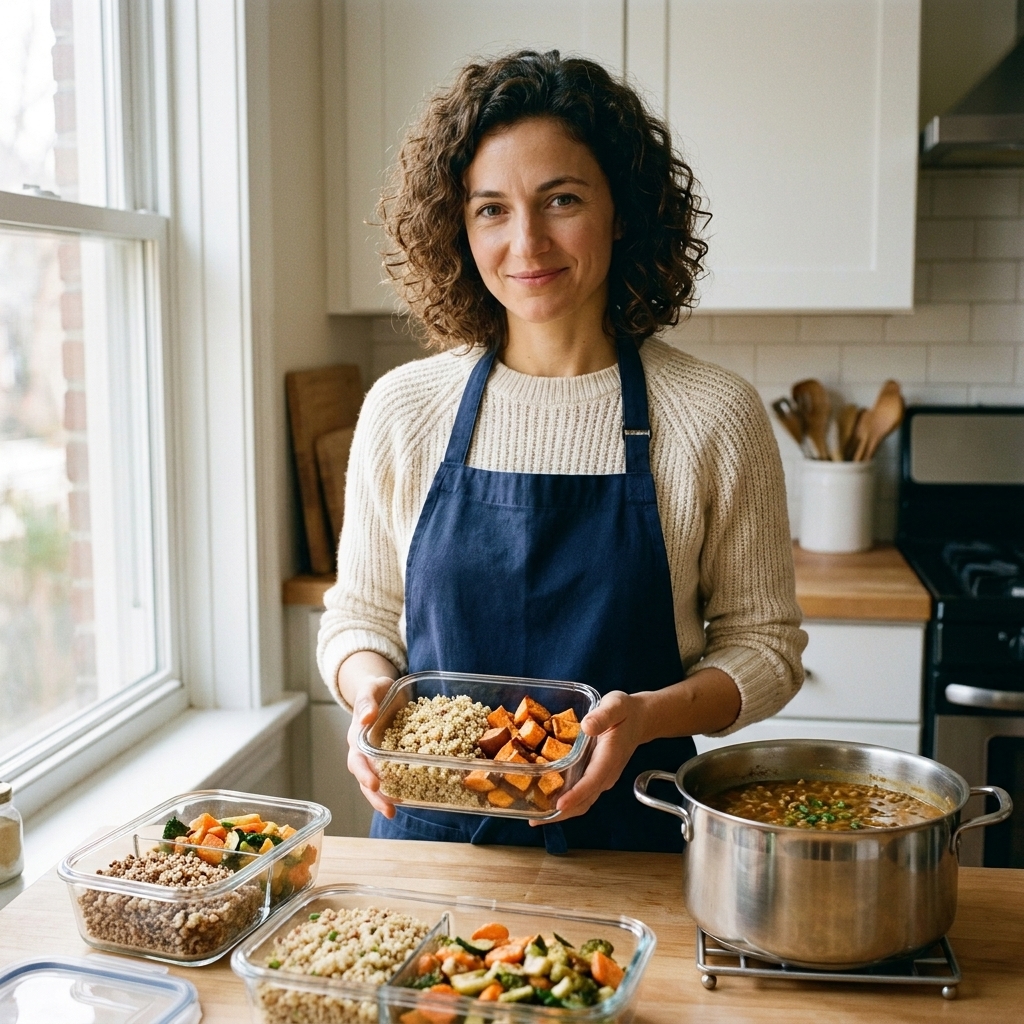
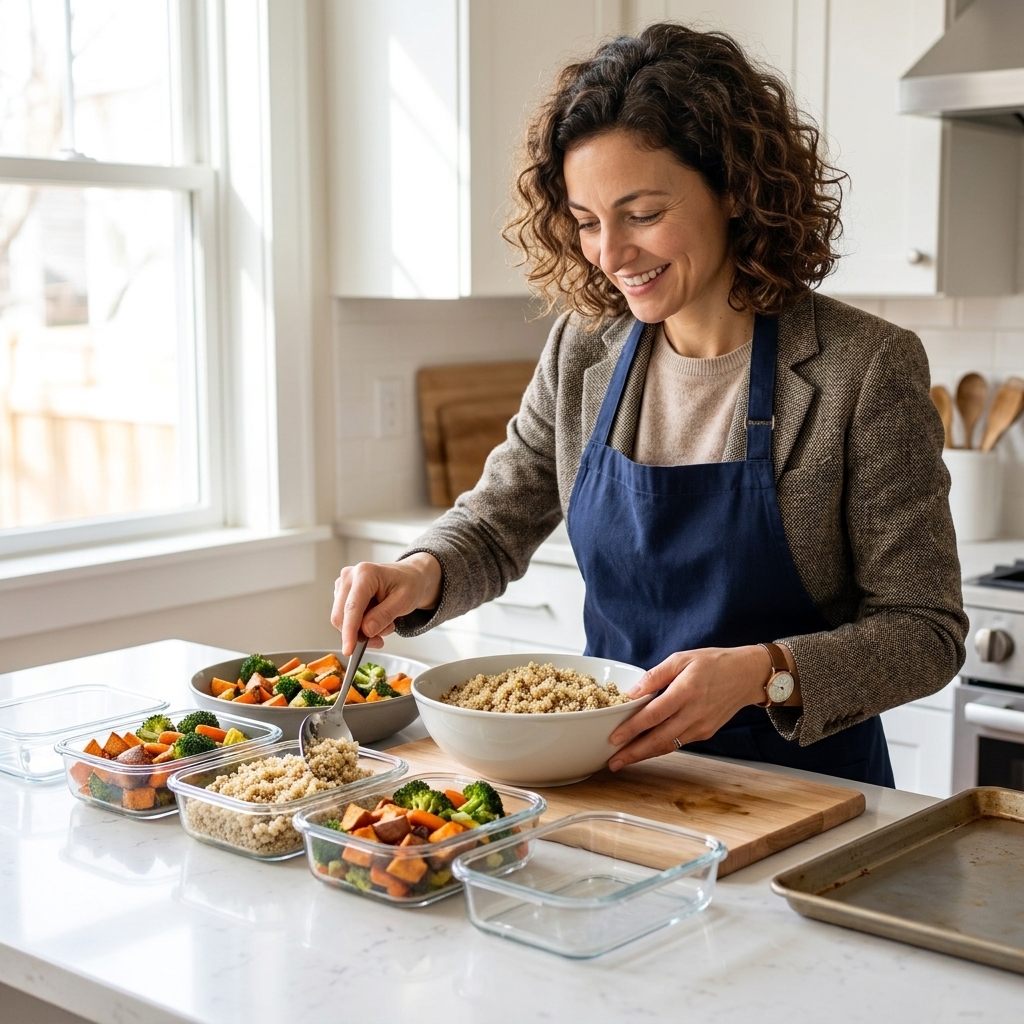
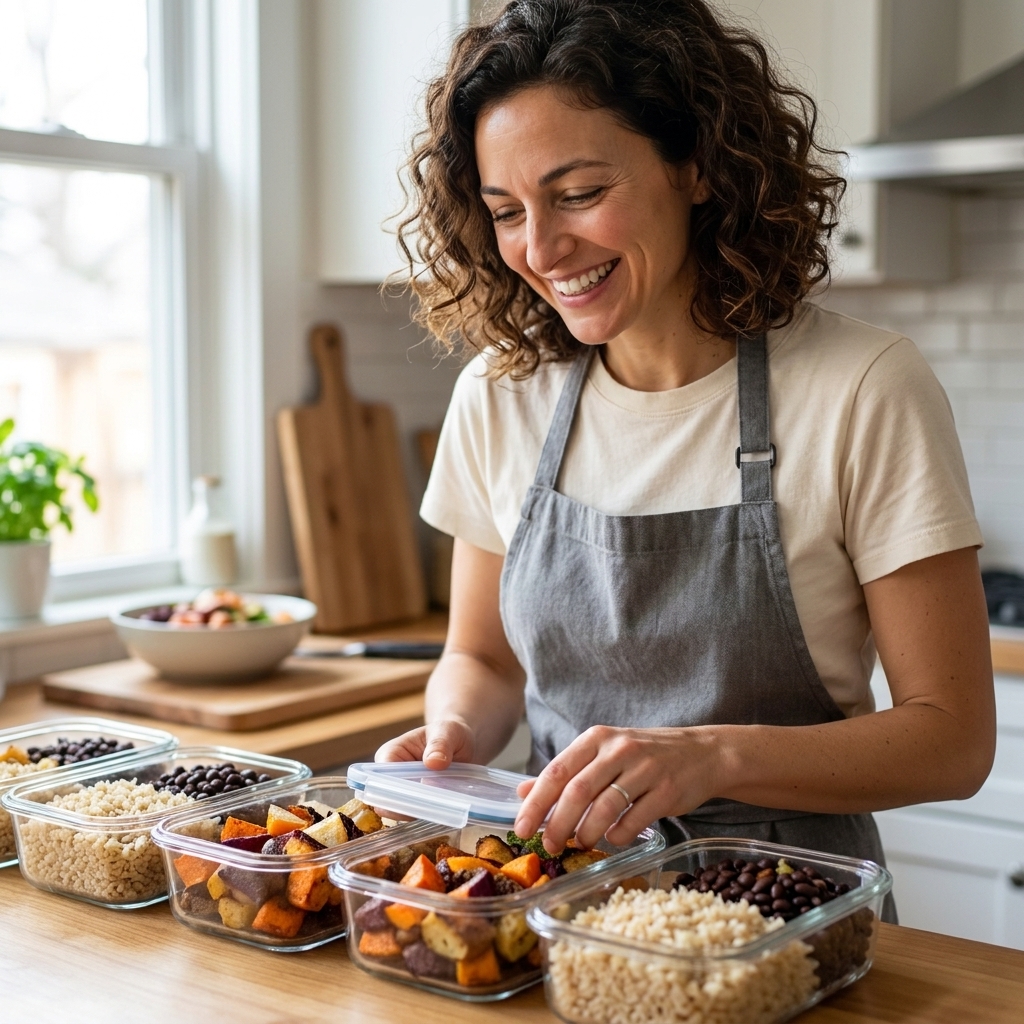
A step-by-step, no-perfection-needed guide to planning, shopping, prepping, and storing healthy meals for the week, even if you only have 60 to 90 minutes.
Platepathy
Glass vs. Plastic Meal Prep Containers
Glass and plastic meal prep containers both work, but they shine in different ways. Compare safety, durability, leak resistance, cost, weight, and best uses so you can pick the right set for your routine.

Elena Rossi
Elena Rossi is a Registered Dietitian and meal prep expert who believes that healthy eating shouldn't feel like a second job. Through Platepathy, she translates complex nutrition science into approachable, delicious meal plans designed for real, busy lives.
Published October 18, 2026
Last updated October 18, 2026
Meal prep is supposed to make your life easier, not leave you stuck in a container spiral where half your lids have vanished and everything smells faintly like last week’s curry. I have used both glass and plastic over the years, through my project-manager era, dietetics school, and now the full-contact sport of feeding a family before 6 PM.
Here is the honest truth: glass and plastic are both useful. The “best” choice depends on what you cook, how you reheat, whether you commute with meals, and how much container chaos your kitchen can tolerate. Let’s break it down in a clear, non-diet-culture, real-life way.
Quick note if you are new here: when I say Platepathy, I mean a practical, compassionate approach to feeding yourself, built for real schedules and real appetites.
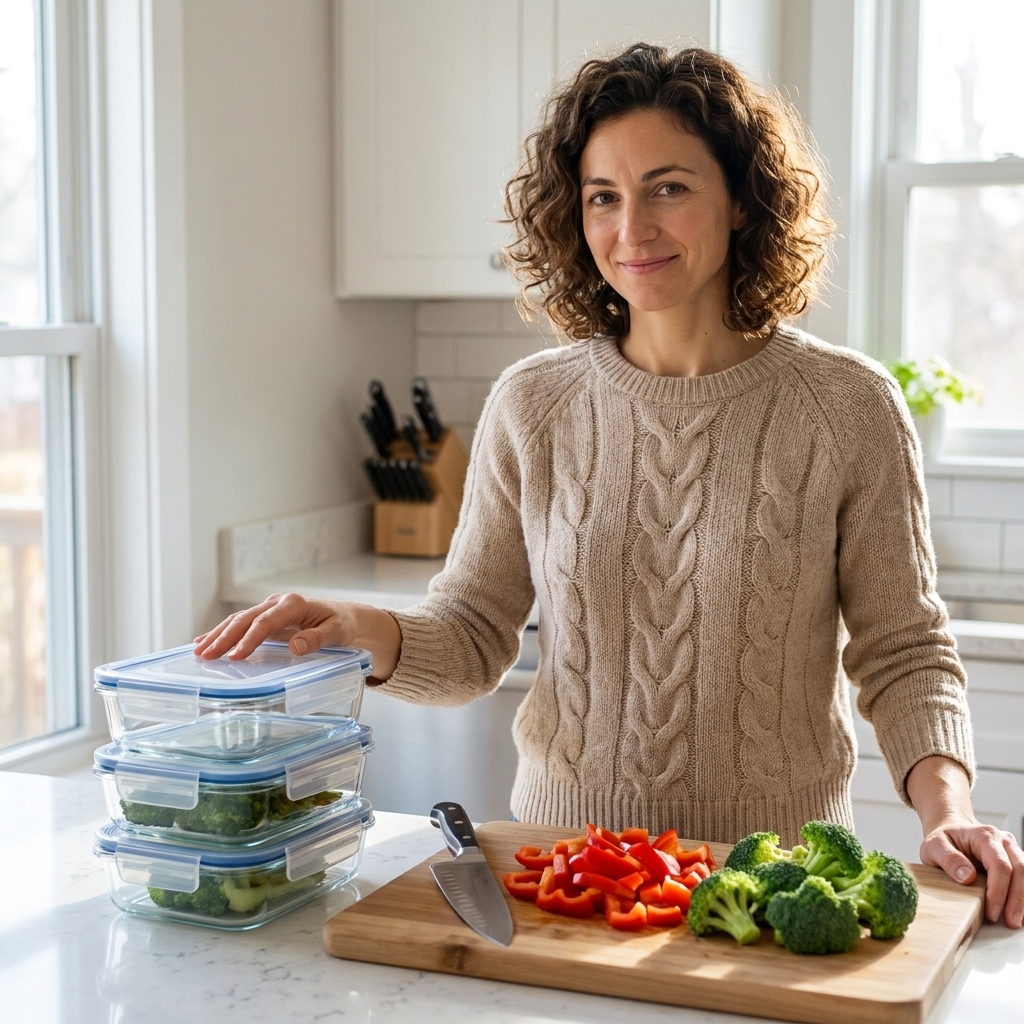
Quick take
- Choose glass if you reheat often, want the easiest cleanup, cook saucy or oily foods, and care most about longevity and avoiding stains and odors.
- Choose plastic if you need lightweight containers for commuting, want the lowest upfront cost, and prefer something that will not shatter if dropped.
- Choose a mix if you are prepping both at-home dinners and on-the-go lunches. Many households end up happiest with both.
Material basics
Glass
Most meal prep glass is either tempered glass or borosilicate glass. Tempered is very common and sturdy for everyday use. Borosilicate is known for handling temperature changes well, but either can be great if used correctly.
Lids for glass containers are usually plastic (often polypropylene) with a silicone gasket for a tight seal. So even in a “glass set,” you are typically still using some plastic.
Plastic
Most good-quality meal prep plastic is polypropylene (PP, #5) or Tritan, chosen because they tend to be more durable and more heat tolerant than many other plastics. That said, microwave-safe and heat limits are always product-specific, not guaranteed by the plastic type alone.
Plastic containers vary wildly in quality. The flimsy deli-style ones can be useful, but they are not built to last forever, especially with heat.
Safety
This is the part that understandably makes people anxious. Let’s keep it grounded and practical.
Glass safety
- Glass is generally considered inert and non-reactive for food storage and reheating, which is why many people prefer it for hot, acidic, or fatty meals.
- The main downside is not chemicals, it is breakage. Chips and cracks are your cue to retire a container.
Plastic safety
- Many modern containers are labeled BPA-free, which is helpful, but BPA-free does not automatically mean “additive-free.”
- Heat and wear are the big factors. Potential chemical migration is more likely when plastics are heated, scratched, or used with very hot, fatty foods.
- Using plastic for cold storage (salads, snacks, overnight oats) is typically a lower concern than microwaving.
What “microwave-safe” really means
“Microwave-safe” usually means the container is designed not to melt or warp under certain conditions. It does not necessarily mean there is zero chemical migration in every scenario. If you want the low-stress middle ground, use plastic for storage and reheat in glass or ceramic when possible.
My plate-empathy rule for plastic
If plastic helps you eat a balanced lunch instead of skipping meals or relying on takeout, it is serving your health. If you want to reduce worry without going all-or-nothing, try this middle path:
- Store in plastic, reheat in glass or ceramic when you can.
- Avoid microwaving plastic when the food is very hot, very oily, or very acidic.
- Replace containers that are scratched, cloudy, warped, or smell permanently like food.
Microwave and oven
Microwave
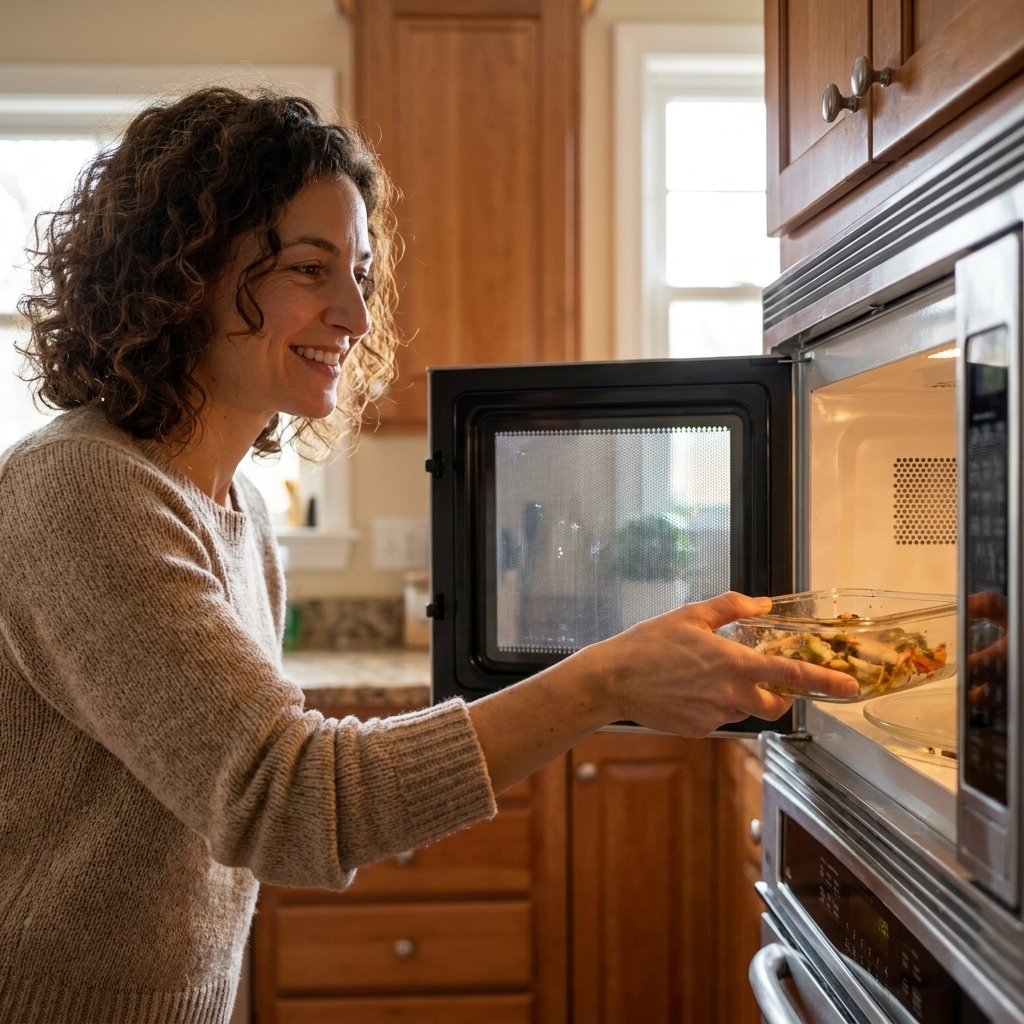
- Glass: Generally excellent for microwaving. It stays stable, does not warp, and you avoid that “hot plastic” smell. Heating evenness still depends mostly on the food, portion size, and your microwave’s hot spots, so stir and rotate when you can. Vent the lid and avoid sealing a container tightly in the microwave.
- Plastic: Only microwave if the container is explicitly labeled microwave-safe. Keep heat moderate, vent the lid, and avoid long, high-heat blasts. If your lid has a removable gasket, check manufacturer instructions and remove it if recommended.
Oven
- Glass: Some glass meal prep containers are oven-safe (often the glass base only). Lids are typically not oven-safe. Follow manufacturer temperature limits, avoid the broiler and direct flame, and avoid sudden temperature changes to reduce breakage risk.
- Plastic: Not oven-safe.
Freezer
- Glass: Many are freezer-safe, but you need headspace for expansion and you should avoid moving straight from freezer to a hot oven. Let it thaw in the fridge first for best results.
- Plastic: Great for freezer meals because it is flexible and less likely to crack. Look for freezer-safe labeling, and be gentle with lids if they get brittle when cold.
Stains and odors
If you meal prep anything flavorful (tomato sauce, turmeric, kimchi, curry), this section matters.
Glass
- Resists stains exceptionally well.
- Does not hold odors the way plastic can.
- Usually cleans easily in the dishwasher, including stubborn residues.
Plastic
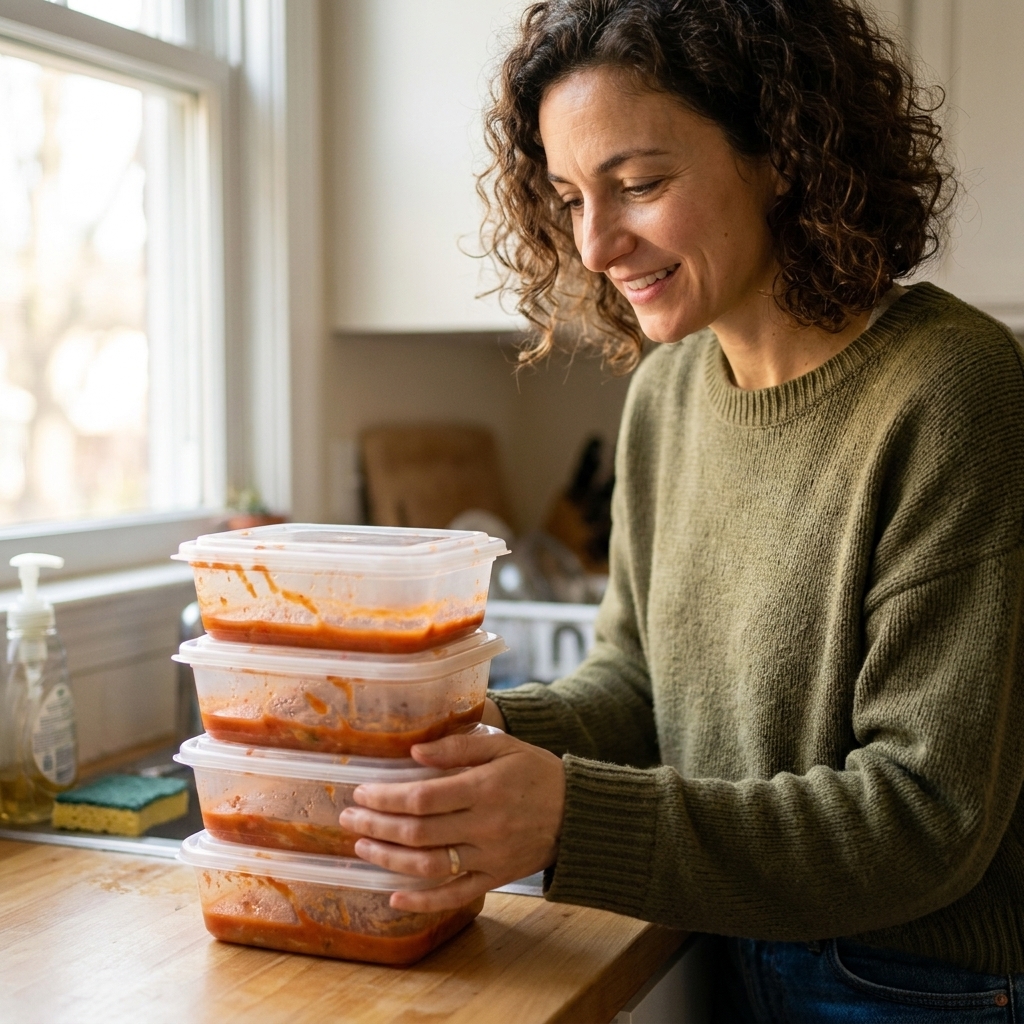
- Stains happen, especially with tomato-based and highly pigmented foods.
- Odors can linger, especially if the container sits unwashed for a day or two (no judgment, life happens).
- Over time, scratches and absorbed oils can make plastic harder to fully clean.
If you love plastic but hate stains
- Let tomato-based foods cool slightly before sealing to reduce steam and staining.
- Wash sooner and avoid abrasive scrubbers that create micro-scratches.
- Some people find that a very light wipe of oil in the container helps reduce staining from red sauce, but it is more of a home hack than a guarantee.
Durability
Glass
- Pros: Glass does not warp, stays smooth, and can last for years.
- Cons: It can chip or shatter if dropped, especially on tile or concrete. Tempered glass is tougher, but it is not indestructible.
Plastic
- Pros: It will not shatter when dropped. Great for kids’ lunches, commuting, or clumsy mornings.
- Cons: Plastic can warp in dishwashers, especially on high heat. It scratches over time, and those scratches can make it harder to fully clean.
The real weak point: lids
No matter what base you choose, lids are usually the first thing to go. Hinges fatigue, gaskets stretch, and one lid will inevitably disappear into another dimension. When choosing a set, pay attention to:
- Whether replacement lids are sold
- Whether lids are interchangeable across sizes
- How easy the gasket is to remove and wash
Leaks and portability
If you pack lunches, leak resistance is not a bonus feature. It is the difference between “I feel like I have my life together” and “my bag smells like vinaigrette forever.”
Glass
- Often has excellent seals because the bases are rigid and flat.
- Heavier, which can be annoying in a backpack or tote.
Plastic
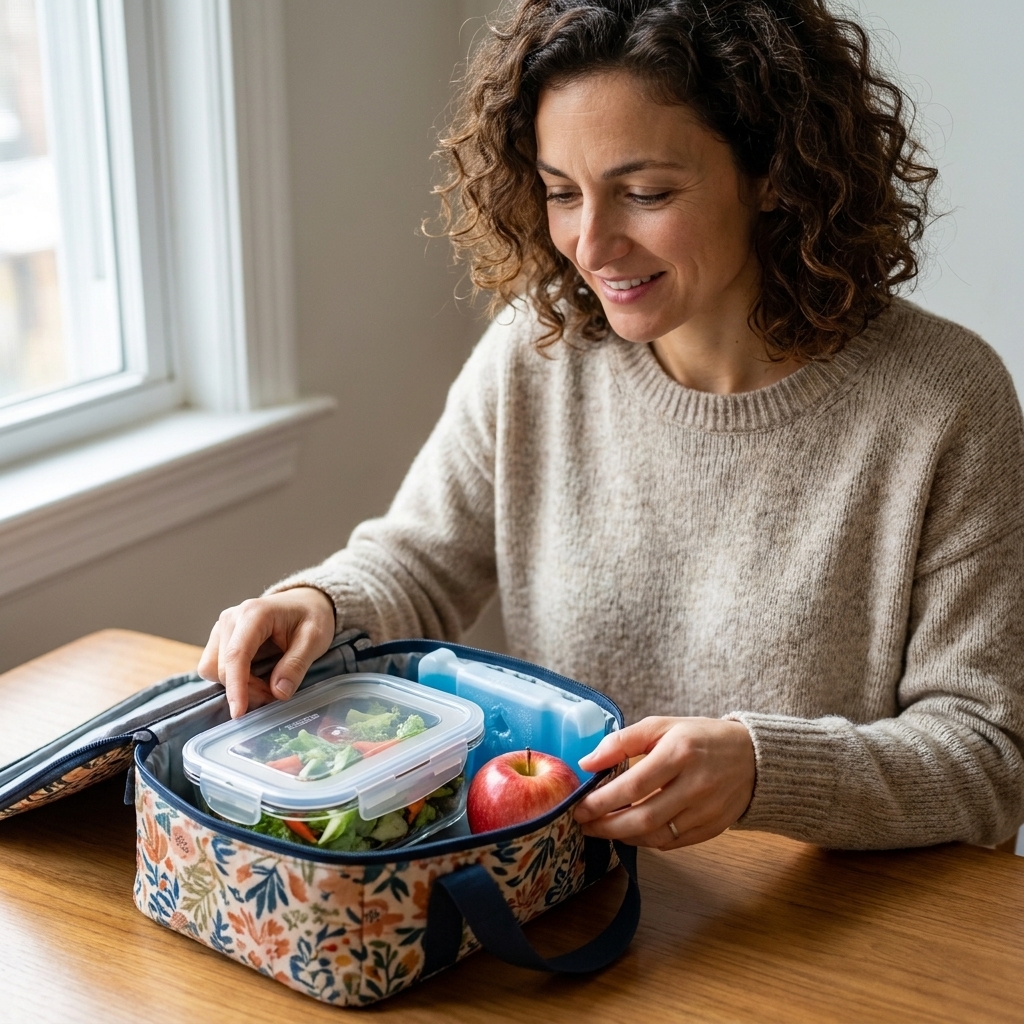
- Can be very leak-resistant, especially snap-lock styles.
- Lightweight for commuting and less stressful around laptops.
Pro tip: For soups and stews, look for a container with a silicone gasket and four locking tabs regardless of material. For salads, you may prefer a wide, shallow container so you can mix without crushing everything.
Cost and storage
In real life, the best container is the one you will actually keep using. That is where cost, weight, and cabinet space collide.
Glass
- Higher upfront cost, but often lower cost per use over time because it lasts longer and stays nicer.
- Heavier and bulkier, which matters if you carry meals or have small cabinets.
Plastic
- Lower upfront cost, especially if you are starting meal prep on a budget.
- Lighter and often easier to nest, which can be a small-kitchen win.
- May need more frequent replacement due to warping, staining, or lingering odors.
If you are building your first setup, it is absolutely valid to start with plastic, prove to yourself that meal prep works for your life, then upgrade a few key pieces to glass later.
Sustainability
Sustainability is nuanced. Glass is often seen as the eco choice, but transport weight, breakage, and how long you actually use the set all matter. Plastic is lighter to transport and less breakable, but it may be replaced more often and recycling rules vary widely by location.
- The most sustainable container is the one you use for a long time.
- Choose a set you truly like using, because that is what reduces disposable baggies, wrap, and takeout containers.
- If you use plastic, extending its life by avoiding high-heat dishwashing and replacing only damaged pieces can reduce waste.
If you are aiming for a practical, realistic eco step: invest in a small core of durable containers you love, plus one or two “backup” inexpensive pieces for the inevitable lost lid moment.
Best for your routine
Saucy, reheat-heavy meals
Lean glass. Think marinara, chili, butter chicken, shakshuka, lentil stew. Glass tends to clean easier and stays stain-free longer.
Daily packed lunches and commuting
Lean plastic or mixed. Plastic for portability, plus one glass container for reheating at home or keeping in the office if you have a safe spot for it.
Mostly cold meal prep
Plastic works beautifully. Overnight oats, yogurt parfaits, fruit, snack boxes, salads, sandwich components.
Sensitive to smells or hate scrubbing
Glass will make you happier. Especially if you cook with garlic, onions, fish, or lots of spices.
Kids and chaos-proof lunches
Plastic is often more practical. Lighter, less breakable, and easier for little hands. You can still use glass at home for family-style leftovers.
A third option: stainless steel
If you want something lightweight and durable for cold food, stainless steel containers can be a great sidekick. Just keep them out of the microwave.
What to look for
For glass sets
- Tempered or borosilicate glass listed clearly
- Lids that seal well and have removable gaskets
- Dishwasher-safe labeling for lids, not just the glass base
- Replacement lids available
- Shapes that match how you eat, shallow for bowls, deeper for soups
For plastic sets
- Microwave-safe labeling if you plan to microwave
- Sturdy plastic with clear heat and dishwasher guidance from the manufacturer
- Avoid very thin, flexible plastics for hot foods
- Sturdy hinges and a gasket if leak resistance matters
- Clear containers if you forget what is inside
Care tips
- Let food cool a bit before sealing to reduce condensation, odors, and lid warping.
- Store lids off or loosely set if you are putting a container away empty, especially plastic.
- Skip abrasive scrubbers on plastic to reduce scratches.
- Do not seal tightly while microwaving. Vent to prevent pressure buildup.
- For gaskets: pop them out occasionally and wash, then fully dry to prevent funky smells.
FAQ
Is it safe to microwave food in plastic containers?
If the container is labeled microwave-safe, occasional use is generally considered acceptable, but heat increases the chance of chemical migration, especially with oily or acidic meals. If you want a low-stress compromise, reheat in glass or ceramic when possible.
Why do my plastic containers smell even after washing?
Odors cling to oils that can absorb into plastic over time, especially if the container is scratched. Try soaking in a baking soda solution, washing the gasket separately, and letting it air out fully. If the smell persists, it may be time to retire that container.
Does glass keep food fresher than plastic?
Both can keep food fresh if the seal is good. In practice, glass often wins for strong-smelling foods because it does not absorb odors, and rigid bases can help lids seal consistently.
Can I freeze food in glass containers?
Often yes, but leave headspace for expansion and avoid sudden temperature changes. Thaw in the fridge before reheating for best safety and to reduce breakage risk.
What is the best starter setup?
A realistic starter kit is a mix: two to four glass containers for dinner leftovers and reheating, plus four to six plastic containers for lunches, snacks, and freezer portions. This gives you flexibility without overspending.
Bottom line
If you are choosing between glass and plastic, you are already doing something kind for your future self. The best container is the one that makes balanced meals more likely on your busiest days.
For most Platepathy households, I recommend a hybrid approach: glass for hot, saucy, reheat-heavy meals and plastic for lightweight, on-the-go routines. Your prep system should fit your life, not the other way around.