A realistic, tactical guide to meal spacing, smart snacks, and macronutrient pairing so you feel energized and satisfied all day.
Platepathy
What to Eat When Breaking Your Fast
Break your fast without a blood sugar roller coaster. Learn macro-friendly, easily digestible meals and snack ideas to feel steady, satisfied, and energized.

Elena Rossi
Elena Rossi is a Registered Dietitian and meal prep expert who believes that healthy eating shouldn't feel like a second job. Through Platepathy, she translates complex nutrition science into approachable, delicious meal plans designed for real, busy lives.
Published October 18, 2026
Last updated October 18, 2026
Breaking a fast can feel strangely high stakes. You are hungry, you want to eat everything in sight, and you also do not want that shaky, sleepy “why did I do that” crash an hour later.
Here is the good news: you do not need a perfect protocol. You just need a gentle re-entry meal that is easy on your gut, balanced for blood sugar, and satisfying enough that you do not end up grazing all afternoon. This is exactly the kind of “plate empathy” moment I live for.
Platepathy is my shorthand for building a plate that meets your body where it is today, not where an app says it should be.

Why your first meal matters
After a stretch without food, many people notice they are more sensitive to large amounts of fast-digesting carbs, especially when they are eaten alone. A fast-breaking meal that is mostly refined carbs or sugar can lead to a quick rise in blood glucose, followed by a dip for some people that leaves them tired, irritable, and hungry again.
A steadier approach is simple:
- Start with protein to slow digestion and support fullness.
- Add fiber (fruit, veggies, beans, whole grains) to help blunt a blood sugar spike.
- Include healthy fats for satisfaction and steadier energy.
- Be mindful with portion size, especially if you are coming off a longer or stricter fast.
Hydration matters, too. If you are under-hydrated (or low on sodium) during the fasting window, your first meal can feel harder than it needs to.
The Platepathy formula
If you want a repeatable method you can use on busy days, aim for:
- Protein: about 25 to 40 grams
- Fiber-rich carbs: about 25 to 50 grams
- Fat: about 10 to 20 grams
These ranges work well for many adults, but they are not universal. Your best numbers depend on body size, age, activity level, goals, medical conditions, and how long you have been fasting. If you have kidney disease, diabetes, or take glucose-lowering medications, it is worth personalizing this with a clinician.
Think: protein-forward + plants + a sensible carb + a little fat. It is not rigid. It is reliable.
Best foods to break a fast
If your stomach feels sensitive after fasting, start with foods that tend to be well tolerated.
Protein options
- Greek yogurt or skyr
- Eggs (scrambled or soft-boiled often feel gentler)
- Cottage cheese
- Tofu or tempeh
- Protein smoothie with whey, soy, or pea protein
- Chicken, turkey, fish, or lentils in a smaller portion if you are easing in
Fiber and carb options
- Berries, apples, pears, citrus
- Oats or chia pudding
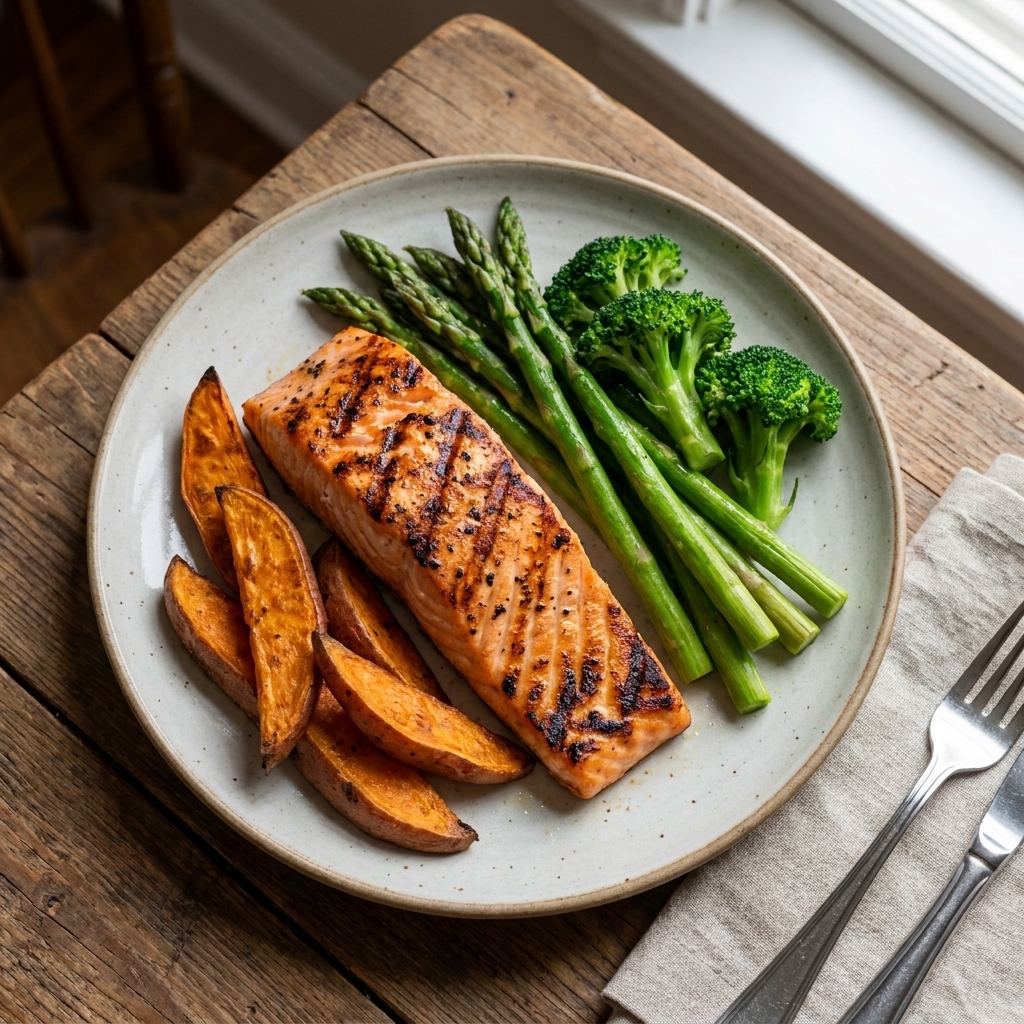
- Sweet potato
- Quinoa or brown rice
- Beans and lentils (start modestly if they cause gas)
- Whole grain toast
Fats that support satiety
- Avocado
- Nuts and seeds
- Olive oil
- Nut butter
And yes, you can absolutely include coffee. If coffee on an empty stomach makes you jittery or nauseated, consider having it with or after your first meal.
Meals for steady blood sugar
These are my go-to, real-life meals because they are easy, macro-friendly, and do not require “special” foods.
1) Greek yogurt bowl
Build it: Plain Greek yogurt + berries + chia seeds + chopped walnuts or almonds + cinnamon.
Why it works: Protein + fiber + fat in one bowl. Cinnamon is not magic, but it is a flavorful way to make plain yogurt feel like dessert without a sugar rush.
2) Eggs + greens + toast
Build it: 2 to 3 eggs (or egg plus egg whites) + spinach or kale sautéed in olive oil + 1 slice whole grain toast.
Why it works: Protein anchors the meal, greens add volume and micronutrients, toast gives you carbs without going full pastry mode.
3) Protein smoothie that keeps you full
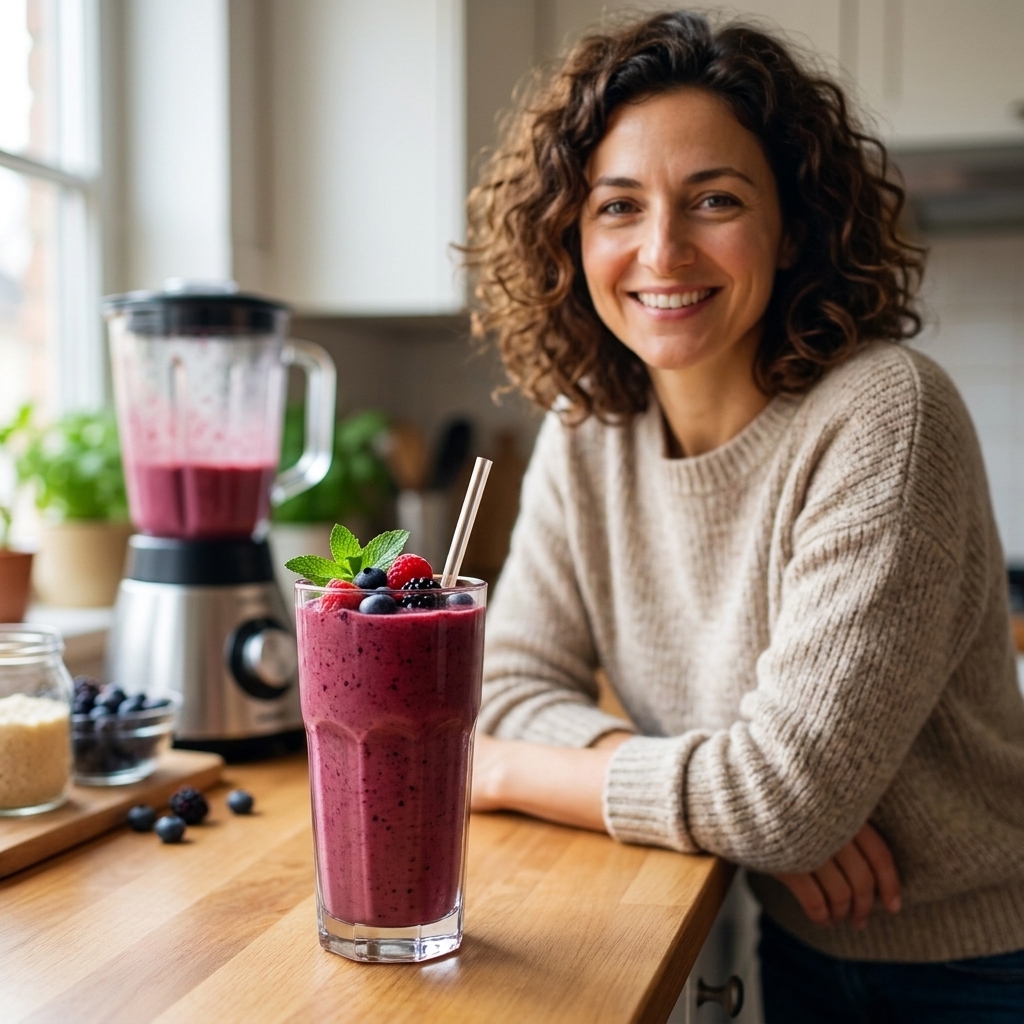
Blend: Milk or fortified soy milk + protein powder + frozen berries + handful of spinach + 1 tablespoon peanut butter or chia.
Why it works: Smoothies can be a blood sugar roller coaster if they are mostly fruit juice. This version is built around protein and fiber.
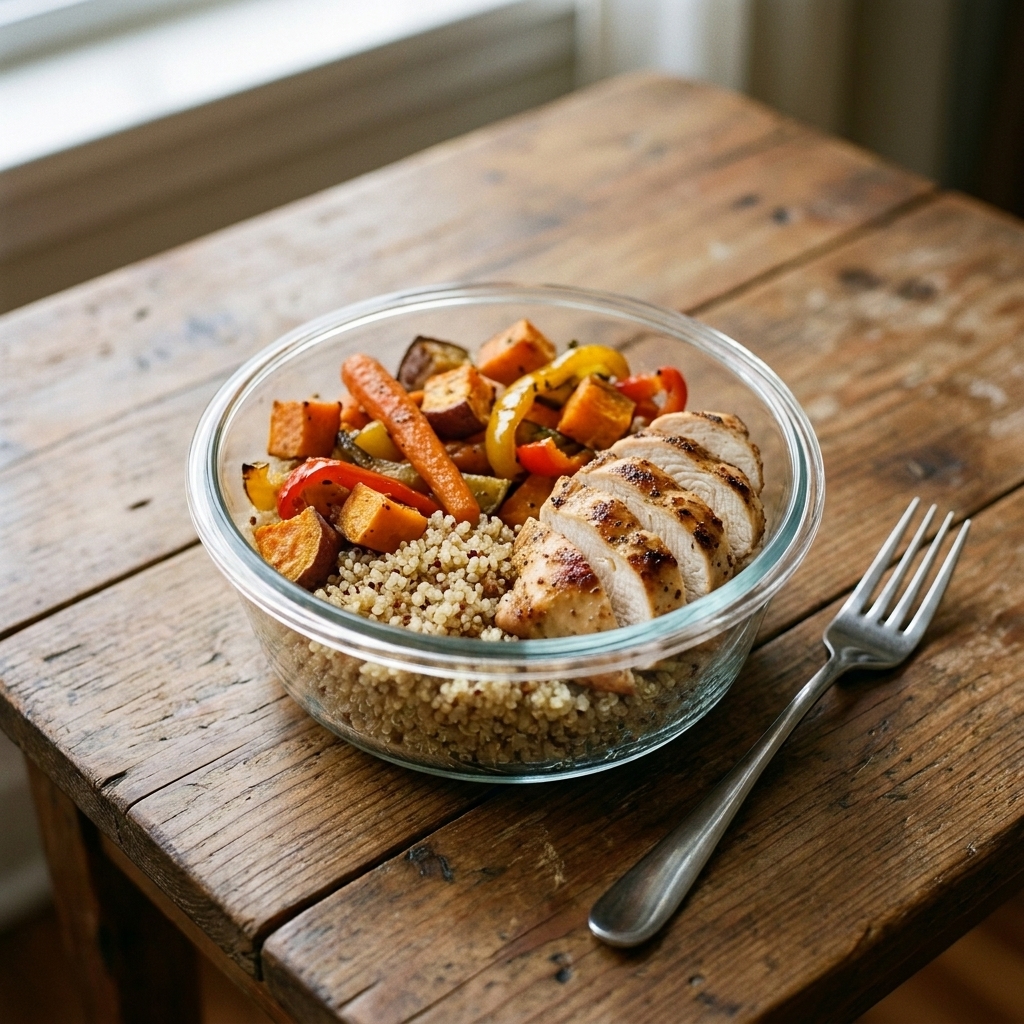
4) Chicken or tofu grain bowl
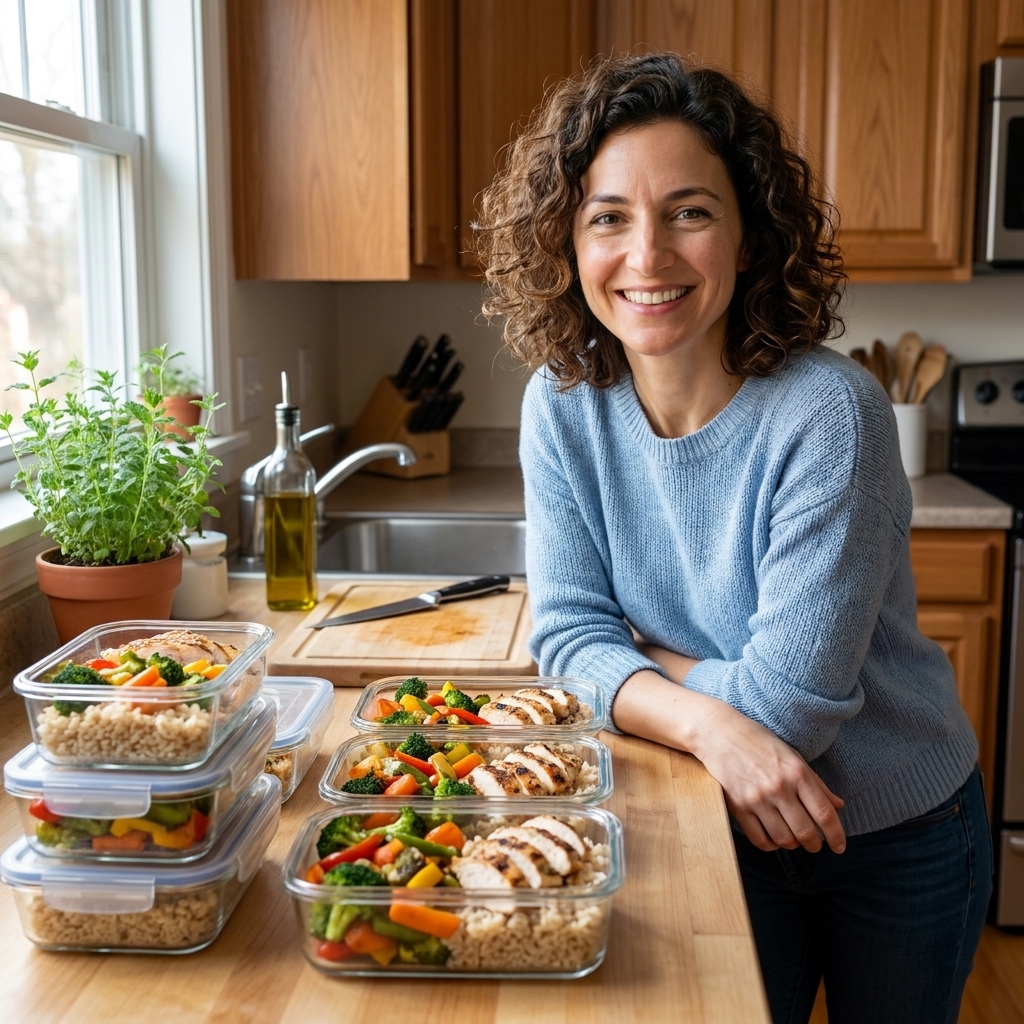
Build it: Quinoa or brown rice + roasted veggies + chicken or tofu + a drizzle of olive oil and lemon.
Why it works: Balanced macros and plenty of fiber. This is also a meal-prep dream.
5) Lentil soup + side salad
Build it: A bowl of lentil or bean soup + simple salad with olive oil vinaigrette.
Why it works: Warm foods feel easier on the stomach for many people, and legumes bring fiber plus protein.
6) Cottage cheese plate
Build it: Cottage cheese + sliced tomatoes and cucumbers + olive oil and black pepper + fruit on the side.
Why it works: High protein, minimal prep, very steady energy for many people.
7) Salmon avocado toast
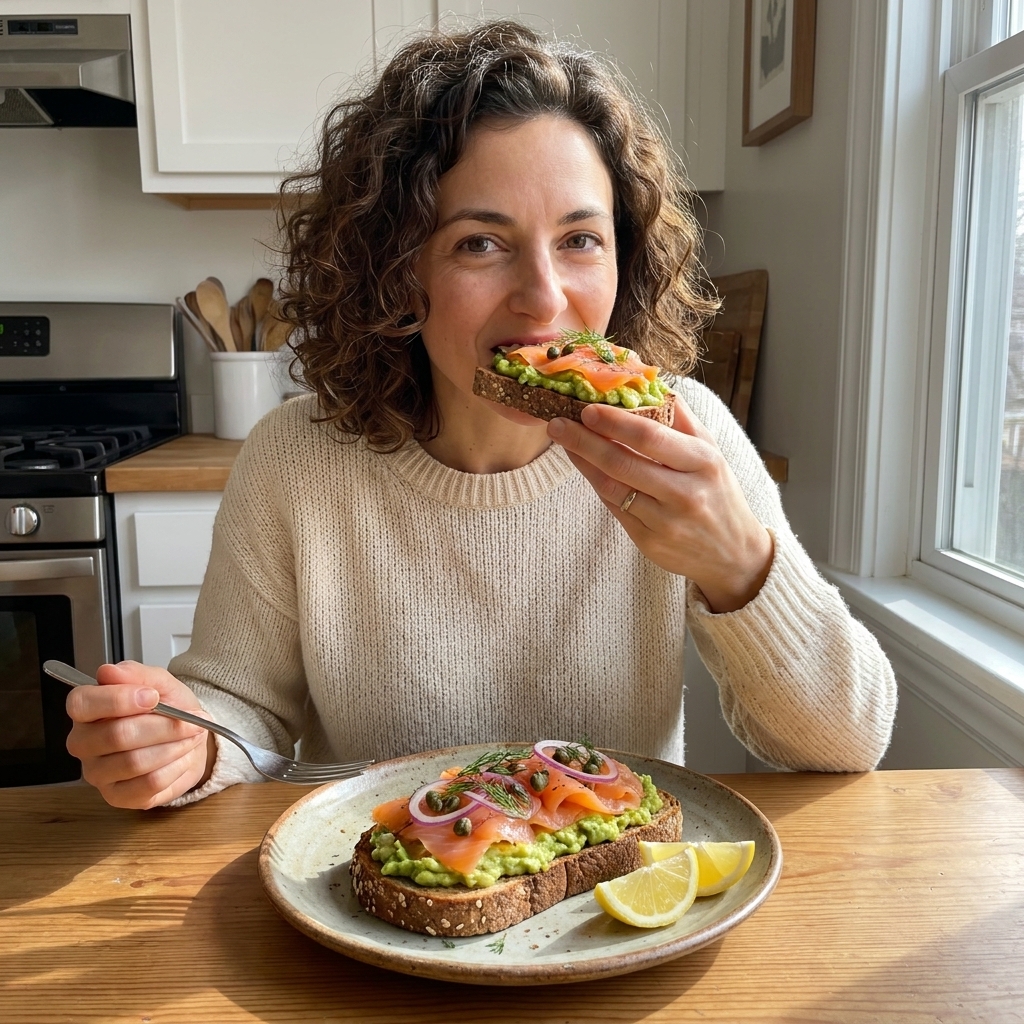
Build it: Whole grain toast + mashed avocado + smoked salmon + lemon.
Why it works: Protein + fat + fiber. It is satisfying enough that you are not prowling the pantry an hour later.
If your stomach feels off
This is common, especially with longer fasts or if you tend toward reflux, IBS, or anxiety around eating. Try these gentler approaches:
- Start smaller: A mini-meal first, then a full meal 60 to 120 minutes later.
- Choose lower fat at first: Very high-fat meals can feel heavy on an empty stomach.
- Go easy on very fibrous raw veggies right away if they bloat you.
- Limit sugar alcohols (common in “keto” snacks) which can irritate the gut.
- Hydrate earlier: Drink water during your fasting window. If headaches are a pattern, consider electrolytes, especially with longer fasts, heat, or exercise. Follow label guidance, and check with a clinician if you have blood pressure or kidney concerns.
Gentle starter ideas: yogurt with banana, eggs with white rice, oatmeal with protein mixed in, broth with shredded chicken, or a smoothie built around protein.
What to avoid right after
No foods are “bad” forever, but certain choices tend to backfire as a first meal:
- Large sugary meals (pastries, candy, sweet coffee drinks) as your first calories
- High-refined-carb meals without protein (white bagel alone, cereal alone, plain fruit juice)
- Very large, very high-fat meals if you are prone to nausea or reflux
- Alcohol on an empty stomach, which can hit harder after fasting
If you want the croissant, you can still have it. My Platepathy move is pairing it: add a latte with milk plus eggs, Greek yogurt, or a turkey slice so your blood sugar does not whiplash.
Sample meal plans
Option A: Break a fast at breakfast
- Main: Greek yogurt bowl with berries, chia, and nuts
- If still hungry: Add a slice of whole grain toast or a piece of fruit
Option B: Break a fast at lunch
- Main: Chicken or tofu quinoa bowl with roasted vegetables
- Side: Fruit or a small salad
Option C: Break a fast before dinner
- Main: Lentil soup with a side salad and olive oil dressing
- Optional add-on: Whole grain roll if you have an active evening
Prep tips
Fasting windows only help your routine if the eating window is not chaotic. A few Sunday-batch-cooker tricks:
- Cook one protein: sheet pan chicken, baked tofu, or hard-boiled eggs.
- Prep one carb: pot of quinoa, brown rice, or roasted sweet potatoes.
- Wash and chop veggies: so you can build bowls in 5 minutes.
- Keep break-fast staples visible: Greek yogurt, berries (fresh or frozen), nuts, canned beans, bagged greens.
Convenience is not a character flaw. It is a strategy.
FAQ
Should I break my fast with protein or carbs first?
Most people feel best breaking a fast with protein plus fiber in the same meal. You do not need to micromanage bite order, but anchoring the meal with protein is a reliable way to reduce cravings and blunt a spike.
Is fruit okay to break a fast?
Yes. Fruit is nutrient-dense and contains fiber and water. It tends to work best paired with protein or fat, like fruit plus Greek yogurt, cottage cheese, or nuts.
What about breaking a fast on keto?
You can still use the same blood-sugar-friendly structure. Choose protein + non-starchy vegetables + healthy fat. Examples: eggs with sautéed greens and avocado, salmon salad, or tofu with roasted vegetables and olive oil.
What if I break my fast with something sugary?
It happens. The kindest, most effective next step is not punishment fasting. Instead, have your next meal be protein-forward with fiber (think: big salad with chicken, lentil soup, or a yogurt bowl) and take a short walk if you can.
Are longer fasts different from daily intermittent fasting?
Yes. Most of this article is written for typical daily intermittent fasting windows (roughly 12 to 18 hours). If you are doing multi-day fasts, you should be more cautious about how you reintroduce food and consider medical guidance, especially if you have underlying health conditions.
Who should be cautious with intermittent fasting?
If you are pregnant or breastfeeding, have a history of eating disorders, have diabetes or take glucose-lowering meds, or you notice fasting increases anxiety or bingeing, talk with a clinician who knows your history before continuing. Your body deserves a plan that fits you.
The bottom line
The best meal to break a fast is the one that helps you feel steady, satisfied, and calm, not the one that follows the strictest rules.
If you want one simple takeaway, make your first meal: protein-forward, fiber-rich, and not overly huge. Your energy, mood, and cravings will usually thank you.